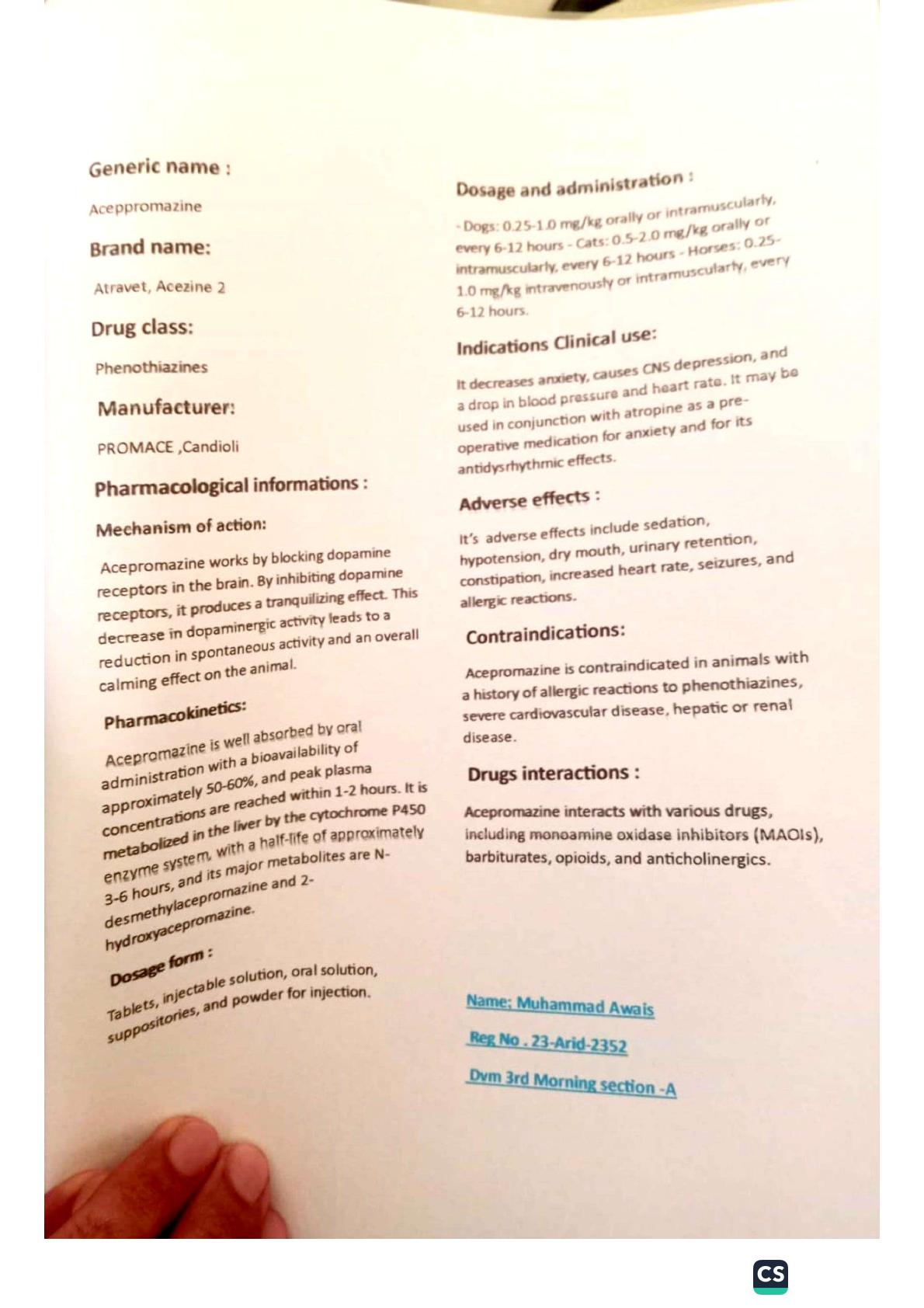
A comprehensive overview of Accepromazine, a phenothiazine used primarily as an antipsychotic and sedative in veterinary medicine. This monograph details the drug's mechanism of action, pharmacological information, and clinical indications, including its use in managing CNS depression and anxiety in animals. It also outlines dosage and administration guidelines, potential side effects, and interactions with other medications. Ideal for veterinary students and professionals seeking in-depth knowledge about Accepromazine's applications and safety profile.
Key Points
Explains the mechanism of action of Accepromazine in veterinary medicine.
Details dosage and administration guidelines for effective use in animals.
Covers clinical indications, including treatment for anxiety and sedation.
Lists potential side effects and drug interactions with other medications.
This link leads to an external site. We do not know or endorse its content, and are not responsible for its safety. Click the link to proceed only if you trust this site.
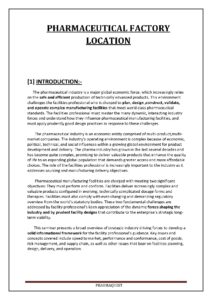
Pharmaceutical Factory Location and Design Considerations
PDF
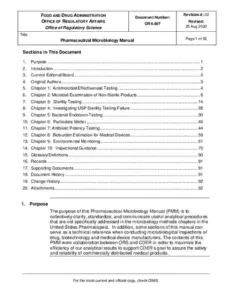
Pharmaceutical Microbiology Manual
PDF
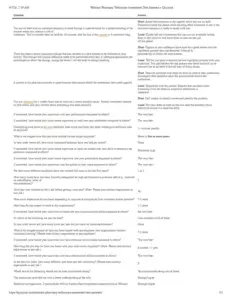
Walmart Pharmacy Technician Assessment Test Answers
PDFStudy Guide
Community Health: Frameworks and ConceptsStudy Guide
PDFGuide
12 Week Glute Growth Workout PlanGuide
PDFNotes
Kinetic Theory for 12th Class PhysicsNotes
PDFNotes
Database Management System Lecture Notes by Swagatika DalaiNotes
PDFStudy Guide
Correction Série N°18 Les Relations TrophiquesStudy Guide
PDFTextbook
Fundamentals of Deep Learning Course SyllabusTextbook
PDFTextbook
Basic Electronic Components Master Syllabus for EngineeringTextbook
PDFStudy Guide
Periodic Properties Study Notes for NEETStudy Guide
PDFResource
2026 Monthly Calendar PrintableResource
FAQs
What is the primary use of Accepromazine in veterinary medicine?
Accepromazine is primarily used as a sedative and antipsychotic in veterinary medicine. It helps manage anxiety and provides sedation for various procedures in animals. The drug works by blocking dopamine receptors, which reduces CNS activity and promotes a calming effect. This makes it particularly useful in stressful situations for pets, such as during travel or veterinary visits.
What are the common side effects associated with Accepromazine?
Common side effects of Accepromazine include sedation, hypotension, and potential respiratory depression. Animals may exhibit lethargy or decreased responsiveness after administration. In some cases, allergic reactions can occur, leading to more severe symptoms. It's essential for veterinarians to monitor patients closely after administering the drug to manage any adverse effects promptly.
How should Accepromazine be administered to animals?
Accepromazine can be administered either intravenously or intramuscularly, depending on the clinical situation and the animal's needs. The dosage typically ranges from 0.1 to 0.6 mg/kg, with adjustments made based on the animal's size and health status. It's crucial to follow veterinary guidelines for administration to ensure safety and effectiveness, as overdosing can lead to serious complications.
What interactions should be considered when using Accepromazine?
Accepromazine may interact with other medications, particularly those that also depress the CNS, such as phenothiazines, barbiturates, and antihistamines. These interactions can enhance sedative effects and lead to increased risks of respiratory depression. Veterinarians should review a patient's medication history thoroughly before prescribing Accepromazine to avoid potential complications.
Related
PDFBook
First Aid for the USMLE Step 1 2017Book
PDFBook
Manual of Diagnostic Ultrasound 9241544619 (2)Book
PDFBook
Clark’s Positioning in Radiography 12th EditionBook
PDFBook
Basics of Abdominal Gynaecological Obstetrics UltrasoundBook
PDFTextbook
RAD 381 Introduction to Radiography and AnatomyTextbook