Modified Epley Maneuver for Benign Positional Vertigo
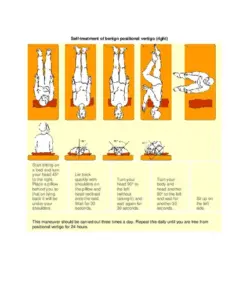
The Modified Epley Maneuver provides a self-treatment technique for individuals experiencing benign positional vertigo. This maneuver is designed to alleviate symptoms by repositioning the inner ear crystals that cause dizziness. The document outlines step-by-step instructions for performing the maneuver safely and effectively. Additionally, it includes exercises to enhance recovery and manage vertigo symptoms. Ideal for patients seeking non-invasive methods to address vertigo, this guide serves as a practical resource for self-care.
Key Points
Describes the Modified Epley Maneuver for treating benign positional vertigo.
Includes detailed instructions for performing the maneuver at home.
Offers additional exercises to support recovery from vertigo symptoms.
Targets individuals seeking self-treatment options for dizziness.
This link leads to an external site. We do not know or endorse its content, and are not responsible for its safety. Click the link to proceed only if you trust this site.
Home Epley Maneuver Instructions and Guidelines PDF
PDF
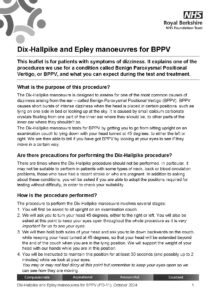
Dix-Hallpike and Epley Manoeuvres for BPPV October 2024
PDF
Modified Overcomplete Autoencoder for Anomaly Detection
PDFStudy Guide
Digestive System, Ecosystem, Symbiosis, Solar System, Circulatory System, Matter and Its PropertiesStudy Guide
PDFLecture Notes
Sensation and Perception – Chapter 2Lecture Notes
PDFTextbook
Corn Growth Stages ChartTextbook
PDFAnswer Key
Grade 12 Physical Sciences P1 Bill MGAnswer Key
PDFLecture Notes
BIO 001 Notes on Systematics and EcologyLecture Notes
PDFLecture Notes
Geodinâmica Externa – Formação de Glaciares e HidrogeologiaLecture Notes
PDFResearch Paper
Nepalese Banana Fibre Yarn and ClothingResearch Paper
PDFLecture Notes
Digital Electronics: Complements and Binary ArithmeticLecture Notes
PDFWorksheet
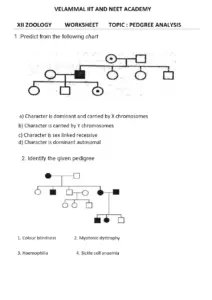
Genetic Pedigree Analysis Worksheet for Grade 12Worksheet
FAQs
What is the Modified Epley Maneuver and how does it work?
The Modified Epley Maneuver is a therapeutic technique used to treat benign positional vertigo, a condition caused by dislodged crystals in the inner ear. The maneuver involves a series of head and body movements that help reposition these crystals, alleviating dizziness and balance issues. By following the prescribed steps, patients can effectively manage their symptoms and reduce the frequency of vertigo episodes. This method is particularly beneficial for those looking for non-invasive treatment options.
What exercises are recommended for managing vertigo symptoms?
In addition to the Modified Epley Maneuver, the document suggests various exercises aimed at improving balance and reducing dizziness. These include head movements, convergence exercises, and activities that involve looking up and down or side to side. Such exercises help strengthen the vestibular system, promoting better coordination and stability. Regular practice of these exercises can significantly aid individuals in managing their vertigo symptoms more effectively.
Who can benefit from the Modified Epley Maneuver?
The Modified Epley Maneuver is beneficial for individuals diagnosed with benign positional vertigo, particularly those experiencing recurrent episodes of dizziness triggered by specific head movements. It is suitable for adults and can be performed at home, making it an accessible option for many patients. Additionally, individuals looking for alternative treatments to medication may find this maneuver a practical solution for managing their symptoms.
How often should the Modified Epley Maneuver be performed?
The Modified Epley Maneuver can be performed multiple times a day as needed, especially during acute episodes of vertigo. Patients are encouraged to follow the instructions carefully and repeat the maneuver until symptoms improve. However, it is advisable to consult a healthcare professional for personalized recommendations based on individual circumstances and severity of symptoms. Consistent practice can lead to better outcomes and reduced frequency of vertigo episodes.
What are the potential side effects of the Modified Epley Maneuver?
While the Modified Epley Maneuver is generally safe, some individuals may experience temporary discomfort or increased dizziness during the procedure. These sensations typically subside shortly after completing the maneuver. It is essential for patients to perform the maneuver in a safe environment where they can sit or lie down if needed. If symptoms persist or worsen, consulting a healthcare provider is recommended to rule out other underlying conditions.