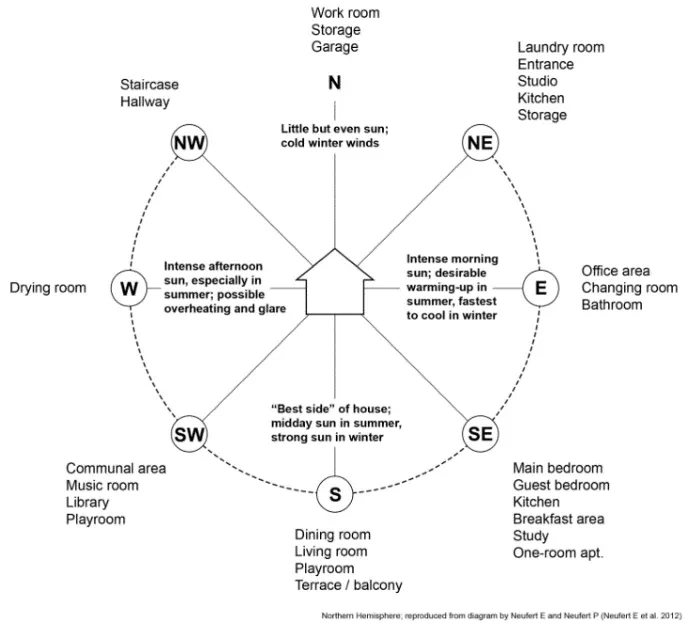
Activity and Behaviour Mapping explores the relationship between human activities and behaviors in various environments. Authored by Ir. Kadek Risna Puspita Giri, this work delves into the principles of mapping activities and behaviors to enhance design and functionality in spaces. It provides insights into how individuals interact with their surroundings, focusing on factors such as light, orientation, and spatial preferences. Ideal for interior design students and professionals, this guide offers practical frameworks for understanding user behavior in different settings.
Key Points
Explores the principles of activity and behavior mapping in design.
Analyzes how environmental factors influence human interactions.
Provides frameworks for enhancing spatial functionality and user experience.
Includes practical examples and diagrams for effective mapping.
This link leads to an external site. We do not know or endorse its content, and are not responsible for its safety. Click the link to proceed only if you trust this site.
Credit Management: Types, Processes, and Best PracticesPresentation
PDFPresentation
Loans and Advances: Types and Principles of LendingPresentation
PDFPresentation
Progress Uas – Custom Furniture Design and ProductionPresentation
PDFPresentation
Communication Types and Forms of CommunicationPresentation
PDFPresentation
Religion, Divine Revelation and Its NeedPresentation
PDFPresentation
Tourist Potential of PakistanPresentation
PDFPresentation
Economy of Pakistan: Overview and Key SectorsPresentation
PDFPresentation
Technical Analysis of Premium and Discount in ForexPresentation
PDFPresentation
Market Structure and CHOCH PresentationPresentation
PDFPresentation
Understanding Spread, Pips, and Leverage in TradingPresentation
PDFPresentation
Introduction to Deriv Synthetic Indices – Understanding Synthetic MarketsPresentation
PDFPresentation
Asynchronous Transfer: Data Communication Without a Shared ClockPresentation
FAQs
What is the difference between activity and behavior in mapping?
In the context of mapping, 'activity' refers to 'WHAT' is being done, while 'behavior' encompasses 'HOW' and 'WHY' actions are performed. This distinction is crucial for understanding the nuances of human interaction within a space, as it allows for a more comprehensive analysis of both the actions taken and the motivations behind them.
What are the key elements of activity mapping?
The key elements of activity mapping include the base layout of the space, symbols representing different activities (like sitting or standing), and the intensity of activity in various zones. This mapping helps identify where activities occur, how long they last, and the flow of movement within the space. It is essential to visualize these aspects to understand user behavior effectively.
How is behavior mapping structured according to the document?
Behavior mapping is structured around several key components: the activity being performed, the direction of that activity, triggers that influence behavior, and the responses elicited. This formula—'Behavior = Activity + Direction + Trigger + Response'—provides a framework for analyzing how individuals interact with their environment and the factors that influence their decisions.
What types of data are required for effective observation in activity mapping?
Effective observation in activity mapping requires data on categories such as activities (e.g., sitting, eating), locations (e.g., near windows, in the center), duration of activities, types of interactions (individual or group), and conditions of the space (e.g., light, noise). Collecting this data over a structured observational period allows for a detailed understanding of how space is utilized.
What insights can be drawn from the observation data in the document?
The observation data reveals that users tend to position themselves facing natural light sources, indicating a strong preference for visual comfort and external connection. Areas exposed to noise are consistently avoided, highlighting the significant impact of acoustic conditions on spatial behavior. This insight emphasizes the importance of environmental factors in designing functional spaces.
What does the diagram illustrate about the living area in behavior mapping?
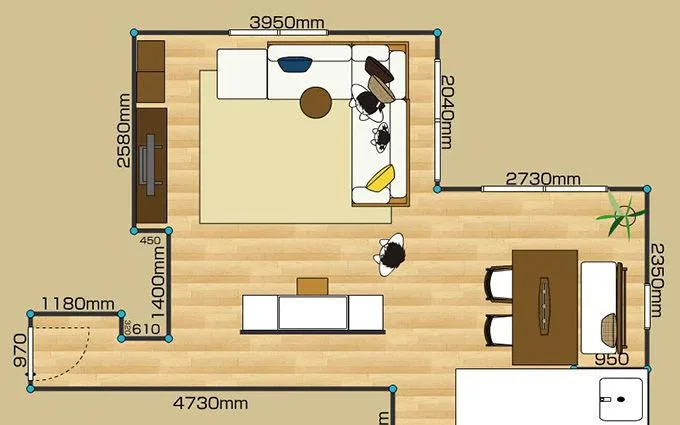
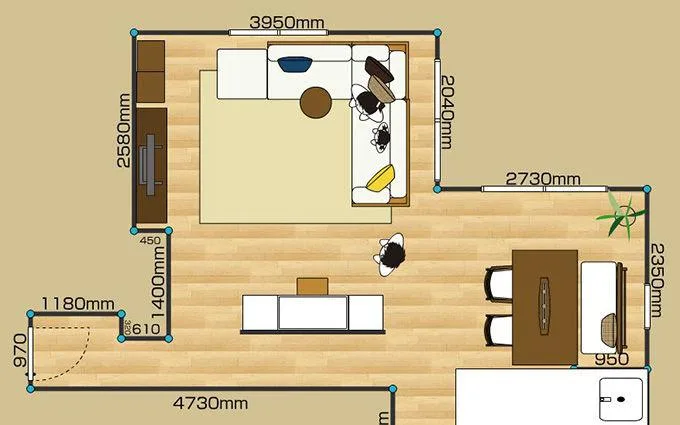
The diagram illustrates that in the living area, users tend to face light sources, with their bodies leaning towards brighter areas. This behavior suggests a search for visual comfort and a preference for natural light, indicating that the living area serves as a primary space for relaxation and engagement.
What are the main findings related to dining area interactions?
In the dining area, interactions among users are characterized by facing each other, which promotes social engagement. This setting is identified as a social space where communication occurs, but it is utilized at specific times rather than continuously throughout the day, emphasizing its role in fostering social connections.
Related
PDFPresentation
Big Data and Cloud Computing ApplicationsPresentation
PDFPresentation
Variance Data Sampling and Statistical Analysis PresentationPresentation
PDFPresentation
Two-Pass Assembler: Understanding Assembly Language TranslationPresentation
PDFPresentation
CPE 321 Presentation on Computer Systems and HardwarePresentation
PDFPresentation
Key Performance Indicator Framework and ImplementationPresentation