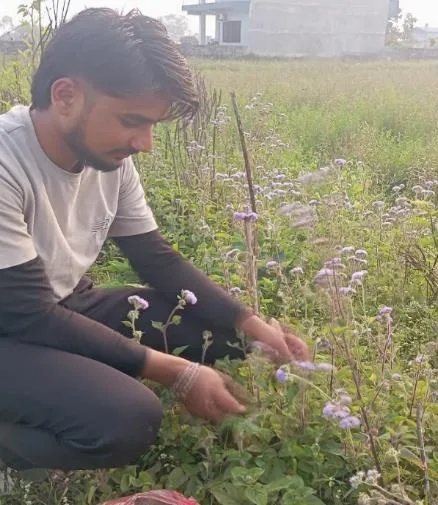
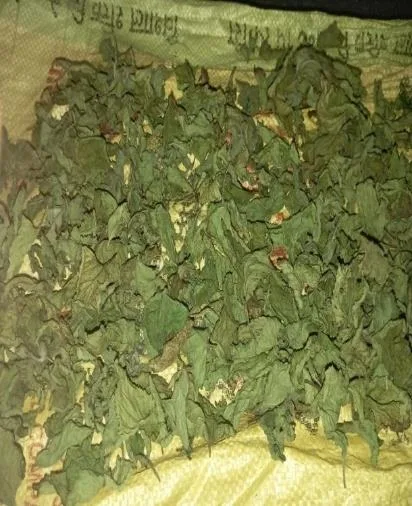
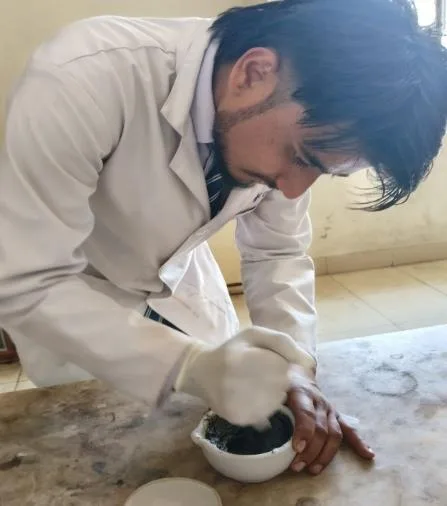
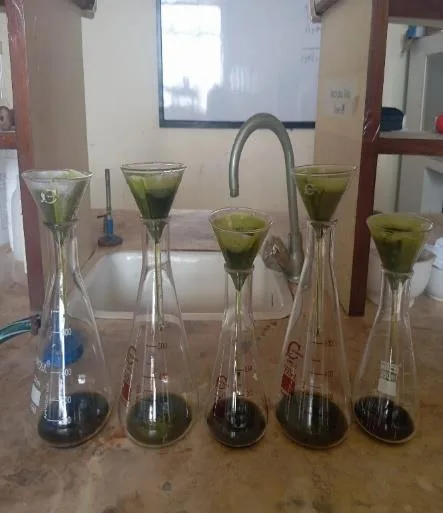
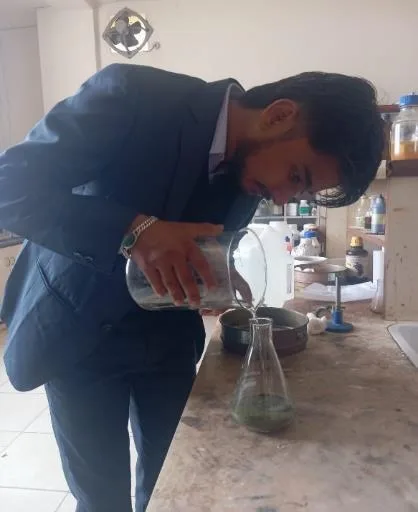
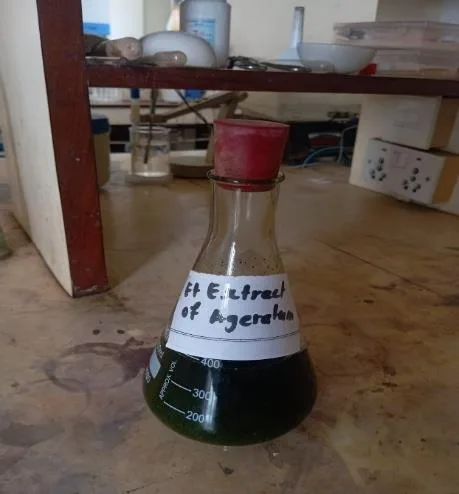
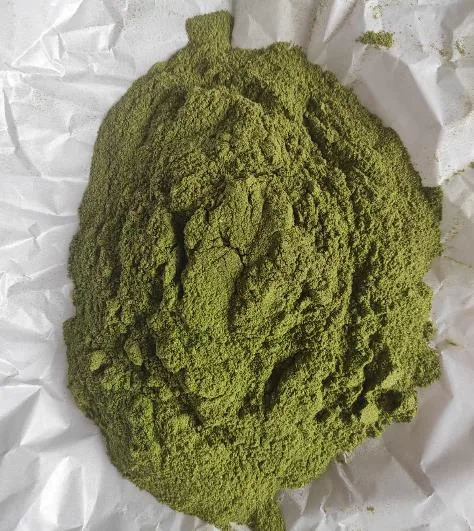
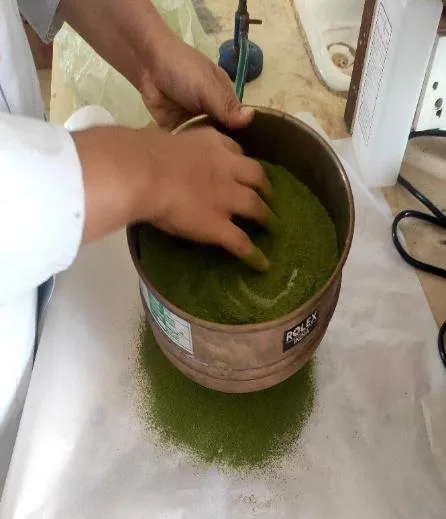
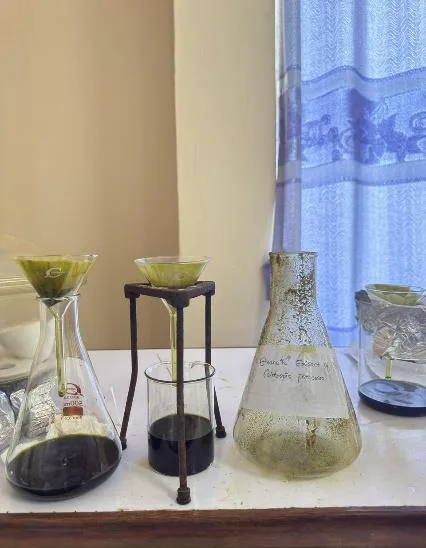
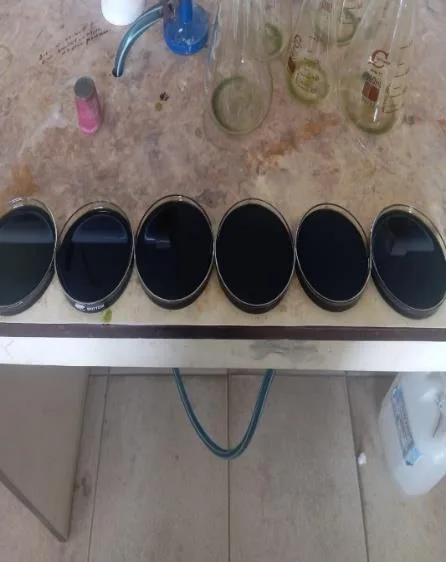
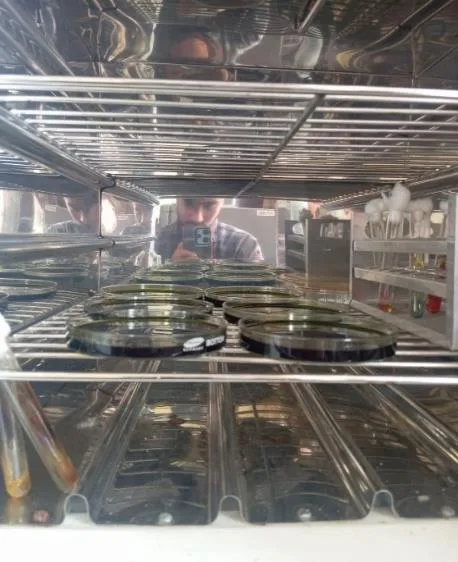
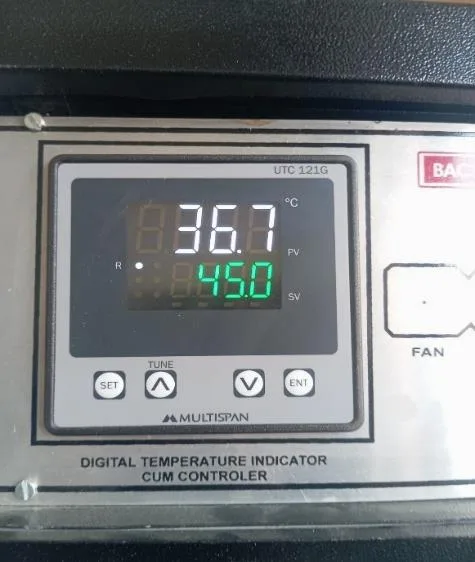
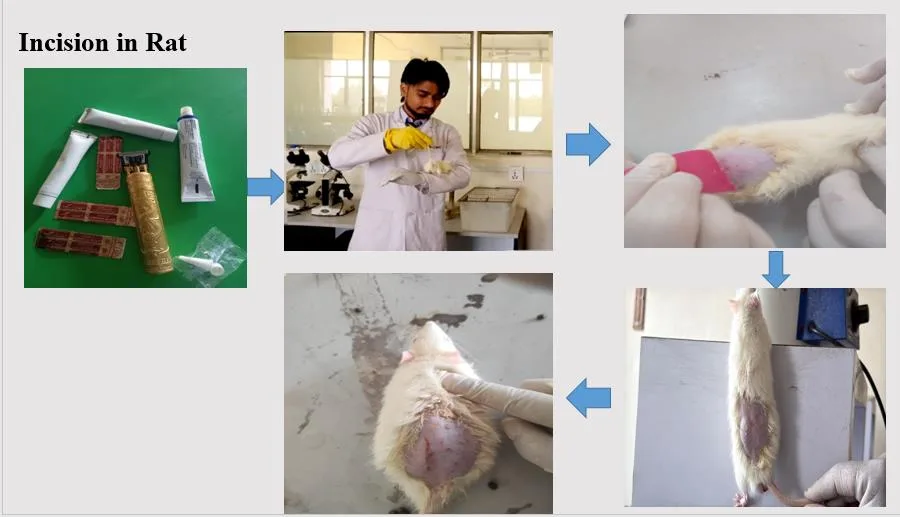
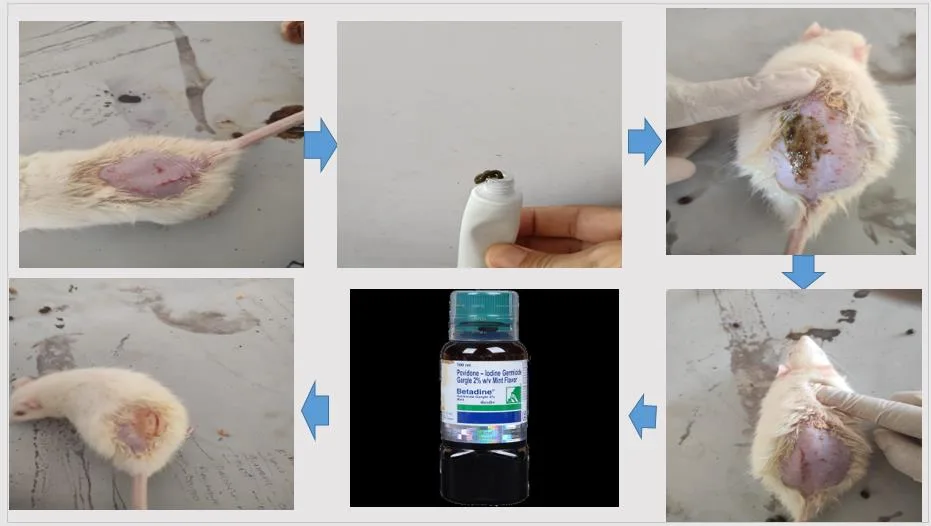
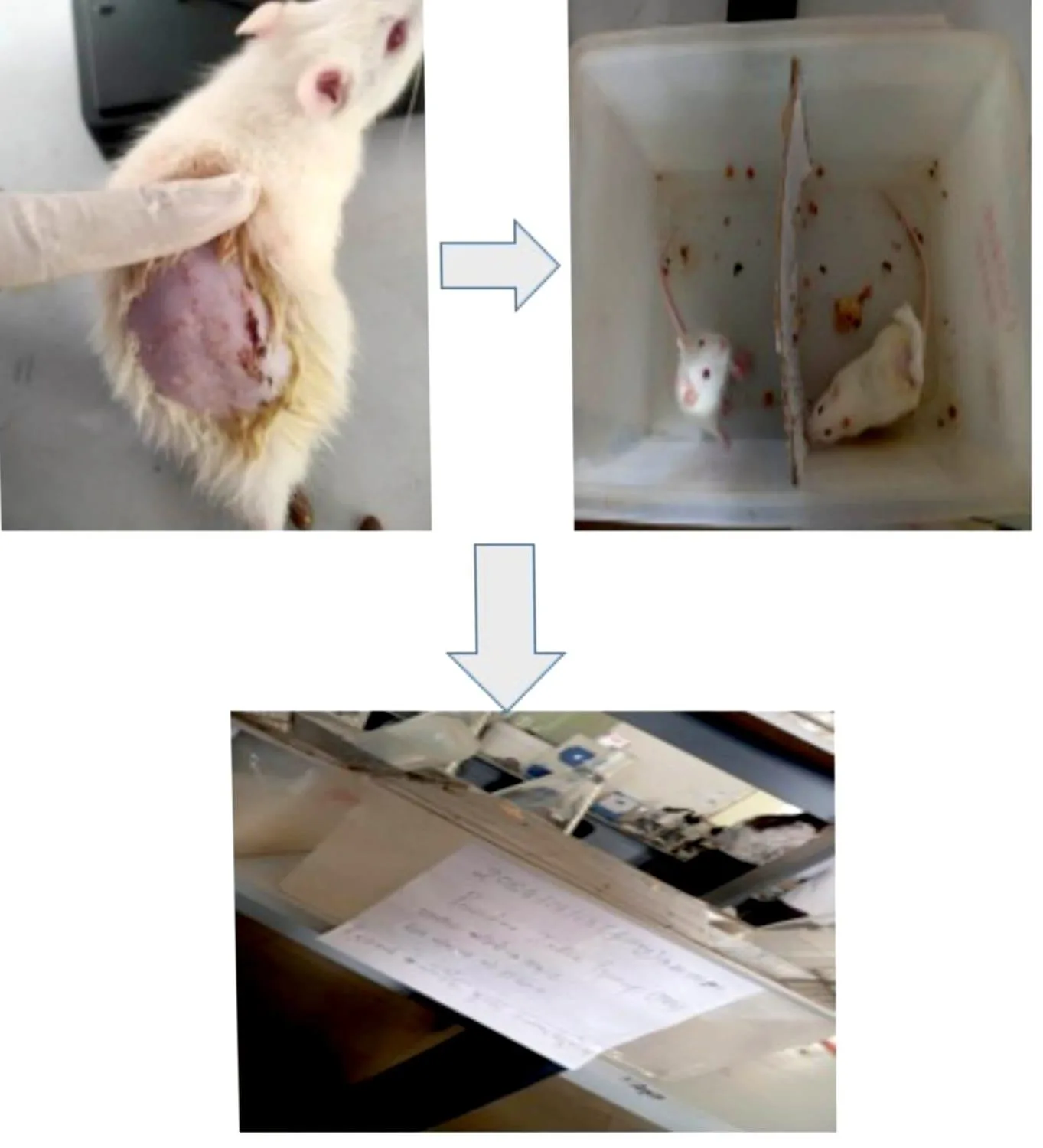
The thesis investigates the wound healing properties of Ageratum Conyzoides leaf extract compared to marketed Povidone Iodine ointment using an incision wound model in rats. Conducted by Tilak Kafle at Chitwan Medical College, this research explores the efficacy of different concentrations of Ageratum Conyzoides extract over a 14-day healing period. Results indicate that a 10% ethanolic extract significantly enhances wound healing, achieving an 86.54% healing rate, outperforming control groups. This study is essential for pharmacy students and researchers interested in natural remedies and wound care.

Key Points

  • Analyzes the wound healing effects of Ageratum Conyzoides in a rat model
  • Compares the efficacy of Ageratum Conyzoides extract to Povidone Iodine ointment
  • Demonstrates a significant healing rate of 86.54% with 10% extract
  • Includes ethical considerations and methodology for conducting the research
asmit adhikari
Author:Tilak Kafle
Edition:2026
64 pages
Language:English
Type:Thesis
asmit adhikari
Author:Tilak Kafle
Edition:2026
64 pages
Language:English
Type:Thesis
169
/ 64
COMPARISON OF WOUND HEALING ACTIVITY OF
AGERATUM CONYZOIDES (LEAVES EXTRACT) WITH
MARKETED POVIDONE IODINE OINTMENT ON
INCISION WOUND MODEL IN RAT.
A THESIS SUBMITTED
In The Partial Fulfillment Of The Requirement For The
Degree In Bachelor Of Pharmacy
SUBMITTED BY:
TILAK KAFLE
(TU Regd. No 4-2-103-256-2021)
SUPERVISIOR:
MS. SHILA SHRESTHA
SUBMITTED TO:
School Of Pharmacy
Chitwan Medical College
Bharatpur-5, Chitwan, Nepal
Tribhuvan University
2026
i
To
Member Secretary
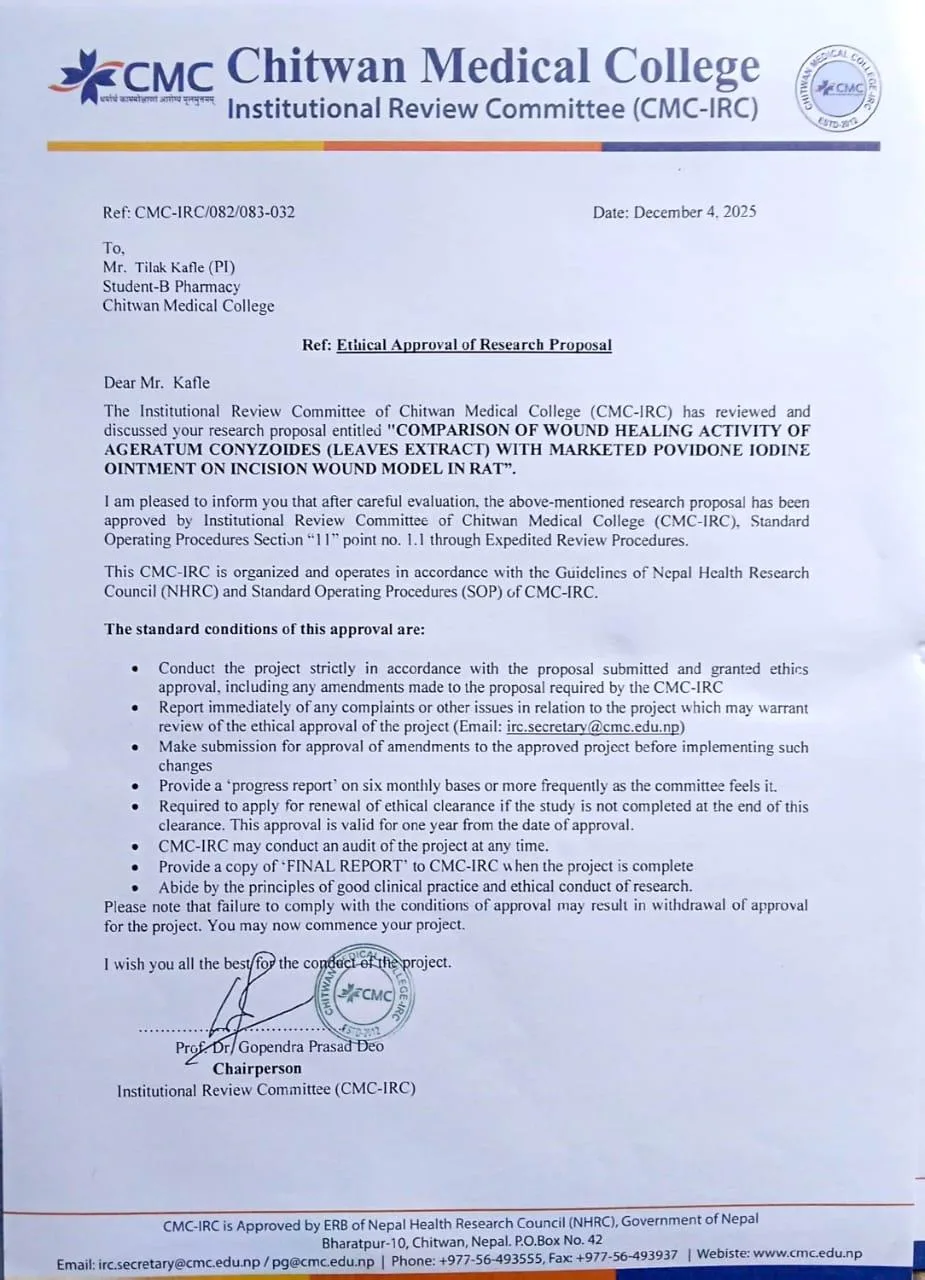
Institutional Review Committee
Chitwan Medical College
Subject: Application for ethical approval
I am going to conduct a research project entitled Comparison of Wound
Healing Activity Of Ageratum Conyzoides With Marketed Povidone Iodine
Ointment On Incision Wound Model In Rat (The entire study (extraction
procedure, phytochemical screening incision in rat) will be conducted in
laboratory of pharmacy of chitwan medical college with the approval of head of
department of pharmacy). I am fully aware about the ethical concern and will
be maintained in the course of study.
I wish to submit the above proposed project for ethical review by the
Institutional Review Committee. I have enclosed all the documents listed in the
checklist.
Thanking you with anticipation of your early response.
Yours Sincerely
Signature: ………….
Name of the Applicant: Tilak Kafle
Signature:
Date:
ii
THESIS APPROVAL
The thesis entitled Comparison of wound healing activity of ageratum
conyzoides (leaves extract) with marketed povidone iodine ointment on
incision wound model in Rat submitted by Mr. Tilak Kafle, in a partial
fulfillment of the requirement for the Degree of Bachelor of Pharmacy, is
approved.
………………………..
Ms. Shila Shrestha
Project Supervisor
/ 64
End of Document
169

FAQs

what is the comparison of wound healing activity of Ageratum Conyzoides with povidone iodine ointment?

The comparison of wound healing activity of Ageratum Conyzoides with povidone iodine ointment investigates the effectiveness of a natural plant extract against a widely used antiseptic.

  • Ageratum Conyzoides is known for its anti-inflammatory and wound healing properties.
  • Povidone iodine is a standard antiseptic used in clinical settings.
  • The study evaluates wound contraction rates in rats treated with both substances.

how effective is Ageratum Conyzoides compared to povidone iodine ointment?

Ageratum Conyzoides demonstrated significant wound healing activity, particularly at higher concentrations, when compared to povidone iodine ointment.

  • The 25% extract formulation showed the highest wound contraction rate of 53.25% on Day 7.
  • Povidone iodine achieved a contraction rate of 48.08% in the same timeframe.
  • This suggests that Ageratum Conyzoides may be a viable alternative for wound management.

what are the findings of the thesis on Ageratum Conyzoides and povidone iodine?

The thesis on the comparison of wound healing activity of Ageratum Conyzoides with povidone iodine presents several key findings.

  • The ethanolic extract of Ageratum Conyzoides exhibited a significant dose-dependent effect on wound healing.
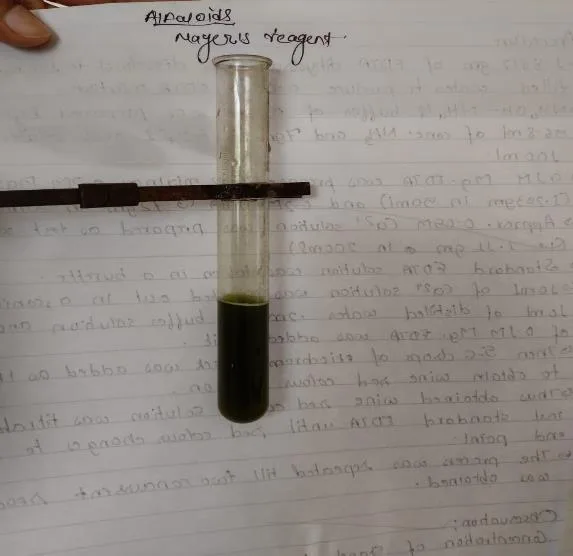
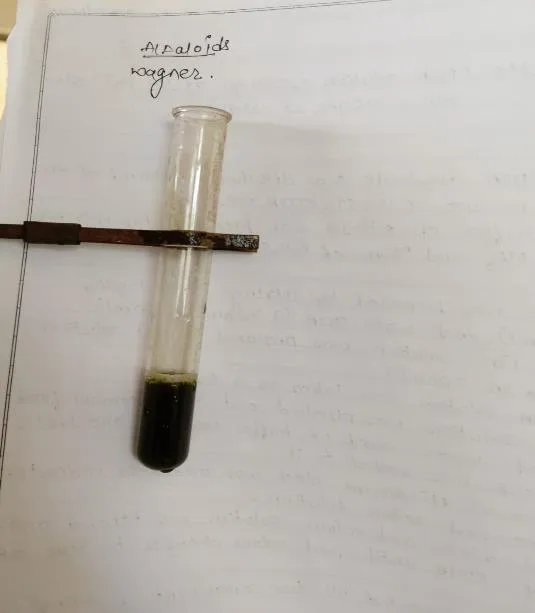
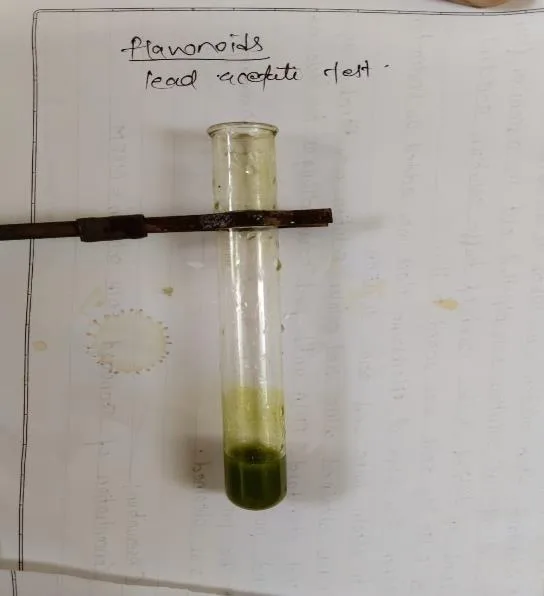
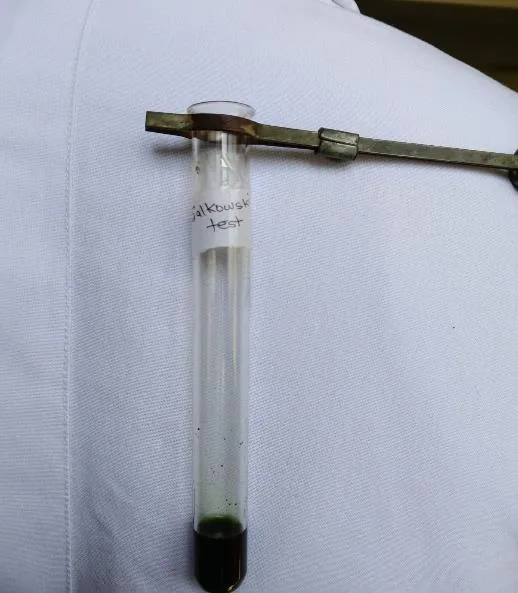
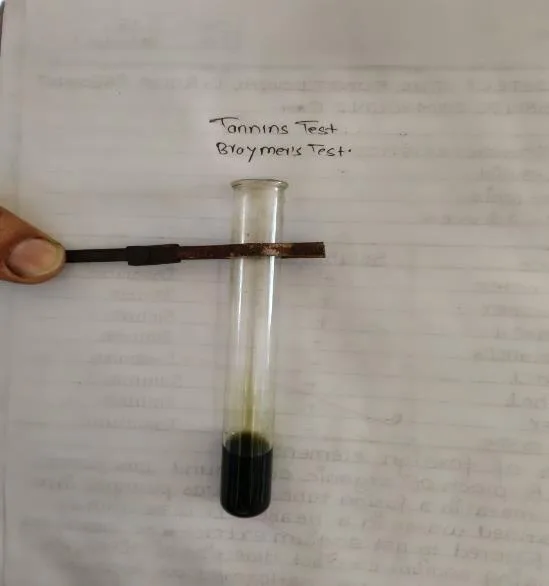
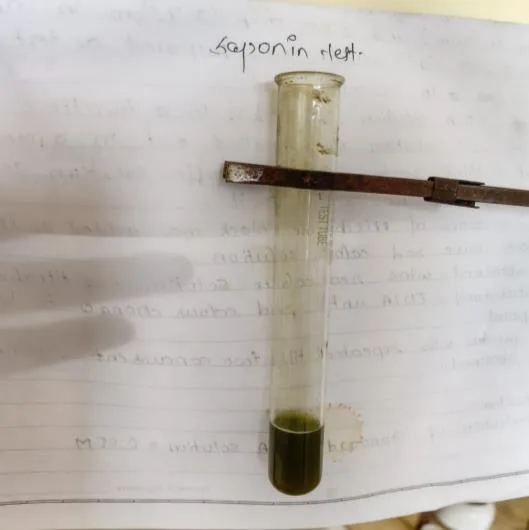
  • Phytochemical screening revealed the presence of beneficial compounds such as alkaloids and flavonoids.
  • The study highlights the potential of Ageratum Conyzoides as a natural alternative in wound care.

what is the methodology used in the study of Ageratum Conyzoides and povidone iodine?

The methodology for comparing the wound healing activity of Ageratum Conyzoides with povidone iodine involved an experimental design using rats.

  • Rats were divided into groups and treated with varying concentrations of Ageratum Conyzoides extract and povidone iodine.
  • Wound contraction was measured at different time intervals.
  • Statistical analysis was performed to assess the significance of the results.

what are the key components of Ageratum Conyzoides that aid in wound healing?

Ageratum Conyzoides contains several key components that contribute to its wound healing properties.

  • Phytochemicals such as alkaloids, flavonoids, and tannins have been identified.
  • These compounds exhibit anti-inflammatory and antimicrobial effects.
  • Their presence supports tissue regeneration and collagen synthesis, crucial for effective wound healing.

how does Ageratum Conyzoides compare to traditional antiseptics like povidone iodine?

Ageratum Conyzoides offers a natural alternative to traditional antiseptics like povidone iodine, showing comparable effectiveness in wound healing.

  • The study found that Ageratum Conyzoides at a 25% concentration outperformed povidone iodine in terms of wound contraction.
  • Both treatments were effective, but Ageratum Conyzoides may provide a safer option with fewer side effects.

what is the significance of the study on Ageratum Conyzoides and wound healing?

The significance of the study lies in its potential to validate the use of Ageratum Conyzoides as an effective wound healing agent.

  • It highlights the importance of exploring herbal remedies in modern medicine.
  • The findings could lead to the development of safer, plant-based wound care treatments.
  • Such alternatives may reduce reliance on synthetic antiseptics, which can have adverse effects.