Challenges of Contemporary Agriculture explores the pressing issues facing modern farming practices, including biotechnology, GMOs, and aquaculture. It addresses the significant barriers to implementing agricultural innovations in developing countries, such as affordability and cultural perceptions. The document also discusses the environmental impacts of aquaculture and the need for sustainable practices in agriculture. This resource is valuable for students and professionals interested in agricultural science, environmental studies, and food security.

Key Points

  • Examines the challenges of biotechnology and GMOs in agriculture
  • Discusses the economic and cultural barriers to agricultural innovations
  • Analyzes the environmental impacts of aquaculture
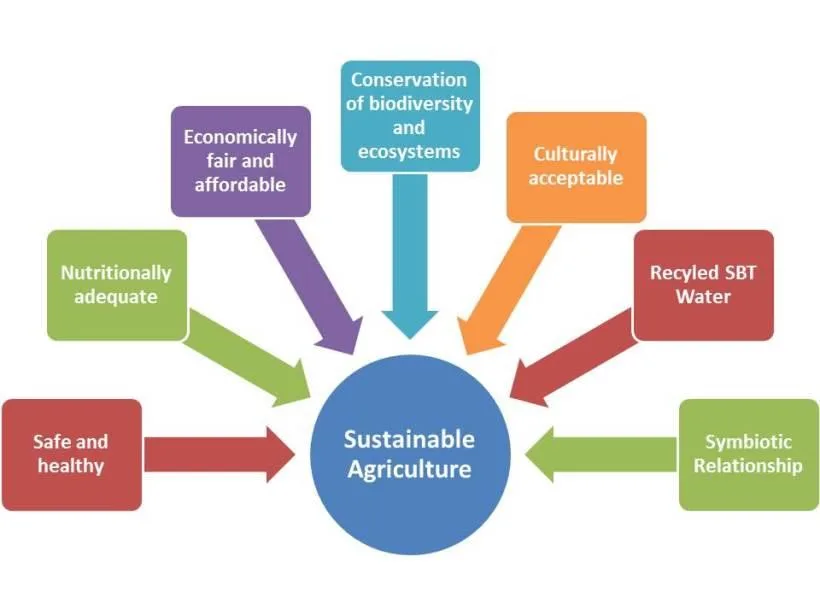
  • Explores the goals of sustainable agriculture and practices
Jacky
28 pages
Language:English
Type:Presentation
Jacky
28 pages
Language:English
Type:Presentation
44
/ 28
Challenges of
Contemporary
Agriculture
RRHS APHG
2025-2026
1
Challenges of Recent Agricultural
Innovations
Innovations
Biotechnology
GMOs
Aquaculture
2
Biotechnology and GMOs
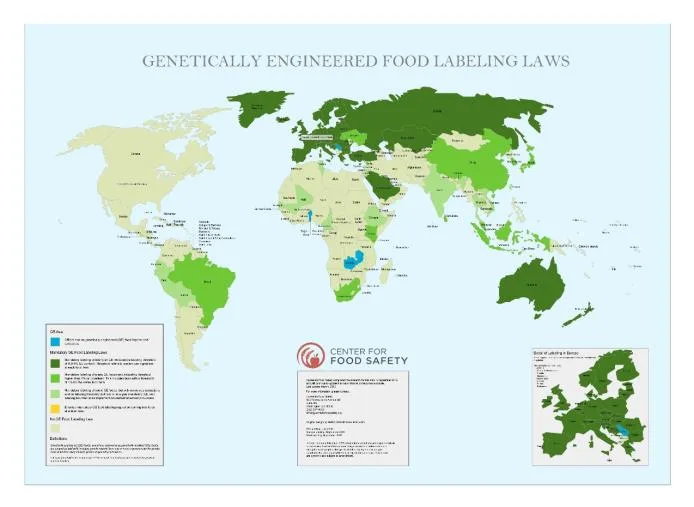
We’ve previously discussed biotechnology and GMOs, and you know that the area of the
world least impacted by these new technologies in agriculture are among the poorest of
countries where a high % of people make their living (i.e., provide food for their family)
working in agriculture. However, there are significant challenges associated with making
these new technologies available where there is existing food insecurity. These challenges
have been identified as challenges that need to be addressed by the National Center for
Biotechnology Information:
1. Developing appropriate seeds: existing biotechnology applications are not appropriate
for conditions in developing countries. These technologies are developed for local
conditions where they are developed, and the conditions are different in other places.
For example herbicides are commonly used to control weeds, but also kill the “good”
plants. So, a company develops an herbicide-resistant plant for market. This new plant
will likely not be widely purchased in Sub-Saharan Africa or the South Asia because this
plant is not adapted to the needs of those regions. For example, manual weed control is a
labor-intensive activity. Herbicide-tolerant plants could possibly take away valuable
wage-labor jobs (especially for women) in countries with a surplus labor force, such as
India. Additionally, the seeds being produced by biotechnology seed companies may not
reflect the local and traditional staple foods of developing countries, as these foods have
little potential for the global market.
3
/ 28
End of Document
44

FAQs

what are the challenges of contemporary agriculture

The challenges of contemporary agriculture include issues related to sustainability, food security, and environmental impact.

  • Sustainability: Modern agricultural practices often lead to soil degradation and water scarcity.

  • Food Security: Many regions face food insecurity due to economic factors and climate change.
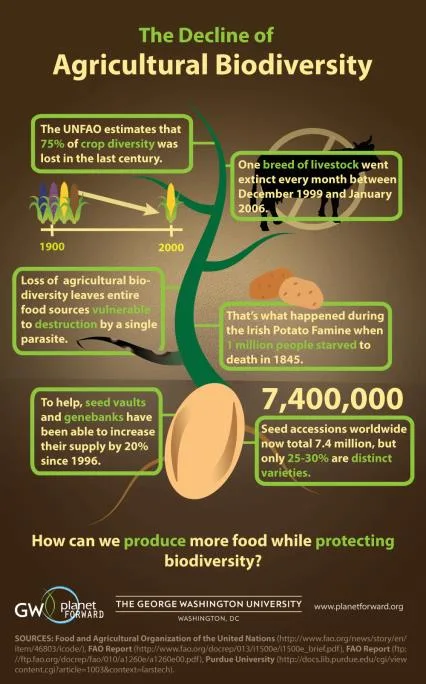
  • Environmental Impact: The use of fertilizers and pesticides contributes to pollution and biodiversity loss.

how does biotechnology affect contemporary agriculture

Biotechnology plays a significant role in contemporary agriculture by introducing innovations like GMOs.

  • Increased Yields: Biotech crops can lead to higher agricultural productivity.
  • Resistance to Pests: Many genetically modified organisms (GMOs) are engineered to resist pests and diseases.
  • Challenges: However, issues such as affordability and cultural acceptance pose challenges for adoption in developing countries.

what are the benefits of aquaculture in contemporary agriculture

Aquaculture offers several benefits within contemporary agriculture, particularly in meeting global fish demand.

  • Job Creation: It creates wage-paying jobs in local communities.
  • Environmental Awareness: Aquaculture promotes the protection of coastal waterways.
  • Pressure Relief: Farmed fish reduce the pressure on wild fish populations.

how does climate change impact contemporary agriculture

Climate change significantly disrupts contemporary agriculture by affecting food availability and quality.

  • Temperature Increases: Rising temperatures can reduce agricultural productivity.
  • Extreme Weather: More frequent extreme weather events can destroy crops.
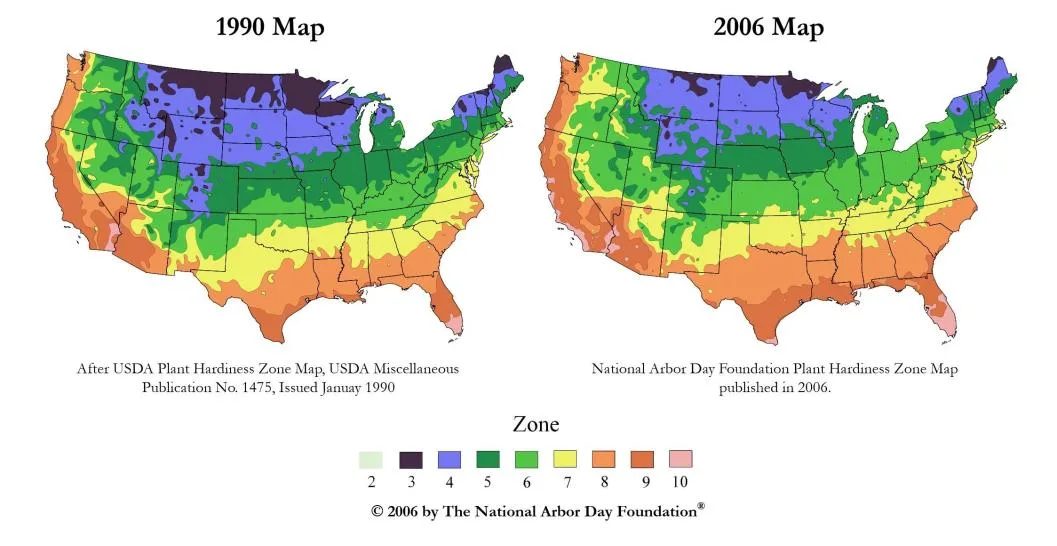
  • Shifting Zones: Climate change may shift agricultural zones, impacting where certain crops can be grown.

what are the effects of extensive fertilizer use in contemporary agriculture

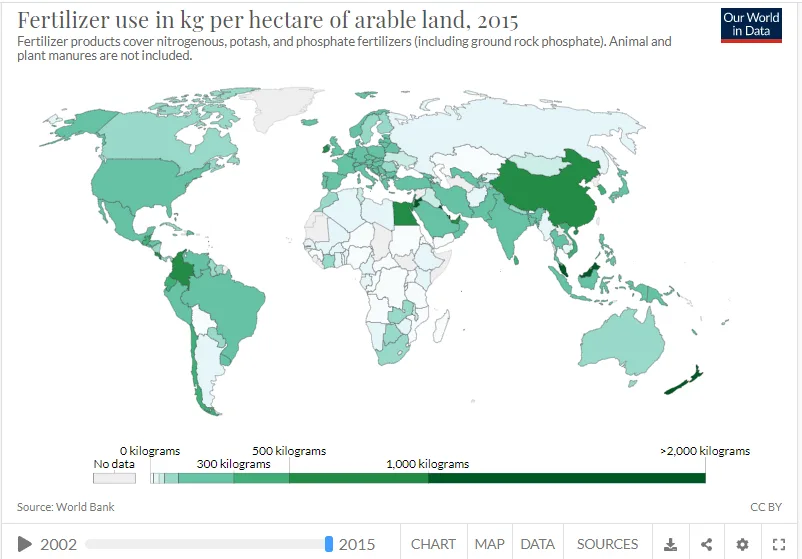
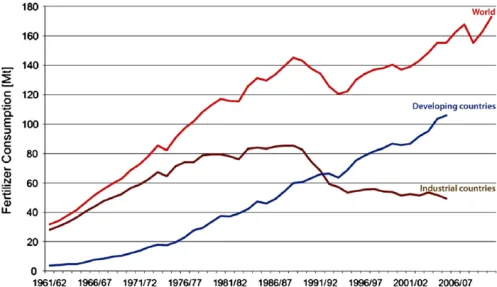
Extensive fertilizer use in contemporary agriculture has both benefits and challenges.

  • Increased Yields: Fertilizers can significantly boost crop yields.
  • Environmental Pollution: However, they also lead to increased pollution of waterways and air.
  • Biodiversity Loss: The use of fertilizers is linked to decreased biodiversity in agricultural ecosystems.

what is sustainable agriculture and its goals

Sustainable agriculture aims to meet society's food needs without compromising future generations.

  • Reducing Runoff: One goal is to reduce agricultural runoff that pollutes waterways.
  • Soil Fertility: It focuses on naturally maintaining soil fertility through nutrient recycling.
  • Water Conservation: Sustainable practices aim to save water and enhance carbon sequestration.

how does urban farming address challenges in contemporary agriculture

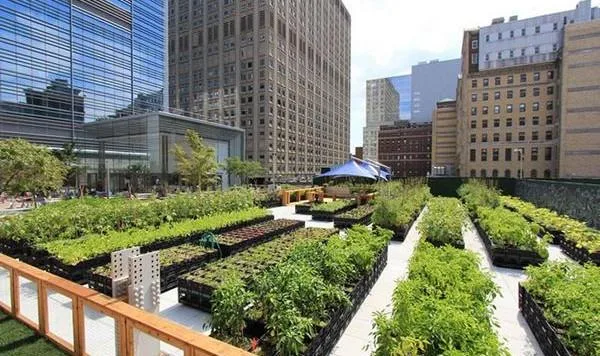
Urban farming addresses several challenges in contemporary agriculture by promoting local food production.

  • Food Security: It improves food security in urban areas and reduces food deserts.
  • Community Engagement: Urban farms foster community pride and belonging.
  • Environmental Benefits: They help improve local environmental conditions by reducing runoff.

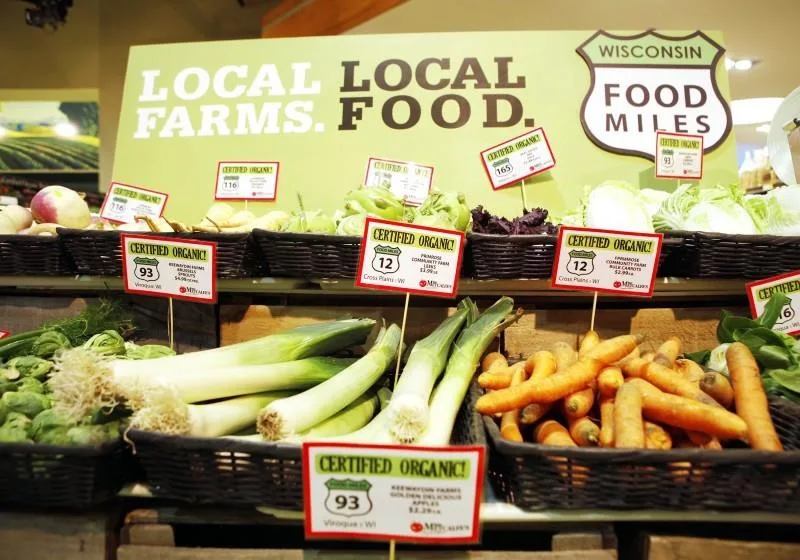
what is community-supported agriculture and its benefits

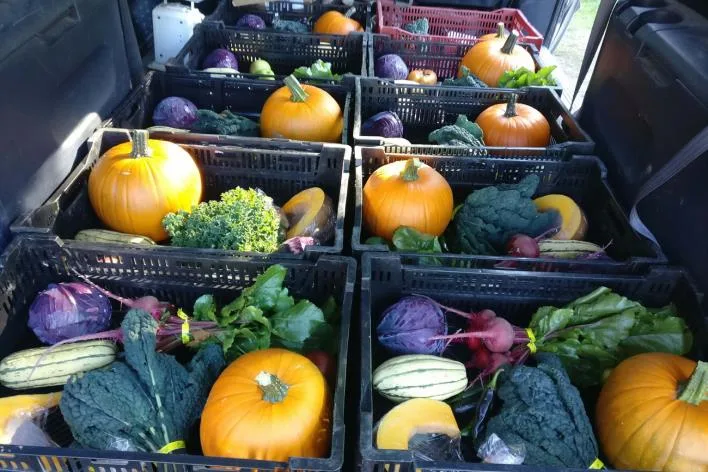
Community-supported agriculture (CSA) connects producers and consumers directly, offering numerous benefits.

  • Stable Income: It provides farmers with a stable income by allowing consumers to subscribe to harvests.
  • Fresh Produce: Subscribers receive fresh, seasonal produce directly from local farms.
  • Community Connection: CSAs strengthen community ties and promote local food systems.

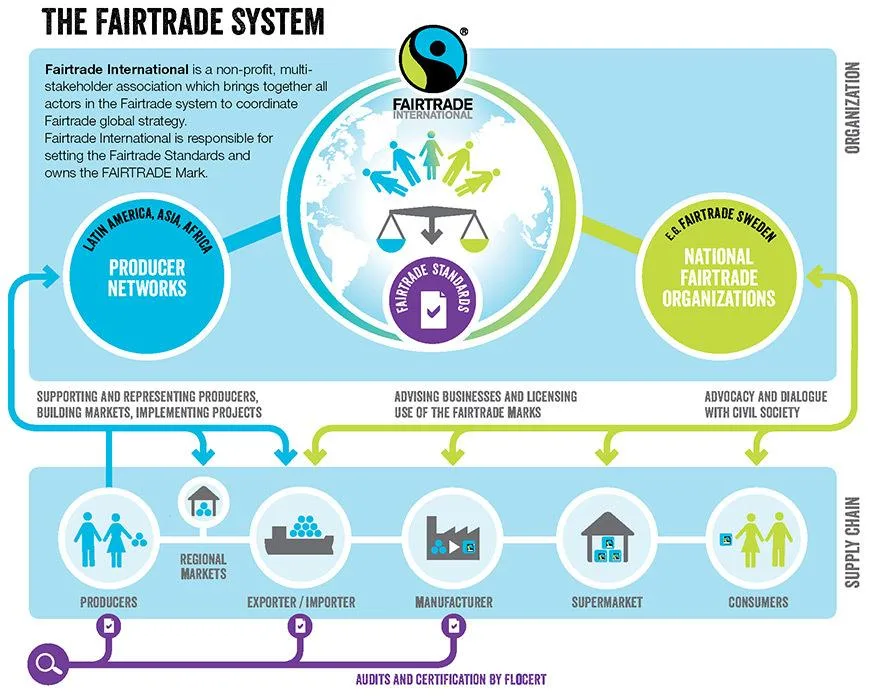
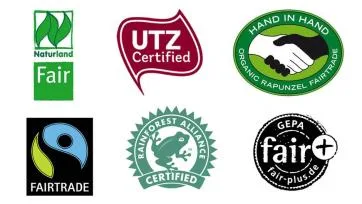
what are the key points of fair trade in contemporary agriculture

Fair trade focuses on equitable trading practices between developed and developing countries.

  • Fair Prices: Producers receive fair prices that cover sustainable production costs.

  • Market Access: It enables small-scale farmers to access markets that would otherwise be closed to them.


  • Empowerment: Fair trade empowers farmers and workers through education and involvement in decision-making.

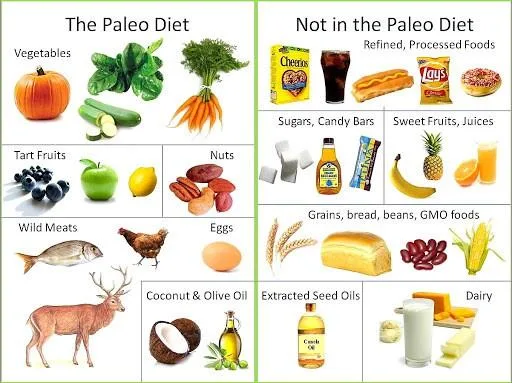
how do dietary shifts affect contemporary agriculture

Dietary shifts significantly influence contemporary agriculture by changing consumer preferences.

  • Health Trends: Increasing awareness of health leads consumers to seek organic and specialty products.
  • Generational Gaps: Different generations have varying food preferences, affecting what is produced.
  • Food Fads: Popular diets can rapidly shift demand for certain crops, impacting agricultural practices.