Les rythmes et les danses du Togo, centrés sur l’ethnie Ewe, explorent l’origine, la culture et les traditions de ce peuple d’Afrique de l’Ouest. Ce document présente l’histoire des Ewe, leur migration depuis Notsé, et leur installation dans le sud du Togo, le Ghana et le Bénin. Il aborde également les fêtes traditionnelles, telles que Hogbetsotso et le Yam Festival, ainsi que les danses emblématiques comme Agbadza et Gahu. Destiné aux étudiants et aux passionnés de culture africaine, ce contenu met en lumière l’identité et les pratiques culturelles des Ewe.

Key Points

  • Explores the cultural significance of the Ewe ethnic group in Togo
  • Details the history and migration patterns of the Ewe people
  • Highlights traditional festivals like Hogbetsotso and Yam Festival
  • Describes traditional dances such as Agbadza and Gahu
Godwin God
4 pages
Language:French
Type:Textbook
Godwin God
4 pages
Language:French
Type:Textbook
165
/ 4
E X P O S É
D E
M U S I Q U E
Thème
2
:
Rythme
et
Danse
Les rythmes et les dansesLes rythmes et les danses
du Togodu Togo
Leçon 4
E t h n i e : E w e
C H A R G É
D U
C O U R S
Mr
AGBASSA
C L A S S E
4
e
A
𝄞
L E Ç O N
4
·
T H È M E
2
Les rythmes et les danses du Togo Ethnie Ewe
Origine des Ewe
Les
Ewe
sont
un
peuple
d
'
Afrique
de
l
'
Ouest
appartenant
au
groupe
culturel
Adja
-
Tado
.
Selon
les
historiens
et
les
traditions
:
Leur
histoire
commence
surtout
dans
la
ville
de
Notsé
(
au
sud
du
Togo
).
Avant
cela
,
leurs
ancêtres
venaient
probablement
de
Tado
(
zone
entre
le
Togo
et
le
Bénin
actuels
).
Certains
récits
parlent
aussi
de
migrations
depuis
des
régions
comme
Kétu
(
chez
les
Yoruba
).
Notsé
est
considéré
comme
le
véritable
berceau
des
Ewe
.
Quand sont-ils venus au Togo ?
Les
Ewe
étaient
déjà
dans
la
région
depuis
le
XV
e
siècle
(
fondation
de
Notsé
).
Leur
grande
dispersion
(
migration
)
a
eu
lieu
à
la
fin
du
XVI
e
siècle
XVII
e
siècle
,
surtout
sous
le
règne
du
roi
Agokoli
.
Ils
ont
quitté
Notsé
à
cause
de
la
tyrannie
du
roi
.
Lieux d'installation
Après
leur
départ
de
Notsé
,
les
Ewe
se
sont
dispersés
:
Sud
du
Togo
(
Lomé
,
Aného
,
Kpalimé
...)
Sud
du
Ghana
(
région
de
la
Volta
)
Sud
du
Bénin
Aujourd
'
hui
,
ils
occupent
toute
la
zone
côtière
entre
la
Volta
et
le
Mono
.
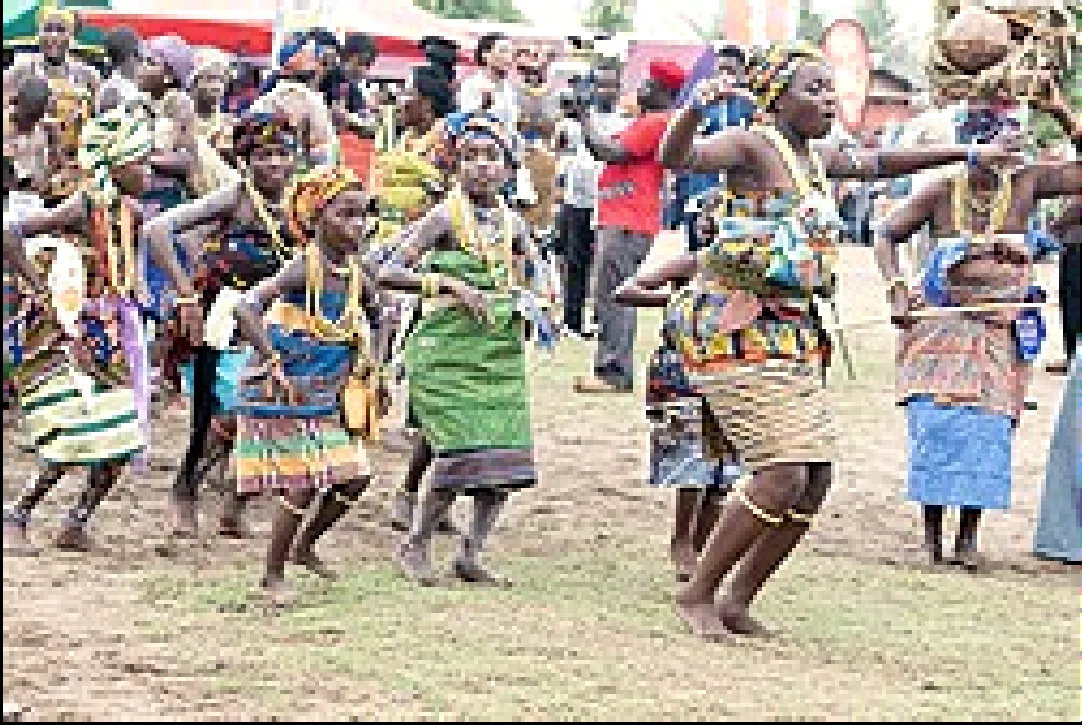
Fêtes et danses
Les
Ewe
ont
plusieurs
fêtes
traditionnelles
importantes
:
Agbogbo
-
Za
célèbre
la
sortie
de
Notsé
(
exode
)
Hogbetsotso
fête
des
Anlo
-
Ewe
(
au
Ghana
)
Yam
Festival
(
fête
des
ignames
)
Danses
traditionnelles
:
Agbadza
Kinka
Gahu
Ces
fêtes
rappellent
leur
histoire
et
renforcent
leur
identité
.
Mode de vie
Traditionnellement
:
Agriculture
(
maïs
,
igname
,
manioc
)
Pêche
(
surtout
sur
la
côte
)
Artisanat
(
tissage
,
sculpture
)
Vie
communautaire
très
forte
Société
basée
sur
la
famille
et
le
respect
des
anciens
.
Les chefs
Chaque
village
ou
région
a
un
chef
appelé
Togbui
(
roi
traditionnel
).
Le
pouvoir
est
hiérarchisé
.
Les
chefs
travaillent
avec
un
conseil
de
sages
.
Le
roi
de
Notsé
est
une
autorité
importante
au
sein
de
la
communauté
Ewe
.
Religion
Les
Ewe
pratiquent
:
Religion
traditionnelle
:
Dieu
suprême
:
Mawu
Divinités
intermédiaires
(
Vodun
)
Culte
des
ancêtres
Religions
modernes
:
Christianisme
/ 4
End of Document
165

FAQs

what are the rhythms and dances of Togo in the Ewe culture

The rhythms and dances of Togo, particularly among the Ewe people, are vibrant expressions of their cultural heritage.

  • Agbogbo-Za: Celebrates the exodus from Notsé.
  • Hogbetsotso: A festival of the Anlo-Ewe in Ghana.
  • Yam Festival: Celebrates the yam harvest.
  • Traditional Dances: Include Agbadza, Kinka, and Gahu.

what is the significance of the Ewe festivals in Togo

The Ewe festivals in Togo hold significant cultural importance, reflecting their history and identity.

  • Agbogbo-Za: Commemorates the migration from Notsé.
  • Hogbetsotso: Celebrates unity among the Anlo-Ewe.
  • Yam Festival: Honors agricultural success and community togetherness.

how did the Ewe people migrate to Togo

The Ewe people migrated to Togo primarily during the 16th and 17th centuries.

  • They left Notsé due to the tyranny of King Agokoli.
  • Migration routes included the southern regions of Togo, Ghana, and Benin.
  • Today, they inhabit the coastal areas between the Volta and Mono rivers.

what is the traditional lifestyle of the Ewe people in Togo

The traditional lifestyle of the Ewe people is centered around agriculture, fishing, and community life.

  • Agriculture: Main crops include maize, yams, and cassava.
  • Fishing: Particularly important along the coast.
  • Artisan Crafts: Include weaving and sculpture.
  • Community Life: Strong emphasis on family and respect for elders.

who are the leaders in Ewe society

In Ewe society, leadership is organized around traditional chiefs known as Togbui.

  • Each village has a chief who oversees local governance.
  • Leadership is hierarchical, with a council of elders assisting the chief.
  • The king of Notsé holds significant authority within the Ewe community.

what are the religious beliefs of the Ewe people

The Ewe people practice a mix of traditional and modern religions.

  • Traditional Beliefs: Worship of a supreme deity, Mawu, along with various Vodun spirits.
  • Modern Religions: Include Christianity and a minority of Islam.
  • Many Ewe combine traditional practices with modern faiths.

what is the economic structure of the Ewe community

The economic structure of the Ewe community is primarily based on agriculture and local trade.

  • Agriculture: The backbone of their economy, focusing on staple crops.
  • Commerce: Involves local and regional trade.
  • Artisan Crafts: Such as textiles and pottery, contribute to their economy.

what is the history of the Ewe people in Togo

The history of the Ewe people in Togo dates back to their establishment in Notsé during the 15th century.

  • They are believed to have migrated from Tado, between present-day Togo and Benin.
  • Their major migration occurred in the late 16th century due to political strife.
  • Today, they occupy a significant coastal region in West Africa.

what are the traditional dances of the Ewe people

The traditional dances of the Ewe people are integral to their cultural expressions.

  • Agbadza: A dance often performed at celebrations.
  • Kinka: A dance that showcases community spirit.
  • Gahu: A lively dance reflecting joy and festivity.