Electronic Devices and Circuits is a foundational course for engineering students focusing on the principles of operation, analysis, and design of electronic components such as diodes, BJTs, and FETs. This course is essential for students in Electronics and Communication Engineering, Electrical and Electronics Engineering, Computer Science Engineering, and Information Technology. It covers topics including diode rectification, transistor configurations, and amplifier circuits, providing a comprehensive understanding necessary for circuit branch engineers. The content is prepared by experienced faculty from Malla Reddy College of Engineering & Technology, ensuring high-quality educational material for first-semester students.

Key Points

  • Covers fundamental concepts of electronic devices including diodes and transistors.
  • Explains the operation and design of BJT and FET amplifier circuits.
  • Includes practical applications of diodes as rectifiers and filter circuits.
  • Designed for II B.Tech students in ECE, EEE, CSE, and IT programs.
Thruptha Rao Lingampally
Author:Dr.S.Srinivasa Rao, Mr K.Mallikarjuna Lingam, Mr R.Chinna Rao, Mr E.Mahendar Reddy, Mr V Shiva Rajkumar, Mr KLN Prasad, Mr M Anantha Gupta
165 pages
Language:English
Type:Textbook
Thruptha Rao Lingampally
Author:Dr.S.Srinivasa Rao, Mr K.Mallikarjuna Lingam, Mr R.Chinna Rao, Mr E.Mahendar Reddy, Mr V Shiva Rajkumar, Mr KLN Prasad, Mr M Anantha Gupta
165 pages
Language:English
Type:Textbook
398
/ 165
ELECTRONIC DEVICES & CIRCUITS
II B.TECH I SEMESTER
(COMMON FOR ECE/EEE/CSE/IT)
DEPARTMENT OF ELECTRONICS & COMMUNICATION ENGINEERING
MALLA REDDY COLLEGE OF ENGINEERING & TECHNOLOGY
Autonomous Institution UGC, Govt. of India
(Affiliated to JNTU, Hyderabad, Approved by AICTE - Accredited by NBA & NAAC ‘A’ Grade - ISO 9001:2008 Certified)
Maisammaguda, Dhulapally (Post Via Hakimpet), Secunderabad 500100
PREPARED BY
Dr.S.SRINIVASA RAO, Mr K.MALLIKARJUNA LINGAM, Mr R.CHINNA RAO, Mr E.MAHENDAR REDDY
Mr V SHIVA RAJKUMAR, MR KLN PRASAD, MR M ANANTHA GUPTHA,
(R15A0401) ELECTRONIC DEVICES AND CIRCUITS
OBJECTIVES
This is a fundamental course, basic knowledge of which is required by all the circuit branch engineers
.this course focuses:
1. To familiarize the student with the principal of operation, analysis and design of junction
diode .BJT and FET transistors and amplifier circuits.
2. To understand diode as a rectifier.
3. To study basic principal of filter of circuits and various types
UNIT-I
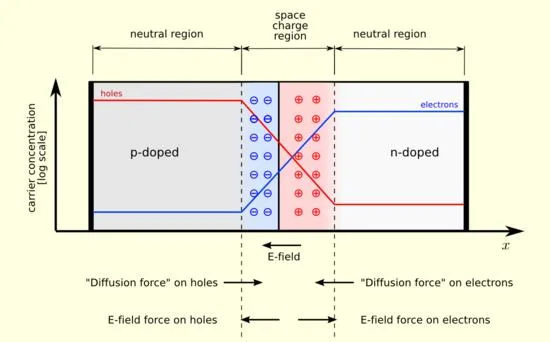
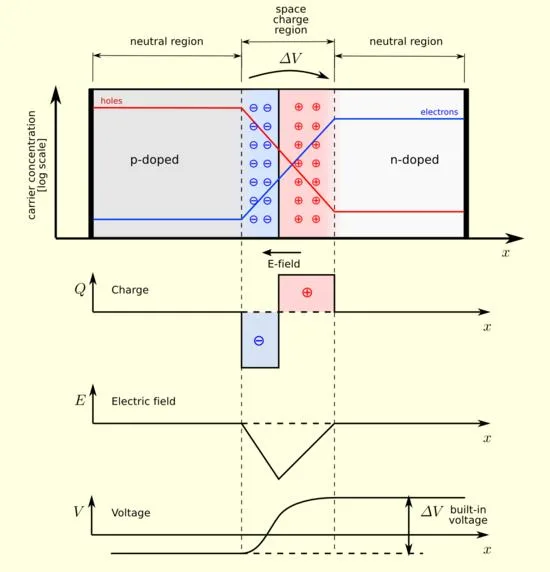
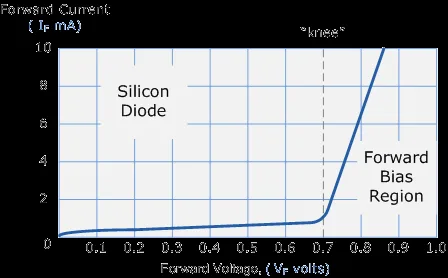
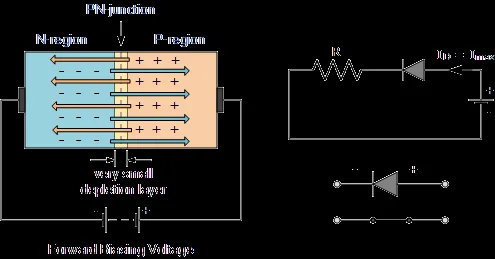
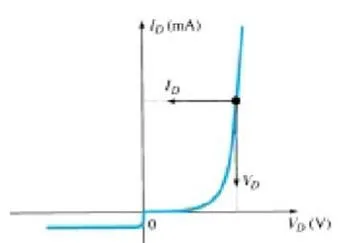
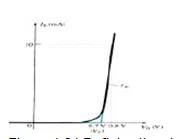
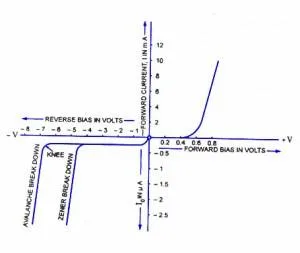
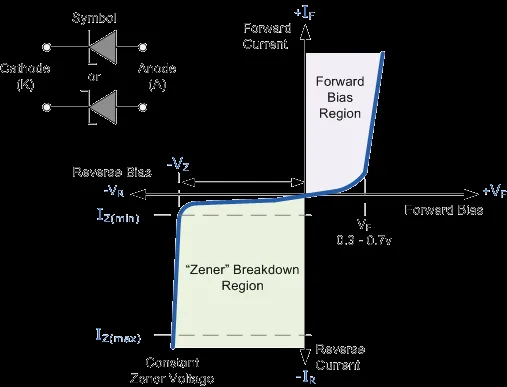
P-N Junction diode: Qualitative Theory of P-N Junction, P-N Junction as a diode , diode equation , volt-
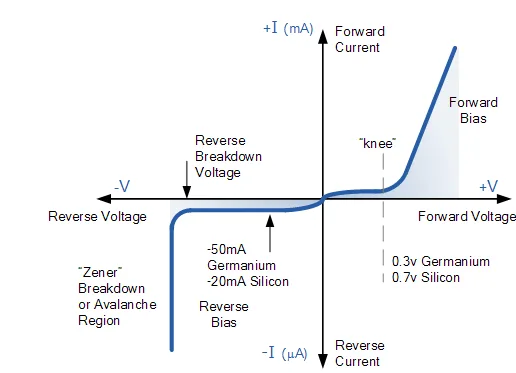
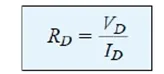
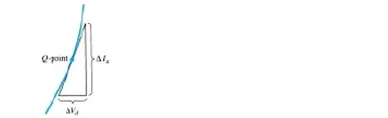
amper characteristics temperature dependence of V-I characteristic , ideal versus practical resistance
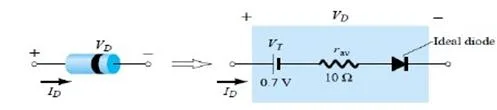
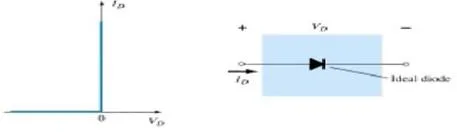
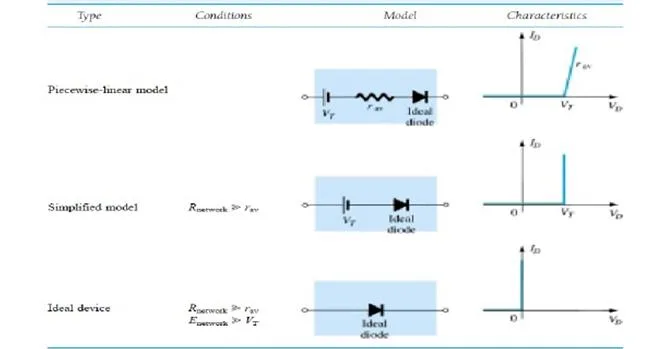
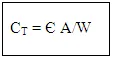
levels( static and dynamic), transition and diffusion capacitances, diode equivalent circuits, load line
analysis ,breakdown mechanisms in semiconductor diodes , zener diode characteristics.
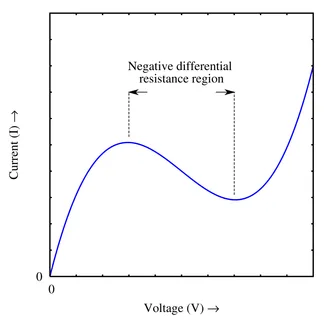
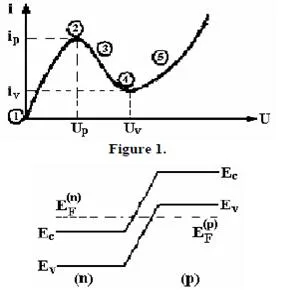
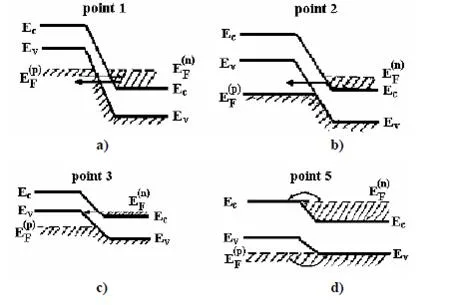
Special purpose electronic devices: Principal of operation and Characteristics of Tunnel Diode with the
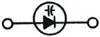
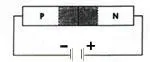
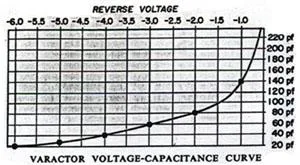
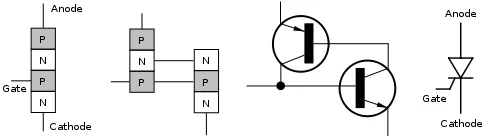
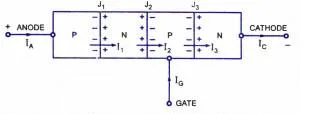
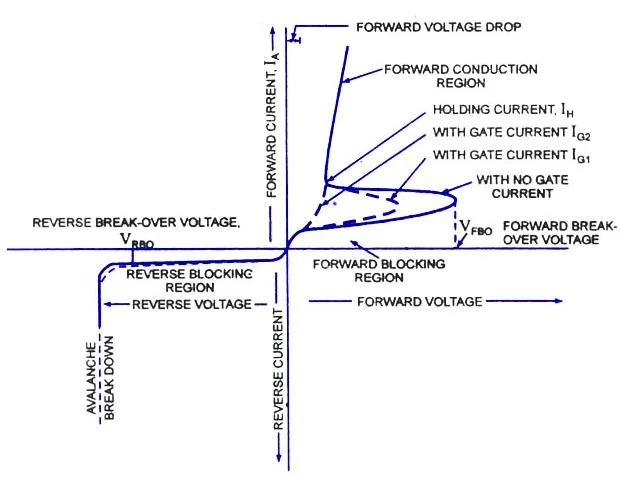
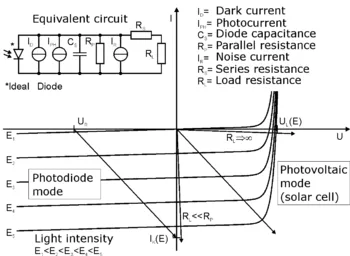
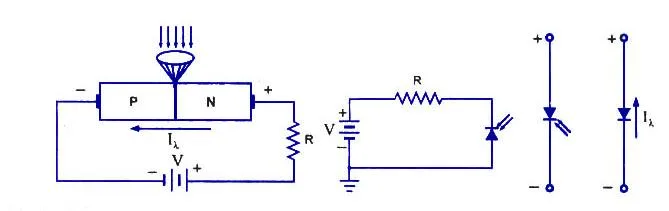
help of energy band diagrams, Varactar Diode, SCR and photo diode
UNIT-II
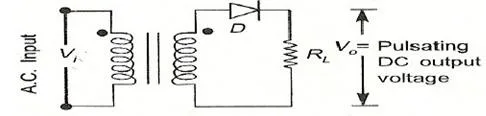
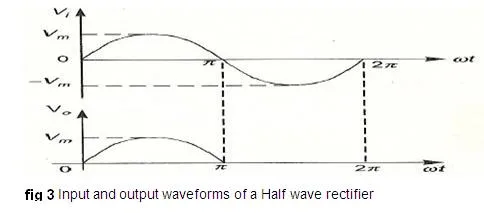
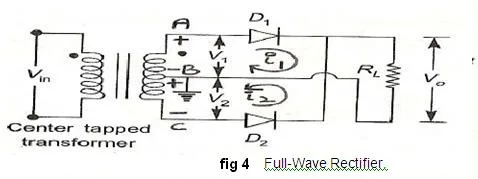
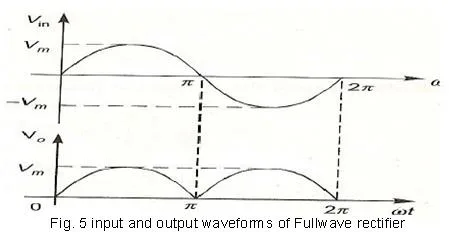
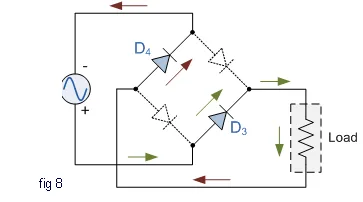
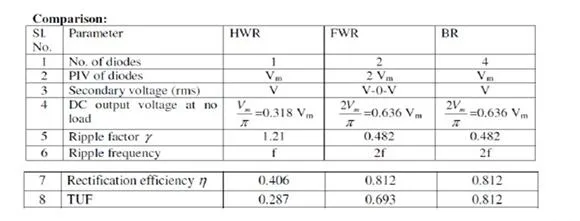
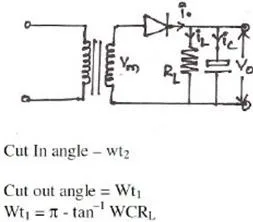
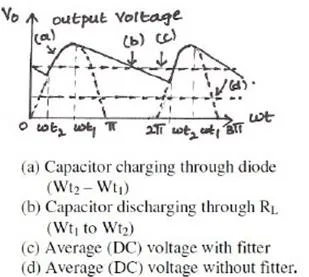
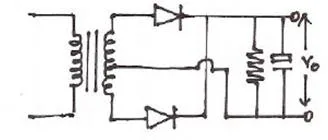
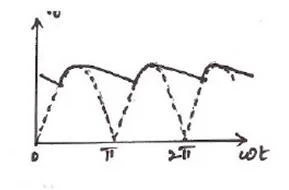
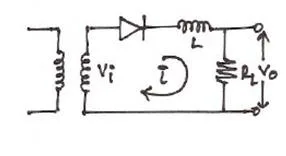
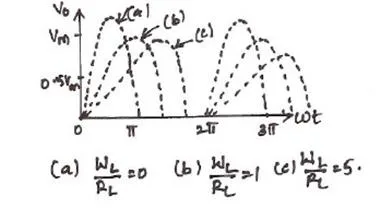
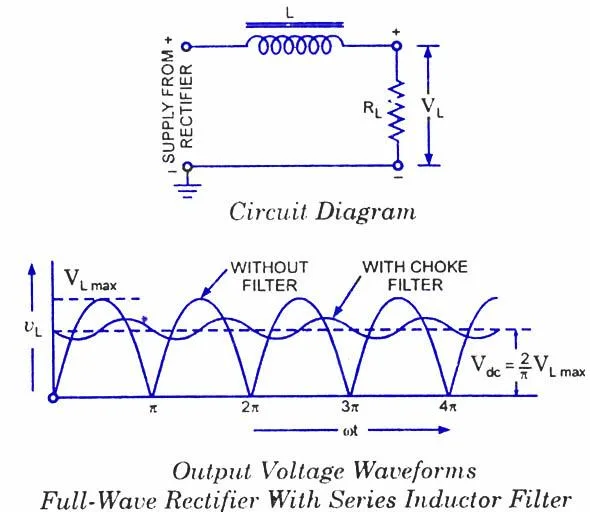
RECTIFIERS, FILTERS: P-N Junction as a rectifier ,Half wave rectifier, , full wave rectifier, Bridge rectifier
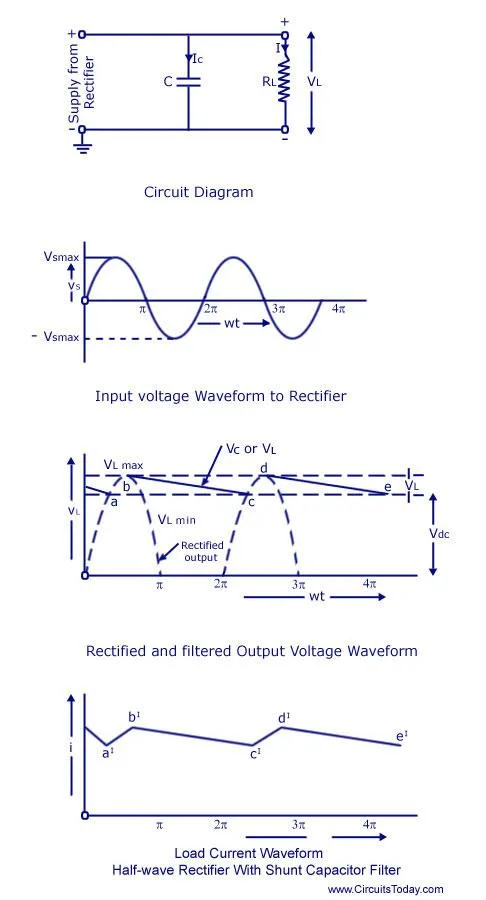
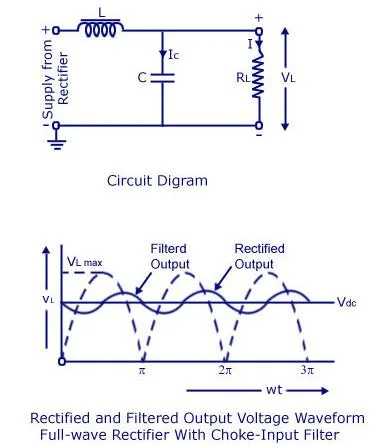
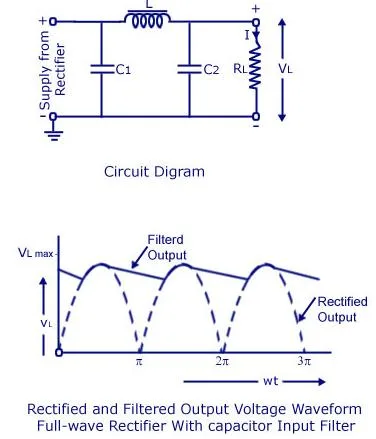
, Harmonic components in a rectifier circuit, Inductor filter, Capacitor filter, L- section filter, - section
filter and comparison of various filter circuits, Voltage regulation using zener diode.
UNIT-III
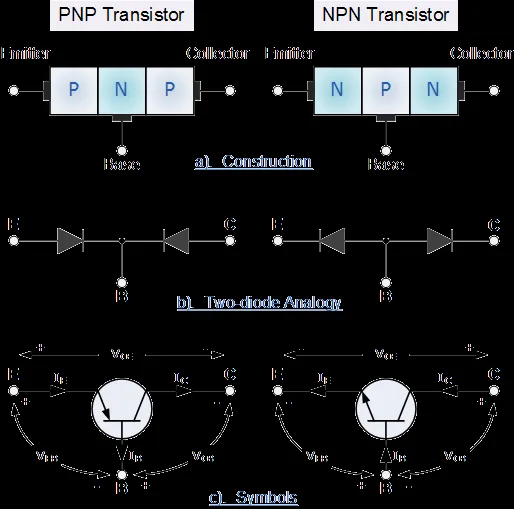
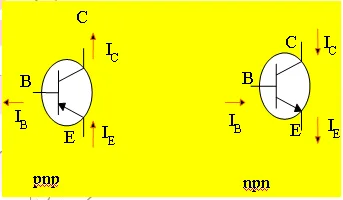
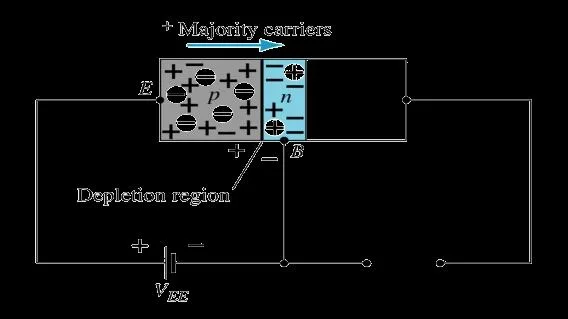
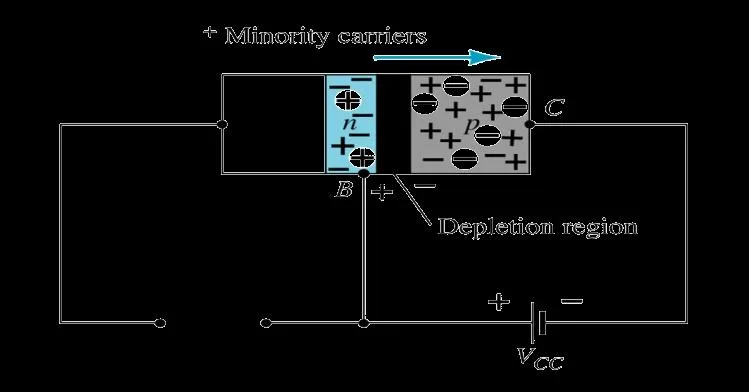
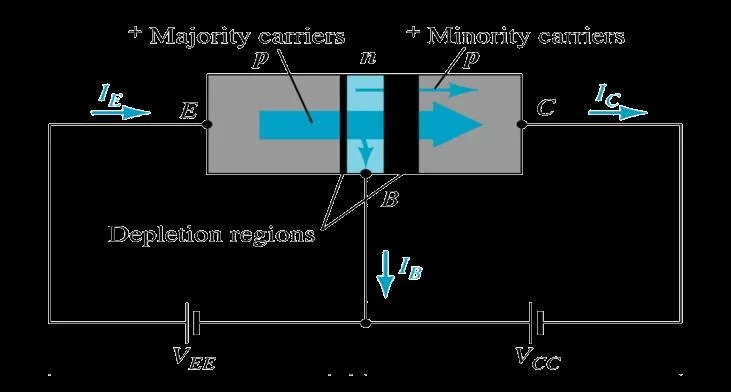
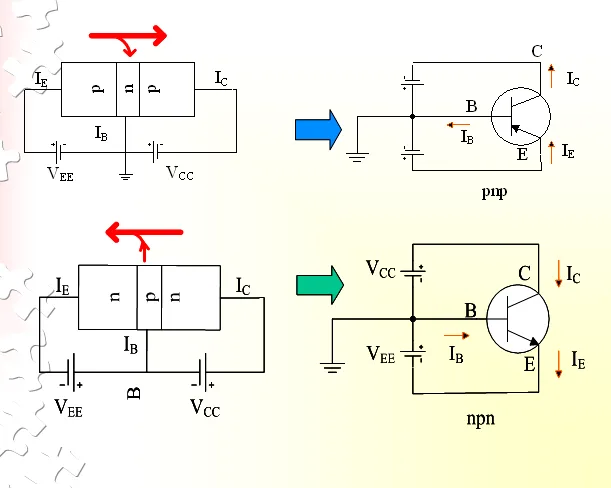
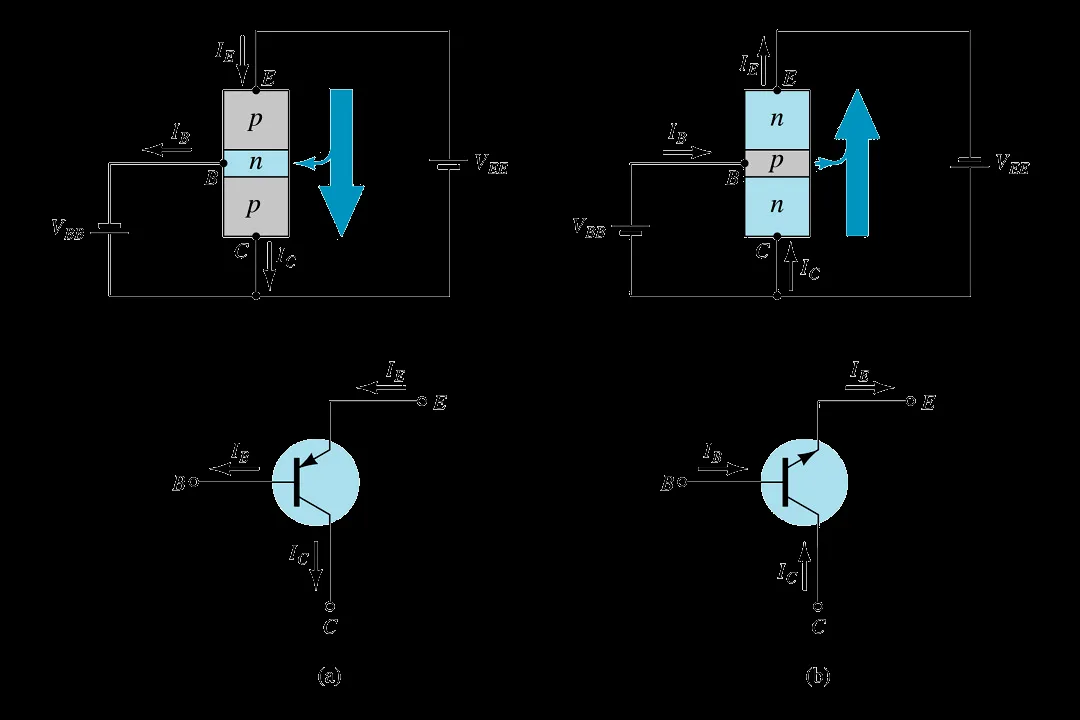
BIPOLAR JUNCTION TRANSISTOR: The Junction transistor, Transistor current components, Transistor
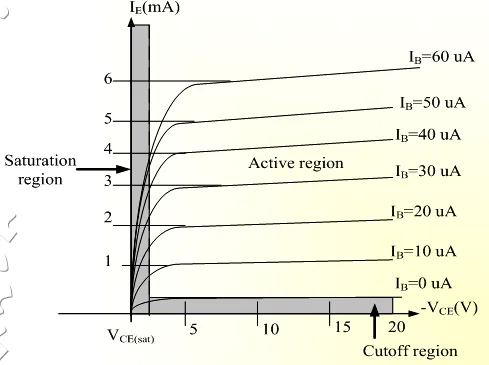
as an amplifier, Transistor construction, Input and Output characteristics of transistor in Common Base,
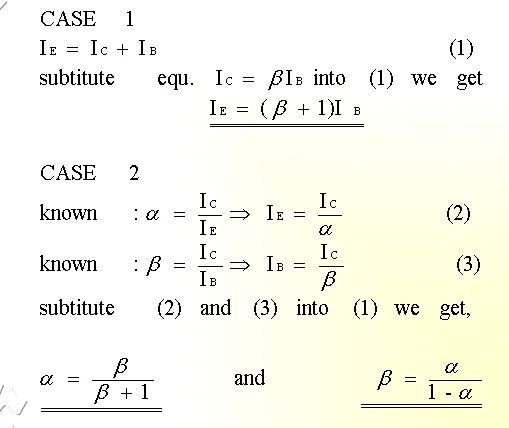
Common Emitter, and Common collector configurations. α and β Parameters and the relation between
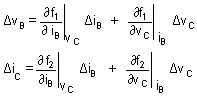
them, BJT Specifications. BJT Hybrid Model, h-parameter representation of a transistor, Analysis of
single stage transistor amplifier using h-parameters: voltage gain, current gain, Input impedance and
Output impedance. Comparison of transistor configurations in terms of Ai, Ri ,Av,and Ro,
UNIT-IV
TRANSISTOR BIASING AND STABILISATION: Operating point , the D.C and A.C Load lines, Need for
biasing , criteria for fixing, operating point, B.J.T biasing, Fixed bias, Collector to base bias ,Self bias
techniques for stabilization, Stabilization factors, (s, s
I
, s
II
), Bias Compensation using diode and
transistor , (Compensation against variation in V
BE
, I
CO
,) Thermal run away, Condition for Thermal
stability.
UNIT-V
FIELD EFFECT TRANSISTOR AND FET AMPLIFIER
JFET (Construction, principal of Operation and Volt Ampere characteristics). Pinch- off voltage-Small
signal model of JFET. FET as Voltage variable resistor, Comparison of BJT and FET. MOSFET
(Construction, principal of Operation and symbol), MOSFET characteristics in Enhancement and
Depletion modes. FET Amplifiers: FET Common source Amplifier, Common Drain Amplifier,
Generalized FET Amplifier, FET biasing.
TEXT BOOKS:
1. Integrated Electronics Analog Digital Circuits, Jacob Millman and D. Halkias, McGraw Hill.
2. Electronic Devices and Circuits Theory, Boylsted, Prentice Hall Publications.
3. Electronic Devices and Circuits, S.Salivahanan,N.Suresh kumar, McGraw Hill.
4. Electronic Devices and Circuits,Balbir kumar ,shail b.jain, PHI Privated Limted, Delhi.

REFERENCE BOOKS:
1. Electronic Devices and Circuits,K.Lal Kishore B.S Publications
2. Electronic Devices and Circuits, G.S.N. Raju, I.K. International Publications, New Delhi, 2006.
3. Electronic Devices and Circuits,A.P Godse, U.A Bakshi , Technical Publications
4. Electronic Devices and Circuits K.S. Srinivasan Anurdha Agencies
OUTCOMES:
At the end of the course, the student will be able to:
1. Understand and Analyse the different types of diodes, operation and its characteristics
2. Design and analyse the DC bias circuitry of BJT and FET
3. Design biasing circuits using diodes and transistors.
4. To analyze and design diode application circuits, amplifier circuits and oscillators employing BJT,
FET devices.
/ 165
End of Document
398

FAQs

what is Electronic Devices and Circuits about

Electronic Devices and Circuits is a comprehensive textbook that covers essential concepts in electronics, focusing on the operation and design of various electronic devices.

  • It includes topics such as diodes, transistors, and amplifiers.
  • The book emphasizes practical applications and circuit analysis.
  • Students will learn about biasing techniques, feedback mechanisms, and stability in electronic circuits.

what are the key topics in Electronic Devices and Circuits

The key topics in Electronic Devices and Circuits include the fundamentals of semiconductor physics, device characteristics, and circuit design.

  • P-N junction diodes and their applications.
  • Bipolar Junction Transistors (BJTs) and their configurations.
  • Field Effect Transistors (FETs) and their operational principles.
  • Rectifiers, filters, and voltage regulation techniques.

how to bias a BJT in Electronic Devices and Circuits

Biasing a BJT is crucial for ensuring it operates in the active region for amplification.

  • Common methods include fixed bias, emitter feedback, and voltage divider bias.
  • Each method has its merits and demerits regarding stability and complexity.
  • Proper biasing helps maintain the Q-point against variations in temperature and transistor parameters.

what is the significance of the Q-point in Electronic Devices and Circuits

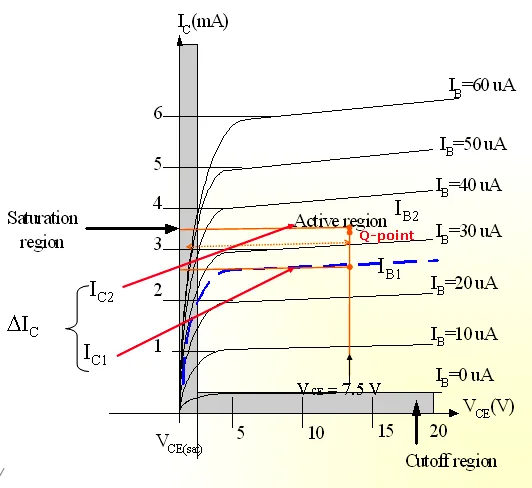
The Q-point, or quiescent point, is vital in transistor circuits as it determines the operating state of the transistor.

  • It ensures that the transistor remains in the active region for linear amplification.
  • Stability of the Q-point is essential to prevent distortion in the output signal.
  • Designing the Q-point involves selecting appropriate biasing techniques to accommodate temperature variations and device parameters.

what are the differences between JFET and MOSFET in Electronic Devices and Circuits

JFETs and MOSFETs are both types of field-effect transistors, but they operate differently.

  • JFETs are controlled by the voltage applied to the gate, while MOSFETs have an insulated gate and can operate in enhancement or depletion modes.
  • JFETs typically have lower input impedance compared to MOSFETs.
  • MOSFETs are more widely used in integrated circuits due to their high input impedance and low power consumption.

how does feedback affect transistor biasing in Electronic Devices and Circuits

Feedback plays a critical role in stabilizing the biasing of transistors.

  • Negative feedback can help maintain the Q-point by counteracting changes in temperature or transistor parameters.
  • In circuits like emitter feedback bias, feedback reduces the gain but enhances stability.
  • Proper feedback mechanisms ensure consistent performance across varying conditions.

what is the role of the load line in Electronic Devices and Circuits

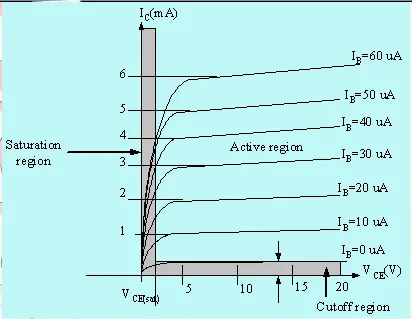
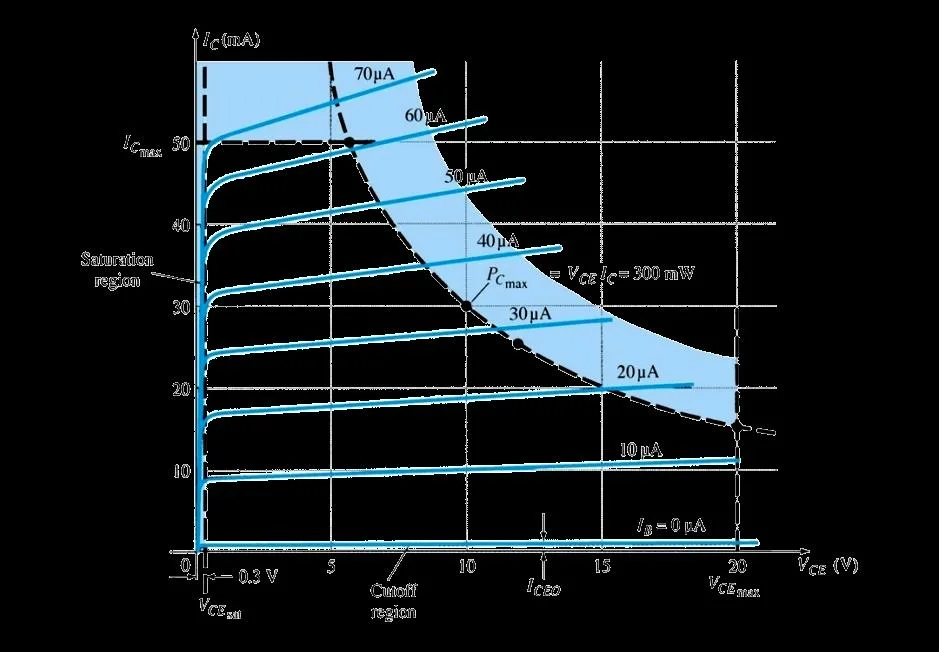
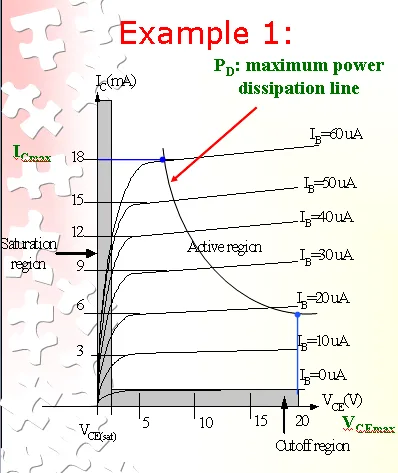
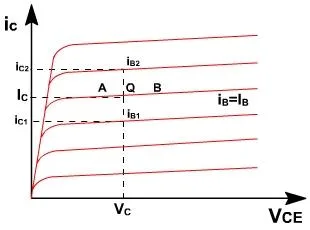
The load line is a graphical representation that helps analyze the operation of a transistor circuit.

  • It shows the relationship between collector current (Ic) and collector-emitter voltage (Vce).
  • The intersection of the load line with the transistor's output characteristics indicates the Q-point.
  • Understanding the load line helps in designing circuits that avoid saturation and cutoff regions.

what are the applications of FET in Electronic Devices and Circuits

Field Effect Transistors (FETs) have various applications in electronic circuits.

  • They are used as amplifiers in audio and radio frequency applications.
  • FETs serve as switches in digital circuits due to their high input impedance.
  • They are also utilized in voltage variable resistors (VVR) for automatic gain control (AGC) in amplifiers.

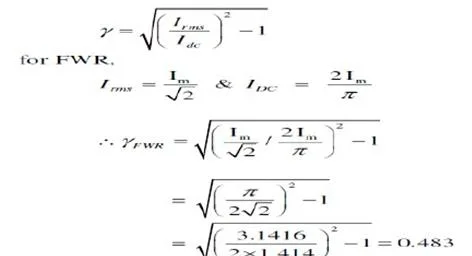
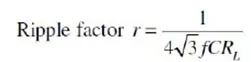
how to calculate the ripple factor in Electronic Devices and Circuits

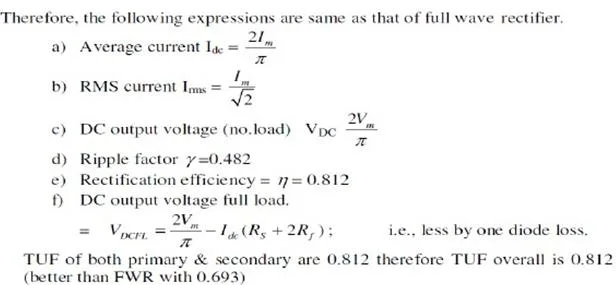
The ripple factor is a measure of the AC component present in the output of a rectifier.

  • It can be calculated using the formula: Ripple Factor (γ) = Vrms / Vdc.
  • Where Vrms is the RMS value of the AC component and Vdc is the average DC output voltage.
  • Lower ripple factors indicate better filtering and smoother DC output.

what is the difference between enhancement and depletion MOSFETs in Electronic Devices and Circuits

Enhancement and depletion MOSFETs differ primarily in their operational modes.

  • Enhancement MOSFETs require a positive gate-source voltage to create a conductive channel, while depletion MOSFETs have a channel that is normally conductive and can be turned off by applying a negative gate-source voltage.
  • Enhancement MOSFETs are typically used in digital applications, whereas depletion MOSFETs are used in analog applications.