The NEET PG 2018 Question Paper with Solutions is essential for medical students preparing for the NEET PG exam. This resource provides a comprehensive set of questions and detailed solutions, covering various topics relevant to postgraduate medical education. It is designed to help aspirants understand the exam format and practice effectively. With a total of 360 questions, this paper serves as a valuable tool for revision and self-assessment for NEET PG candidates.

Key Points

  • Includes 360 questions from the NEET PG 2018 exam for thorough practice.
  • Provides detailed solutions to help students understand key concepts.
  • Covers a wide range of medical topics relevant to postgraduate studies.
  • Aids in exam preparation for NEET PG aspirants aiming for high scores.
Soumi
360 pages
Language:English
Type:Notes
Soumi
360 pages
Language:English
Type:Notes
280
/ 360
1.
NervesofBranchialarchderivedfrom:
a)Mesoderm
b)Endoderm
c)Neuralcrest
d)Neuroectoderm
CorrectAnswer-C
Answer-C.Neuralcrest
Branchialorpharyngealarchesaremassesofmesodermcovered
byectodermandlinedbyendoderm.Withinthesemasses,muscular
andskeletalcomponentsdevelop,aswellasaorticarchesand
nervenetworks.Thearchesareseparatedbygrooves,visibleon
thesurfaceoftheembryoaspharyngealcleftsandintheinterioras
thepharyngealpouches
Inthehumanembryo,thearchesarefirstseenduringthe4thweek
ofdevelopment.
Theyappearasaseriesofoutpouchingsofmesodermonboth
sidesofdevelopingpharynx.
Theneuralcrestarebilaterallypairedstripsofcellsarisinginthe
ectodermatthemarginsoftheneuraltube.Thesecellsmigrateto
manydifferentlocationsanddifferentiateintomanycelltypeswithin
theembryo.
NeuralCrestDerivatives
Akeyfeatureofneuralcrestisthemigrationintootherembryonic
tissuestoformspecificneuralandnon-neuralpopulationsand
structures.
Cranialneuralcrest
migration-dorsolaterallyandintopharyngealarches
craniofacialmesenchyme-cartilage,bone,cranialneurons,glia,
andconnectivetissuesoftheface
pharyngealarchesandpouches-thymiccells,toothodontoblasts,
middleearbones(ossicles),striavasculariscells,andjaw
(mandible)
Inthebodyregion,neuralcrestcellsalsocontributetheperipheral
nervoussystem(bothneuronsandglia)consistingofsensory
ganglia(dorsalrootganglia),sympatheticandparasympathetic
gangliaandneuralplexuseswithinspecifictissues/organs.
Intheheadregion,neuralcrestcellsmigrateintothepharyngeal
archesformingectomesenchymecontributingtissueswhichinthe
bodyregionaretypicallyderivedfrommesoderm(cartilage,bone,
andconnectivetissue).
NeuralCrestOrigin
System CellType
PeripheralNervous
System
(PNS)
Neurons-sensoryganglia,sympatheticand
parasympatheticganglia,entericnervous
system,andplexuses
Neuroglialcells,olfactoryensheathingcells
Schwanncells
Endocrine Adrenalmedulla
Calcitonin-secretingcells
CarotidbodytypeIcells
Integumentary Epidermalpigmentcells
Facialcartilage
andbone
Facialandanteriorventralskullcartilageand
bones
Sensory Innerear,cornealendotheliumandstroma
Connectivetissue Toothpapillae
smoothmuscle,andadiposetissueofskinof
headandneck
Connectivetissueofmeninges,salivary,
lacrimal,thymus,thyroid,andpituitaryglands
Connectivetissueandsmoothmuscleinarteries
ofaorticarchorigin
2.
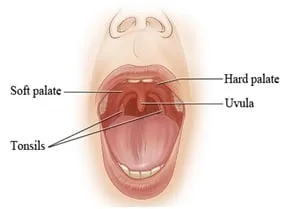
Hardpalatecontains:
a)Keratinised,submucosa,minorsalivarygland
b)Keratinised,absentsubmucosallayer,minorsalivarygland
c)Nonkeratinised,submucosallayer,minorsalivarygland
d)Nonkeratinised,absentsubmucosa,minorsalivarygland
CorrectAnswer-A
Answer-A.Keratinised,submucosa,minorsalivarygland
Thehardpalateislocatedontheroofoftheoralcavity,posterior
andmedialtothealveolarprocessofthemaxilla.
Thebonystructureisformedbythepalatineprocessesofthe
maxillaandthehorizontalplatesofthepalatinebones.
Theperiosteumiscoveredbyafirmlyattachedmucosacentrally,
althoughasubmucosaisapparentlaterallycontainingvessels.The
hardpalateiscontinuouswiththesoftpalateposteriorly.
MacroscopicFeatures
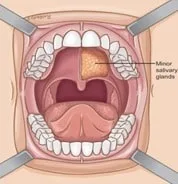
Thehardpalateistypicallyapalepinkcolourandmayhavean
orangepeelappearancefromthepalatinesalivaryglands(more
commonposteriorly).
MicroscopicFeatures
Thehardpalateislinedwithakeratinisingstratifiedsquamous
epithelium,tightlyboundtotheunderlyingperiosteumofthe
palatinebone/maxilla.Thereisminimalsubmucosa,which
becomesmoreprominentposteriorly.
/ 360
End of Document
280

FAQs

What is the correct answer for the tensor of vocal cords in NEET PG 2018?
The correct answer for the tensor of vocal cords in the NEET PG 2018 question paper is the Cricothyroid muscle. This muscle acts to tense the vocal cords, which is crucial for modulating pitch during phonation.
Which nerve is primarily affected in Weber's syndrome according to the NEET PG 2018 paper?
In Weber's syndrome, the oculomotor nerve is primarily affected. This condition is characterized by ipsilateral oculomotor nerve palsy and contralateral hemiplegia, resulting from midbrain infarction.
What are the key features of Sibson's fascia mentioned in the document?
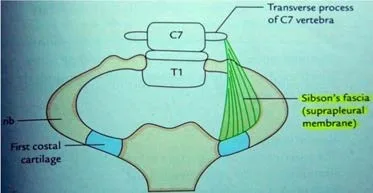
Sibson's fascia, also known as the suprapleural membrane, is attached to the internal border of the first rib and the transverse processes of vertebra C7. It covers the apical part of the lung and plays a role in the structural support of the thoracic cavity.
What is the significance of the Parkland formula in fluid resuscitation?
The Parkland formula is significant in calculating the volume of lactated Ringer's solution needed for fluid resuscitation in burn patients. It is calculated as 4 mL multiplied by the weight in kg and the percentage of total body surface area burned, with half of the volume given in the first 8 hours.
What is the primary cause of secondary postpartum hemorrhage listed in the NEET PG 2018 document?
The primary causes of secondary postpartum hemorrhage listed include retained bits of placenta and postpartum infection. These conditions can lead to significant complications and require prompt medical intervention.
Which drug is indicated for the management of acute gout as per the NEET PG 2018 solutions?
Colchicine is indicated for the management of acute gout. It acts by inhibiting granulocyte migration into the inflamed joint, effectively reducing the inflammation associated with gout attacks.
What is the main characteristic of Roth's spots as described in the document?
Roth's spots are characterized by retinal hemorrhages with white or pale centers. These spots are associated with various conditions, including leukemia and other systemic diseases, indicating underlying health issues.