

Access a deep, community-curated repository of Art History PDFs, lecture summaries, visual analyses, and exam study guides built to streamline your visual research and academic grades. This specialized library tracks the evolution of human visual culture across millennia, from primitive cave drawings to the high-drama masterpieces of post-Renaissance Europe. Whether you are memorizing architectural timelines, prepping for a museum curation essay, or studying for a final exam, these documents give you immediate, downloadable clarity.
Art History is the academic study of visual art objects evaluated within their specific historical, stylistic, and cultural contexts. Rather than simply appreciating art for its aesthetic beauty, art historians analyze the underlying social, political, religious, and economic forces that drove artists to create. By studying changing mediums, spatial composition, iconography, and patronage, this discipline decodes how humanity has visually communicated its beliefs, struggles, and triumphs through the ages, sharpening a student’s visual literacy and critical research skills.
Our collaborative document network hosts crowdsourced study bundles, slide annotations, and past exam reviews meticulously structured across the foundational eras of art history:
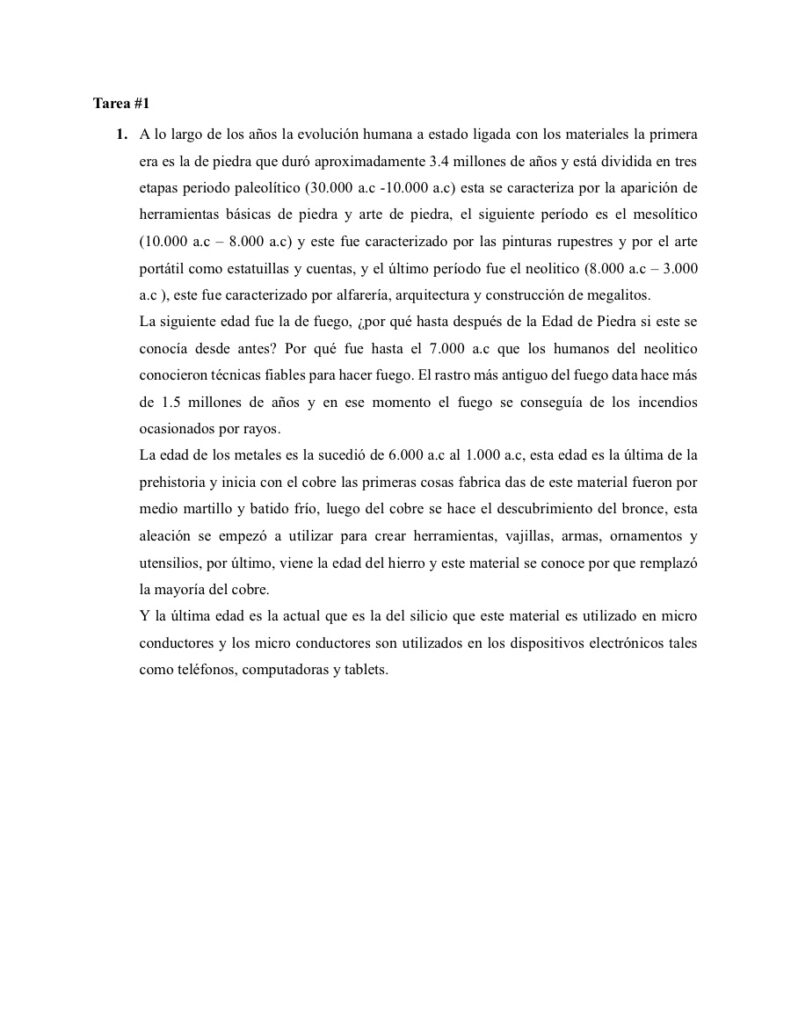
Origins of Expression: Trace the absolute dawn of human creativity with study sheets and visual breakdowns of Prehistoric Art.
Key Focus Areas: Access documents analyzing Paleolithic cave paintings (such as Lascaux and Altamira), Neolithic megalithic structures like Stonehenge, portable fertility figurines, and primitive ceramic developments.
The Continental Evolution: Navigate the massive, multi-era transformation of European visual culture through targeted notes on the Art of Europe.
Key Focus Areas: Download comprehensive reading summaries covering Classical Greco-Roman sculpture, Byzantine mosaics, Gothic cathedrals, Italian and Northern Renaissance masterpieces, and the revolutionary shifts of Modernism on the continent.
The Age of Drama and Light: Deep-dive into the highly emotional, dynamic, and theatrical style that dominated the 17th and early 18th centuries with resources on Baroque Art.
Key Focus Areas: Study peer-shared essays and structural analyses focusing on Caravaggio’s intense chiaroscuro (light and dark contrast), Bernini’s dynamic sculptures, and the masterworks of Rembrandt, Velázquez, and Rubens.
| Artistic Era | Core Geographic Centers | Primary Media Covered | Essential Analytical Focus |
| Prehistoric Art | Western Europe, Africa, Middle East | Cave murals, stone carvings, megaliths | Survival rituals, shamanism, structural beginnings |
| Art of Europe | Italy, France, Germany, Netherlands | Frescoes, oil paintings, marble, architecture | Patronage, perspective, humanism, stylistic shifts |
| Baroque Art | Rome, Spain, Flanders, France | Dramatic oil canvases, theatrical architecture | Chiaroscuro light effects, deep emotion, absolutism |
A formal analysis essay in Art History focuses purely on the visual elements of a piece rather than its historical background. Students must dissect the artwork’s line choices, color palettes, spatial perspective, lighting styles, scale, and composition. Our archive contains dozens of highly graded sample essays under the Art of Europe and Baroque Art sections that demonstrate how to translate visual layouts into formal academic writing.
While Renaissance art prioritizes balance, symmetry, calm rationality, and linear perspective, Baroque Art rejects this stability in favor of high emotional drama, asymmetrical lines, intense theatrical lighting, and a sense of movement. Baroque artists aimed to involve the viewer directly in the scene, using exaggerated expressions and deep shadow contrasts to evoke strong religious or psychological reactions.
Prehistoric Art predates written records, meaning art historians cannot rely on texts to explain why a piece was made. Analysis relies completely on archaeological contexts, radiocarbon dating, and comparative anthropology. The study guides and lecture notes in our archive compile the latest peer-reviewed theories regarding these artifacts, helping you memorize complex archaeological locations and structural dates for your exams.
Yes. Because identifying images is a major part of Art History midterms and finals, our community members frequently upload PDF slide guides and identification sheets. These files bundle high-resolution images of famous artworks alongside key identifying details—such as artist name, exact title, creation date, current location, and historical medium—saving you hours of flashcard preparation.
Every analysis sheet, timeline, and exam review in our collection is uploaded by students and art scholars who believe in collaborative, open-access education. To see where this discipline fits within our broader cultural archives, check out our primary Chesser Resources Browse Directory.
Ready to download comprehensive Baroque Art notes or European art timelines? Join our decentralized academic exchange: go to your profile dashboard, upload 5 of your own lecture summaries, past papers, or syllabus guides, and instantly unlock unrestricted access to the high-yield PDFs you need to ace your art history courses today.