The NEET PG 2019 Question Paper includes a comprehensive set of questions and solutions designed for medical graduates preparing for the National Eligibility cum Entrance Test for Postgraduate courses. This resource covers various subjects tested in the NEET PG exam, including anatomy, physiology, biochemistry, and pharmacology. With detailed solutions, it aids candidates in understanding the concepts and improving their exam strategies. Ideal for students aiming to excel in the NEET PG examination, this question paper serves as a valuable tool for revision and practice.

Key Points

  • Includes a full set of questions from the NEET PG 2019 exam
  • Provides detailed solutions for each question to aid understanding
  • Covers key medical subjects such as anatomy, physiology, and pharmacology
  • Helps candidates develop effective exam strategies and time management skills
Soumi
364 pages
Language:English
Type:Notes
Soumi
364 pages
Language:English
Type:Notes
188
/ 364
1.
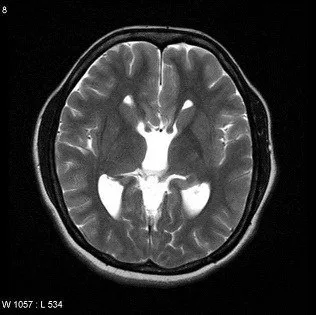
Syndromeassociatedwithposterior
inferiorcerebellararterythrombosis:
a)Wallenbergsyndrome
b)Medialmedullarysyndrome
c)Inferioralternatingsyndrome
d)Dejerinesyndrome
CorrectAnswer-A
AnswerA.Wallenbergsyndrome
Wallenbergsyndromeisalsoknownaslateralmedullarysyndrome
ortheposteriorinferiorcerebellararterysyndrome.
Wallenbergdescribedthefirstcasein1895.
Thisneurologicaldisorderisassociatedwithavarietyofsymptoms
thatoccurasaresultofdamagetothelateralsegmentofthe
medullaposteriortotheinferiorolivarynucleus.
Itisthemosttypicalposteriorcirculationischemicstrokesyndrome
inclinicalpractice.
Etiology:
Wallenbergsyndromeiscausedmostcommonlyby
atherothromboticocclusionofthevertebralartery,followedmost
frequentlybytheposteriorinferiorcerebellarartery,andleastoften,
themedullaryarteries.
Hypertensionisthecommonestriskfactorfollowedbysmokingand
diabetes.
Medialmedullarysyndrome,alsoknownasinferioralternating
syndrome,hypoglossalalternatinghemiplegia,loweralternating
hemiplegia,orDejerinesyndrome,isatypeofalternatinghemiplegia
characterizedbyasetofclinicalfeaturesresultingfromocclusionof
theanteriorspinalartery.
2.
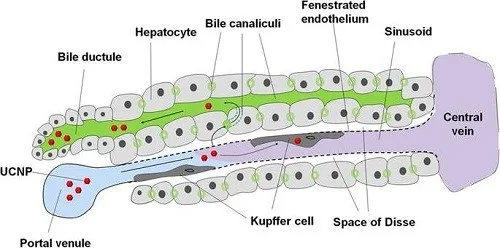
SpaceofDisseisin:
a)Spleen
b)Lymphnode
c)Liver
d)Bone
CorrectAnswer-C
Ans.C.Liver
Theperisinusoidalspace(orspaceofDisse)isalocationintheliver
betweenahepatocyteandasinusoid.
Itcontainsthebloodplasma.
Microvilliofhepatocytesextendintothisspace,allowingproteins
andotherplasmacomponentsfromthesinusoidstobeabsorbedby
thehepatocytes.
/ 364
End of Document
188

FAQs

What is the correct answer for the syndrome associated with posterior inferior cerebellar artery thrombosis?
The correct answer for the syndrome associated with posterior inferior cerebellar artery thrombosis is Wallenberg syndrome, also known as lateral medullary syndrome. This neurological disorder results from damage to the lateral segment of the medulla posterior to the inferior olivary nucleus. It is the most typical posterior circulation ischemic stroke syndrome in clinical practice.
What is the space of Disse and where is it located?
The space of Disse is a perisinusoidal space located in the liver between a hepatocyte and a sinusoid. It contains blood plasma and allows for the absorption of proteins and other plasma components from the sinusoids by the hepatocytes. This space is crucial for liver function and plays a significant role in the exchange of substances between the blood and liver cells.
Which exocrine glandular ducts are not obstructed in cystic fibrosis?
In cystic fibrosis, the sweat glands are not obstructed. Most patients with cystic fibrosis experience obstruction of the mucus-secreting glands due to increased viscosity of secretions, leading to glandular dilatation and destruction. However, the sweat glands are unique because they exhibit abnormal concentrations of inorganic ions rather than glandular obstruction with thick mucus.