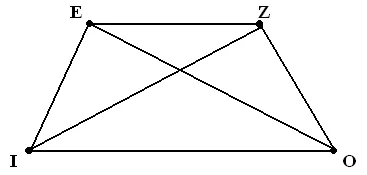
The Quadrilaterals Flip Book Answer Key I provides detailed solutions and explanations for various quadrilateral properties and theorems. It covers parallelograms, rectangles, rhombuses, squares, kites, and trapezoids, making it an essential resource for geometry students. This answer key is designed to assist learners in understanding the relationships between different types of quadrilaterals and their properties. Ideal for high school geometry courses, it supports students preparing for exams and helps reinforce key concepts in a visual format.

Key Points

  • Includes solutions for properties of parallelograms, rectangles, and rhombuses.
  • Explains theorems related to quadrilaterals, including kites and trapezoids.
  • Provides step-by-step answers to problems involving quadrilateral properties.
  • Supports geometry students in mastering concepts for exams and assignments.
newtopiccyclegrowin
14 pages
Language:English
Type:Study Guide
newtopiccyclegrowin
14 pages
Language:English
Type:Study Guide
363
/ 14
Properties
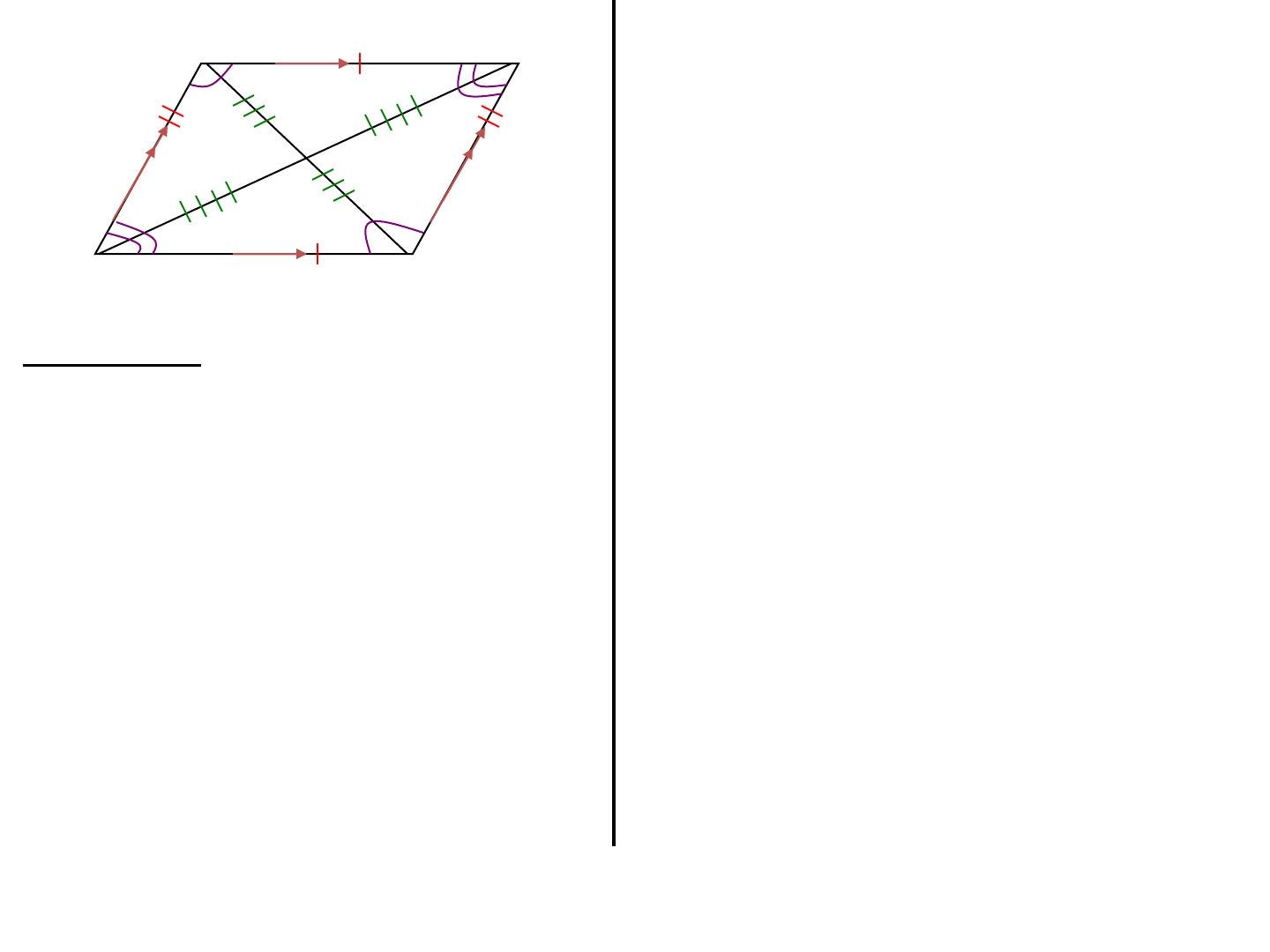
1. opposite sides II
2. opposite sides
3. opposite angles
4. diagonals bisect each other
5. consecutive angles
supplementary
Theorems (Ways to Prove)
1. If both pairs oppsite sides are
ll
2. If both pairs opposite
sides
3. If both pairs of opposite
angles
4. If diagonals bisect each
other …
5. If one pair of sides are and
ll
Parallelogram
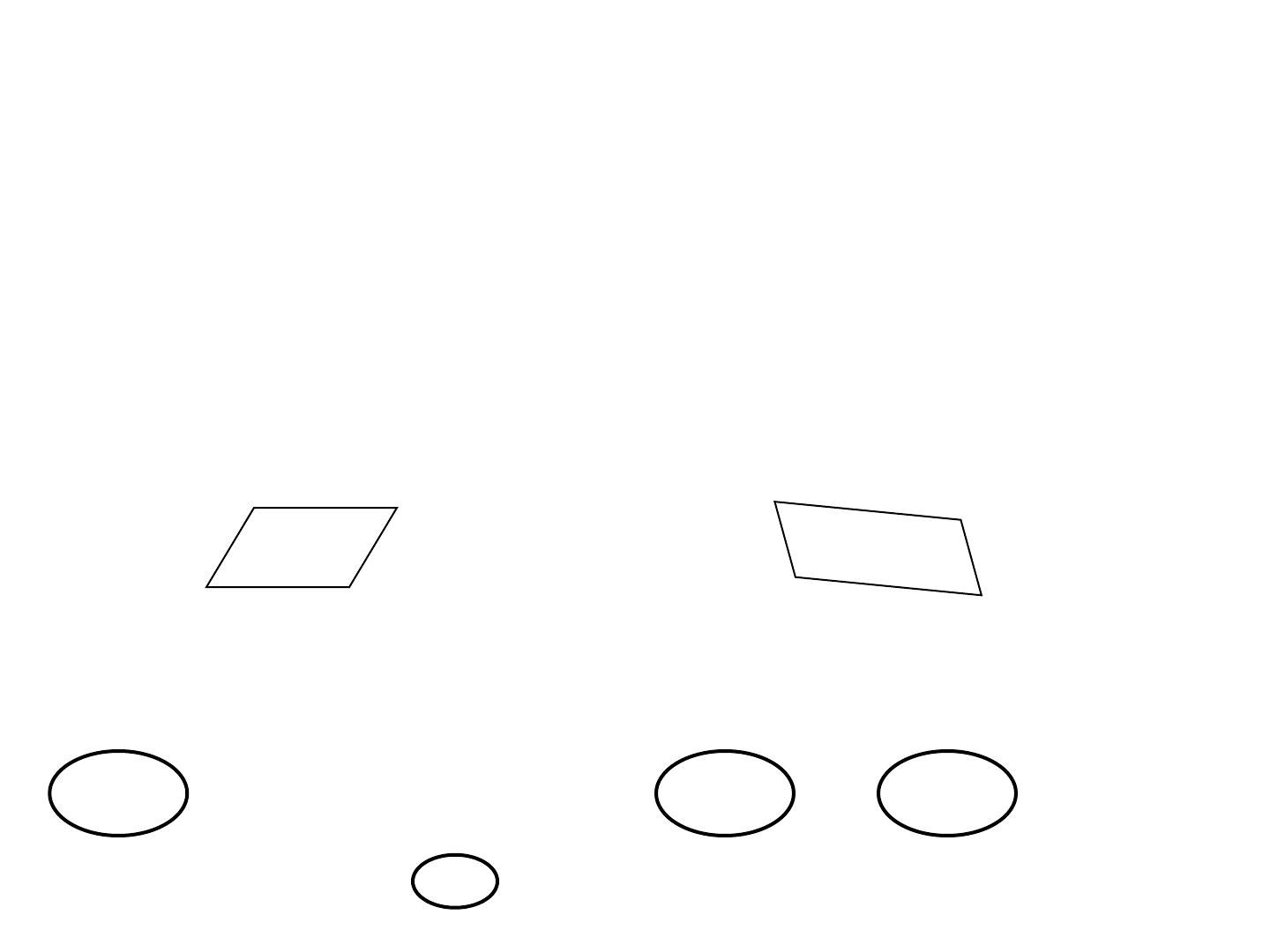
Parallelogram quadrilateral with two pairs of parallel sides
… then it’s a parallelogram
Copy this one on the other Half!!
2. Explain how slope can be used to identify parallelograms in the coordinate
plane.
3. Find the values of x and y that ensure each quadrilateral is a parallelogram.
a. b.
(2x + 8)
o
120
o
5y
If opposite sides have the same slope then it is a parallelogram.
y
y
2
4x + 86x
6x = 4x + 8
2x = 8
X = 4
y
2
= y
y
2
y = 0
y(y-1) = 0
y = 0 or y-1 = 0
y = 0 or y = 1
2x + 8 = 120
2x = 112
x = 56
5y + 120 = 180
5y = 60
y = 12
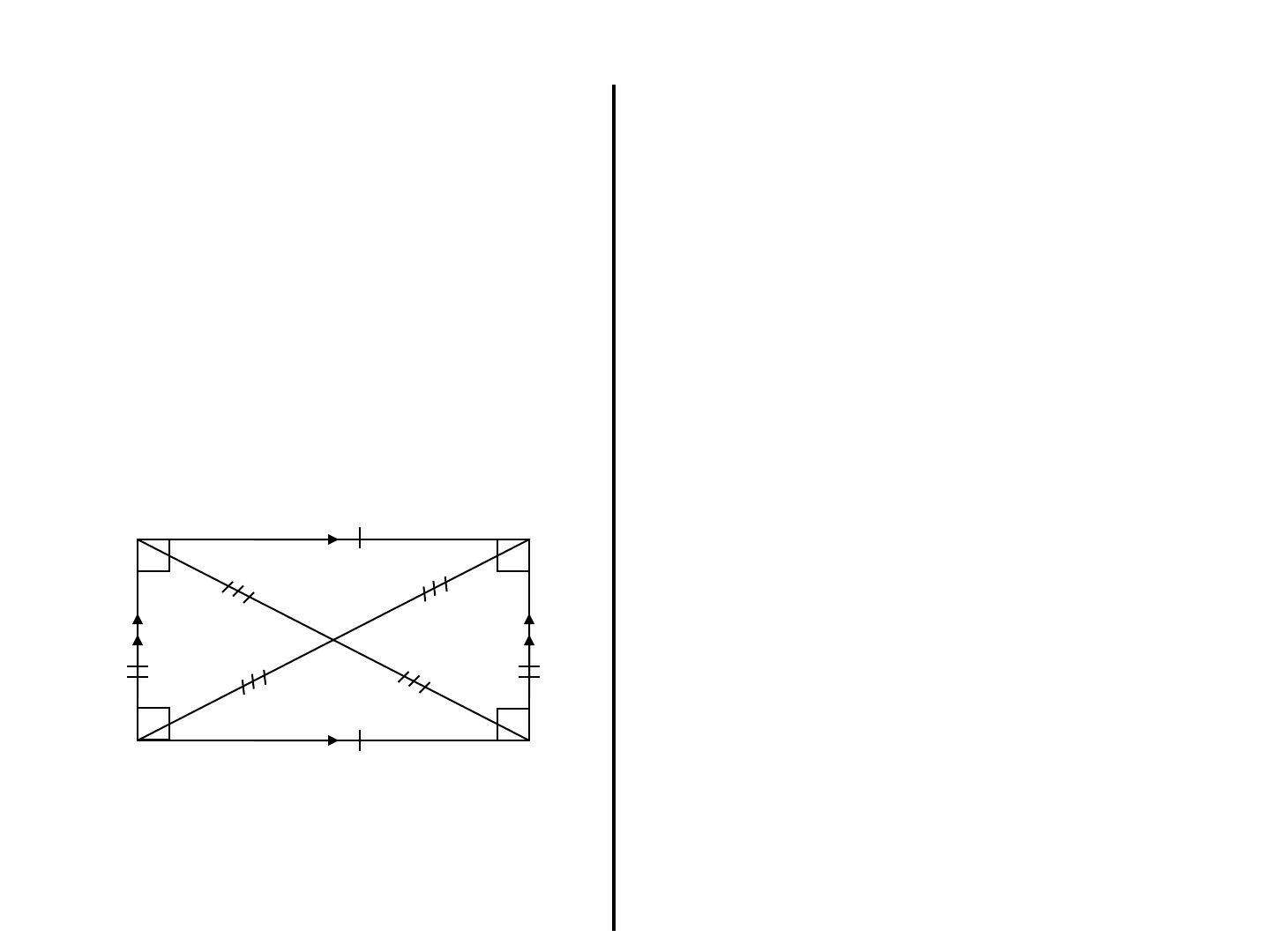
Properties
1. all properties of
parallelogram.
2. four right angles
3. diagonals are .
Theorems (Ways to Prove)
1. If has 4 right angles, then
its a rectangle.
2. If diagonals are , then
its a rectangle.
Rectangle
Rectangle quadrilateral with four right angles
/ 14
End of Document
363

FAQs

What are the properties of a parallelogram?
A parallelogram is defined as a quadrilateral with two pairs of parallel sides. Its properties include that opposite sides are congruent, opposite angles are congruent, and the diagonals bisect each other. Additionally, consecutive angles are supplementary, meaning they add up to 180 degrees. These properties are essential for identifying and proving that a quadrilateral is a parallelogram.
How can slope be used to identify parallelograms in the coordinate plane?
To identify parallelograms in the coordinate plane, one can use the concept of slope. If both pairs of opposite sides have the same slope, then the quadrilateral is classified as a parallelogram. This method allows for a straightforward verification of the properties of the sides, ensuring they are parallel.
What conditions must be met for a quadrilateral to be classified as a rectangle?
A quadrilateral is classified as a rectangle if it possesses four right angles or if its diagonals are congruent. These conditions are critical in proving that a quadrilateral meets the criteria for being a rectangle, which is a specific type of parallelogram.
What are the defining properties of a rhombus?
A rhombus is characterized by having all the properties of a parallelogram, with additional defining features. These include having all sides congruent, diagonals that are perpendicular to each other, and diagonals that bisect opposite angles. These properties distinguish a rhombus from other types of quadrilaterals.
What is the significance of the midsegment in trapezoids?
In trapezoids, the midsegment is significant because it is equal to half the sum of the lengths of the two bases. This relationship can be expressed with the formula M = ½ (base1 + base2). Understanding the midsegment is essential for solving problems related to trapezoids and calculating their dimensions.
How are the angles related in an isosceles trapezoid?
In an isosceles trapezoid, the base angles are congruent. This means that if one base angle measures a certain degree, the angle on the opposite base will measure the same degree. This property is crucial for identifying isosceles trapezoids and solving related geometric problems.
What are the properties of a kite in geometry?
A kite is defined as a quadrilateral with two pairs of congruent consecutive sides. Its properties include that the diagonals are perpendicular to each other and that one pair of opposite angles is congruent. These characteristics help distinguish kites from other quadrilaterals and are important for solving geometric problems involving kites.