Propoziția atributivă explică utilizarea pronumelor relative în limba română, oferind exemple clare pentru fiecare tip de pronume. Documentul detaliază structurile propozițiilor atributive, atât pentru substantivul definit, cât și pentru cel nedefinit. Este destinat studenților care doresc să îmbunătățească înțelegerea gramaticii române. Acesta include exemple practice și traduceri pentru a facilita învățarea. Ideal pentru cei care studiază limba română la nivel mediu sau avansat.

Key Points

  • Explică utilizarea pronumelor relative în propozițiile atributive.
  • Oferă exemple pentru pronumele relative masculine și feminine.
  • Detaliază structurile propozițiilor cu substantiv definit și nedefinit.
  • Include traduceri pentru clarificarea conceptelor gramaticale.
Bianca Tascau
2 pages
Language:Romanian
Type:Notes
Bianca Tascau
2 pages
Language:Romanian
Type:Notes
Bianca Tascau
2 pages
Language:Romanian
Type:Notes
93

Propoziția Atributivă – Structuri și Exemple pdf

/ 2
1
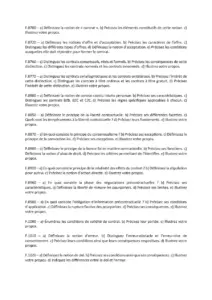
Propoziția atributivă
1. Introdusă prin folosirea de pronume relative atunci când substantivul este
definit.
2. Introdusă direct după substantivul determinat atunci când acesta nu este
definit.
Pronumele relative:
Masculin
Feminin
Singular


Dual - nominativ




Dual Gen. + Ac.




Plural




1.1 Substantivul determinat este subiectul propoziției atributive:
Studentul care s-a dus în Iraq.
=Studenta care s-a dus în Iraq.
لاStudenții care s-au dus în Iraq.
Studentele care s-au dus în Iraq.
1.2. Substantivul determinat nu este subiectul propoziției atributive – nevoia unui
pronume de revenire:

Prietenul pe care l-am întâlnit.

Prietena pe care am întâlnit-o.

لأPrietenii pe care i-am întâlnit.

Prietenele pe care le-am întâlnit.


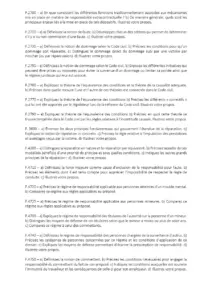
Prietenul căruia i-am scris o scrisoare.


Prietenele cărora le-am scris o scrisoare.
2


Prietena pe al cărei doctor l-am întâlnit.


Prietenul cu care am fost la teatru.


Prietena în a cărei casă am fost.
Bărbatul care este din Egipt.
2.1 Atunci când antecedentul este nedefinit nu avem nevoie de un pronume
relativ:
لأ
Am citit o știre în ziarul Al-Ahram în care jurnalistul a vorbit despre ...



Am întâlnit astăzi un prieten care a sosit ieri din Londra.


Acesta este un cadou pe care i l-am trimis prietenului meu.


Naguib Mahfouz are cărți pe care le citesc mulți arabi.



Este vreun scriitor libanez căruia i-ai citit toate cărțile?
/ 2
End of Document
93

FAQs

What are the main types of relative pronouns used in propositional attributes?
The document outlines two categories of relative pronouns used in propositional attributes: masculine and feminine. For the singular form, the masculine pronoun is 'الذي' and the feminine is 'التي'. In the dual form, the nominative masculine is 'الذان' and the feminine is 'التان'. For the plural, the masculine pronoun is 'الذين' and the feminine is 'اللواتي'. These pronouns are essential for constructing attributive propositions correctly.
How is the subject of an attributive proposition identified?
The subject of an attributive proposition is identified as the determined noun that precedes the relative pronoun. For example, in the sentence 'Studentul care s-a dus în Iraq,' 'studentul' is the subject, and 'care' introduces the attributive clause. This structure is crucial for clarifying the relationship between the subject and the action described in the sentence.
What happens when the antecedent of a relative pronoun is indefinite?
When the antecedent is indefinite, the document states that there is no need for a relative pronoun. For instance, in the example 'Am întâlnit astăzi un prieten care a sosit ieri din Londra,' the phrase 'un prieten' is indefinite, thus allowing for the omission of a relative pronoun. This highlights a key grammatical rule in the construction of sentences.
Can you provide examples of attributive propositions with definite and indefinite nouns?
The document provides examples illustrating both definite and indefinite nouns in attributive propositions. For definite nouns, 'Prietenul pe care l-am întâlnit' uses the definite article 'prietenul,' while for indefinite nouns, 'Am întâlnit astăzi un prieten' shows the use of 'un prieten.' These examples clarify how the presence or absence of the definite article influences the structure of the sentence.
What is the structure of an attributive proposition when the determined noun is not the subject?
When the determined noun is not the subject of the attributive proposition, a relative pronoun is required for clarity. For example, 'Prietenul pe care l-am întâlnit' illustrates this structure, where 'prietenul' is the determined noun and 'pe care' serves as the relative pronoun. This construction is essential for linking the noun with the action of encountering.
How are dual forms of relative pronouns structured in Arabic?
The document specifies that dual forms of relative pronouns in Arabic include 'الذان' for masculine nominative and 'التان' for feminine nominative. In the genitive and accusative cases, the masculine form becomes 'الذين' and the feminine 'اللتان.' This dual structure is important for accurately conveying relationships in sentences involving two subjects.
What examples illustrate the use of relative pronouns in Arabic?
Examples in the document demonstrate the use of relative pronouns effectively. For instance, 'الرجل الذي هو من مصر' translates to 'The man who is from Egypt,' showcasing the masculine relative pronoun 'الذي.' Another example is 'الصديقة التي كنت في بيتها,' meaning 'The friend with whom I was at her house,' using the feminine pronoun 'التي.' These examples highlight the application of relative pronouns in attributive propositions.