Agricultural Production Regions explores various farming practices, including subsistence and commercial agriculture. It covers intensive and extensive agricultural methods, detailing their geographical distribution and environmental impacts. This resource is essential for AP Human Geography students studying agricultural systems and their global significance. Key topics include plantation agriculture, Mediterranean cropping, and the implications of monoculture. The document provides insights into the economic and ecological aspects of agriculture across different regions.

Key Points

  • Explains subsistence and commercial farming practices and their global distribution.
  • Covers intensive and extensive agricultural methods with environmental impacts.
  • Details plantation agriculture and Mediterranean cropping systems.
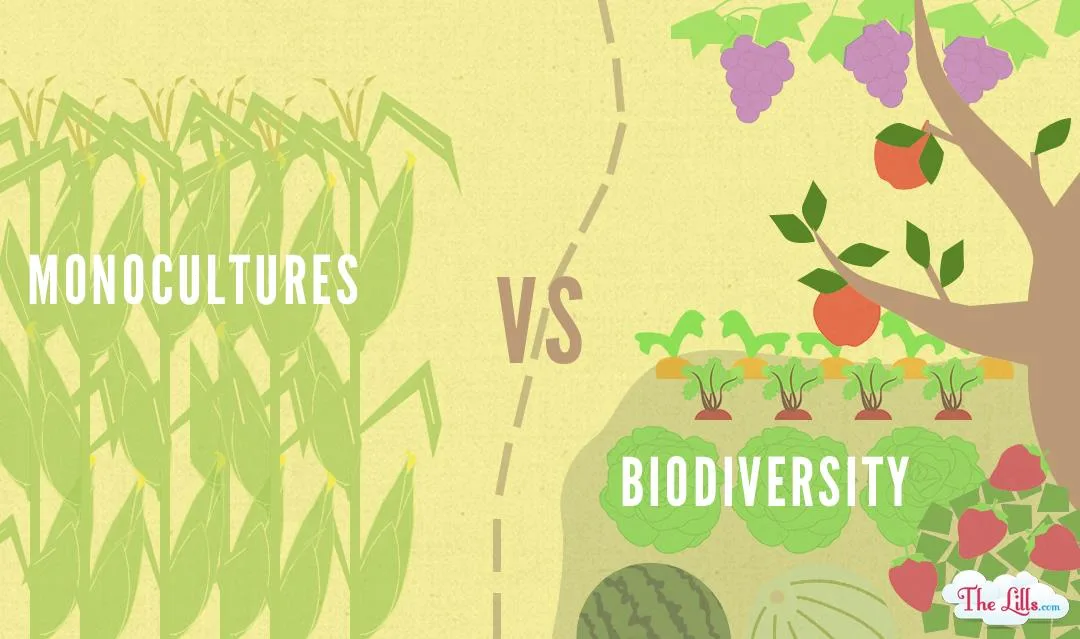
  • Discusses the implications of monoculture on biodiversity and food security.
Jacky
21 pages
Language:English
Type:Presentation
Jacky
21 pages
Language:English
Type:Presentation
129
/ 21
Agricultural
Production
Regions
RRHS APHG
2025-2026
1
Subsistence or commercial practices
Subsistence Farming
Nomadic hunters
Nomadic herding
Extensive
subsistence
Intensive
subsistence
Commercial Farming
Plantation
Pastoral (grazing
animals)
Grain
Intensive
commercial
Mediterranean ag
Subsistence agriculture occurs when farmers grow food crops to meet the needs of
themselves and their families. In subsistence agriculture, farm output is targeted to
survival and is mostly for local requirements with little or no surplus trade. Think back
to Unit 2: The Don’t Panic video. Andre and his wife were subsistence farmers, along
with their children. Remember how long it took for them to save up for a bike since
most of their crops were consumed by the family, not for sale??
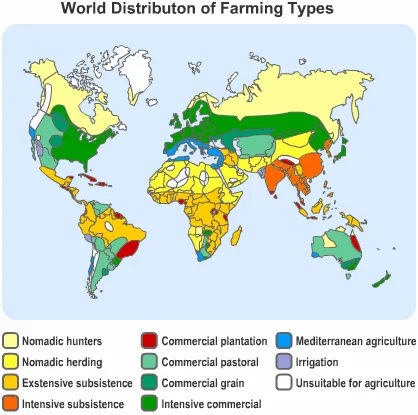
Where?
Nomadic hunters are in the far northern parts of North America and Asia (The tundra
regions mostly, with some extending into more temperate climate zones)
Nomadic herding is mostly found across the dry span of Northern Africa, the Middle
East, and Central Asia
Extensive subsistence is mostly found in tropical regions and typically includes slash
and burn/swidden/shifting cultivation. Remember, this type of agriculture requires a
large amount of land because the land loses its fertility very quickly, so the amount of
food produced off the total amount of land needed is very low
Intensive subsistence is mostly found in South Asia and Southeast Asia. The most
commonly grown crop on these subsistence farms is wet rice.
Commercial agriculture is a large-scale production of crops for sale, intended for
2
widespread distribution to wholesalers or retail outlets. In commercial farming crops
such as wheat, maize, tea, coffee, sugarcane, cashew, rubber, banana, cotton are
harvested and sold in the world markets.
Where?
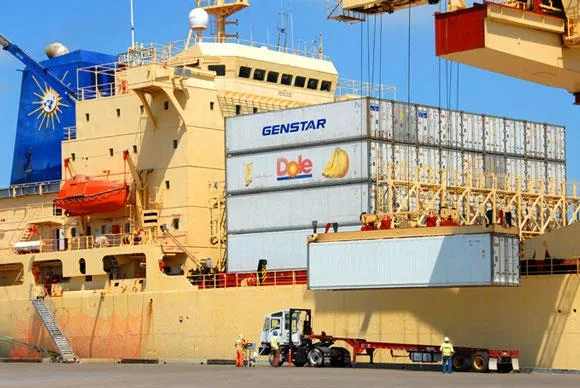
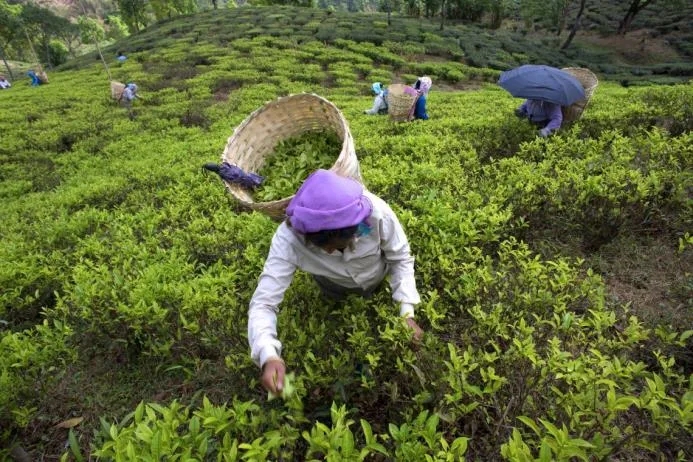
Plantation agriculture is found mostly in tropical regions as well tea, sugar, rubber,
palm, coffee, banana, and most other crops suitable for this type of agriculture
require a tropical climate, making it most likely to take place in tropical regions. Major
plantations are found in Brazil, the Caribbean, Central America, pockets in tropical
Africa, South Asia, Southeast Asia, and Australia. Most plantation crops are destined
for export, as well, not domestic consumption.
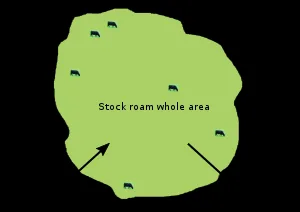
Pastoral commercial agriculture is much different than subsistence nomadic herding.
In commercial pastoral ag, the agricultural products being produced are grazing
animals. These operations are much larger and have many more animals and set
property limits upon which those animals can graze (compared to open grazing lands
and fewer animals with subsistence nomadic herding)
Grain (commercial grain) farming has very high inputs: fertilizers, pesticides, heavy
machinery, processing equipment, etc. The grain is then stored in grain elevators
(grain storage facilities) until it is sold.
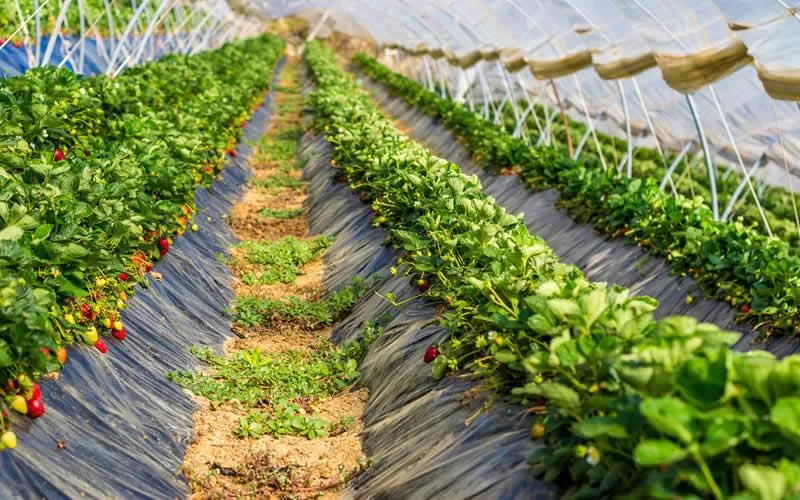
Intensive commercial agriculture is where you find your market gardens tomatoes,
potatoes, lettuce, strawberries, grapes, etc.
Mediterranean agriculture in Mediterranean regions, commercial agriculture exists
alongside commercial agriculture. Many crops such as wheat, barley and vegetables
are raised for domestic consumption, while others like citrus fruits, olives, and grapes
are mainly for export. The region is known for orchard-style agriculture (fruit trees,
olive trees, grape vines, etc.) as well as grazing animals such as goats and sheep.
2

/ 21
End of Document
129

FAQs

what is agricultural production regions about

Agricultural Production Regions explores the various types of farming practices around the world, focusing on both subsistence and commercial agriculture.

  • Subsistence Farming: Farmers grow food primarily for their own consumption.
  • Commercial Farming: Large-scale production aimed at selling crops in the market.
  • Types of Agriculture: Includes intensive, extensive, plantation, and Mediterranean agriculture.

what are the types of agricultural production regions

The types of agricultural production regions include various farming systems tailored to specific climates and economic conditions.

  • Intensive Agriculture: High inputs of labor and capital for high yields.
  • Extensive Agriculture: Low inputs relative to large land areas, resulting in lower yields.
  • Plantation Agriculture: Large-scale farming of cash crops in tropical regions.
  • Mediterranean Agriculture: Characterized by specific crops like olives and grapes in Mediterranean climates.

how does intensive agriculture work in agricultural production regions

Intensive agriculture involves using significant amounts of labor, fertilizers, and pesticides to maximize crop yields.

  • Commercial Intensive Agriculture: Uses advanced machinery and chemicals to increase production.
  • Subsistence Intensive Agriculture: Relies heavily on family labor and traditional methods.
  • Examples: High-yield crops like strawberries and vegetables are often grown in this system.

what is the impact of extensive agriculture in agricultural production regions

Extensive agriculture has a significant impact due to its low input requirements and large land use.

  • Advantages: Requires less labor and minimal alterations to the land.
  • Disadvantages: Results in low yields and cannot be practiced in densely populated areas.
  • Environmental Concerns: Can limit habitats for other species due to large land requirements.

what is plantation agriculture in agricultural production regions

Plantation agriculture is a form of intensive farming focused on cash crops in tropical climates.

  • Key Crops: Includes cotton, sugarcane, coffee, and rubber.
  • Characteristics: Typically involves monoculture, which can lead to environmental issues.
  • Labor Issues: Often relies on low-wage labor, raising ethical concerns.

what are the benefits of Mediterranean agriculture in agricultural production regions

Mediterranean agriculture offers several benefits due to its unique climate and crop diversity.

  • Crop Variety: Includes olives, figs, and various grains.
  • Climate Adaptation: Well-suited to warm, dry summers and mild winters.
  • Economic Impact: Can support both subsistence and commercial farming, enhancing local economies.

how does value-added agriculture relate to agricultural production regions

Value-added agriculture enhances the worth of agricultural products through various methods.

  • Processing: Includes milling or making jams to increase product value.
  • Marketing: Branding and advertising can elevate perceived value.
  • Segregation: Physically separating products to enhance marketability.

what role does export-oriented agriculture play in agricultural production regions

Export-oriented agriculture focuses on producing crops primarily for international markets.

  • Economic Benefits: Generates revenue for countries through exports.
  • Infrastructure Development: Often leads to improved facilities, though primarily for export purposes.
  • Local Impact: Can limit land available for domestic food production, affecting local food security.

what are the challenges of monoculture in agricultural production regions

Monoculture presents several challenges, particularly in terms of sustainability and biodiversity.

  • Dependency: Countries may become overly reliant on a single crop.
  • Vulnerability: Increased risk of crop diseases and market fluctuations.
  • Environmental Concerns: High inputs of fertilizers and pesticides can lead to pollution and soil degradation.