





Cambridge O Level Biology 5090/42 Paper 4 focuses on practical applications in biology, including enzyme activity and plant tissue experiments. This examination paper includes various questions related to catalase activity in plant tissues, growth measurements of Lemna plants, and cell observation techniques. Designed for students preparing for the O Level exams, it provides a comprehensive assessment of biological concepts and practical skills. The paper emphasizes critical thinking and application of knowledge in real-world scenarios.

Key Points

  • Examines catalase activity in different plant tissues using hydrogen peroxide.
  • Includes practical investigations on the growth of Lemna plants in nutrient solutions.
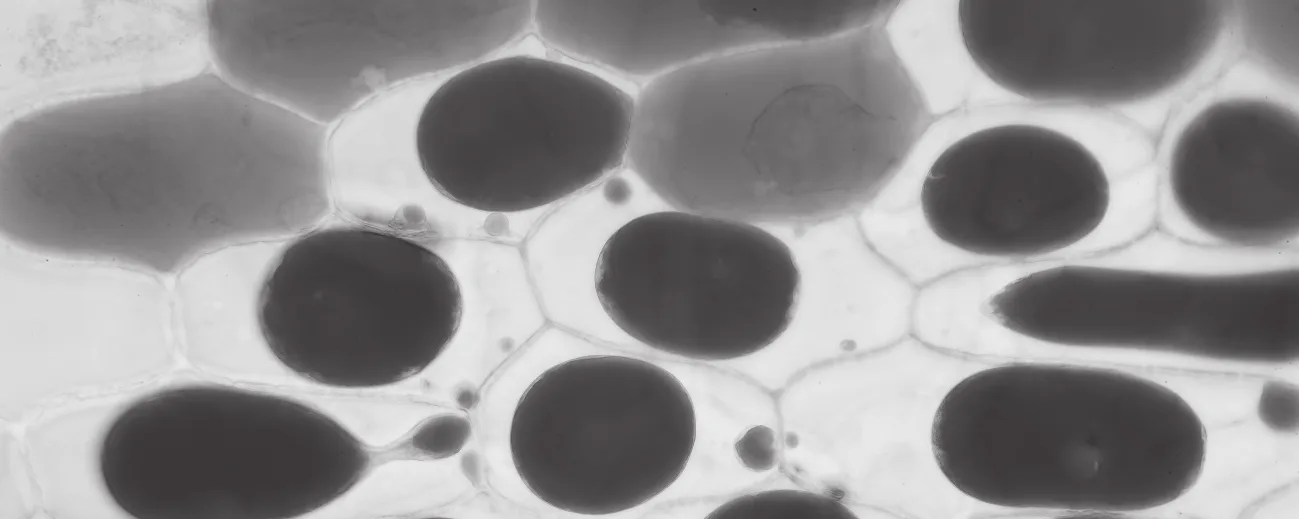
  • Focuses on cell observation techniques and plasmolysis in plant cells.
  • Designed for Cambridge O Level Biology students preparing for their exams.
Yousof
12 pages
Language:English
Type:Past Paper
Yousof
12 pages
Language:English
Type:Past Paper
Yousof
12 pages
Language:English
Type:Past Paper
394

Cambridge O Level Biology 5090/42 Paper 4 Alternative to Practical October/November 2025 pdf

/ 12




 














 



,,

¬Wz>4mHuOªE^|6W
¬czQ¥S}dZCay
¥uUE5uU¥EuEuU




,,
ĬÕú¾Ġ´íÈõÏĪÅĊßú¸þ×
ĬãčùÔġĔġìðûĨĜäóęñĂ
ĥÕĕĕµµąÕÅĕµąąµåµåÕ


 
 





















  


 
 

 

 

 


 

 

 
 

 


,,
Ĭ×ú¾Ġ´íÈõÏĪÅĊßü¸þ×
ĬãĎúÜħĐđÍĊĆáÀÜçęāĂ
ĥÕĥÕõÕĥµÕĥĥąąÕÅõµÕ


/ 12
End of Document
394

FAQs

What is the role of catalase in plant tissues according to the document?
Catalase is an enzyme that breaks down hydrogen peroxide into water and oxygen, which is a harmful waste product in living cells. In the investigation described, the presence of catalase in plant tissues A, B, and C was determined by observing the formation of bubbles in filter paper discs soaked in liquid from the plant cells when placed in hydrogen peroxide solution.
How did the students measure the activity of catalase in the experiment?
The students measured the activity of catalase by timing how long it took for filter paper discs, soaked in liquid from plant tissues, to rise to the surface of hydrogen peroxide solution. If catalase was present, bubbles of oxygen formed, causing the discs to float. The time taken for each disc to rise was recorded, and if a disc did not float within 240 seconds, the time was noted as >240 seconds.
What were the results for plant tissues A, B, and C regarding catalase activity?
The results indicated that plant tissue A had consistent times of 10 seconds for the first two discs, while plant tissue B had times of 21, 16, and 20 seconds for its discs. Plant tissue C showed no disc floating within the 4-minute limit, indicating a lack of catalase activity. This suggests that plant tissue A had the highest catalase activity, followed by plant tissue B, and plant tissue C had none.
What control could be suggested for the investigation on catalase activity?
A suitable control for the investigation could involve using a filter paper disc that has not been soaked in any liquid from plant tissues. This would help determine if any observed bubbling in the hydrogen peroxide solution was solely due to the catalase activity from the plant tissues, rather than any other factors.
What was the purpose of adding nutrients to the distilled water in the Lemna growth experiment?
Nutrients were added to the distilled water to provide essential elements required for the growth of Lemna plants. These nutrients support the plants in photosynthesis and overall growth, ensuring that the experiment accurately reflects the effects of light and nutrient availability on plant development.
How did the students record the growth of Lemna plants over time?
The students recorded the growth of Lemna plants by counting the total number of leaves at the same time each day. They started with 16 leaves and noted the total number of leaves on subsequent days, which were documented in a table showing the growth progression over several days.
What method did the students use to measure the growth of Lemna plants?
The students measured the growth of Lemna plants by counting the total number of leaves present on the plants at specific intervals. This method allowed them to track the increase in leaf count as a direct indicator of plant growth over the duration of the experiment.