The Salary Guide KSA 2025 by Cooper Fitch provides comprehensive insights into salary trends and employment forecasts in Saudi Arabia. It analyzes the impact of economic growth, investment activities, and sector-specific demands on compensation packages. This guide is essential for HR professionals, recruiters, and business leaders looking to attract and retain top talent in a competitive job market. Key topics include salary outlook, talent availability, and sector-specific salary tables for various roles. With data from over 1,000 organizations, this guide serves as a valuable resource for understanding the evolving landscape of the Saudi job market.
Key Points
Analyzes salary trends and employment forecasts for 2025 in Saudi Arabia.
Includes sector-specific salary tables for various roles and industries.
Highlights the impact of economic growth on compensation packages.
Discusses talent availability and recruitment challenges in the Saudi market.
This link leads to an external site. We do not know or endorse its content, and are not responsible for its safety. Click the link to proceed only if you trust this site.
ISO 37001:2025 Anti-Bribery Management Systems Guidelines
PDF
AP® Art and Design – 2025 Scoring Guidelines
PDF
2025 2026 Eide Bailly Tax Planning Guide
PDF
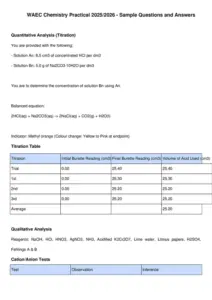
WAEC 2025 Chemistry Practical Guide
PDFGuide
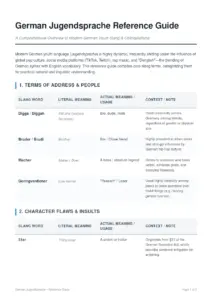
German Jugendsprache Reference GuideGuide
PDFStudy Guide
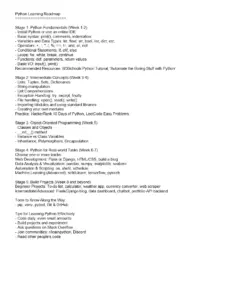
Python Learning Roadmap: A Comprehensive Guide to Mastering PythonStudy Guide
PDFAnswer Key
Grade 12 Physical Sciences Paper 2 Marking GuidelinesAnswer Key
PDFAnswer Key
Grade 12 Life Orientation Preliminary Examination Memo 2025Answer Key
PDFSyllabus
2026-2027 Course Description GuideSyllabus
FAQs
What are the key factors influencing salary increases in Saudi Arabia for 2025?
The Salary Guide KSA 2025 indicates that economic growth driven by the Public Investment Fund's strategic planning is a significant factor influencing salary increases. The guide forecasts an average salary increase of 2% across various sectors, reflecting the competitive landscape for talent. Additionally, the demand for skilled professionals in sectors like banking, finance, and technology is pushing organizations to offer more attractive compensation packages to attract top talent.
Which sectors are experiencing the highest demand for talent in Saudi Arabia?
According to the guide, sectors such as aviation, defense, aerospace, and marketing are currently facing significant talent shortages. The hospitality and tourism sectors are also expanding rapidly due to ongoing investment in large-scale projects. This demand for skilled professionals is prompting companies to look beyond local talent pools, increasing the reliance on international recruitment strategies.
How does the Salary Guide KSA 2025 assist HR professionals?
The Salary Guide KSA 2025 serves as a crucial tool for HR professionals by providing detailed salary benchmarks and insights into market trends. It helps organizations make informed decisions regarding compensation strategies and talent acquisition. By understanding sector-specific salary expectations, HR leaders can better position their offers to attract and retain high-quality candidates in a competitive job market.
What is the expected salary outlook for various roles in the banking sector?
The guide outlines specific salary ranges for various roles within the banking sector, indicating that senior positions such as Chief Risk Officer and Head of Private Banking can command salaries ranging from SAR 87,000 to SAR 194,000. These figures reflect the competitive nature of the financial services industry in Saudi Arabia, where attracting experienced professionals is critical for organizational success.
What methodologies were used to compile the data in the Salary Guide?
The Salary Guide KSA 2025 is based on a comprehensive survey conducted with over 1,000 organizations across the Gulf region. The survey focused on recruitment activities, workforce headcounts, and salary trends, providing a representative snapshot of the current job market landscape. Insights derived from this data help inform the salary benchmarks and employment forecasts presented in the guide.