Tragedy and comedy in African and English plays explore the thematic differences between these genres through notable works. The analysis includes Oscar Wilde’s ‘The Importance of Being Earnest‘ and Shakespeare’s ‘King Lear‘, highlighting their distinct characters, resolutions, and thematic preoccupations. This study is beneficial for students and enthusiasts of literature seeking to understand the nuances of dramatic forms. Key themes include societal hypocrisy, human suffering, and the absurdity of life as depicted in various plays.

Key Points

  • Analyzes the differences between tragedy and comedy in selected plays.
  • Explores Oscar Wilde’s ‘The Importance of Being Earnest’ and Shakespeare’s ‘King Lear’.
  • Discusses thematic preoccupations like societal hypocrisy and human suffering.
  • Highlights character development and resolutions in both genres.
Gift Daniel
11 pages
Language:English
Type:Essay
Gift Daniel
11 pages
Language:English
Type:Essay
327
/ 11
1
DEPARTMENT OF ENGLISH AND LITERARY STUDIES
UNIVERSITY OF NIGERIA NSUKKA
THE DIFFERENCE BETWEEN TRAGEDY AND COMEDY IN SELECTED AFRICAN AND
ENGLISH PLAYS AND THEMATIC PREOCCUPATION IN THE PLAY(THE ENGAGEMENT)
BEING A TERM PAPER PRESENTED BY ADEBAYO AYOMIDE GIFT
REG NUMBER: 2024/279606
AS REQUIRED FOR COURSE:
ELS 101
BASIC LITERARY CONTINUOUS ASSESSMENT
DATE:APRIL 2025
2
TOPIC
THE DIFFERENCE BETWEEN TRAGEDY AND COMEDY IN SELECTED AFRICAN AND
ENGLISH PLAYS
3
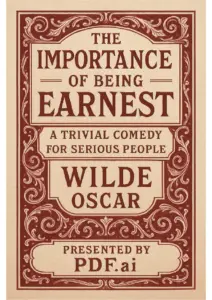
ANALYSIS OF COMEDY IN OSCAR’S WILDE IMPORTANCE OF BEING EARNEST
Comedy is a genre of dramatic works intended to be humorous or amusing by inducing laughter,
especially in theatre, film, stand-up comedy, television, radio, books, or any other entertainment
medium.The purpose of comedy is to amuse the audience. Usually, this is achieved when
characters are able to triumph over negative circumstances with the creation of some sort of
comedic effect. In comedies, the endings are uplifting, positive, or successful.
Wilde's The Importance of Being Earnest can be viewed as a light-hearted comedy, displaying
features of comedy of manners, wit, satire and for a Victorian audience presenting unlikely
situations in order to create comedy.it is a modern play but it belongs to the genre of comedy of
manners that flourished in England during the Restoration period. It is characterized by
exaggeration and extravagance both in its plot and dialogue. The keynote of the play is
absurdity which turns it into a farce.
Most of the situations in The Importance of Being Earnest are absurd and ludicrous, raising
laughter of audience. The central situation of Jack’s being found in a large handbag by Mr.
Thomas Cardew in the cloak-room of the Victoria railway station in London is in itself a funny
story and so it is farcical. Then we are told that Mr. Cardew named the boy Worthing because at
that time he had with him a first-class train ticket to Worthing and later left his granddaughter
Cecily under his care.
This was the result of the carelessness of Miss Prism who absent-mindedly put her
three-volume novel in the perambulator and the baby in the handbag, which she deposited in
the clock-room of Victoria station. Now it is impossible for us to believe that anybody, no matter
how absent-minded, can commit a blunder like this. There is nothing absurd about Mr. Thomas
Cardew’s discovery of the foundling, but it absurd that he should have named the child Worthing
on the grounds that he had a first class railway ticket to Worthing, a seaside resort.
When Jack proposes to Lady Bracknell and sincerely says that he has no parents because he
was found in a handbag, the situation is hilarious. Lady Bracknell then advises him “to produce
at any rate one parent of either sex”. When Jack expresses his inability to manage that, Lady
Bracknell turns down his proposal of marriage to Gwendolen.
When Miss Prism gives an account of how she had mistakenly deposited the handbag
containing the infant in the cléakroom of Victoria station, Jack jumps to the conclusion that he is
the illegitimate son of Miss Prism. He is ready to forgive his mother, for her indiscretion in her
youth and forgives her. Here we cannot suppress our hilarious laughter.
Further, Cecily is fascinated by the wild reputation that the fictitious Ernest enjoys and his curly
hair. The situation is undoubtedly absurd but it gives rise to witty remarks and evokes laughter,
but laughter only of the superficial kind. Thus absurd and trivial issues give rise to momentous
occasions in the life of London’s high society. Thus the entire play is light-hearted, full of banter
and verbal skirmishes, sarcasm, wit, epigrams and humour.

/ 11
End of Document
327

FAQs

what is tragedy and comedy in African and English plays

Tragedy and comedy in African and English plays refer to the distinct genres of drama that explore human experiences through different lenses.

  • Tragedy: Focuses on serious themes, often involving suffering and moral dilemmas, as seen in Shakespeare’s 'King Lear'.
  • Comedy: Aims to amuse and entertain, often highlighting societal absurdities, as exemplified in Oscar Wilde’s 'The Importance of Being Earnest'.
  • Both genres serve to reflect cultural values and human nature, making them essential to understanding literature.

how does tragedy differ from comedy in plays

The main differences between tragedy and comedy in plays lie in their themes, characters, and resolutions.

  • Characters: Tragedies often feature noble protagonists facing downfall, while comedies include exaggerated characters navigating absurd situations.
  • Themes: Tragedies deal with serious issues like betrayal and loss, whereas comedies focus on societal satire and misunderstandings.
  • Resolutions: Tragedies usually end in death or despair, while comedies conclude with marriages or reconciliations.

examples of tragedy and comedy in African and English plays

Examples of tragedy and comedy in African and English plays highlight the diverse approaches to storytelling.

  • Tragedy: Shakespeare’s 'King Lear' exemplifies tragedy through Lear’s tragic flaws leading to his downfall.
  • Comedy: Wole Soyinka’s 'The Lion and the Jewel' showcases comedy by addressing cultural identity and gender roles through humorous situations.
  • These plays illustrate how different cultures approach similar themes through varied dramatic forms.

what are the themes in tragedy and comedy in plays

The themes in tragedy and comedy in plays often reflect the complexities of human existence.

  • Tragedy Themes: Common themes include betrayal, loss, and identity crises, as seen in 'King Lear'.
  • Comedy Themes: Themes often revolve around identity, societal norms, and absurdity, exemplified in 'The Importance of Being Earnest'.
  • Both genres provide insight into human nature and societal issues.

how do characters in tragedy and comedy differ

Characters in tragedy and comedy differ significantly in their roles and development.

  • Tragic Characters: Typically noble or high-status individuals whose flaws lead to their downfall, as seen in 'King Lear'.
  • Comic Characters: Often exaggerated or caricatured figures that create humor through their actions and misunderstandings, like those in 'The Importance of Being Earnest'.
  • This distinction enhances the emotional impact of each genre.

what role does music play in African and English plays

Music plays a crucial role in both African and English plays, enhancing emotional depth and cultural context.

  • In African Plays: Music often symbolizes cultural identity and is used to express emotions, as seen in Wole Soyinka's works.
  • In English Plays: Music can serve as a backdrop for comedic situations or dramatic moments, enriching the audience's experience.
  • Overall, music bridges emotional connections between characters and the audience.

what is the significance of conflict in plays

Conflict is a central element in plays, driving the plot and character development.

  • In Tragedy: Conflicts often arise from personal flaws or societal pressures, leading to tragic outcomes, as in 'King Lear'.
  • In Comedy: Conflicts usually stem from misunderstandings or societal norms, resolved in humorous ways, such as in 'The Importance of Being Earnest'.
  • Conflict thus serves to engage the audience and highlight thematic concerns.

how do resolutions differ in tragedy and comedy

Resolutions in tragedy and comedy differ markedly in their emotional outcomes.

  • Tragic Resolutions: Often end in death or despair, leaving the audience with a sense of loss, as seen in 'King Lear'.
  • Comic Resolutions: Typically conclude with marriages or reconciliations, providing a sense of closure and joy, exemplified in 'The Importance of Being Earnest'.
  • This contrast underscores the distinct emotional journeys each genre offers.

what are the cultural reflections in tragedy and comedy

Tragedy and comedy in plays reflect cultural values and societal norms.

  • Tragedy: Often highlights the consequences of moral failures and societal issues, reflecting deep cultural anxieties.
  • Comedy: Satirizes societal norms and behaviors, revealing the absurdities within cultural practices.
  • Both genres provide a lens through which audiences can examine their own cultural identities.

how is identity explored in tragedy and comedy

Identity is a key theme explored in both tragedy and comedy within plays.

  • In Tragedy: Characters often grapple with their identities, leading to conflict and resolution, as seen in 'King Lear'.
  • In Comedy: Identity is often portrayed through mistaken identities or dual lives, creating humor, as in 'The Importance of Being Earnest'.
  • This exploration allows audiences to reflect on their own identities and societal roles.