The Indian Stock Market Module 4 provides a comprehensive overview of stock market participants, including regulators like SEBI, stock exchanges such as NSE and BSE, and the roles of investors and traders. It explains the functions of stock exchanges as economic barometers, their role in liquidity, and the importance of dematerialization. This module is essential for students and professionals seeking to understand the dynamics of the Indian financial market and investment strategies. It covers key concepts, trading orders, and the significance of indices like Sensex and Nifty.

Key Points

  • Explains the role of SEBI as the regulator of the Indian stock market
  • Describes the functions of major stock exchanges like NSE and BSE
  • Covers different types of stock trade orders and their significance
  • Highlights the importance of demat accounts in modern trading
Arth gupta
20 pages
Language:English
Type:Study Guide
Arth gupta
20 pages
Language:English
Type:Study Guide
417
/ 20
MODULE 4 INDIAN STOCK MARKET
Stock market and main participants of Stock market
When you view any institution or establishment school, college and even the
company that you're working in you will see that it is a cohesive unit made up of
several departments. For instance, your company has various departments including
the sales, finance, human resources, marketing and others that work as a seamless
organization towards success.
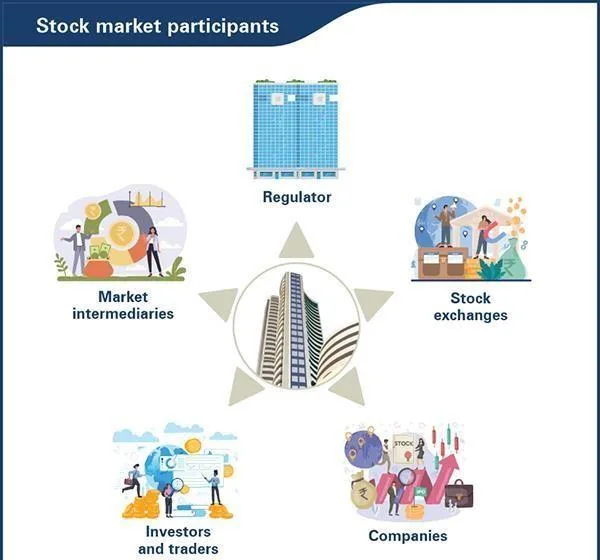
In the same way, the stock market also comprises a set of participants that contribute
to its smooth functioning. These participants are an integral link between buyers and
sellers of various securities in the securities market.
Who are the main participants of the stock market?
1. Regulator
In the stock market, there is a regulatory body that oversees the functioning and
fairness of the stock market and the entities involved that are engaged in financial
activity. The goal of this regulator is to ensure that fraud is prevented, and if taken
place is investigated thoroughly. They help keep markets efficient and transparent.
And more importantly ensure that investors such as you are treated fairly and
honestly.
There are various regulators for different sectors of the financial market like Ministry of
Finance, RBI, SEBI (Securities and Exchange Board of India), IRDA (Insurance
Regulatory and Development Authority), and PFRDA (Pension Fund Regulatory and
Development Authority) etc.
But for the Indian Stock Market, SEBI is the regulator. Let’s understand the major role
and functions of Securities and Exchange Board of India (SEBI)
1. Protects investor’s interests in securities by conducting awareness programs
2. Regulates stock market activities
3. Prevents fraud or malpractices
4. Helps develop the Indian Stock Market
5. Grants investment advisory licenses
2. Stock exchanges
The stock exchange also known as a securities exchange is a trading platform. It
facilitates the registered stockbrokers and investors to transact in securities
electronically. India has two premier stock exchanges include National Stock Exchange
(NSE) and BSE Limited (BSE).
3. Companies
Every share that you see available to be purchased or sold in the stock market today
are those issued by publicly traded companies. When a company makes an Initial
Public Offer (IPO), it becomes publicly traded, which means it introduces itself in
the stock exchange.
Now we come to the most important participant in the stock market investors and
traders such as you.
4. Investors and traders
You may know that trading and investing are two very different activities. But when
you invest in a publicly listed company in the stock exchange, you are regarded as
an investor. On the other hand, if you are looking to buy into a security for a short-
term horizon with the intention of profiting from price fluctuation in a stock, you are
regarded as a trader.
In the stock market, traders and investors have different objectives, strategies and modes
of approaching financial markets.
Within investors, there are two types. These include:
1. Retail investors – These are investors who invest in the stock market directly.

2. Institutional investors These are typically financial institutions like banks, Asset
Management Companies (AMC), insurance companies, pension funds, etc. The investors
could be domestic or foreign.
Depositories and depository participants-
In the 90s, if you had to claim ownership of any company you’ve invested in, you
had to present a share certificate in a paper format. But in this digital age, the paper
format was converted into digital format which is known as Dematerialization or
what is commonly known as DEMAT.
This brings us to the role of depositories. They are institutions that hold your
securities in this digital format. So, in other words, a depository can be conceived
of as a ‘bank for securities.
In India, there are two such organizations viz. National Securities Depository Limited
(NSDL) and Central Depository Services Limited (CDSL). However, you cannot
open an account with these depositories directly. You will have to reach out to an
agent, also known as Depository Participant (DP) to provide you with an account.
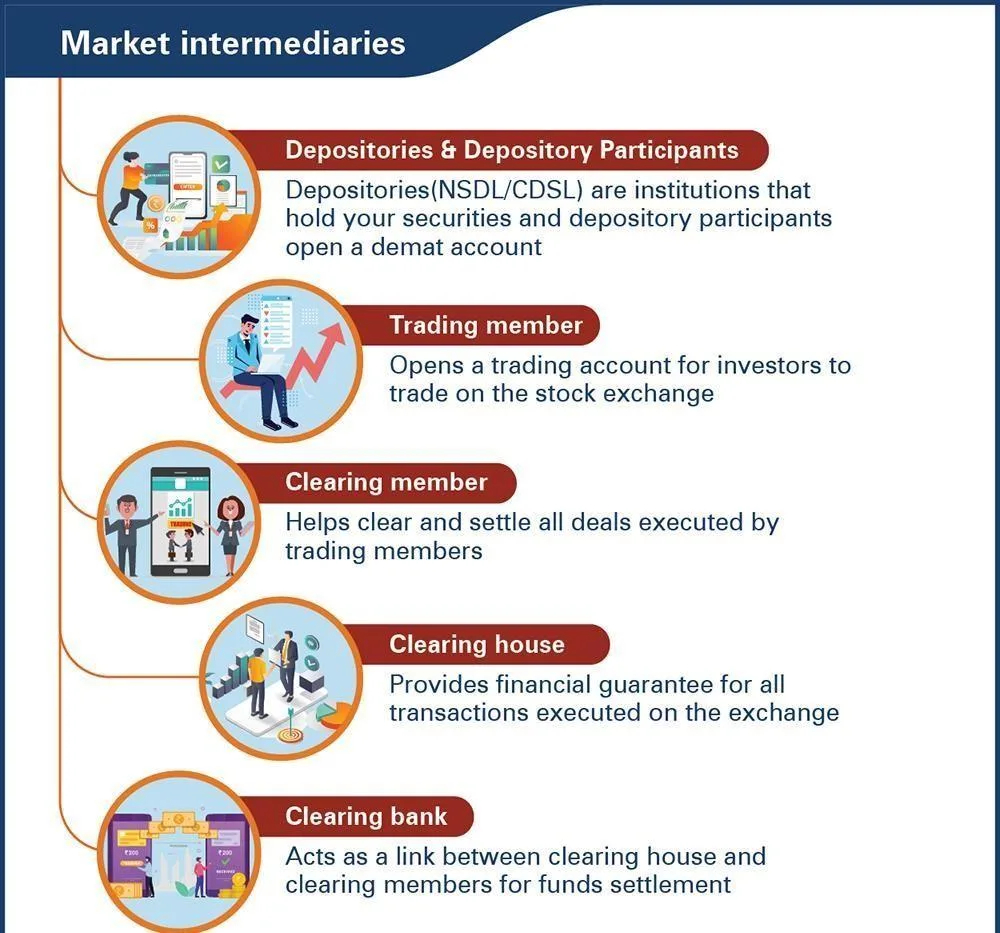
5.
Market
intermediaries
/ 20
End of Document
417

FAQs

what is the Indian stock market module 4 overview

The Indian Stock Market Module 4 Overview provides a comprehensive understanding of the key participants and functions of the stock market.

  • It covers the roles of regulators like SEBI, stock exchanges such as NSE and BSE, and the importance of investors and traders.
  • The module also explains the significance of market intermediaries and the process of trading in the stock market.
  • Additionally, it discusses the valuation of securities and how the stock market serves as an economic barometer.

how does the Indian stock market work

The Indian stock market operates as a platform for buying and selling securities, facilitating transactions between buyers and sellers.

  • It consists of various participants, including regulators, stock exchanges, companies, and investors.
  • Regulators like SEBI ensure market integrity and protect investor interests.
  • Stock exchanges such as NSE and BSE provide the infrastructure for trading, while investors can either trade or invest in securities.
  • Market intermediaries, including brokers and clearing houses, play a crucial role in executing trades and ensuring smooth settlement.

what are the key functions of the Indian stock market

The Indian stock market serves several key functions that are vital for economic growth and investment.

  • Valuation of Securities: It helps determine the market value of securities based on supply and demand.
  • Transactional Safety: The stock market ensures that all traded securities are listed and verified for authenticity.
  • Liquidity: It provides a platform for quick buying and selling of securities, ensuring investors can convert their investments into cash easily.
  • Capital Formation: The market facilitates investment opportunities, encouraging savings and investments in various sectors.

what is the role of SEBI in the Indian stock market

SEBI, or the Securities and Exchange Board of India, plays a crucial role in regulating the Indian stock market.

  • It protects investor interests by conducting awareness programs and ensuring fair practices.
  • SEBI regulates stock market activities to prevent fraud and malpractice.
  • It also helps in the development of the Indian stock market by granting licenses for investment advisory services.
  • Overall, SEBI ensures that the market operates efficiently and transparently, fostering investor confidence.

how to open a demat account in India

Opening a demat account in India is essential for trading in the stock market.

  1. Choose a Depository Participant (DP): Select a registered DP from NSDL or CDSL.
  2. Fill the Application Form: Download or collect the form, fill in your details, and attach required documents.
  3. Submit Documents: Provide necessary identification and address proof, along with a PAN card copy.
  4. E-Sign with Aadhar: Use your Aadhar number for e-signing the application.
  5. Wait for Verification: The DP will verify your application and send you a welcome kit.

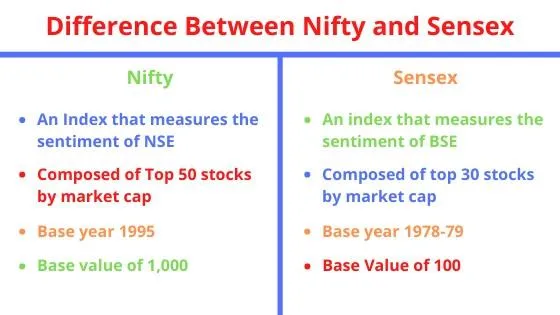
what is the difference between Sensex and Nifty

Sensex and Nifty are both stock market indices in India, but they differ in composition and calculation.

AspectSensexNifty
Number of Companies3050
ExchangeBombay Stock Exchange (BSE)National Stock Exchange (NSE)
Calculation MethodMarket CapitalizationMarket Capitalization
Established18751996

what are the types of stock trade orders

There are several types of stock trade orders that investors can use in the Indian stock market.

  • Market Order: Buy or sell a stock at the current market price.
  • Limit Order: Set a maximum price to buy or minimum price to sell.
  • Stop Order: Trigger a sale when the stock reaches a specified price.
  • Stop-Limit Order: Combines stop and limit orders, setting both a stop price and a limit price.

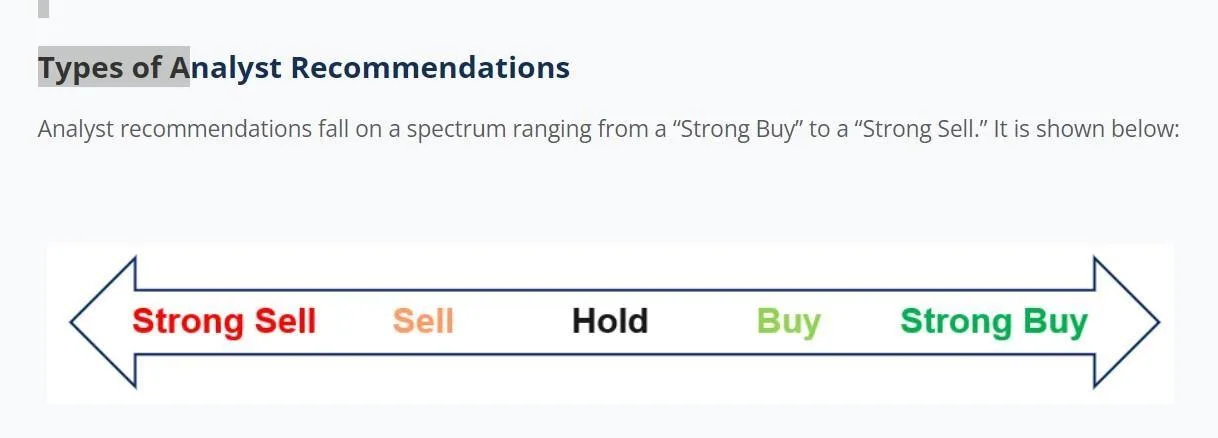
what are analyst recommendations in the Indian stock market

Analyst recommendations provide guidance on investment decisions in the Indian stock market.

  • Strong Buy: Analysts expect significant price increases and recommend buying.
  • Buy: A recommendation to increase holdings based on expected price rises.
  • Hold: Suggests maintaining current positions without buying or selling.
  • Sell: Analysts anticipate price declines and advise selling holdings.
  • Strong Sell: A strong recommendation to sell due to expected substantial price drops.

what is the importance of the Bombay Stock Exchange

The Bombay Stock Exchange (BSE) is significant for several reasons in the Indian financial market.

  • It is the oldest stock exchange in Asia, established in 1875, which adds historical value.
  • BSE provides a platform for trading in various securities, including stocks and derivatives.
  • It is home to key indices like the Sensex, which reflects market performance.
  • BSE plays a crucial role in investor education, promoting awareness of market operations.

how does the Indian stock market contribute to economic growth

The Indian stock market significantly contributes to economic growth through various mechanisms.

  • It facilitates capital formation by enabling companies to raise funds through public offerings.
  • The market encourages savings and investments, leading to increased liquidity.
  • By providing a platform for trading, it enhances the efficiency of capital allocation.
  • Overall, the stock market acts as a barometer of economic health, reflecting investor sentiment and market dynamics.