CSG Pre-Work Level One focuses on preparing students for Collaborative Study Groups (CSGs) by guiding them through the process of identifying specific questions from their coursework. This resource is designed for educators looking to enhance student engagement and understanding through structured inquiry. It includes templates for students to articulate their questions, outline their thought processes, and prepare for collaborative discussions. Ideal for teachers implementing AVID strategies in their classrooms, this guide supports academic skills development and promotes critical thinking. It is suitable for various subjects and grade levels, making it a versatile tool for educators.
Key Points
Guides students in identifying specific questions from their coursework.
Includes templates for outlining thought processes and solutions.
Supports the development of critical thinking and inquiry skills.
Designed for educators implementing AVID strategies in the classroom.
This link leads to an external site. We do not know or endorse its content, and are not responsible for its safety. Click the link to proceed only if you trust this site.
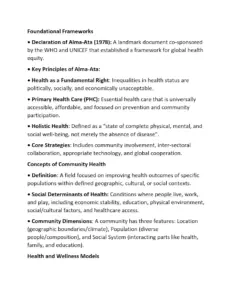
Community Health: Frameworks and ConceptsStudy Guide
PDFStudy Guide
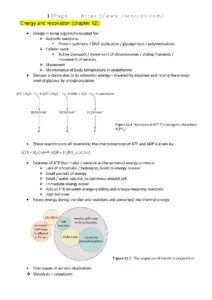
Energy and Respiration for A Level Biology StudentsStudy Guide
PDFStudy Guide
A Level Inheritance Study Guide for Biology StudentsStudy Guide
PDFStudy Guide
Photosynthesis Study Guide for A Level BiologyStudy Guide
PDF
Vocabulary Workshop Level B Unit 10 Answers
PDF
Vocabulary Workshop Level E Unit 7 Answers
PDFStudy Guide
English Speaking and Writing Guide for Reviews, Interviews, and LettersStudy Guide
PDFStudy Guide
Determinants DIBY MathsStudy Guide
PDFStudy Guide
KPP 03 ElectrostaticsStudy Guide
PDFStudy Guide
Tarentaal: Poem Analysis and Study GuideStudy Guide
PDFStudy Guide
OPP Question Bank: Comprehensive Guide for Printing TechniquesStudy Guide
PDFStudy Guide
Artificial Intelligence and Machine Learning Practical GuideStudy Guide
FAQs
What is the purpose of CSG Pre-Work Level One?
The CSG Pre-Work Level One is designed to help students identify specific questions based on concepts or problems they do not understand. It encourages critical thinking by prompting students to reflect on their learning and articulate their confusion. This process aids in deepening their understanding before participating in Collaborative Study Groups (CSGs). By preparing in this way, students can engage more effectively during group discussions.
What components are included in the CSG Pre-Work Level One template?
The CSG Pre-Work Level One template includes sections for students to note their original question, the source of that question, and to show their solution as far as they can. Additionally, it prompts students to specify where they got stuck in their work. This structured approach helps students organize their thoughts and prepares them for collaborative inquiry with peers.
How does the CSG Pre-Work Level One support student learning?
The CSG Pre-Work Level One supports student learning by guiding them to reflect on their understanding and identify specific areas of confusion. By breaking down their learning process, students can clarify their thoughts and engage in meaningful discussions during CSGs. This preparation fosters a collaborative environment where students can support each other's learning through inquiry and discussion.
What types of questions should students focus on in CSG Pre-Work Level One?
Students should focus on questions that arise from their notes, homework, textbooks, or tests—specifically, questions they missed or do not understand. The template encourages them to simplify these questions and articulate them clearly, which is essential for effective participation in Collaborative Study Groups. This focus on specific, personal questions enhances the relevance and depth of group discussions.
What strategies can students use to approach their questions in CSG Pre-Work Level One?
Students can use several strategies to approach their questions in CSG Pre-Work Level One. They are encouraged to review their resources, such as Cornell Notes and textbooks, to clarify their confusion. Additionally, they can work backwards from the problem, break down the question into smaller parts, and reflect on similar problems they have solved in the past. These strategies promote critical thinking and help students develop a deeper understanding of the material.
Related
PDFStudy Guide
Fundamentals of Python Programming Practice SetStudy Guide
PDFStudy Guide
Common Finance Interview Questions and AnswersStudy Guide
PDFStudy Guide
AP Physics 1 Unit 3 MCQ Scoring Guide – Concepts of Energy and MotionStudy Guide
PDFStudy Guide
QuickBooks Online 2020 ReviewerStudy Guide
PDFStudy Guide
Accounting Information Systems Test BankStudy Guide