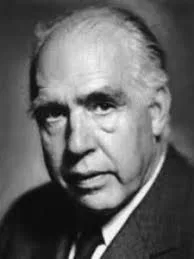
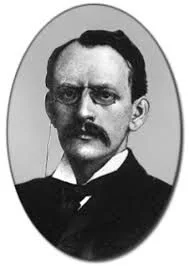
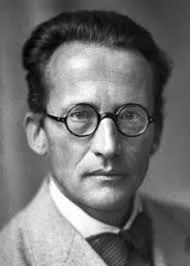
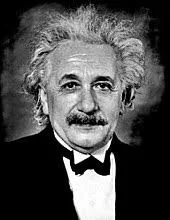
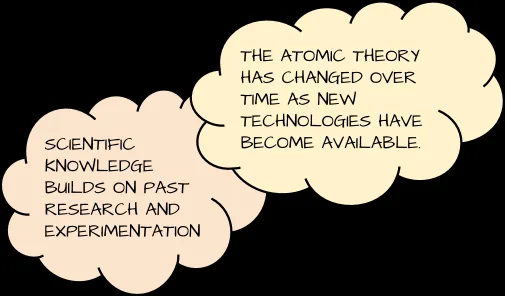
The Atomic Theory Timeline Project explores the evolution of atomic theory from ancient Greece to modern science. It covers key figures such as Democritus, Dalton, Thomson, Rutherford, Bohr, and contemporary scientists. This project includes a detailed timeline with significant dates, atomic models, and analogies that illustrate the development of atomic theory. Designed for students studying chemistry or physics, it provides a comprehensive overview of how scientific understanding of matter has changed over time.
Key Points
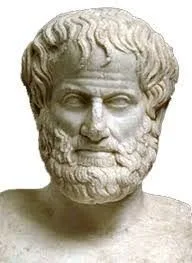
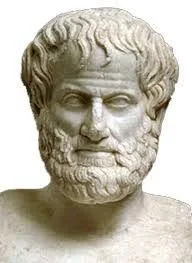
- Explores the contributions of Democritus and Aristotle to early atomic theory.
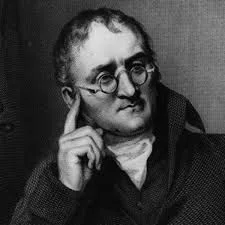
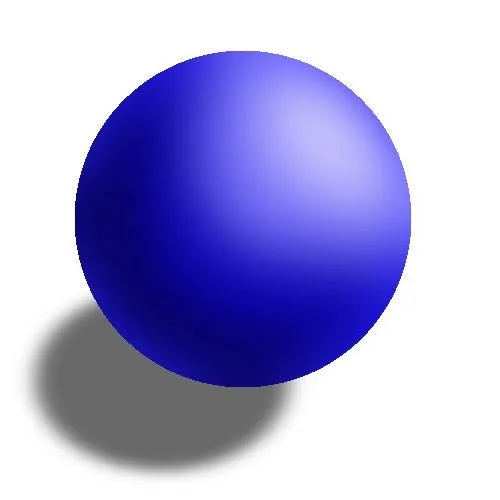
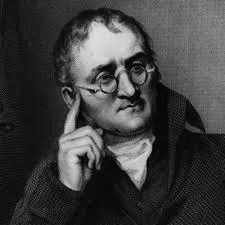
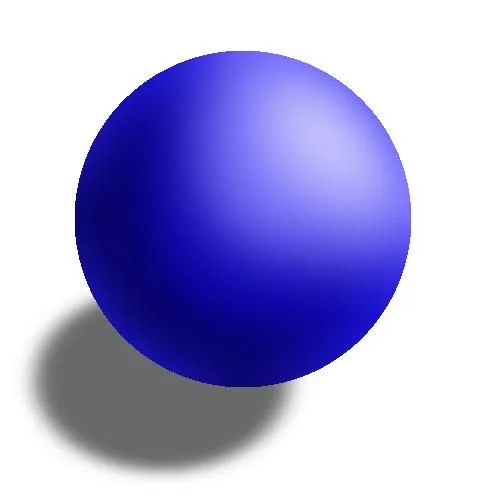
- Covers John Dalton's formulation of the first modern atomic theory in 1803.
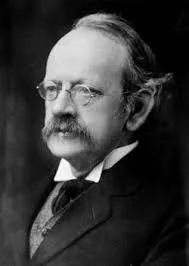
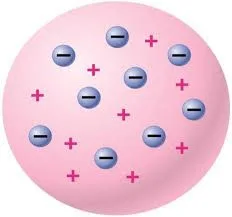
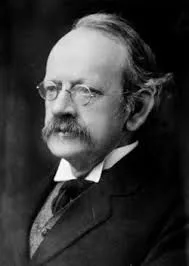
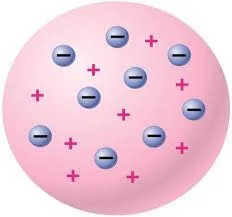
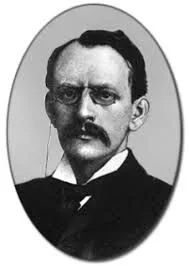
- Details J.J. Thomson's discovery of the electron and the 'plum pudding' model in 1897.
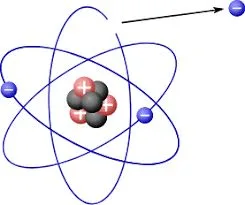
- Describes Ernest Rutherford's gold foil experiment and the discovery of the nucleus in 1908.
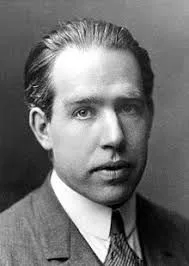
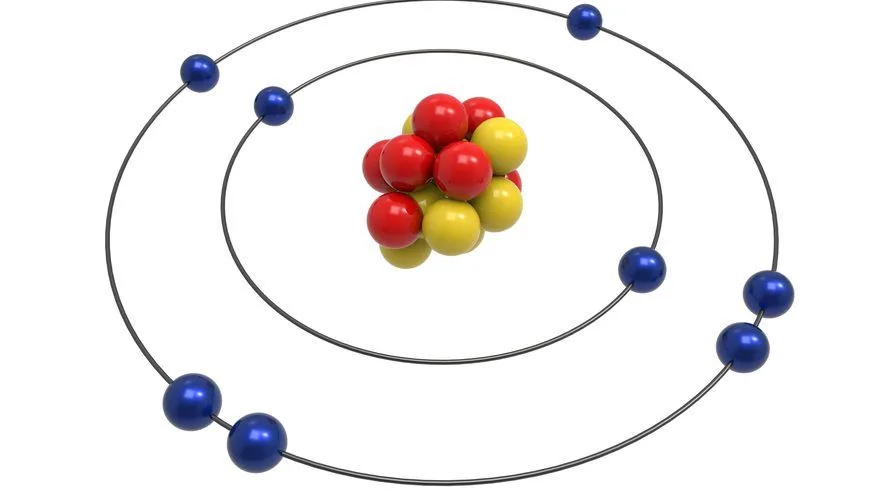
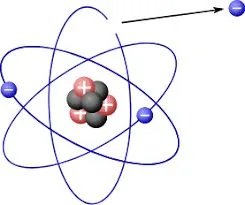
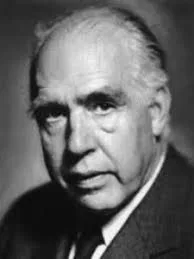
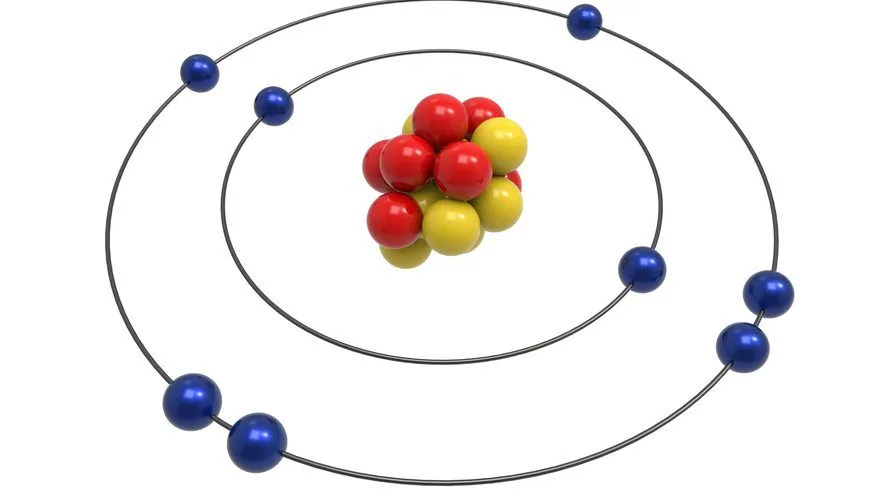
- Discusses Niels Bohr's model of electrons in defined orbits around the nucleus in 1913.
- Includes modern cloud theory explaining electron behavior in the 20th century.