Explore the intricate relationships between species in ecosystems with this comprehensive guide on adaptation, interdependence, and competition. This resource delves into food chains, the survival mechanisms of organisms like the snowshoe hare, and the impact of environmental changes on species populations. Ideal for students studying biology and ecology, it provides insights into feeding relationships and the effects of pollution on aquatic life. Use this material to enhance your understanding of ecological dynamics and prepare for exams.
Key Points
Examines the role of adaptation in species survival and ecosystem balance.
Analyzes food chains and the interdependence of organisms in habitats.
Discusses the effects of environmental changes on species populations.
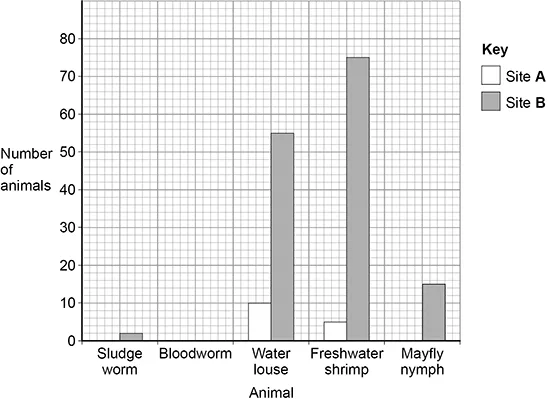
Explores the impact of pollution on river ecosystems and aquatic organisms.
This link leads to an external site. We do not know or endorse its content, and are not responsible for its safety. Click the link to proceed only if you trust this site.
Grade 4 Mathematics Final Exam Revision Worksheet: A Comprehensive GuideWorksheet
PDFWorksheet
Grade 4 Mathematics Final Exam Revision WorksheetWorksheet
PDFWorksheet
Grade 5 Mathematics Final Exam Revision WorksheetWorksheet
PDFWorksheet
Grade 4 Mathematics Final Exam Term 2Worksheet
PDFWorksheet
Grade 7 Mathematics Practice Questions and AnswersWorksheet
PDFWorksheet
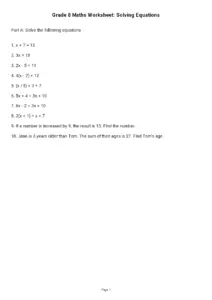
Grade 8 Equations WorksheetWorksheet
PDFWorksheet
Adding and Subtracting Fractions ExplainedWorksheet
PDFWorksheet
Grade 8 ICT Homework – Computer Hardware and SoftwareWorksheet
PDFWorksheet
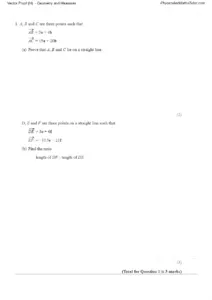
Vector Proof (H) QP – Geometry and MeasuresWorksheet
PDFWorksheet
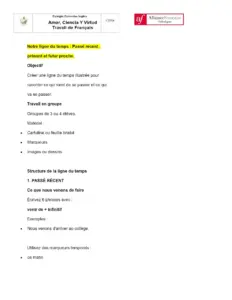
EMP Francais 10 – 2e TrimestreWorksheet
PDFWorksheet
Present Continuous Tense Worksheet for ESL LearnersWorksheet
FAQs
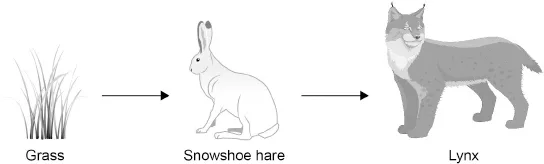
What is the source of energy for grass in a food chain?
The source of energy for grass is sunlight. Grass, as a producer, utilizes photosynthesis to convert sunlight into chemical energy, which allows it to grow and thrive in its habitat.
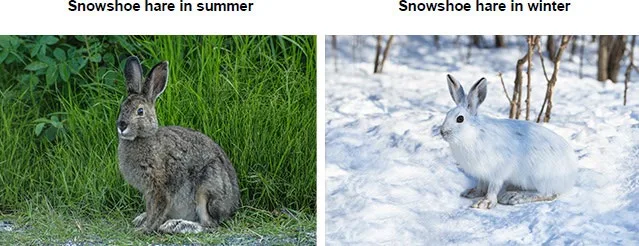
How does the snowshoe hare's fur color affect its survival?
The snowshoe hare has different fur colors in summer and winter, which enhances its chances of survival. In summer, its brown fur helps it blend into the environment, providing camouflage from predators. In winter, its white fur matches the snow, making it less visible to lynx and other predators, thus increasing its survival rate.
What factors influence the population of snowshoe hares?
The population of snowshoe hares can increase due to factors such as a decrease in predation or an abundance of food sources like grass. Additionally, environmental conditions that favor their reproduction and growth can also contribute to population spikes.
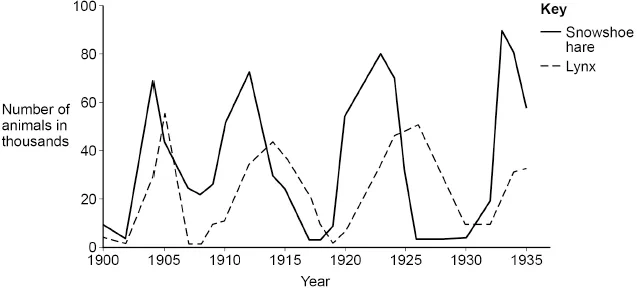
What happens to the number of snowshoe hares and lynx over time?
The data shows that the numbers of snowshoe hares and lynx fluctuate over time, with increases and decreases occurring several times between 1900 and 1935. Typically, when the hare population increases, the lynx population also rises due to the availability of food, but this is followed by a decrease in hares due to increased predation.
What abiotic and biotic factors affect earthworm populations?
Abiotic factors that could affect earthworm populations include soil moisture and temperature, as these conditions influence their habitat and survival. Biotic factors include the availability of organic matter for food and the presence of predators, which can impact their numbers in different environments.
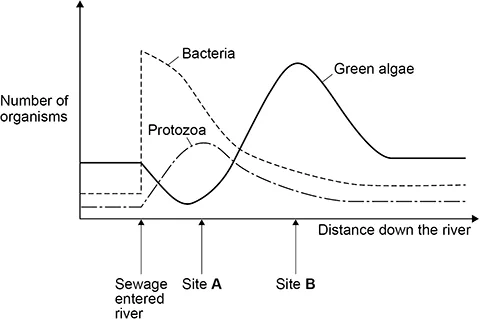
How does untreated sewage affect river ecosystems?
Untreated sewage entering a river leads to a rapid increase in bacteria and green algae due to the nutrient load. This increase can deplete dissolved oxygen levels, negatively impacting other aquatic life. As the algae grow, they can eventually lead to a restoration of oxygen levels, but the initial impact often disrupts the ecosystem balance.
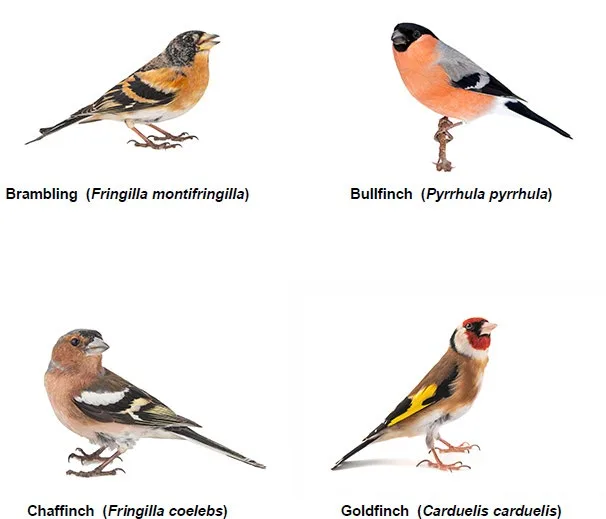
What evidence supports the classification of brambling and bullfinch as different species?
Scientists classify brambling and bullfinch as different species based on their inability to breed together and produce fertile offspring. This reproductive isolation is a key factor in defining species and indicates that these two birds have distinct genetic and biological differences.