

Access an extensive, community-driven archive of Ancient History PDFs, chronological timelines, archaeological summaries, and exam study guides curated to maximize your academic grades and historical research. This dedicated resource library tracks the emergence, golden ages, and ultimate collapses of early human civilizations from the invention of writing up to the fall of classical empires. Whether you are mapping out the trade routes of the Mediterranean, analyzing primary source tablets, or preparing for an upcoming university ancient history test bank, these files give you instant, downloadable clarity.
Ancient History is the academic study of the human past stretching from the dawn of recorded human history (roughly 3000 BCE with Sumerian cuneiform script) up to the early Middle Ages and the collapse of major classical structures like the Western Roman Empire (around 500 CE). Because written records from this era are often fragmented or biassed, the discipline relies on a meticulous combination of textual analysis, epigraphy (the study of inscriptions), numismatics (the study of ancient coins), and physical archaeology. By examining how early societies developed complex laws, organized state religions, managed resource distribution, and waged military campaigns, students gain a fundamental understanding of the core roots of global governance, engineering, and culture.
Our collaborative document network hosts student-shared lecture outlines, archival reading notes, and midterm review packages organized across the foundational civilizations of antiquity:
Mesopotamia & The Levant: Download comprehensive study sheets tracking the pioneering city-states of Sumer, Akkad, Babylon, and Assyria. Access documents detailing the Code of Hammurabi, early cuneiform translation keys, and irrigation engineering records.
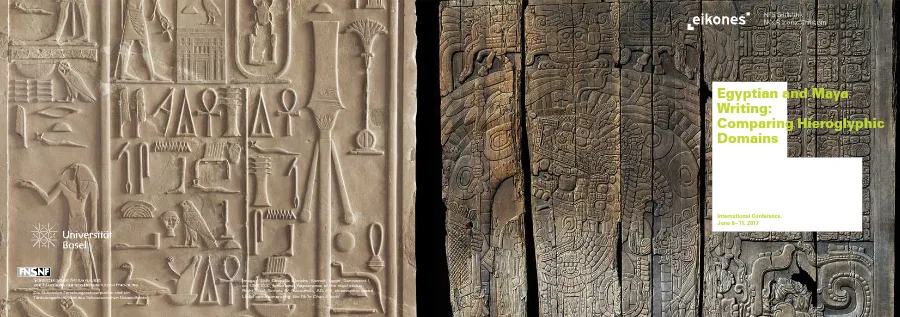
Ancient Egypt: Review lecture outlines covering the Old, Middle, and New Kingdoms. Access specialized visual guides analyzing pharaonic bureaucracy, hieroglyphic monuments, religious death rituals, and global trade connections along the Nile.
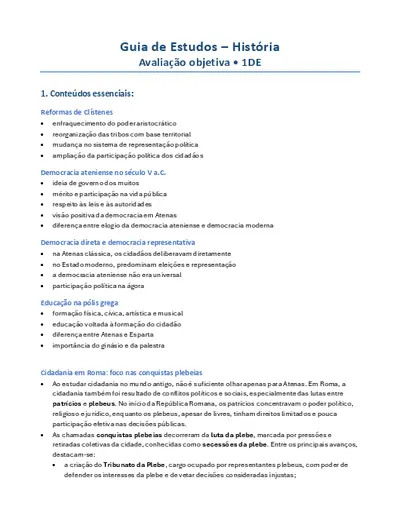
Ancient Greece: Study peer-shared dossiers mapping the Minoan and Mycenaean palace periods, the rise of independent poleis (city-states) like Athens and Sparta, the Persian Wars, and the expansive Hellenistic world forged by Alexander the Great.
The Roman World: Download complete exam revision packs tracking Rome’s evolution from a regional monarchy into a powerful Republic, and finally into a massive global Empire. Study files covering the Punic Wars, the breakdown of republican institutions, provincial management, and the eventual rise of Byzantine structures.
Global Antiquity: Access localized reading notes outlining parallel early empires outside of the Mediterranean basin. Track the Indus Valley Civilization, the Shang and Han dynasties of early China, the Kingdom of Kush in Northeast Africa, and the formative Olmec and Maya complexes of early Mesoamerica.
| Ancient Civilization | Defining Historical Elements | Common Media / Source Types | Primary Academic Focus Area |
| Mesopotamian States | Cuneiform law, ziggurats, city-states | Clay tablets, archaeological excavation logs | Legal evolution, early urban planning, trade |
| Pharaonic Egypt | Monumental stonework, divine kingship | Papyrus scrolls, tomb murals, stelae | Dynastic lineages, religious bureaucracy, economy |
| Classical Greece | Direct democracy, philosophy, theater | Epigraphic inscriptions, classical histories | Democratic evolution, military strategies, rhetoric |
| Imperial Rome | Roman law, aqueducts, standing legions | Coinage (numismatics), imperial decrees, ruins | Imperial expansion, administrative policy, collapse |
Because surviving written records are rare, ancient historians use cross-disciplinary verification. They cross-reference historical texts (such as accounts by Herodotus or Livy) with physical evidence found by archaeologists. For example, matching an ancient writer’s account of a battle with physical layers of ash, weapons, and coins discovered at an excavation site allows researchers to confirm exact timeline events and evaluate the reliability of original sources.
The Silk Road was a vast, interconnected network of Eurasian trade routes active during antiquity that linked the Roman Empire with Han Dynasty China. Beyond the exchange of luxury goods like silk, spices, and Roman glassware, these pathways served as a critical pipeline for the transmission of religious ideas (such as Buddhism moving into East Asia), technological innovations, and devastating biological plagues.
As documented in our Roman World study guides, the Republic collapsed due to severe wealth inequality, internal slave revolts, and the immense growth of military power held by individual generals (like Julius Caesar) over the Roman Senate. When these generals placed their personal political ambitions above traditional legal systems, it triggered a series of civil wars that ultimately replaced the Republic with an autocratic empire under Augustus.
Yes. Learning how to source documents using frameworks like APPARTS or SOAPSTone is essential for top grades in ancient history courses. Our user community frequently uploads completed primary source worksheets analyzing items like the Rosetta Stone or the writings of Tacitus, helping you structure your own essay citations perfectly under timed exam conditions.
Every timeline, lecture sheet, and artifact summary across our ancient history folders is maintained by a global community of students and historical researchers who believe in open, shared study tools. To see how these early civilizations connect with subsequent eras, regional evolutions, or adjacent disciplines, return to our primary Chesser Resources Browse Directory.
Ready to download premium ancient timelines or civilization study bundles? Join our decentralized academic exchange: navigate to your user dashboard, upload 5 of your own course outlines, lecture notes, or historical essays, and instantly secure unrestricted access to the high-yield PDFs you need to maximize your scores today.