Access an extensive, community-driven archive of History of the Environment PDFs, chronological timelines, ecological case studies, and exam study guides curated to maximize your academic grades and research depth. This dedicated resource library tracks the reciprocal, dynamic, and evolving relationship between human societies and the non-human world—ranging from ancient agricultural transformations and imperial resource extraction to global industrialization and the dawn of the Anthropocene. Whether you are analyzing the historical vectors of resource depletion, tracking the legislative milestones of the global conservation movement, or preparing for a university exam test bank, these files give you instant, downloadable clarity.
The History of the Environment (commonly known as Environmental History) is an interdisciplinary academic field that studies how human cultures, economies, and political systems have interacted with, modified, and been shaped by nature over time. Breaking away from traditional historical frameworks that treat the physical world as a static backdrop, this subject integrates ecological data, climate science, geography, and archival text analysis. Students explore how natural actors—such as climate fluctuations, micro-organisms, geological features, and wildlife populations—actively influenced human migrations, imperial expansions, and state collapses. Conversely, the field evaluates the historical consequences of human land management, deforestation, industrial emissions, and toxic waste disposal. Studying environmental history develops advanced skills in environmental literacy, interdisciplinary historiography, and sustainability policy assessment, which are critical for careers in environmental law, urban planning, climate diplomacy, and research.
Our collaborative document network hosts student-shared lecture outlines, archival reading notes, and midterm review packages organized across the distinct eras of environmental history:
The Neolithic Revolution & Early Empires: Download study sheets tracking the environmental impacts of the transition from foraging to sedentary farming, early irrigation systems (such as the Fertile Crescent and Indus Valley), and imperial deforestation for shipbuilding across the ancient Mediterranean.
The Columbian Exchange: Access deep-dive reading outlines analyzing the massive, post-1492 ecological shocks caused by the transoceanic transfer of pathogens, invasive livestock, flora, and fauna between the Old and New Worlds, radically altering global landscapes.
Fossil Fuels & Atmospheric Shifts: Download exam revision packages detailing the historical transition from biomass (wood, water) to fossilized energy (coal, oil), the rapid expansion of urban smog centers in 19th-century Britain, and the early origins of global carbon emissions.
Imperial Resource Fronts: Review dossiers mapping the aggressive commodification and extraction of natural resources under European and American imperialism, including global rubber tapping, silver mining in Potosí, and intensive commercial whaling networks.
Preservation vs. Conservation: Download comprehensive timelines analyzing the foundational American ideological split between John Muir’s preservationism (protecting wilderness for its intrinsic value) and Gifford Pinchot’s utilitarian conservationism (managing natural resources sustainably for human use).
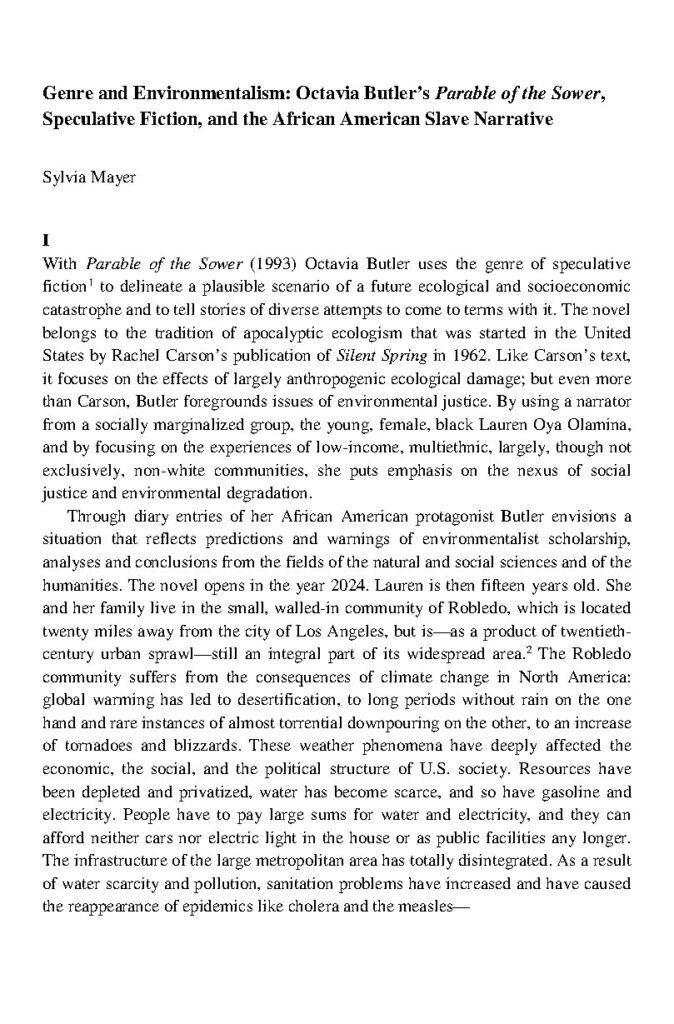
The Mid-Twentieth Century Awakening: Access reading outlines tracking the impact of Rachel Carson’s 1962 book Silent Spring, which exposed the ecological dangers of synthetic pesticides (DDT) and sparked the modern environmental movement, culminating in the first Earth Day in 1970 and the creation of the US EPA.
The “Great Acceleration”: Access data-driven study sheets detailing the exponential mid-20th-century surge in global population, water use, synthetic fertilizer deployment, plastic production, and energy consumption that marked the transition into a human-dominated geological epoch.
Global Environmental Governance: Review notes analyzing international environmental diplomacy, tracking the structural successes of the 1987 Montreal Protocol in reversing ozone depletion alongside the political and economic hurdles of the Kyoto Protocol and the Paris Climate Agreement.
| Epoch / Environmental Era | Dominant Energy Regime | Primary Ecological Disruptions | Key Historical Sources |
| Ancient Agricultural | Human & animal muscle, biomass (wood), water wheels | Localized deforestation, soil salinization, river siltation | Paleoclimate ice cores, archaeological pollen, royal forest laws |
| Early Modern Colonial | Kinetic wind/sails, biomass, draught animal labor | Biological homogenization, massive cash-crop monocultures | Merchant shipping logs, botanical garden registries, land grants |
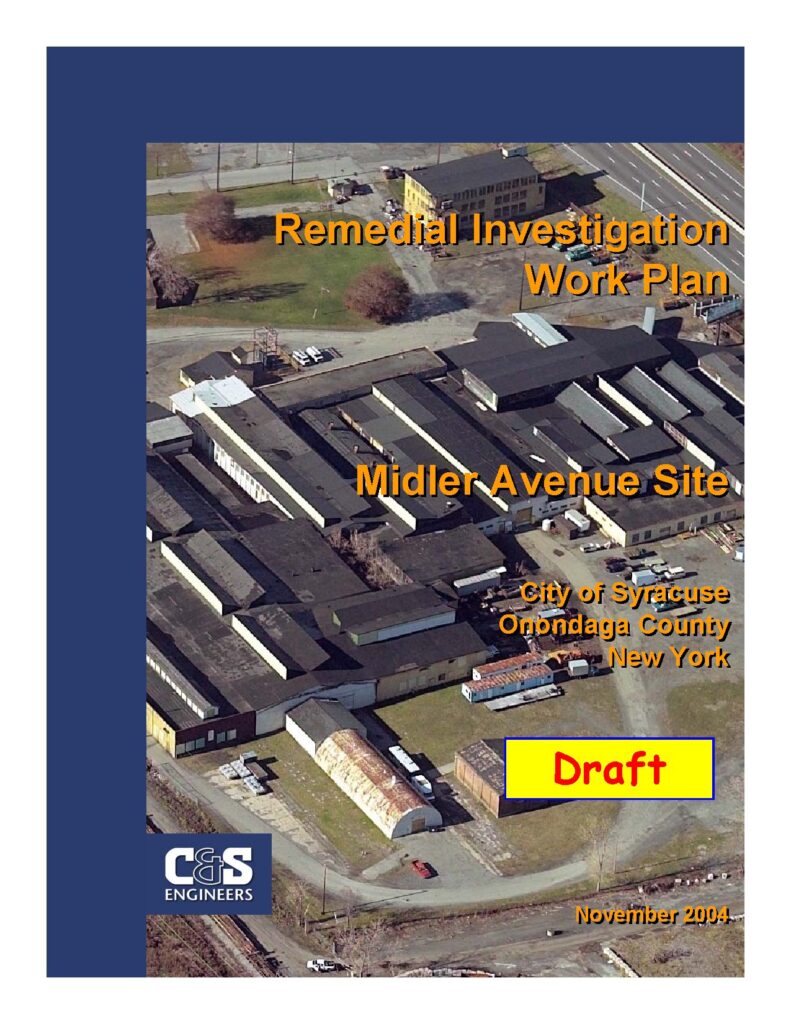
| Industrial Era (19th c.) | Concentrated fossil coal, steam engineering systems | Severe urban air pollution, acid rain, widespread coal mine tailings | Public health commission reports, factory smog data, urban legislation |
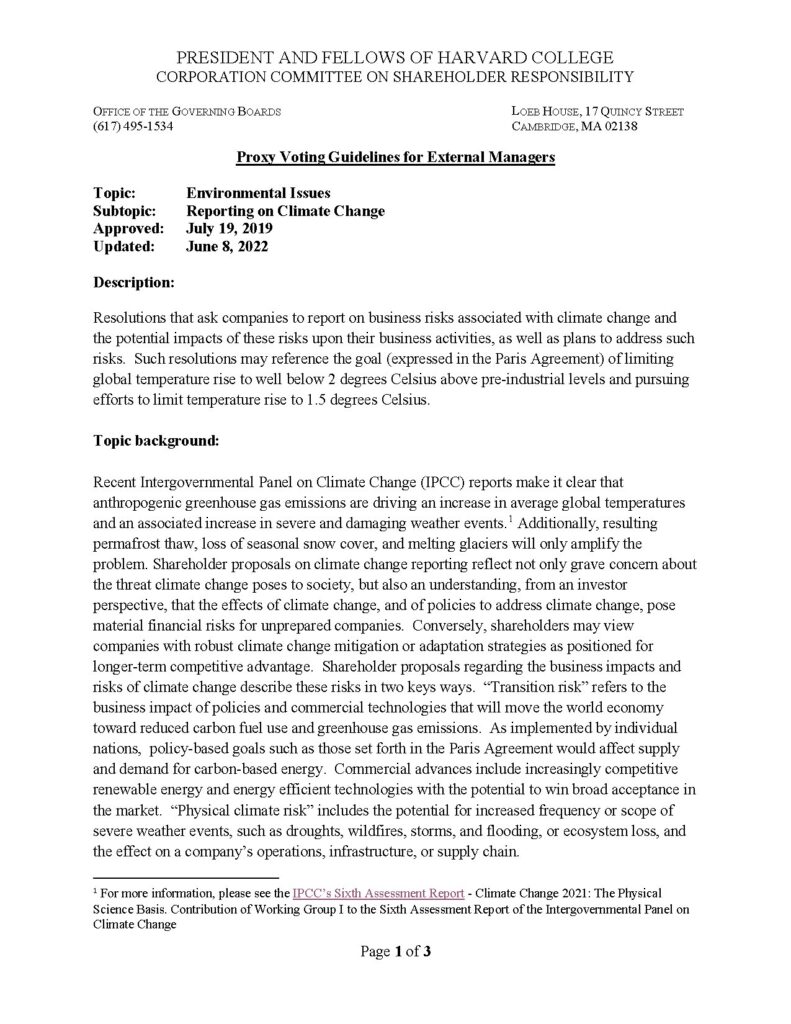
| The Anthropocene (Post-1945) | Petroleum oil, natural gas, nuclear fission, hydro-dams | Global climate change, microplastics, rapid biodiversity loss | Satellite imagery, IPCC science assessments, air quality indexes |
This section addresses the most frequently searched historical problems, keyword-targeted exam prompts, and foundational questions sourced from university environmental studies and history test banks.
The Anthropocene is a proposed geological epoch that succeeds the Holocene. It is characterized by the period during which human activity emerged as the dominant force shaping Earth’s climate, ecosystems, and geology. In historical scholarship, while some argue the epoch began with the Industrial Revolution, the prevailing consensus places its official starting point around 1950. This boundary is marked by the “Great Acceleration” of industrial activity and the distinctive global layer of radioactive isotopes left behind by nuclear weapons testing.
The environmental impact of the Columbian Exchange was profound and irreversible. The introduction of Old World livestock—such as cattle, pigs, sheep, and horses—drastically altered the American terrain. These animals overgrazed native grasses, accelerated soil erosion, and disrupted indigenous agricultural patterns. Simultaneously, European agricultural practices led to widespread deforestation for monoculture farming, while invasive European weeds choked out native flora, permanently reshaping the ecological landscape of the Americas.
The 1930s Dust Bowl in the North American Great Plains was a human-induced environmental catastrophe intensified by natural climate variability. Decades of deep plowing and the aggressive expansion of intensive mechanized wheat farming destroyed the deep-rooted native prairie grasses that naturally held moisture and anchored the topsoil. When a severe, prolonged drought struck the region, the stripped, unprotected soil dried up and blew away in massive dust storms, demonstrating the catastrophic economic and human cost of ignoring ecological limits and soil dynamics.
The Montreal Protocol on Substances that Deplete the Ozone Layer is widely regarded as the most successful international environmental treaty in history. Its success was driven by a tight, clear scientific consensus regarding the direct link between chlorofluorocarbons (CFCs) and the destruction of the ozone layer. Geopolitically and economically, the treaty succeeded because chemical companies had already developed viable, cost-effective synthetic alternatives to CFCs, and the agreement included robust financial mechanisms to help developing nations smoothly transition away from the harmful chemicals.
Published in 1962, Silent Spring meticulously documented the destructive, bioaccumulative environmental impacts of the widespread, unregulated use of synthetic pesticides, particularly DDT. Carson argued that these chemicals poisoned the entire food chain, decimated bird populations, and posed severe risks to human health. The book bypassed closed industrial circles to engage the general public directly, creating a massive wave of grassroots environmental activism that pushed the US government to ban DDT and establish the Environmental Protection Agency (EPA) in 1970.
Yes. Deconstructing international climate accords, conservation treaties, industrial pollution manifests, or historical public health records is standard work for environmental history majors. Our global user network frequently uploads completed document-based question (DBQ) worksheets, essay citation frameworks, and primary source analysis guides to help you streamline your study workflow before exam week.
Every ecological timeline, resource extraction summary, and atmospheric data outline across our history indexes is maintained by a global network of students and researchers who believe in decentralized, open educational tools. To see how these environmental timelines intersect with adjacent regional chronicles, economic developments, or global lineages, return to our primary Chesser Resources Browse Directory.
Ready to download premium Industrial Revolution environmental pollution essays or Montreal Protocol case study sheets? Join our shared academic network: navigate to your user dashboard, upload 5 of your own course outlines, lecture notes, or historical essays, and instantly secure unrestricted access to the high-yield PDFs you need to maximize your grades today.