Changing Climate in Brazil explores the economic vulnerabilities and opportunities arising from climate change. It focuses on key sectors such as agriculture and hydropower, examining the impacts of rising temperatures and extreme weather events. The paper outlines policy options to enhance resilience and promote green growth, highlighting Brazil’s potential for sustainable development. This analysis is essential for policymakers, environmentalists, and stakeholders interested in climate adaptation strategies in Brazil.

Key Points

  • Analyzes Brazil’s economic vulnerabilities to climate change, focusing on agriculture and hydropower.
  • Discusses the impact of rising temperatures and extreme weather on productivity and infrastructure.
  • Outlines policy options for enhancing resilience and promoting green growth in Brazil.
  • Highlights Brazil’s potential for sustainable development through a green energy mix.
MartinRogers
32 pages
Language:English
Type:Report
MartinRogers
32 pages
Language:English
Type:Report
314
/ 32
Changing Climate in
Brazil
Key Vulnerabilities and Opportunities
Chen Chen, Koralai Kirabaeva, Christina Kolerus, Ian Parry, and
Nate Vernon
WP/24/185
IMF Working Papers describe research in
progress by the author(s) and are published to
elicit comments and to encourage debate.
The views expressed in IMF Working Papers are
those of the author(s) and do not necessarily
represent the views of the IMF, its Executive Board,
or IMF management.
2024
AUG
* The author(s) would like to thank Ana Corbacho, James Roaf, Rishi Goyal, Swarnali Hannan, Stephane Hallegatte, and seminar
participants at the IMF WHD seminar for their valuable comments, as well as Mengqi Zhao (at Pacific Northwest National
Laboratory), Karlygash Zhunussova and Danchen Zhao for their inputs to the modeling exercises and Gabriel Moura Queiroz for
excellent research assistance.
© 2024 International Monetary Fund WP/24/185
IMF Working Paper
Wes
tern Hemisphere and Fiscal Affairs Department
Changing Climate in Brazil: Key Vulnerabilities and Opportunities
Prepared by Chen Chen, Koralai Kirabaeva, Christina Kolerus, Ian Parry, and Nate Vernon*
Authorized for distribution by Ana Corbacho and James Roaf
August 2024
IMF Working Papers describe research in progress by the author(s) and are published to elicit
comments and to encourage debate. The views expressed in IMF Working Papers are those of the
author(s) and do not necessarily represent the views of the IMF, its Executive Board, or IMF management.
ABSTRACT: This paper assesses
the Brazilian economys exposure to climate change focusing on two key
areas: agriculture and hydropower. While climate vulnerabilities are significant and recent patterns of land-use
further amplify climate change risk, Brazil’s opportunities for green growth are vast. Given geography and
existing infrastructure, notably the very green energy mix, Brazil can boost its economic potential while
mitigating a potential tradeoff between energy use, emissions, and growth. Policy options to address key
vulnerabilities and leverage opportunities include boosting the Amazons resilience via fiscal incentives for
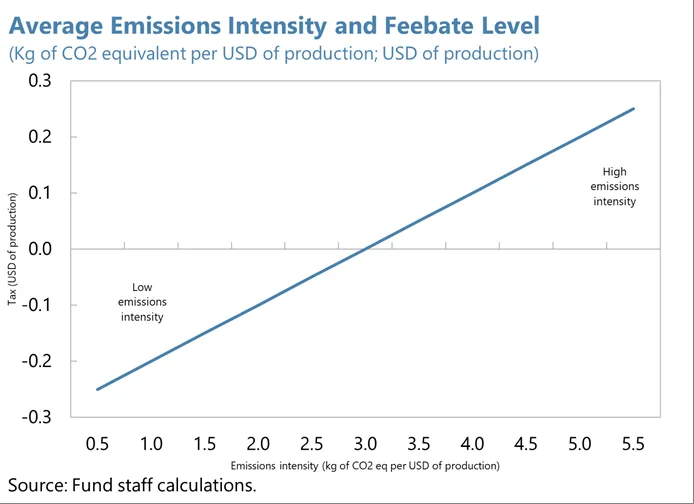
forest protection, investing in climate smart agriculture and insurance guided by sustainable feebates,
continuing the diversification of renewable power generation, and stimulating green growth while greening the
financial sector.
RECOMMENDED CITATION: Chen Chen, Koralai Kirabaeva, Christina Kolerus, Ian Parry, Nate Vernon
(2024). “Changing Climate in Brazil: Key Vulnerabilities and Opportunities”. IMF WP/24/185
JEL Classification Numbers:
Q17, Q48, Q54, Q56, H23, O13
Keywords:
Climate change; deforestation; fiscal incentives; feebate;
carbon market; adaptation
Authors E-Mail Address:
cchen3@imf.org, kkirabaeva@imf.org, ckolerus@imf.org,
iparry@imf.org, nvernon@imf.org

WORKING PAPERS
Changing Climate in Brazil
Key Vulnerabilities and Opportunities
Prepared by Chen Chen, Koralai Kirabaeva, Christina Kolerus, Ian Parry,
and Nate Vernon
/ 32
End of Document
314

FAQs

what are the key vulnerabilities in the report 'Changing Climate in Brazil: Key Vulnerabilities and Opportunities'?

The report 'Changing Climate in Brazil: Key Vulnerabilities and Opportunities' identifies significant vulnerabilities in Brazil's economy due to climate change, particularly in agriculture and hydropower generation.

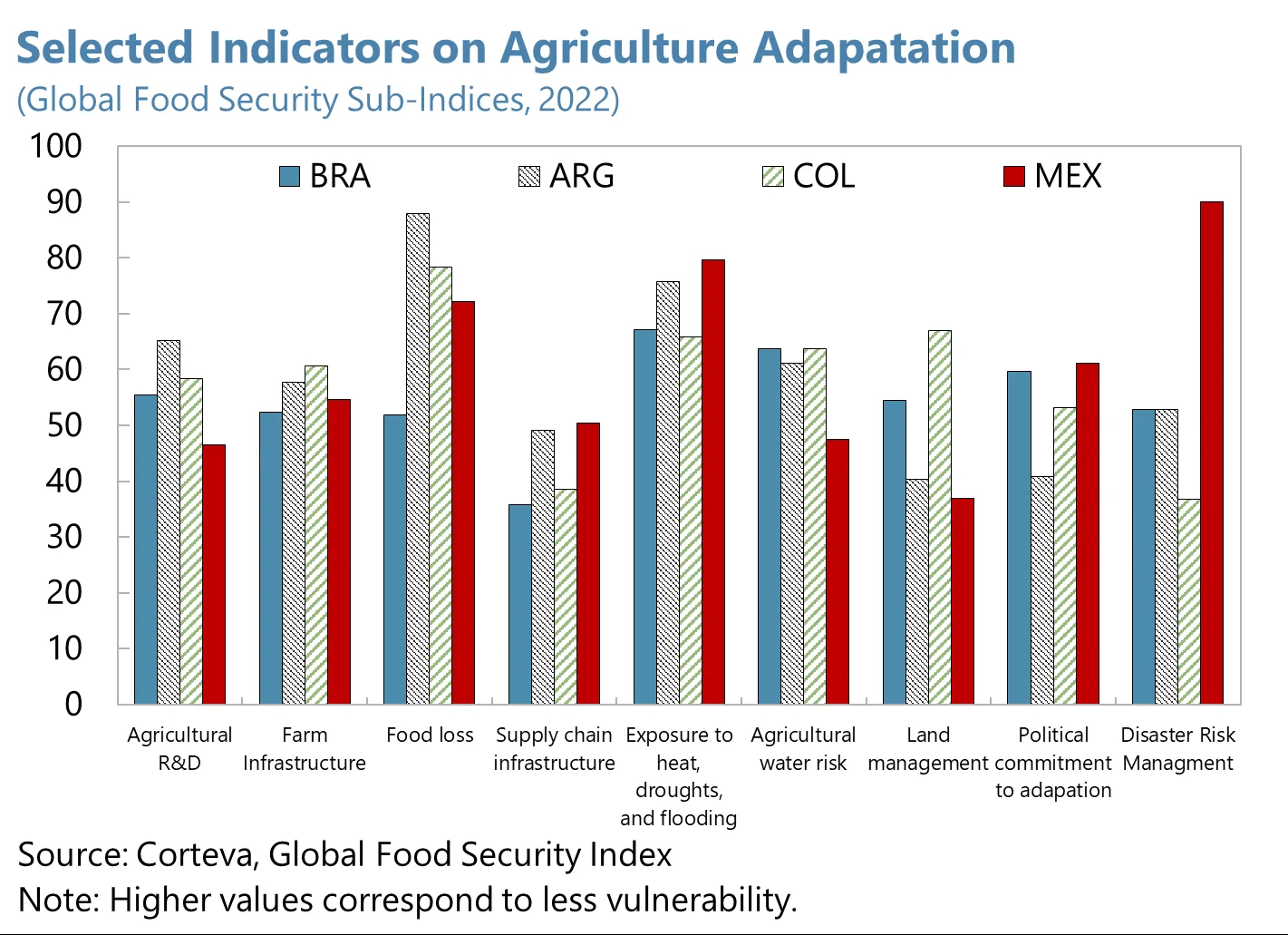
  • Agriculture: Increased droughts and extreme weather events threaten crop yields and livestock, impacting food security.
  • Hydropower: Changes in rainfall patterns reduce water availability for hydropower, leading to higher energy costs and potential power shortages.
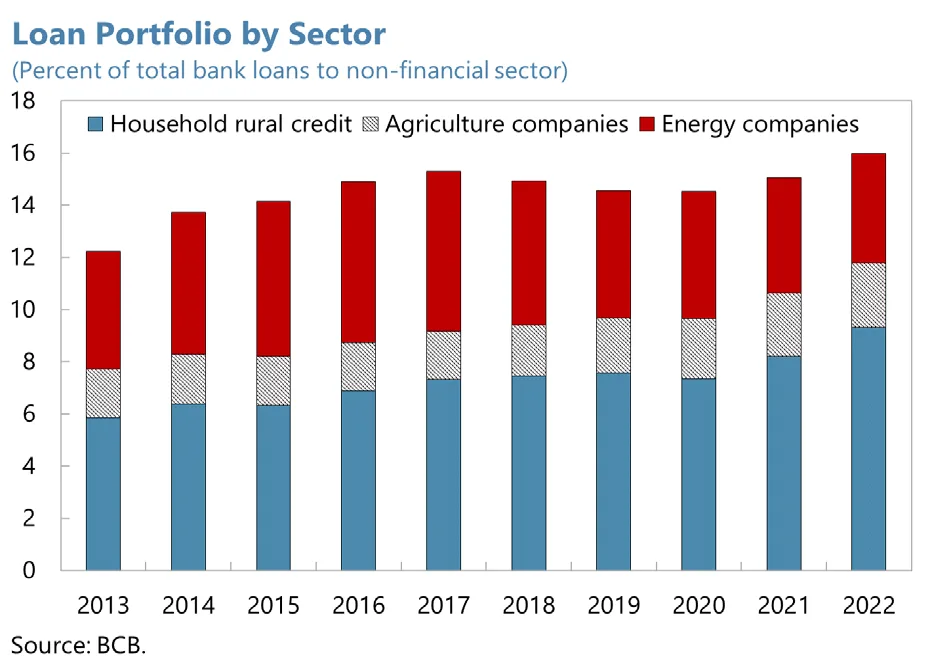
  • Financial Sector: The financial sector faces risks from climate impacts, particularly in agriculture and energy sectors.

how does the report 'Changing Climate in Brazil: Key Vulnerabilities and Opportunities' address agriculture?

The report 'Changing Climate in Brazil: Key Vulnerabilities and Opportunities' discusses agriculture as a critical sector vulnerable to climate change.

  • Impact of Drought: Increased frequency and intensity of droughts significantly affect agricultural productivity, especially in rainfed regions.
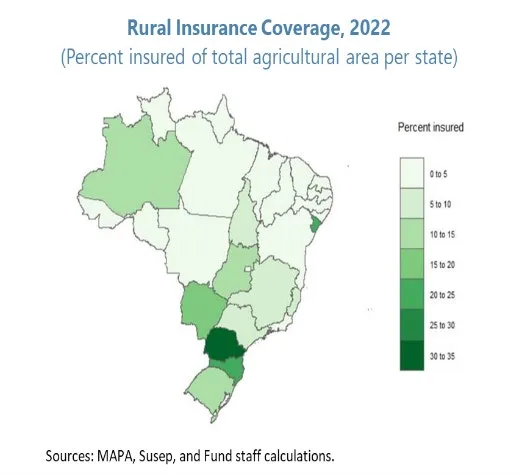
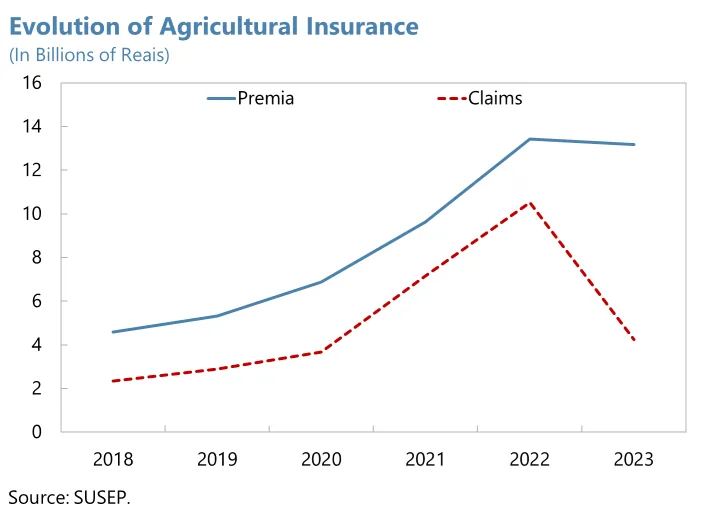
  • Insurance Coverage: Only about 20% of agricultural activities are insured, leaving farmers vulnerable to climate-related losses.
  • Policy Recommendations: The report suggests investing in climate-smart agriculture and enhancing insurance schemes to mitigate risks.

what opportunities for green growth does the report 'Changing Climate in Brazil: Key Vulnerabilities and Opportunities' highlight?

The report 'Changing Climate in Brazil: Key Vulnerabilities and Opportunities' highlights various opportunities for green growth in Brazil.

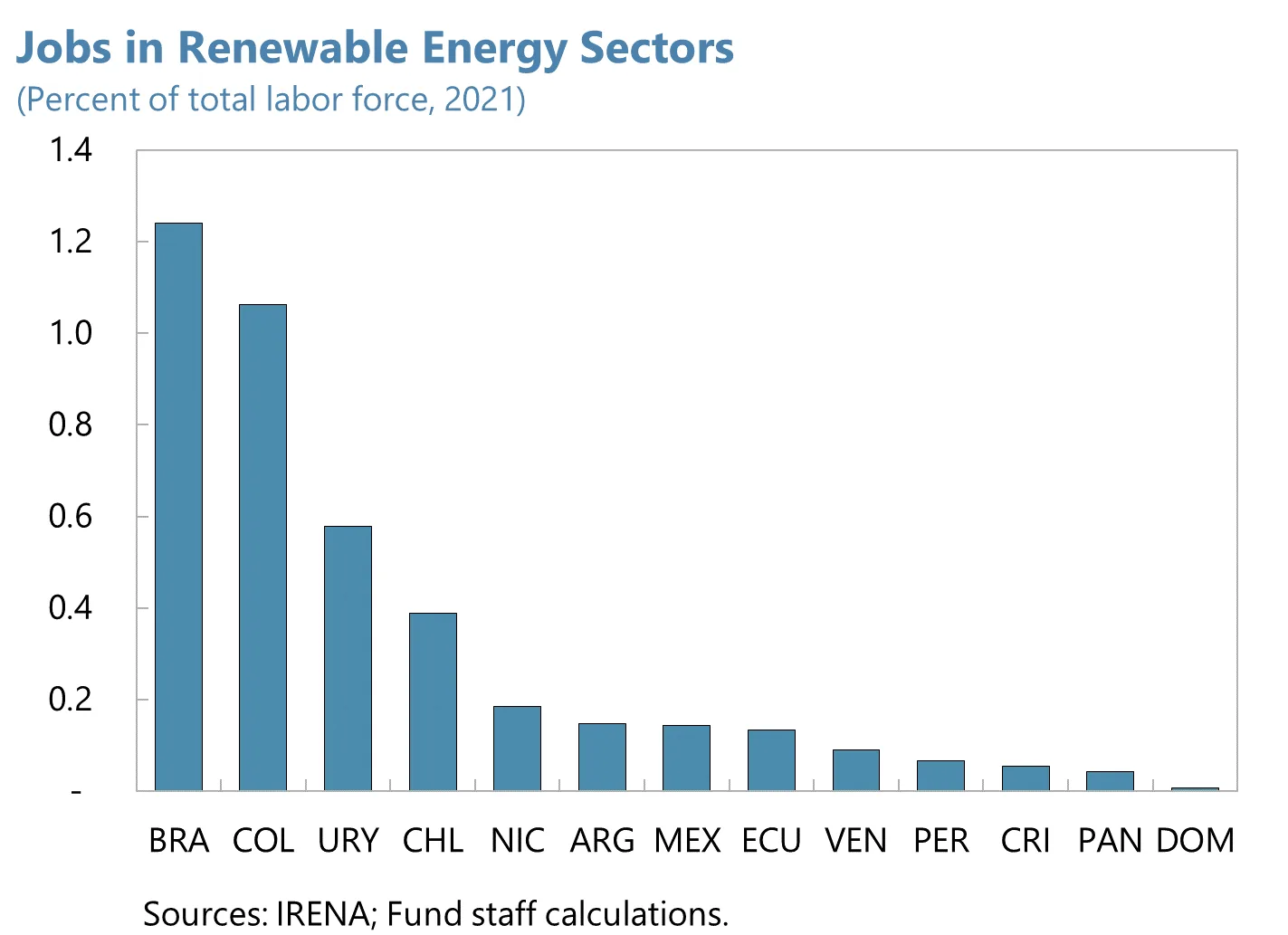
  • Renewable Energy: Brazil's green energy mix, including hydropower and solar, offers potential for sustainable energy exports.
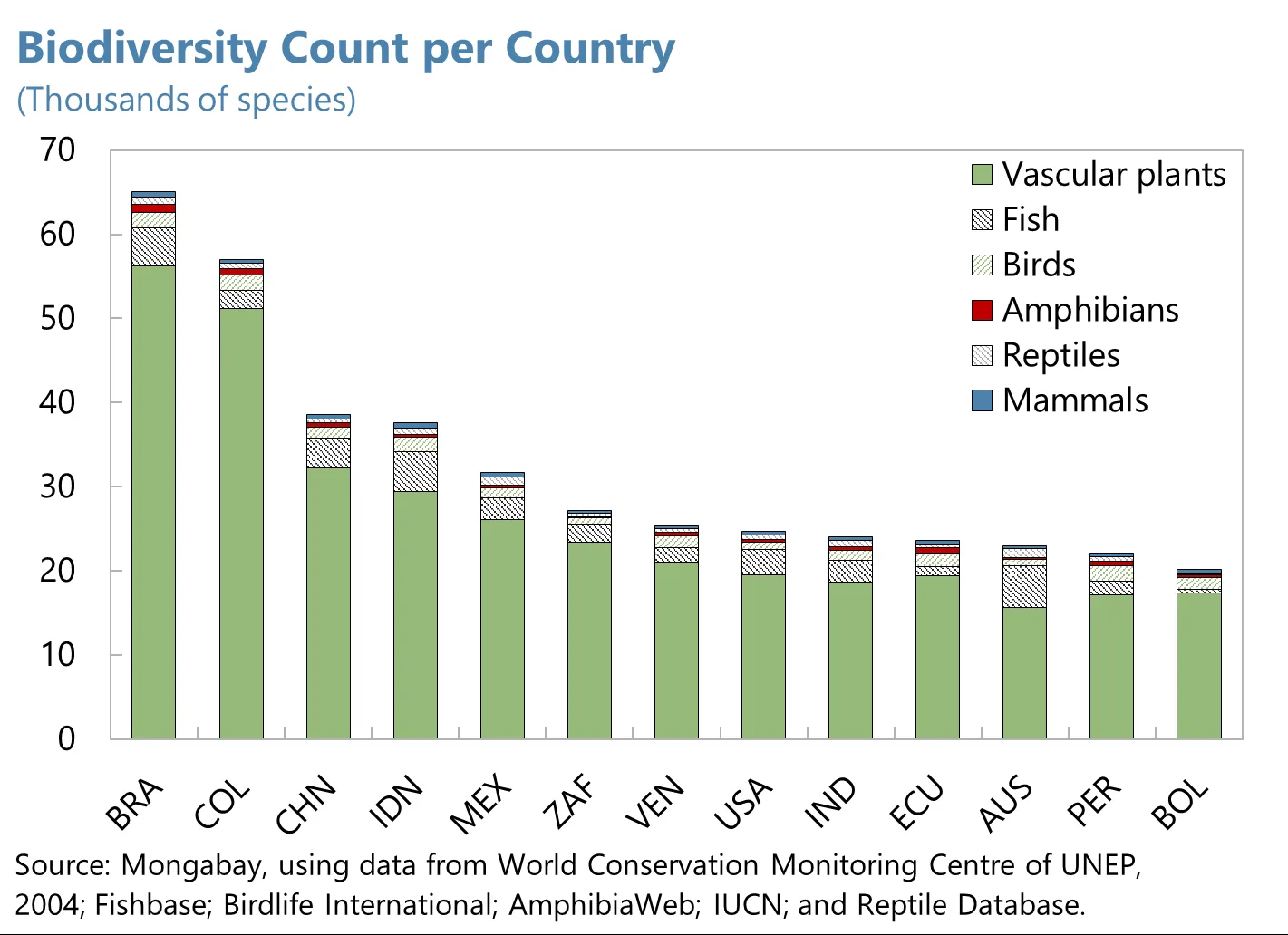
  • Amazon Resilience: Policies aimed at protecting the Amazon can enhance biodiversity and carbon storage.
  • Green Finance: The establishment of a cap-and-trade system can stimulate investments in green technologies.

what findings does the report 'Changing Climate in Brazil: Key Vulnerabilities and Opportunities' present about hydropower?

The report 'Changing Climate in Brazil: Key Vulnerabilities and Opportunities' presents critical findings regarding hydropower generation in Brazil.

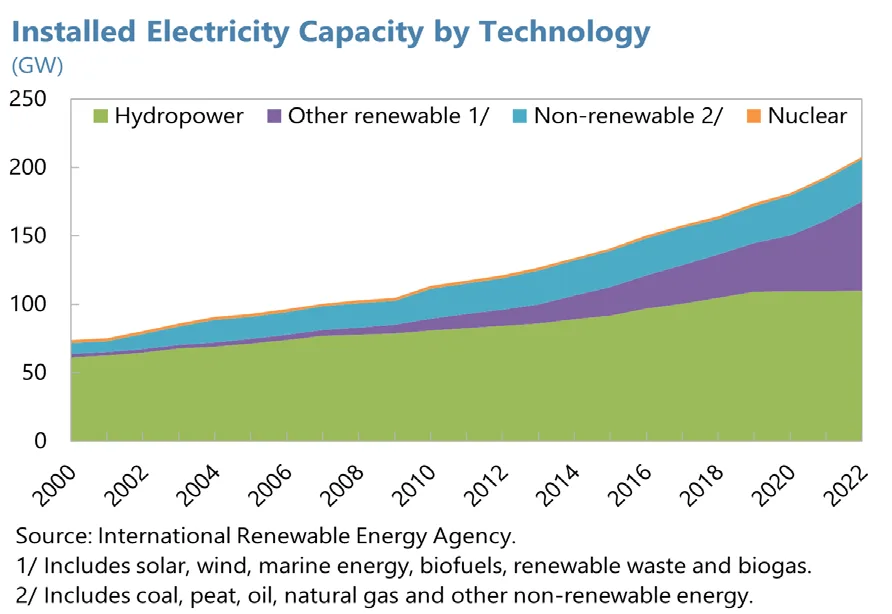
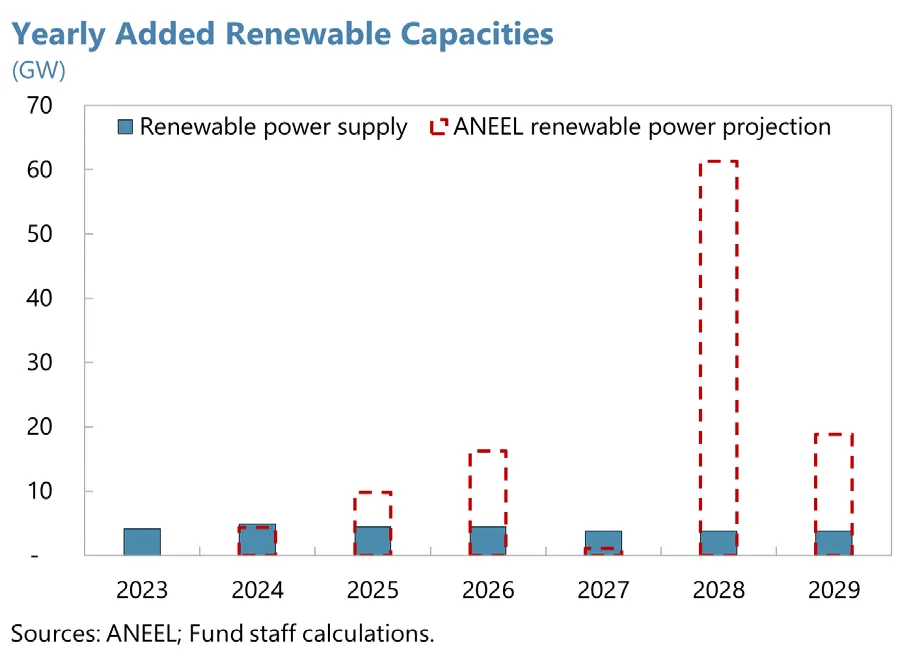
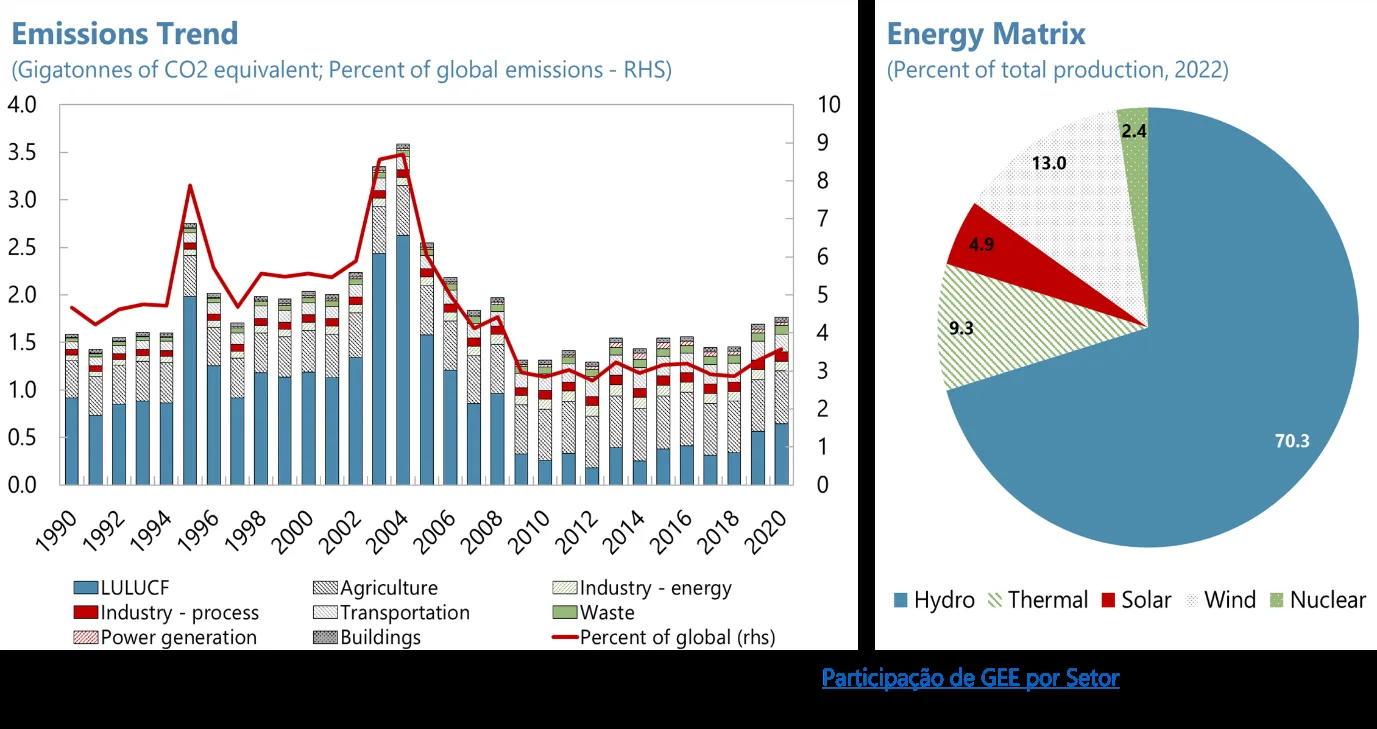
  • Energy Mix: Almost 90% of Brazil's electricity comes from renewable sources, primarily hydropower.
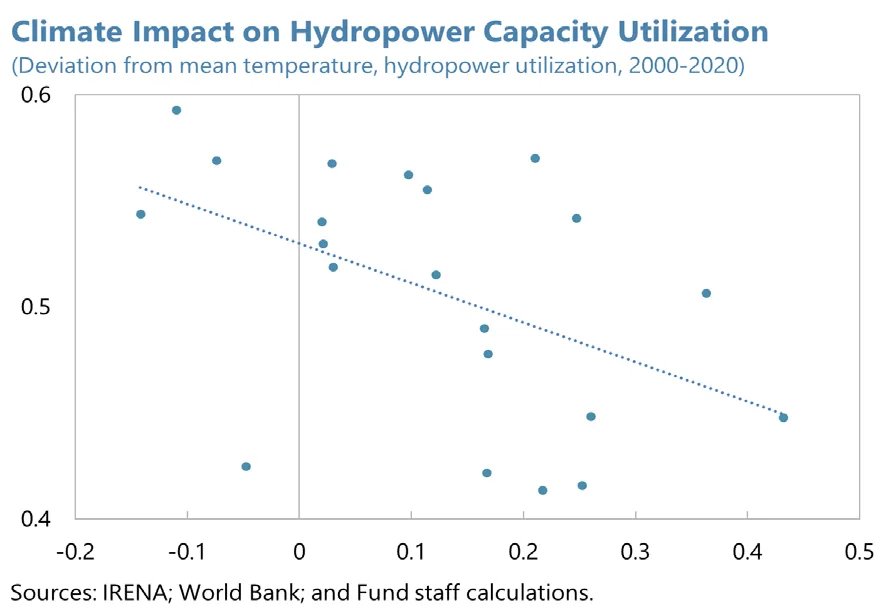
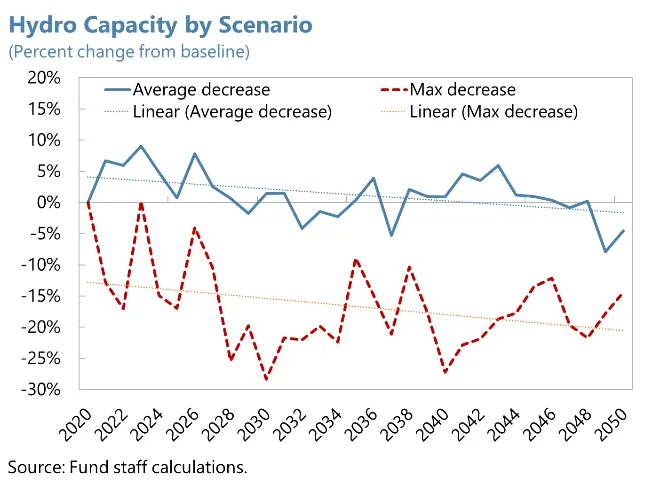
  • Climate Impact: Changing climate conditions are expected to reduce hydropower generation capacity by approximately 20% by 2050 under high emission scenarios.
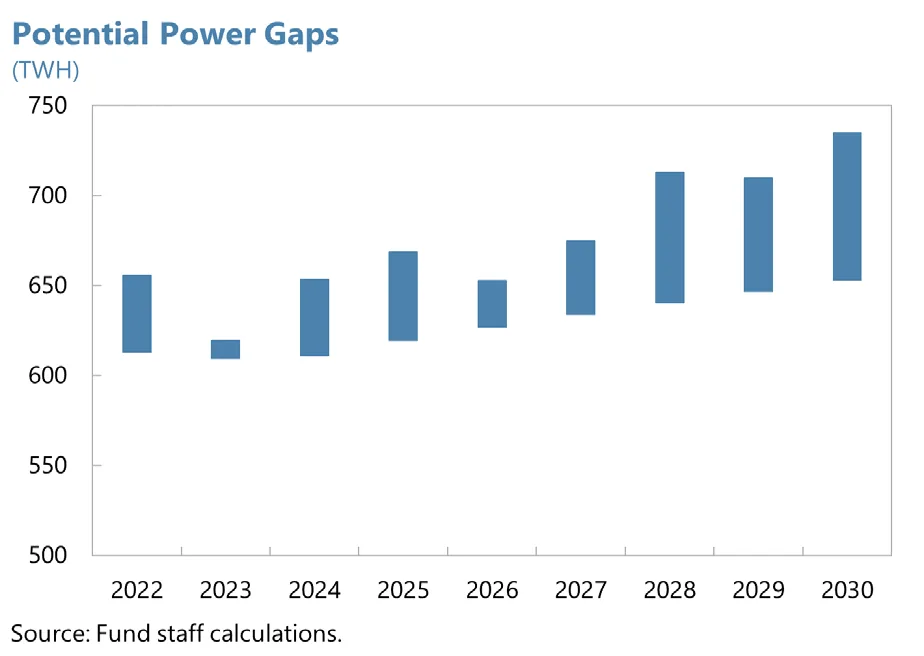
  • Cost Implications: Reduced hydropower output may lead to increased reliance on more expensive thermal power, raising energy costs.

how does the report 'Changing Climate in Brazil: Key Vulnerabilities and Opportunities' suggest improving resilience?

The report 'Changing Climate in Brazil: Key Vulnerabilities and Opportunities' suggests several strategies to improve resilience against climate change.

  • Fiscal Incentives: Implementing fiscal incentives for forest protection and sustainable agriculture can enhance ecosystem resilience.
  • Investments: Investing in climate-smart agricultural practices and renewable energy infrastructure is crucial.
  • Diversification: Diversifying energy sources and enhancing grid infrastructure can help manage climate-related disruptions.

what is the significance of the Amazon in the report 'Changing Climate in Brazil: Key Vulnerabilities and Opportunities'?

The report 'Changing Climate in Brazil: Key Vulnerabilities and Opportunities' emphasizes the Amazon's critical role in Brazil's climate strategy.

  • Carbon Storage: The Amazon is vital for carbon sequestration, helping mitigate climate change impacts.
  • Deforestation Risks: Increased deforestation poses significant risks to biodiversity and climate stability.
  • Policy Goals: The report advocates for policies aimed at reducing deforestation and enhancing the resilience of the Amazon ecosystem.