Chapter 1 of the Introduction to Petroleum Industry explores the fundamental concepts and historical development of the petroleum sector. It covers key topics such as drilling techniques, the evolution of oil production, and the significance of petroleum in modern economies. This chapter is essential for students and professionals seeking a foundational understanding of petroleum engineering and industry practices. It also addresses environmental and safety concerns relevant to oil and gas operations.

Key Points

  • Explains the historical development of the petroleum industry from ancient times to modern practices.
  • Covers the evolution of drilling techniques, including cable tool and hydraulic rotary methods.
  • Discusses the significance of petroleum products in global economies and their environmental impacts.
  • Introduces key concepts in petroleum engineering, including exploration, production, and refining processes.

150
/ 33
PGE 101 Introduction to Petroleum
and Gas Industry
DECEMBER 2025
By
Dr. Samuel O. Osisanya, PE
BSPE( UI), MSPE (UT Austin), PhDPE (UT Austin)
Visiting Professor
Department of Petroleum Engineering
The University of Oklahoma, Oklahoma, USA
Chapter 1 - Introduction To
Petroleum Industry
22
Petroleum Engineering Curriculum
Basic Science/General
Engineering
Fundamentals of
PE - Geology, Rock
& Fluid Properties
Application &
Economics
Drilling
Engineering
Reservoi
r
Engineer
ing
Producti
on
Enginee
ring
3
/ 33
End of Document
150

FAQs

what is introduction to petroleum industry about

The 'Introduction to Petroleum Industry' covers the foundational aspects of the petroleum sector, including its history, structure, and major components.

  • Overview of the petroleum industry and its significance.
  • Key topics include petroleum geology, drilling operations, and production techniques.
  • Discussion of the economic analysis and environmental issues related to oil exploration.
  • Insights into major companies and their roles in the industry.

what are the main topics in introduction to petroleum industry

The 'Introduction to Petroleum Industry' includes several critical topics essential for understanding the field.

  • Nature of oil and gas and their geological foundations.
  • Drilling and completion operations.
  • Production engineering and reservoir management.
  • Economic analysis and evaluation concepts.
  • Safety and environmental considerations in oil exploration.

who are the major companies in the petroleum industry

The 'Introduction to Petroleum Industry' identifies several major companies that play pivotal roles in the sector.

  • ExxonMobil
  • Shell
  • BP
  • Chevron

These companies are involved in various operations, including exploration, drilling, production, and refining, contributing significantly to the global petroleum market.

what are the challenges in the petroleum industry

The 'Introduction to Petroleum Industry' highlights several major challenges faced by the sector today.

  • Enhancing oil and gas recovery safely and economically.
  • Developing environmentally friendly extraction methods.
  • Ensuring the security of personnel and facilities.
  • Addressing fluctuating crude oil prices and market demands.

what is the significance of petroleum in the economy

The 'Introduction to Petroleum Industry' emphasizes the crucial role of petroleum in global economies.

  • Petroleum products are essential for transportation, heating, and electricity generation.
  • The industry supports millions of jobs and generates substantial revenue.
  • It is a key driver for many other industries, making it vital for economic stability.

how is crude oil classified in the introduction to petroleum industry

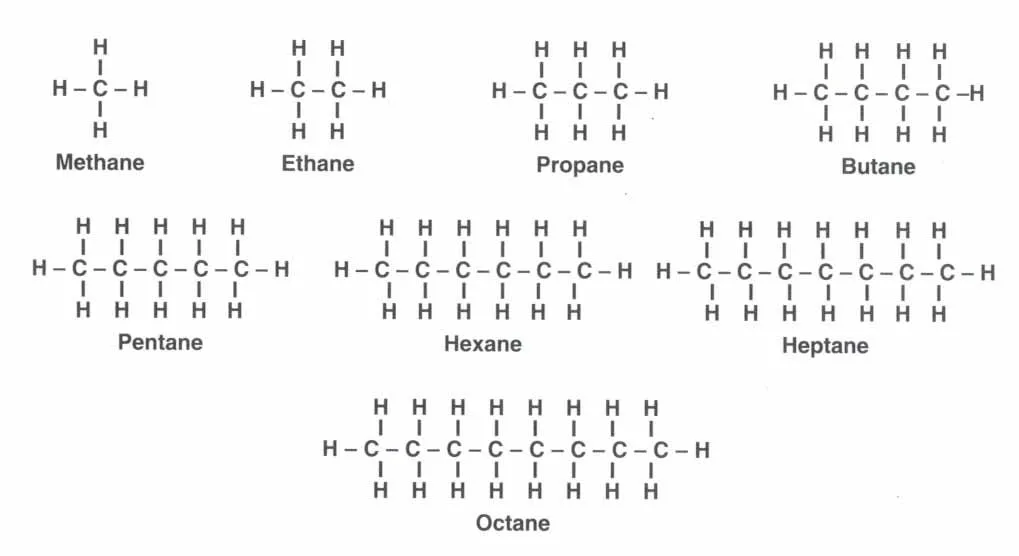
The 'Introduction to Petroleum Industry' explains that crude oil is classified based on its molecular structure and composition.

  • Structural arrangement: open chain and cyclic (ring) compounds.
  • Bonds between carbon atoms: saturated (single bonds) and unsaturated (multiple bonds).
  • Physical properties such as specific gravity and viscosity also play a role in classification.

what are the main components of a petroleum operating company

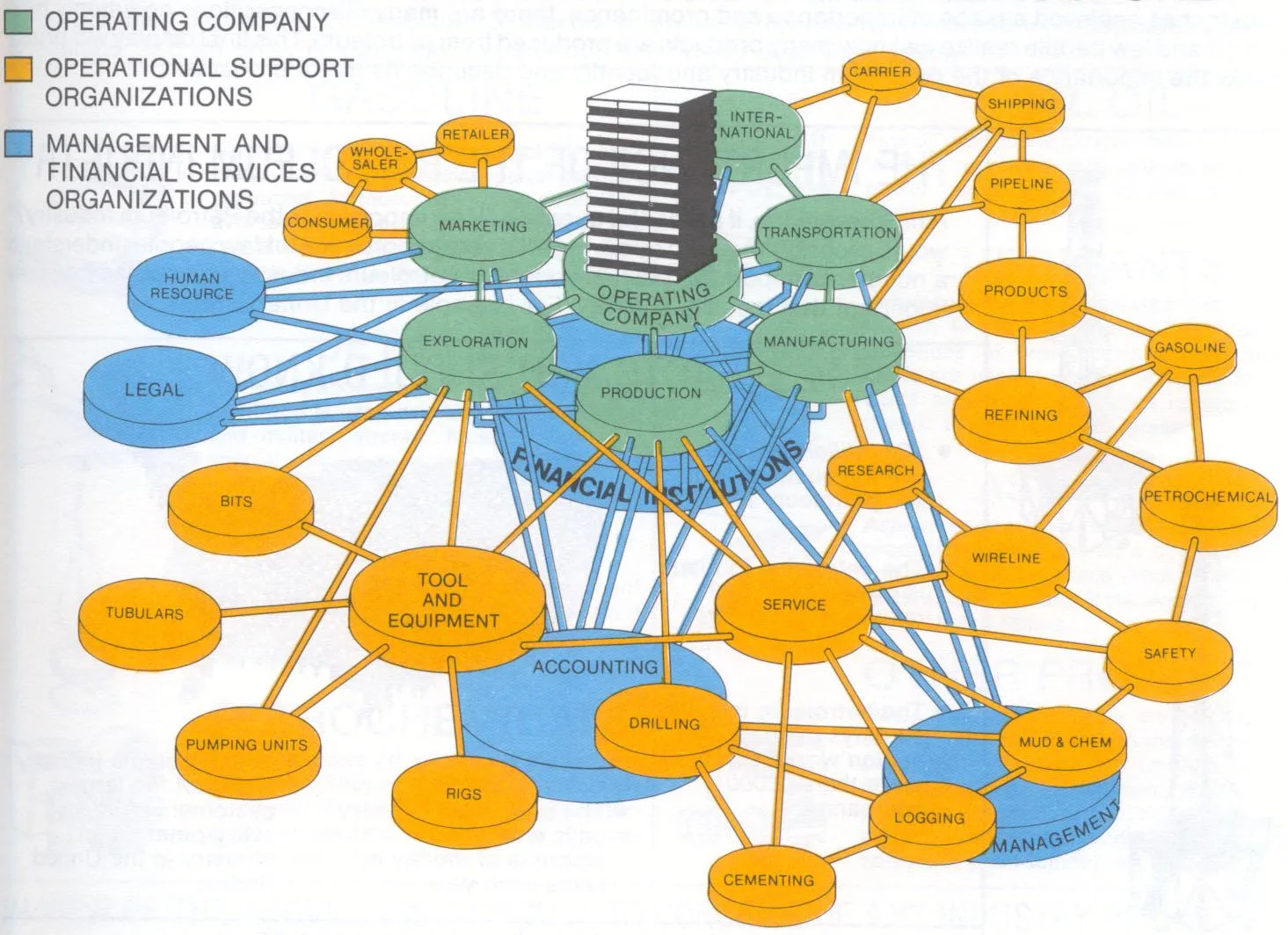
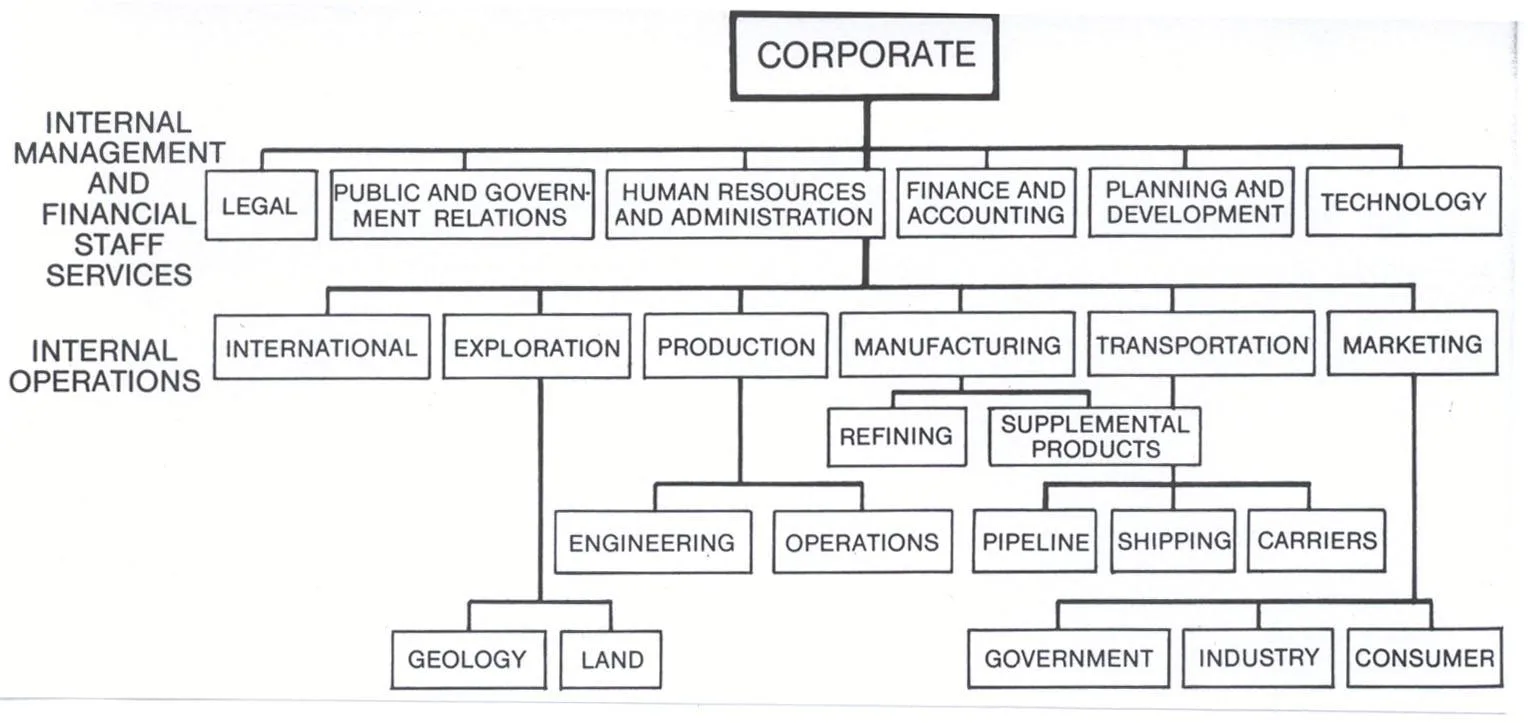
The 'Introduction to Petroleum Industry' outlines the key components of a petroleum operating company.

  • Exploration and drilling operations.
  • Production and refining processes.
  • Transportation and marketing of petroleum products.

These components work together to ensure the efficient functioning of the company within the industry.

what is petroleum geology

The 'Introduction to Petroleum Industry' defines petroleum geology as the study of oil and gas reservoirs.

  • It involves understanding the formation, distribution, and exploration of hydrocarbons.
  • Key concepts include reservoir characteristics, trapping mechanisms, and exploration techniques.

This knowledge is essential for successful drilling and production operations.

what is the environmental impact of the petroleum industry

The 'Introduction to Petroleum Industry' addresses the environmental challenges associated with oil exploration and production.

  • Potential pollution of air, water, and soil from drilling activities.
  • Impact on wildlife and ecosystems due to habitat disruption.
  • Efforts to implement sustainable practices and reduce carbon footprints.

Understanding these impacts is crucial for developing better industry practices.

what is the historical development of the petroleum industry

The 'Introduction to Petroleum Industry' traces the historical evolution of the sector from its origins to modern times.

  • First commercial oil industry established in Romania in 1857.
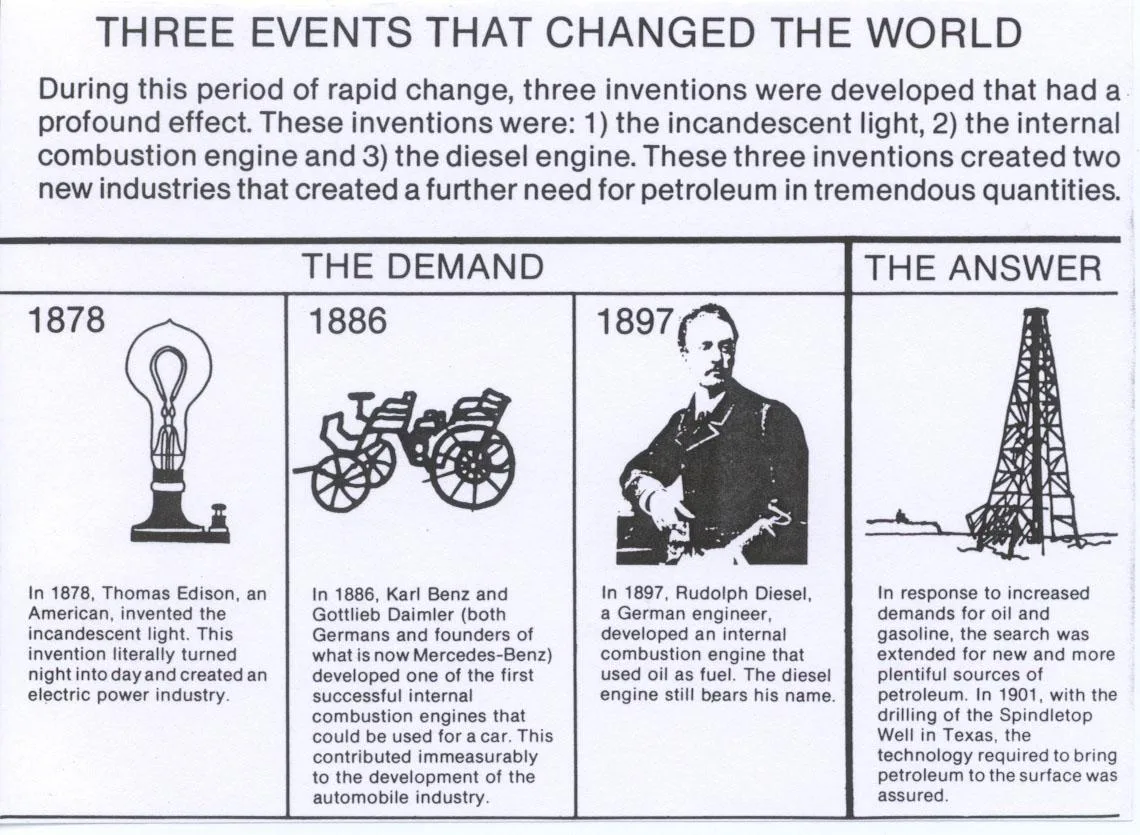
  • Key developments include the invention of the steam engine and the internal combustion engine.
  • The transition from cable tool drilling to hydraulic rotary drilling in the early 20th century.

This history provides context for current practices and technologies in the industry.