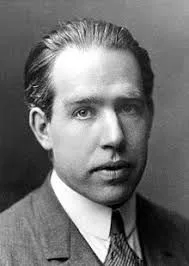
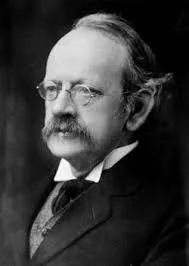
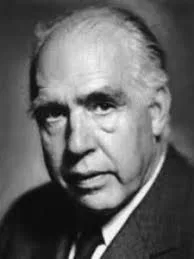
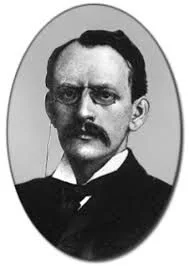
The Atomic Theory Timeline Project explores the evolution of atomic theory from ancient Greece to modern science. It covers key figures such as Democritus, Dalton, Thomson, Rutherford, Bohr, and contemporary scientists. This project includes a detailed timeline with significant dates, atomic models, and analogies that illustrate the development of atomic theory. Designed for students studying chemistry or physics, it provides a comprehensive overview of how scientific understanding of matter has changed over time.

Key Points

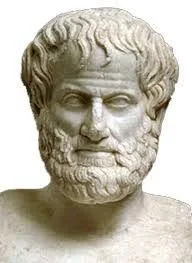
  • Explores the contributions of Democritus and Aristotle to early atomic theory.
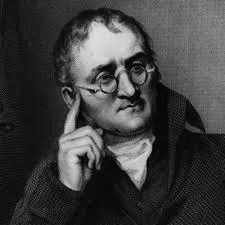
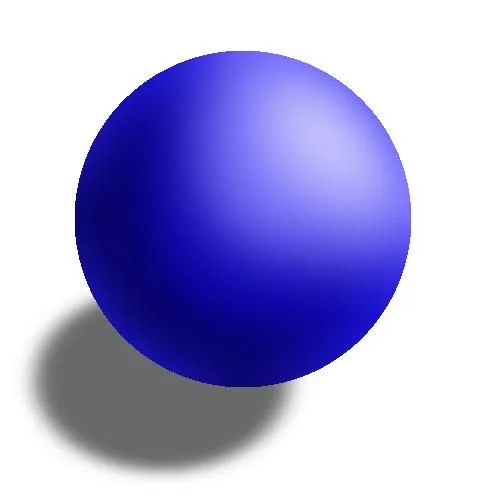
  • Covers John Dalton's formulation of the first modern atomic theory in 1803.
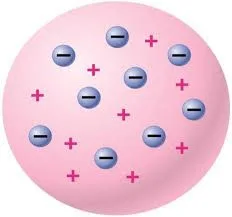
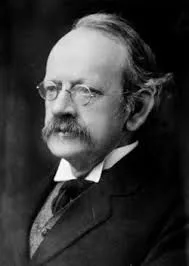
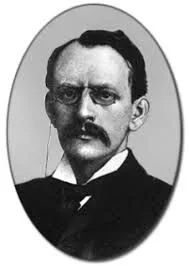
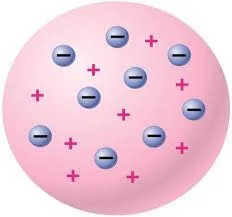
  • Details J.J. Thomson's discovery of the electron and the 'plum pudding' model in 1897.
  • Describes Ernest Rutherford's gold foil experiment and the discovery of the nucleus in 1908.
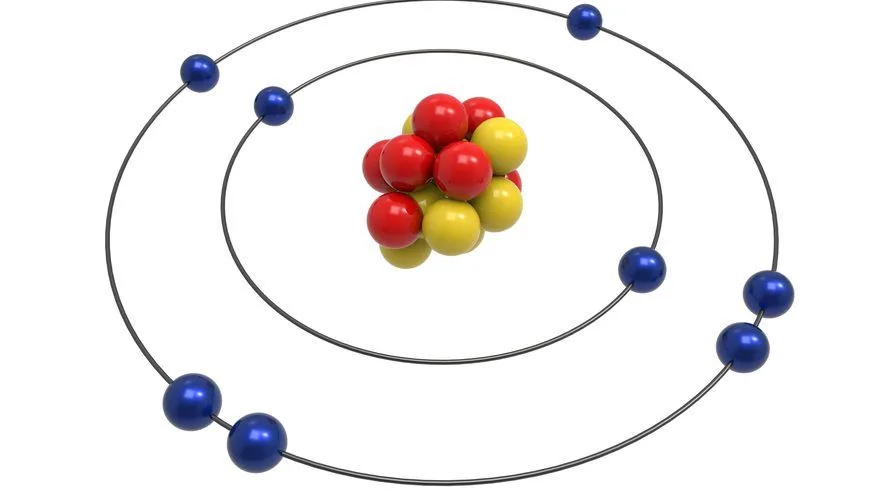
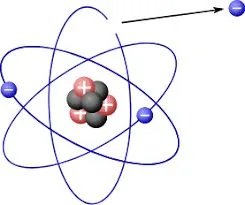
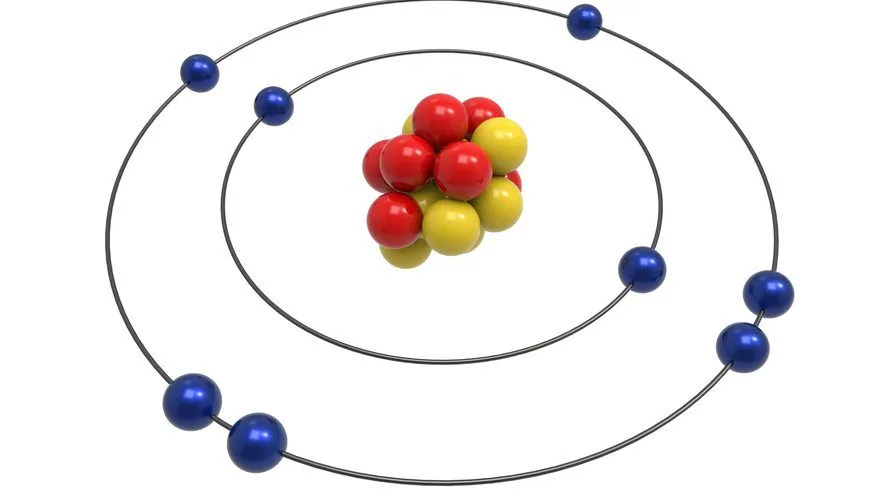
  • Discusses Niels Bohr's model of electrons in defined orbits around the nucleus in 1913.
  • Includes modern cloud theory explaining electron behavior in the 20th century.
newtopiccyclegrowin
11 pages
Language:English
Type:Worksheet
newtopiccyclegrowin
11 pages
Language:English
Type:Worksheet
176
/ 11
Atomic Theory Timeline Project
MAKE AN ATOMIC THEORY TIMELINE!
Directions:
1) Read the information about the scientists and theories that have developed over time about
matter and the atom in the Atomic Theory Timeline information packet.
2) Cut out all of the scientists’ names, information boxes, scientist pictures, atomic models, and
analogies and organize them by date/theory.
3) On a separate sheet of paper, design a timeline that includes these dates:
400 B.C., 300 B.C. to Early 1800s, 1803, 1897, 1908, 1913, 2000
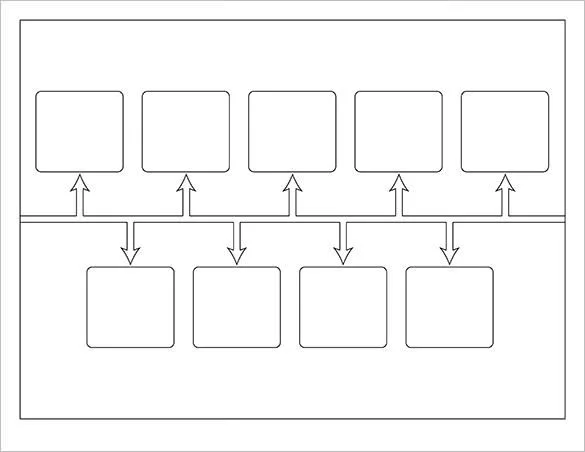
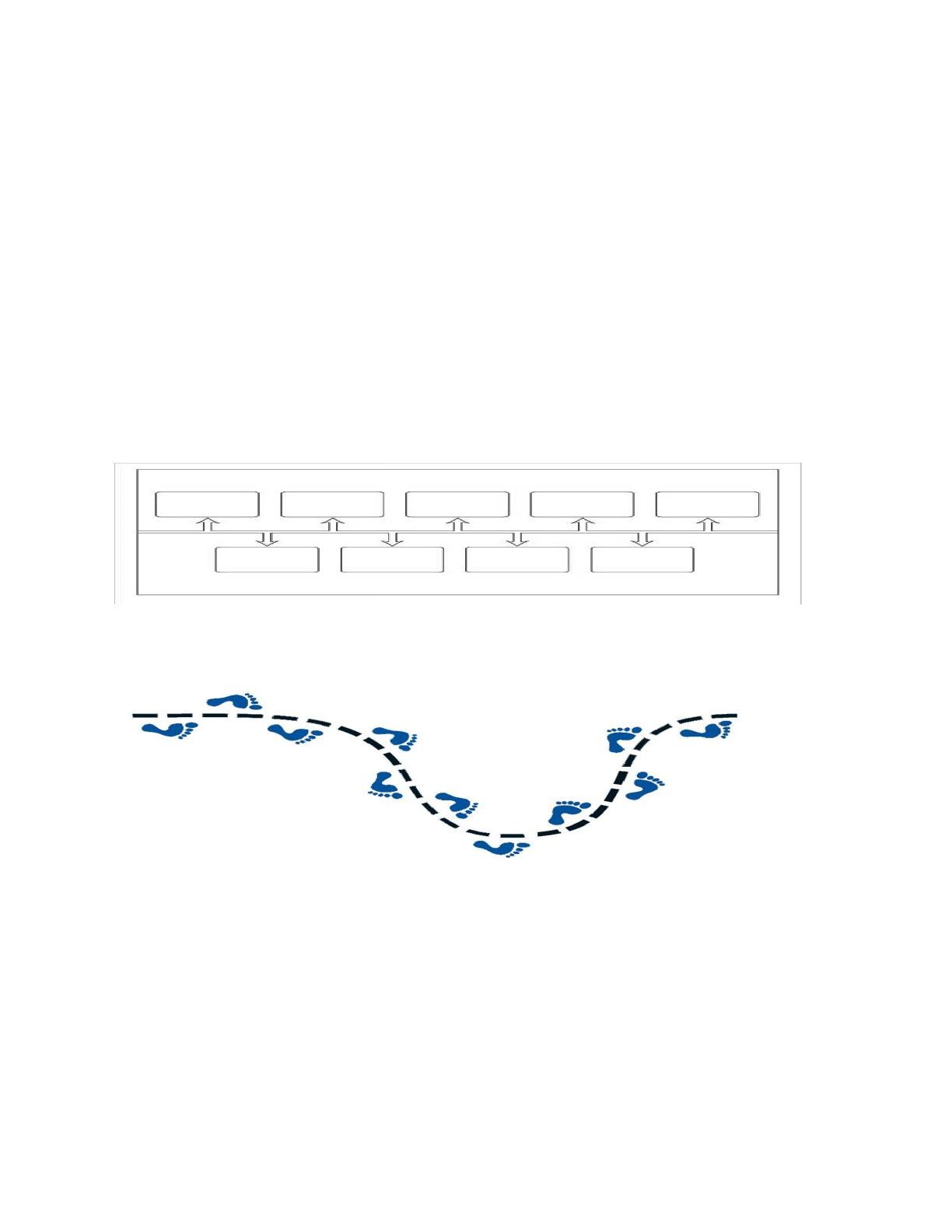
Your timeline may be straight like this:
Or it may be more like a “journey” (you can be creative with this):
1803 1908
1897
4) For each of the seven dates, arrange and glue the correct scientist name and picture, atomic
model, analogy and additional information (there are two or three information boxes per theory).
5) Make your timeline look great! Give it a title, use crayons or colored pencils to decorate the
dates and/or names, and maybe add boxes or bubbles around the information for each date.
6) Answer the 8 included questions and look over the rubric to see how this project will be
graded. Tape the Questions/Rubric page to the back of your timeline before submitting it.
Atomic Theory Timeline Questions and Rubric
Please choose the correct answer to the following questions. Use the Google form to answer the
questions. Answer in complete sentences.
1) Who discovered the electron?
a) Dalton b) Thomson c) Rutherford d) Bohr
2) What did Rutherford discover in his experiment?
a) nucleus b) electrons c) neutrons
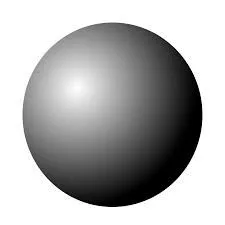
3) n which model are atoms are imagined as tiny balls?
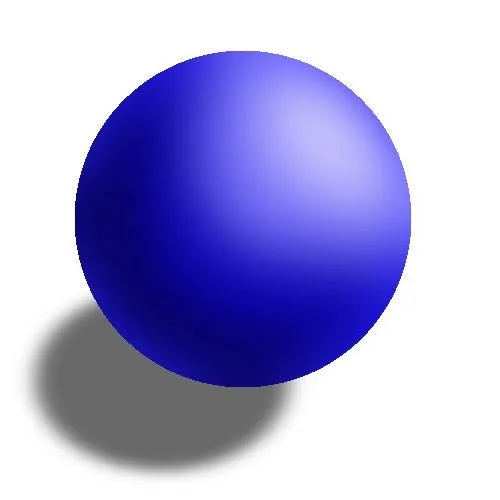
a) Dalton b) Thomson c) Rutherford d) Bohr
4) Who proposed a model with electrons moving in specific layers?
a) Dalton b) Thomson c) Rutherford d) Bohr
5) What does atom mean? a) small b) visible c) indivisible d) particle
6) Who is “responsible” for the 2000-year “Death of Chemistry”?
a) Aristotle b) Democritus c) Thomsen d) Dalton
7) Rutherford’s “gold-foil” experiment using alpha particle scattering concluded that
a) the center of the atom is empty b) atomic mass is spread over the whole atom
c) the center of the atom has a negative charge d) most of the atom is empty
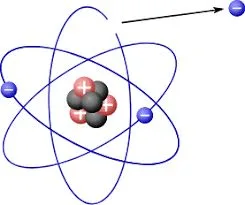
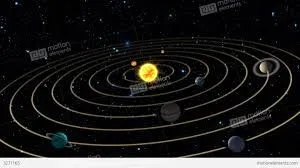
8) In which model are atoms are imagined as the solar system?
a) Dalton b) Thomson c) Rutherford d) Bohr e) Cloud Model
Rubric:
Timeline has a title 4 pts ______
Organization of events is neat, clear and chronological 12 pts ______
All pictures, atomic models and analogies of the atom are included and accurate 12 pts ______
Correct matching of information boxes with the responsible scientist(s) 12pts ______
Poster looks aesthetically pleasing
(color, outlining, easy to read and interpret, creative) 8 pts ______
Class time is used wisely 4 pts ______
Questions #1-8 (1/2 point each) 8pts ______
Total Points Earned: ________/ 60
Everything You Need to Make an Atomic Theory Timeline!
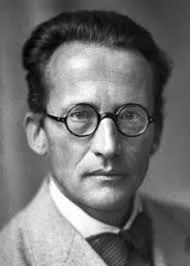
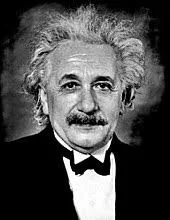
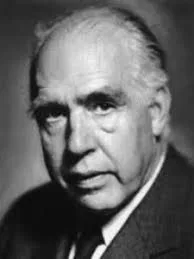
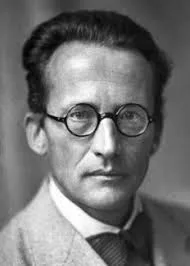
Democritus Bohr Aristotle Thomson
Rutherford Dalton Schrodinger
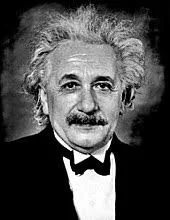
Heisenberg Einstein & other scientists
Most of an atom’s mass is in
the nucleus.
Electrons move around the
nucleus billions of times in
one second.
There are small, negatively
charged particles inside an
atom called electrons.
“Atomos” means “not to be
cut,” which refers to the
smallest piece of matter.
All matter is made up of four
elements: fire, air, water and
earth.
Atoms contain mostly empty
space.
Electrons’ locations depend
upon how much energy they
have.
Electrons travel in paths
called energy levels.
Atoms are “ uncuttable”
Atoms are made of a single
material that is formed into
different shapes and sizes.
Atoms of the same element
are exactly alike.
Electrons are found in
electron clouds, not in paths.
Electrons are scattered around
nucleus at a distance
This theory led to the “plum
pudding” model, in which
negative particles are stuck in
a positively charged
substance.
Matter has four properties:
hot, cold, dry and wet.
Atoms of different elements
are different
Energy levels are located
certain distance from the
nucleus.
There is a small, dense,
positively charged nucleus.
/ 11
End of Document
176

FAQs

What did Democritus contribute to atomic theory?
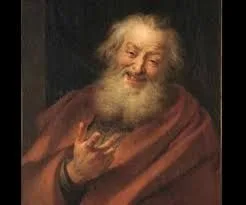
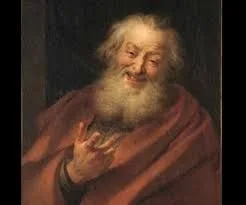
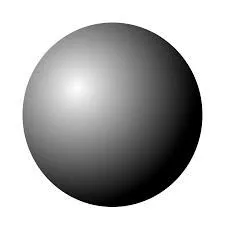
Democritus, a philosopher in ancient Greece, began the search for a description of matter around 400 B.C. He questioned whether matter could be divided into smaller pieces indefinitely until the smallest possible piece was obtained. He believed this smallest piece of matter was indivisible, naming it 'atomos,' meaning 'not to be cut.' Democritus theorized that atoms were small, hard particles made of the same material but formed into different shapes and sizes.
What is Dalton's atomic theory from 1803?
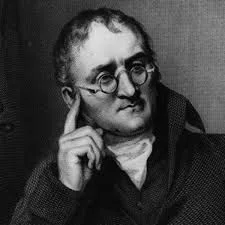
In 1803, English chemist John Dalton formulated the first atomic theory since the 'death of chemistry' that lasted for 2000 years. He theorized that all matter is made of atoms, which are too small to see, 'uncuttable,' and indestructible. Dalton also proposed that all atoms of a given element are exactly alike, while atoms of different elements are distinct from one another.
How did Thomson's model change the understanding of atoms in 1897?
In 1897, J.J. Thomson discovered the presence of negatively charged particles within the atom, known as electrons. This was the first indication that atoms are made of smaller particles. He proposed the 'plum pudding' model, suggesting that atoms consist of a positively charged substance with negatively charged electrons scattered throughout, similar to raisins in pudding or chocolate chips in a cookie.
What was Rutherford's key discovery in 1908?
In 1908, Ernest Rutherford conducted an experiment using positively charged particles fired at gold foil. His findings disproved the 'plum pudding' model, demonstrating that atoms are not filled with positively charged material. He theorized that atoms contain a small, dense, positively charged center called the 'nucleus,' which is tiny compared to the overall size of the atom, indicating that most of the atom is empty space.
What advancements did Bohr make to atomic theory in 1913?
In 1913, Danish scientist Niels Bohr proposed improvements to the atomic model by building on Rutherford's concept of the nucleus. He theorized that electrons move in definite orbits around the nucleus, much like planets orbit the sun. Bohr's model introduced the idea of energy levels, which are located at specific distances from the nucleus, enhancing the understanding of atomic structure.
What does the modern cloud theory suggest about electron movement?
The modern cloud theory, developed in the 20th century by scientists like Schrodinger and Heisenberg, posits that electrons do not orbit the nucleus in fixed paths but instead move at high speeds within an electron cloud. This cloud represents the probable locations of electrons, which whirl around the nucleus billions of times per second. An electron's position within this cloud depends on its energy level, indicating a more complex model of atomic behavior.