Student Learning Assessment Options and Resources provides comprehensive guidelines for institutions seeking to enhance their assessment practices. It outlines effective strategies for evaluating student learning outcomes and institutional effectiveness. The resource emphasizes the importance of clearly articulated learning goals and the use of both direct and indirect assessment methods. It is designed for educators and administrators aiming to improve teaching and learning through data-driven decision-making. This handbook serves as a practical tool for continuous improvement in higher education settings.
Key Points
Explains the significance of clearly defined learning goals for student assessment.
Covers various direct and indirect methods for evaluating student learning outcomes.
Provides strategies for using assessment results to improve teaching and learning.
Includes resources for developing effective assessment plans and practices.
This link leads to an external site. We do not know or endorse its content, and are not responsible for its safety. Click the link to proceed only if you trust this site.
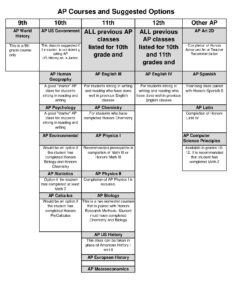
AP Courses and Suggested Options for High School Students
PDF
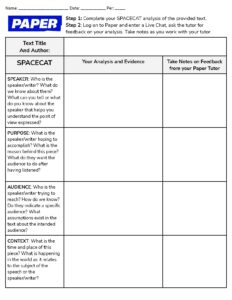
Paper Student Directed Learning Exercises SPACECAT Analysis Worksheet
PDF
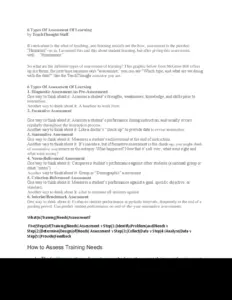
Six Types of Learning Assessments
PDFStudy Guide
Consumer Rights Project for Class 10 StudentsStudy Guide
PDFReport
Career Counselling Workshop Report for Class 12 StudentsReport
PDFGuide
Off Campus Housing Guide for StudentsGuide
PDFStudy Guide
NEET Chemistry Study Guide for Aspiring Medical StudentsStudy Guide
PDFTextbook
Fundamentals of Deep Learning Course SyllabusTextbook
PDFStudy Guide
Mathematics Formula Sheet for StudentsStudy Guide
PDFStudy Guide
Biology MCQs Test Bank for Grade 10 StudentsStudy Guide
PDFStudy Guide
Practice EKG Strips with Answers for Medical StudentsStudy Guide
FAQs
What are the key components of effective student learning assessment?
Effective student learning assessment includes clearly articulated learning outcomes, systematic evaluation processes, and the use of both direct and indirect measures. Institutions should focus on developing assessments that align with their educational goals and provide meaningful data. Regular review and adaptation of assessment strategies are essential to ensure they remain relevant and effective. Additionally, engaging faculty and students in the assessment process enhances the overall quality of education.
How can institutions use assessment results to improve student learning?
Institutions can analyze assessment results to identify strengths and weaknesses in their programs and curricula. By sharing these results with faculty and stakeholders, they can collaboratively develop strategies for improvement. This may involve revising course content, enhancing teaching methods, or providing additional resources for students. Continuous feedback loops, where assessment results inform teaching practices, are crucial for fostering an environment of ongoing improvement.
What types of assessment methods are recommended for evaluating student learning?
Recommended assessment methods include both direct measures, such as exams, projects, and portfolios, and indirect measures, such as surveys and focus groups. Direct assessments provide tangible evidence of student learning, while indirect assessments offer insights into student perceptions and experiences. A combination of both types ensures a comprehensive understanding of student outcomes and helps institutions make informed decisions about curriculum and instruction.
Why is it important to assess student learning outcomes?
Assessing student learning outcomes is vital for ensuring that educational programs meet their goals and effectively prepare students for future challenges. It provides data that can inform curriculum development, teaching strategies, and resource allocation. Furthermore, assessment helps institutions demonstrate accountability to stakeholders, including students, parents, and accrediting bodies, by showing that they are committed to continuous improvement in education.
What role do faculty play in the assessment of student learning?
Faculty members are central to the assessment of student learning as they design and implement assessment strategies within their courses. Their expertise in the subject matter allows them to create meaningful assessments that align with learning goals. Additionally, faculty involvement in the assessment process fosters a culture of accountability and improvement, as they can use assessment data to refine their teaching practices and enhance student learning outcomes.
Related
PDFStudy Guide
Energy and Respiration for A Level Biology StudentsStudy Guide
PDFStudy Guide
A Level Inheritance Study Guide for Biology StudentsStudy Guide
PDF
The Hundred Page Machine Learning Book
PDF
DEIB Explorer Assessment by Harvard University
PDF
Screen Time Analysis Among Students: Mini Summative Report
PDF
Individuals and Societies Unit 6 Mini Summative Assessment