Product Launch and Go-to-Market Strategy outlines essential frameworks for successfully introducing new products to the market. It covers key concepts such as segmentation, targeting, and positioning (STP), along with marketing and sales strategies. This resource is ideal for marketing professionals and business students looking to understand effective market entry tactics. The guide includes practical insights on launch planning, promotional strategies, and post-launch optimization. It serves as a comprehensive reference for anyone involved in product development and marketing.
Key Points
Explains segmentation, targeting, and positioning (STP) for effective marketing.
Covers various product launch strategies, including soft and hard launches.
Details marketing strategies such as digital marketing, content marketing, and PR.
Includes sales strategies focused on converting leads into customers.
This link leads to an external site. We do not know or endorse its content, and are not responsible for its safety. Click the link to proceed only if you trust this site.
Product Strategy and Customer Segmentation InsightsGuide
PDFGuide
Product Strategy Overview and ImportanceGuide
PDFGuide
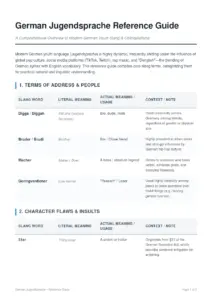
German Jugendsprache Reference GuideGuide
PDFGuide
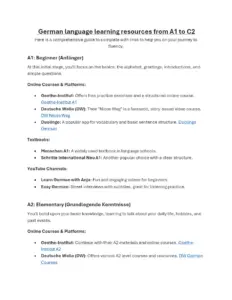
German Language Learning Resources from A1 to C2Guide
PDFGuide
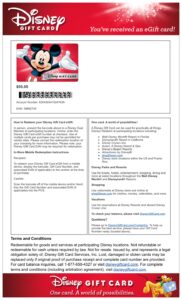
Disney Gift Card eGift Instructions and Redemption GuideGuide
PDFGuide
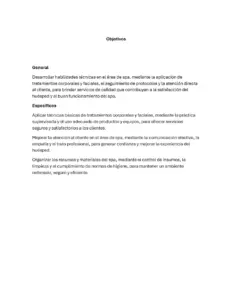
Objetivos de Proyecto de Titulación en SpaGuide
PDFGuide
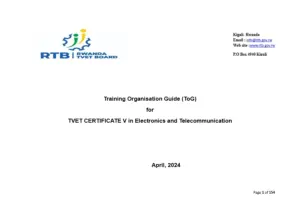
Training Organisation Guide for TVET Certificate V in Electronics and Telecommunication – April 2024Guide
PDFGuide
Études en France: Guide pour les Étudiants InternationauxGuide
PDFGuide
PCOD PCOS Guide: Managing Symptoms and Lifestyle ChangesGuide
PDFGuide
Drafting Resource GuideGuide
PDFGuide
CIMUN 2025 Security Council Academic GuideGuide
PDFGuide
DNS Configuration and Management GuideGuide
FAQs
What are the key components of a Go-to-Market strategy?
A Go-to-Market (GTM) strategy includes several key components such as market segmentation, targeting, and positioning (STP). It outlines how a company will deliver its product or service to customers while achieving a competitive advantage. Additionally, it incorporates marketing strategies that create awareness and drive demand, as well as sales strategies that convert potential customers into paying ones.
What types of product launches are discussed?
The document discusses several types of product launches, including soft launches, hard launches, beta launches, and re-launches. A soft launch involves releasing the product to a limited audience for feedback, while a hard launch is a full-scale release with significant marketing efforts. Beta launches allow selected users to test a pre-release version, and re-launches focus on improving or rebranding existing products.
How can businesses build anticipation before a product launch?
Businesses can build anticipation through various strategies such as teaser campaigns on social media, offering exclusive previews to key customers, and engaging in storytelling about the product's development. Press and media engagement can also boost visibility, while community-building efforts like webinars and early adopter programs foster loyalty and advocacy.
What is the importance of defining launch objectives?
Defining launch objectives is crucial as it sets clear goals for customer acquisition, revenue targets, and brand awareness. These objectives guide the entire launch process, ensuring that all teams are aligned and focused on achieving specific outcomes. Without clear objectives, it becomes challenging to measure success and optimize strategies post-launch.
What role does feedback play in the product launch process?
Feedback is essential in the product launch process as it helps businesses monitor performance and make necessary improvements. By gathering insights from early users, companies can identify areas for enhancement and ensure a smoother user experience. Continuous optimization based on feedback can lead to higher customer satisfaction and long-term loyalty.