Keeping Your Driver’s Licence provides essential information for Ontario drivers about obtaining, renewing, and maintaining a valid driver’s licence. It outlines the renewal process, especially for senior drivers aged 80 and over, including necessary tests and requirements. The document also explains the demerit point system, detailing how points accumulate and the consequences of violations. This guide is crucial for anyone looking to understand Ontario’s licensing regulations and ensure compliance with driving laws.

Key Points

  • Explains the process for renewing a driver’s licence in Ontario
  • Details requirements for senior drivers aged 80 and older
  • Describes the demerit point system and its implications
  • Provides information on changing your name or address on your licence
Vĩ Hồ
Author:Ontario Ministry of Transportation
11 pages
Language:English
Type:Guide
Vĩ Hồ
Author:Ontario Ministry of Transportation
11 pages
Language:English
Type:Guide
221
/ 11
Keeping Your Driver’s Licence
Ontario has a one-piece driver’s licence. The licence card has a
photograph and signature of the driver. All drivers in Ontario should have
a one-piece licence card.
You must carry your licence with you whenever you drive.
Renewing your licence
You will get a renewal application form in the mail. Take the form into any
ServiceOntario Centre in the province. They are all equipped to take
photographs. You will be asked to sign the form, show identi!cation, pay a
fee and have your photograph taken. You will get a temporary licence on
the spot if your application and documents are in order, and your
permanent one will be mailed to you. You must carry it with you whenever
you drive and produce it when a police o"cer requests it.
If you do not get a renewal application form in the mail when your licence
is due for renewal, call the Ministry of Transportation. You are responsible
Previous (https://www.ontario.ca/document/official-mto-drivers-
handbook/pavement-markings)
Next (https://www.ontario.ca/document/official-mto-drivers-handbook/other-
ways-lose-your-licence)
(https://www.ontario.ca/page/government-ontario)
for making sure you have a valid driver’s licence. You can renew an
expired car or motorcycle driver’s licence within one year without taking
any tests.
If your licence has been suspended, cancelled or expired for more than
three years, you will be required to re-apply for a licence in Ontario and
meet all the requirements of graduated licensing, including passing all the
required tests.
Senior drivers age 80 or older
Licensing
If you are 80 years of age or older, you are required to renew your driver’s
licence every two years. This renewal process helps keep seniors mobile
and independent longer, while helping to ensure that unsafe drivers are
identi!ed and appropriate actions are taken.
You need to undergo a driving-record review, complete a vision test and
participate in a 45-minute group education session, followed by an in-
class screening component. The in-class screening component will help
better assess your !tness to drive.
You may be required to pass a road test before being able to renew your
licence, or you may be able to renew but will have to follow up and submit
medical information. The driver improvement counsellor at the group
education session will discuss this with you.
There is no charge for any of the licence-renewal requirements. You only
have to pay the licence-renewal fee.
More information that speci!cally addresses the concerns of senior
drivers can be found at#Ontario.ca/seniordriver
(https://www.ontario.ca/driving-and-roads/renew-g-drivers-licence-80-years-and-
over) . You can also call the Driver and Vehicle Licensing Contact Centre at
(416)#235-2999 or 1-800-387-3445.
How aging affects driving safety
Reduced vision - especially at night
Di"culty judging distance and speed
Limited movement and range of motion
Slower reaction time
Di"culty focusing attention for long periods of time
Easily distracted
More time needed to understand what you see and hear
More use of prescription and/or over-the-counter drugs that may
impair your driving ability
What you can do to make your driving safer
Your health is a key factor in your ability to drive. To help you handle the
demands of safe driving:
Check with your doctor or pharmacist to make sure current and new
medications will not negatively a$ect your ability to drive. Over-the-
counter drugs and combinations of drugs can also impair your
driving.
Report to your doctor:
vision changes, unexplained dizziness or fainting spells;
/ 11
End of Document
221

FAQs

how to renew my driver's licence in Ontario

To renew your driver’s licence in Ontario, you will receive a renewal application form in the mail.

Take this form to any ServiceOntario Centre, where you will need to show identification, pay a fee, and have your photograph taken. If everything is in order, you will receive a temporary licence on the spot, and your permanent licence will be mailed to you.

what are the requirements for senior drivers renewing their driver's licence

If you are 80 years of age or older, you must renew your driver’s licence every two years.

This process includes a driving-record review, a vision test, and a 45-minute group education session. Depending on the assessment, you may need to pass a road test or submit medical information to complete your renewal.

what happens if my driver's licence is expired in Ontario

If your driver's licence has expired, you can renew it within one year without taking any tests.

However, if your licence has been suspended, cancelled, or expired for more than three years, you will need to reapply for a licence in Ontario and meet all the requirements of graduated licensing, including passing all necessary tests.

how does the demerit point system work for driver's licences

The demerit point system in Ontario is designed to encourage safe driving behavior.

Drivers accumulate points for driving-related offences, which stay on their record for two years. For example:

  • Two points: Warning letter
  • Six points: Second warning letter
  • Nine points: Licence suspension for 60 days

Accumulating too many points can lead to further penalties, including longer suspensions.

what are the penalties for accumulating demerit points on my driver's licence

Accumulating demerit points can lead to various penalties based on the number of points you have.

For instance:

  • Six points: Warning letter
  • Nine points: 60-day licence suspension
  • Fifteen points: 30-day licence suspension

These points can affect your driving privileges and may require you to improve your driving behavior.

what should I do if I change my name or address related to my driver's licence

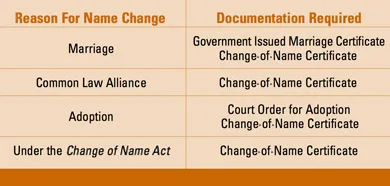
You must inform the Ministry of Transportation within six days of changing your name or address.

To change your address, you can do it online via ServiceOntario or visit a Driver and Vehicle Licence Issuing Office. For a name change, you will need to provide documentation and get a new licence, which includes a new photograph.

how do medications affect my ability to drive safely

Medications can significantly impact your ability to drive safely.

It is essential to consult with your doctor or pharmacist to ensure that your current and new medications do not impair your driving. Common issues include:

  • Reduced vision
  • Slower reaction times
  • Drowsiness or dizziness

Regular health checks can help you maintain safe driving capabilities.

what are the requirements for novice drivers in Ontario

Novice drivers in Ontario must complete a two-step licensing process under the graduated licensing system.

This includes:

  • Holding a Class G1 licence for at least 12 months
  • Passing a road test to obtain a Class G2 licence
  • Completing a minimum of 12 months with a G2 licence before taking the final road test for a full Class G licence

Failure to complete these steps may require reapplication.

what is the process for senior drivers to assess their driving fitness

Senior drivers, aged 80 or older, undergo a specific process to assess their driving fitness.

This includes:

  • A driving-record review
  • A vision test
  • A 45-minute group education session
  • In-class screening component

Depending on the results, they may need to pass a road test or submit medical information.