Chapter 7 of the Introduction to Petroleum and Gas Industry focuses on essential safety protocols within the petroleum sector. It covers safety measures for drilling rig operations, including personnel safety and handling hazardous materials like hydrogen sulfide. This chapter is crucial for students and professionals in petroleum engineering, providing insights into safety systems and emergency response plans. Key topics include safety provisions on rigs, hazard analysis, and the physiological effects of hydrogen sulfide. Ideal for those preparing for careers in the oil and gas industry.

Key Points

  • Explains safety protocols for drilling rig operations in the petroleum industry
  • Covers emergency response plans and safety provisions on rigs
  • Details hazard analysis and its importance in petroleum safety
  • Discusses the physiological effects of hydrogen sulfide exposure
275
/ 38
PGE 101 Introduction to Petroleum
and Gas Industry
DECEMBER 2025
By
Dr. Samuel O. Osisanya, PE
BSPE( UI), MSPE (UT Austin), Phea (UT Austin)
Visiting Professor
Department of Petroleum Engineering
The University of Oklahoma, Oklahoma, USA
Safety Issues in the Petroleum
Industry
This section deals with safety aspects of
the petroleum industry. It includes
Drilling rig operations safety
Operational and personnel safety
Offshore rig orientation (transportation)
Production operations safety concerns,
especially handling of hydrogen sulfide in
production operations. (some wells
onExxonMobi; Ubit A platform produce
hydrogen sulfide)
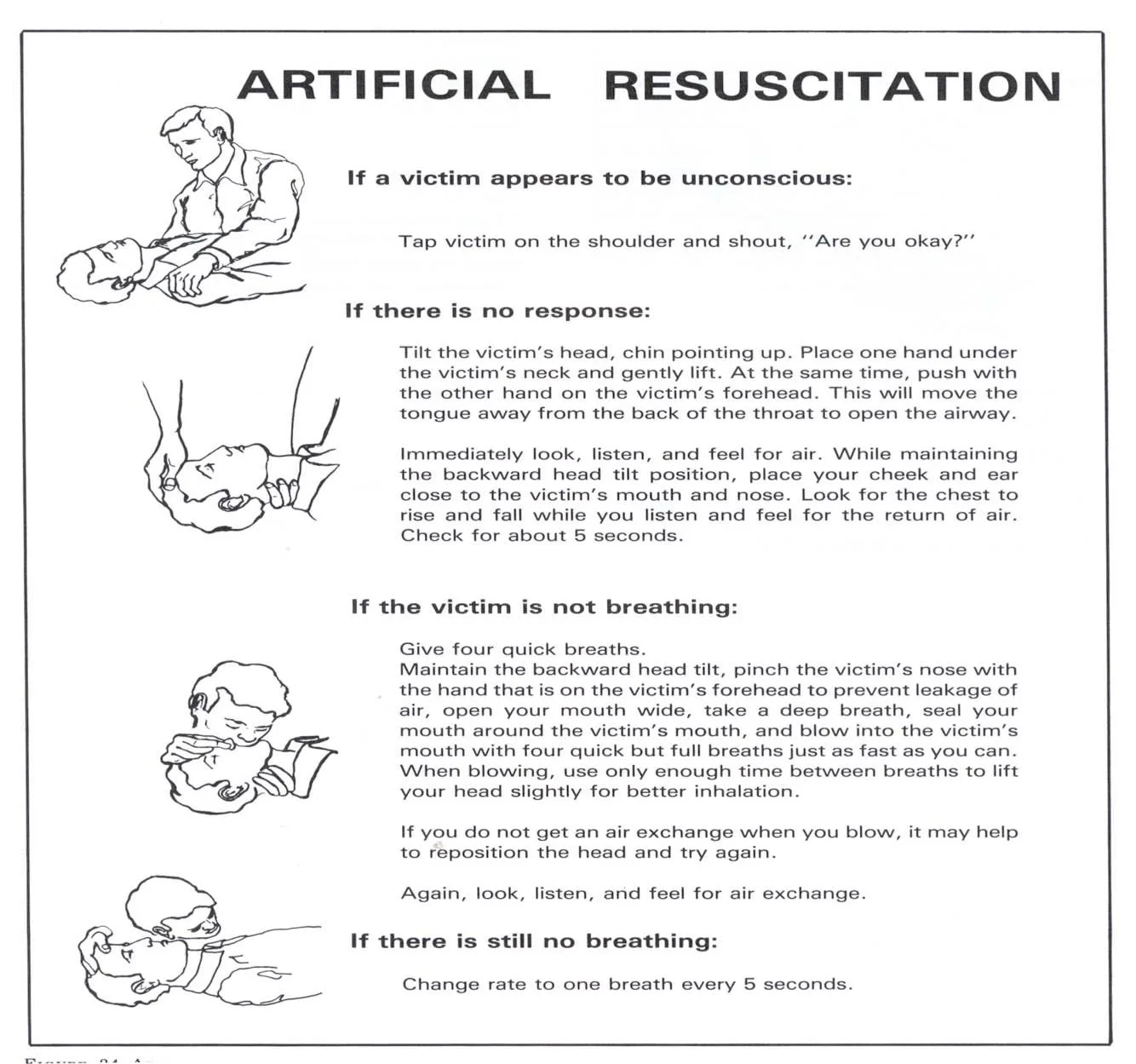
Why Safety?
Safety is part of everyday living. Safety
must be considered in everything we do
in the home, at work or play, on the
streets and highways.
Safety operating procedures are vital to
surface operations. When accidents
occur, these may lead to loss of life or
limbs.
/ 38
End of Document
275

FAQs

what is Introduction to Petroleum and Gas Industry about

The "Introduction to Petroleum and Gas Industry" covers the fundamental concepts and operations within the petroleum and gas sectors.

  • Overview of petroleum exploration and production
  • Safety issues in drilling and production operations
  • Environmental considerations related to oil and gas

what are safety issues in the Introduction to Petroleum and Gas Industry

Safety is a critical aspect of the "Introduction to Petroleum and Gas Industry," focusing on operational and personnel safety.

  • Drilling rig operations safety
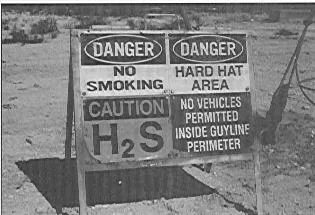
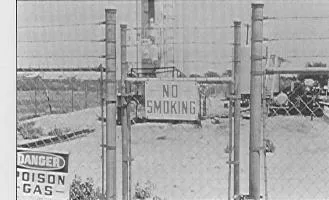
  • Handling of hazardous materials like hydrogen sulfide
  • Emergency response protocols and training

how is hydrogen sulfide managed in the Introduction to Petroleum and Gas Industry

The "Introduction to Petroleum and Gas Industry" emphasizes the importance of a hydrogen sulfide (H2S) safety program due to its high toxicity.

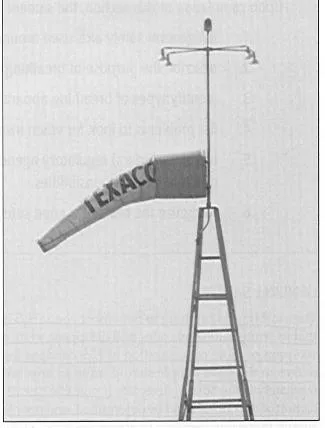
  • Implementation of detection systems to monitor H2S levels
  • Emergency response plans for H2S exposure
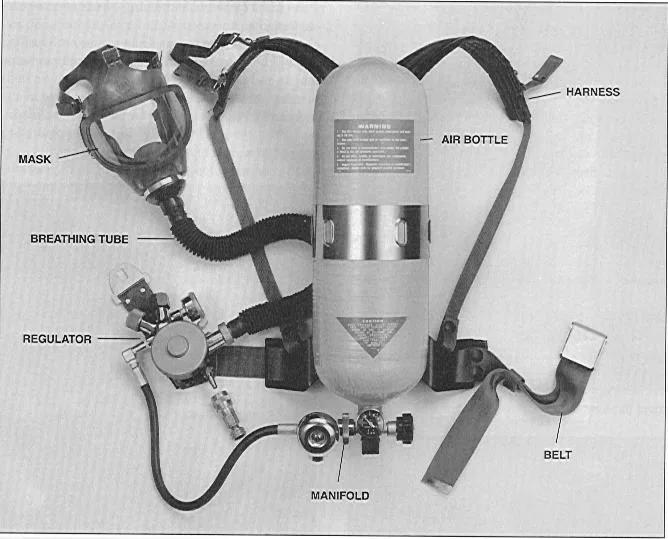
  • Training personnel on safety practices and equipment usage

what are the key safety provisions on the rig in the Introduction to Petroleum and Gas Industry

Key safety provisions on the rig are crucial components discussed in the "Introduction to Petroleum and Gas Industry."

  • Installation of handrails and guards on machinery
  • Mandatory use of safety clothing like hard hats and steel-toe shoes
  • Regular safety meetings and training drills

what is the production safety system in the Introduction to Petroleum and Gas Industry

The production safety system is a vital part of the "Introduction to Petroleum and Gas Industry," ensuring safe operations at wellheads.

  • Incorporation of fail-safe safety valves
  • Use of sensors and logic control systems
  • Emergency shutdown systems for hazardous situations

how does the Introduction to Petroleum and Gas Industry address emergency response plans

Emergency response plans are a significant focus in the "Introduction to Petroleum and Gas Industry," outlining procedures for hazardous situations.

  • Buddy system for monitoring personnel in danger zones
  • Specific rescue protocols for H2S exposure
  • Regular drills to prepare for emergencies

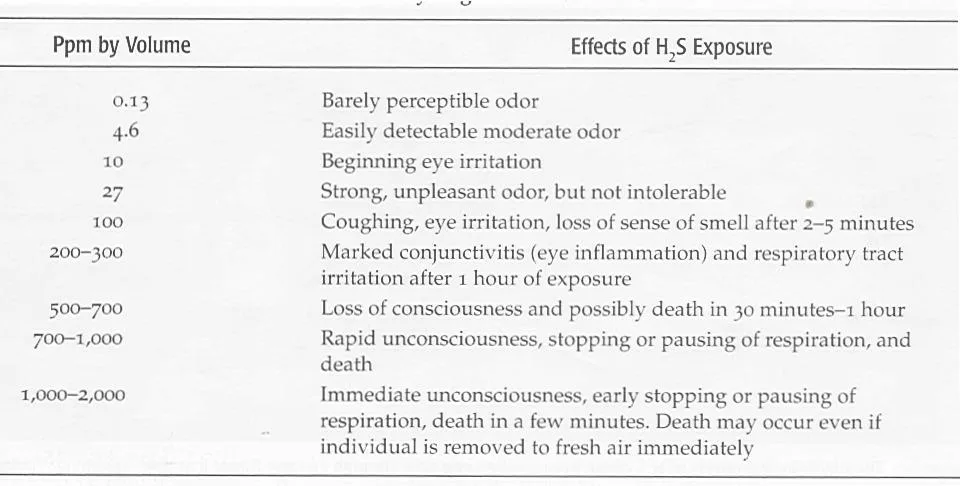
what are the physiological effects of hydrogen sulfide in the Introduction to Petroleum and Gas Industry

The "Introduction to Petroleum and Gas Industry" details the physiological effects of hydrogen sulfide (H2S) exposure.

  • Initial symptoms include eye and throat irritation
  • Higher concentrations can lead to dizziness and unconsciousness
  • Extreme exposure may result in death

what is the importance of safety meetings in the Introduction to Petroleum and Gas Industry

Safety meetings are emphasized in the "Introduction to Petroleum and Gas Industry" as essential for maintaining a safe working environment.

  • Regular discussions on safety procedures and updates
  • Training for new employees on safety protocols
  • Drills to prepare for potential emergencies

what are the key components of a hydrogen sulfide safety program in the Introduction to Petroleum and Gas Industry

The "Introduction to Petroleum and Gas Industry" outlines key components of an effective hydrogen sulfide (H2S) safety program.

  • Understanding the nature and hazards of H2S
  • Implementing monitoring systems for H2S detection
  • Training personnel on safety practices and emergency responses

how is the hazard analysis conducted in the Introduction to Petroleum and Gas Industry

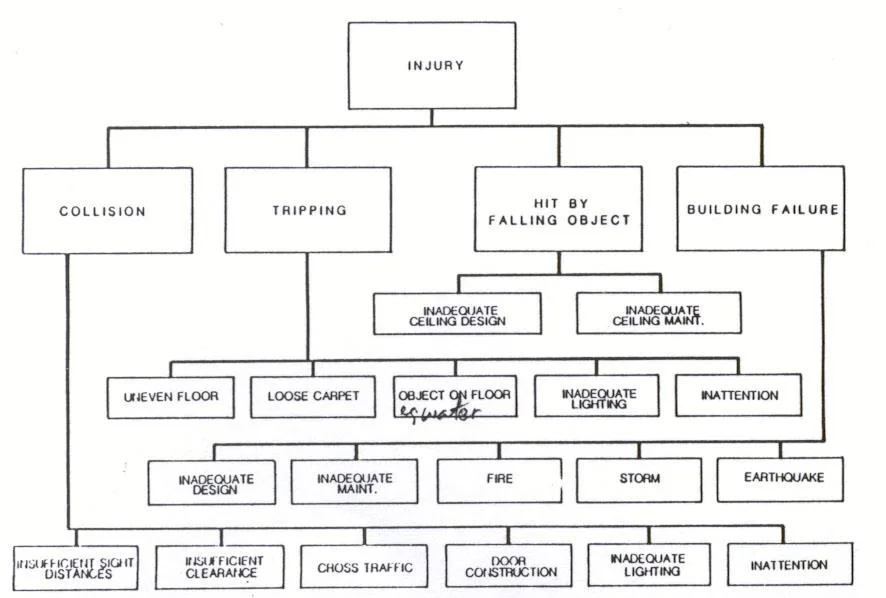
Hazard analysis is a critical process discussed in the "Introduction to Petroleum and Gas Industry," aimed at identifying potential risks.

  • Identification of all potential hazards in operations
  • Assessment of conditions that could lead to hazards
  • Development of procedures to mitigate identified risks