Subsurface and Surface Production Systems explores the critical aspects of oil and gas production. This chapter focuses on the movement of oil, gas, and water from the reservoir to the wellhead, detailing subsurface and surface operations. Key topics include inflow and outflow performance relationships, artificial lift operations, and the roles of production engineers. Designed for students and professionals in petroleum engineering, this chapter provides essential insights for understanding production systems in the oil and gas industry.

Key Points

  • Covers subsurface production operations including inflow performance relationships and artificial lift methods.
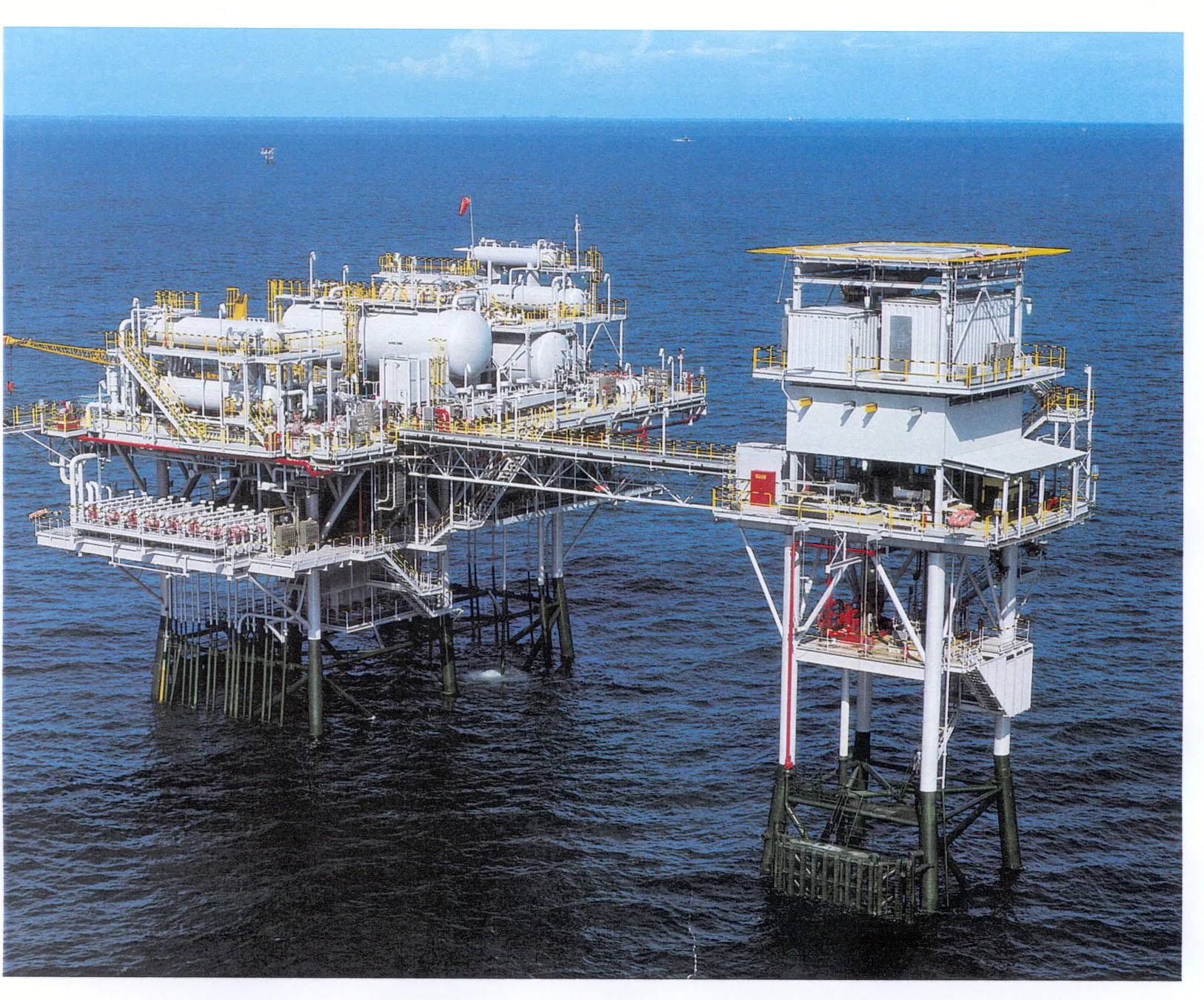
  • Explains surface production operations, focusing on the flow of petroleum from wellhead to sales points.
  • Details the duties of production engineers in well completions and fluid processing.
  • Includes examples and calculations related to oil well performance.
196
/ 35
PGE 101 Introduction to Petroleum
and Gas Industry
FALL 2025/2026
By
Dr. Samuel O. Osisanya, PE
BSPE(UI,1976), MSPE (UT Austin, 1986), PhDPE (UT Austin,1991)
Visiting Retired Professor
Department of Petroleum Engineering
The University of Oklahoma, Oklahoma, USA
2
Chapter 4
Subsurface and Surface
Production Systems
by
Dr. Samuel O. Osisanya, P.E
3
INTRODUCTION
Production operations can be divided into
two major areas
Subsurface production operations
Surface production operations
A production engineer may be involved
with one or both of these operations
depending on the company he or she
works for. Generally, a production
engineer does all in a small company.
/ 35
End of Document
196

FAQs

what are subsurface and surface production systems

Subsurface and surface production systems are essential components in the petroleum and gas industry, focusing on the extraction and processing of oil and gas.

  • Subsurface production operations: Involve moving oil, gas, and water from the reservoir to the wellhead.
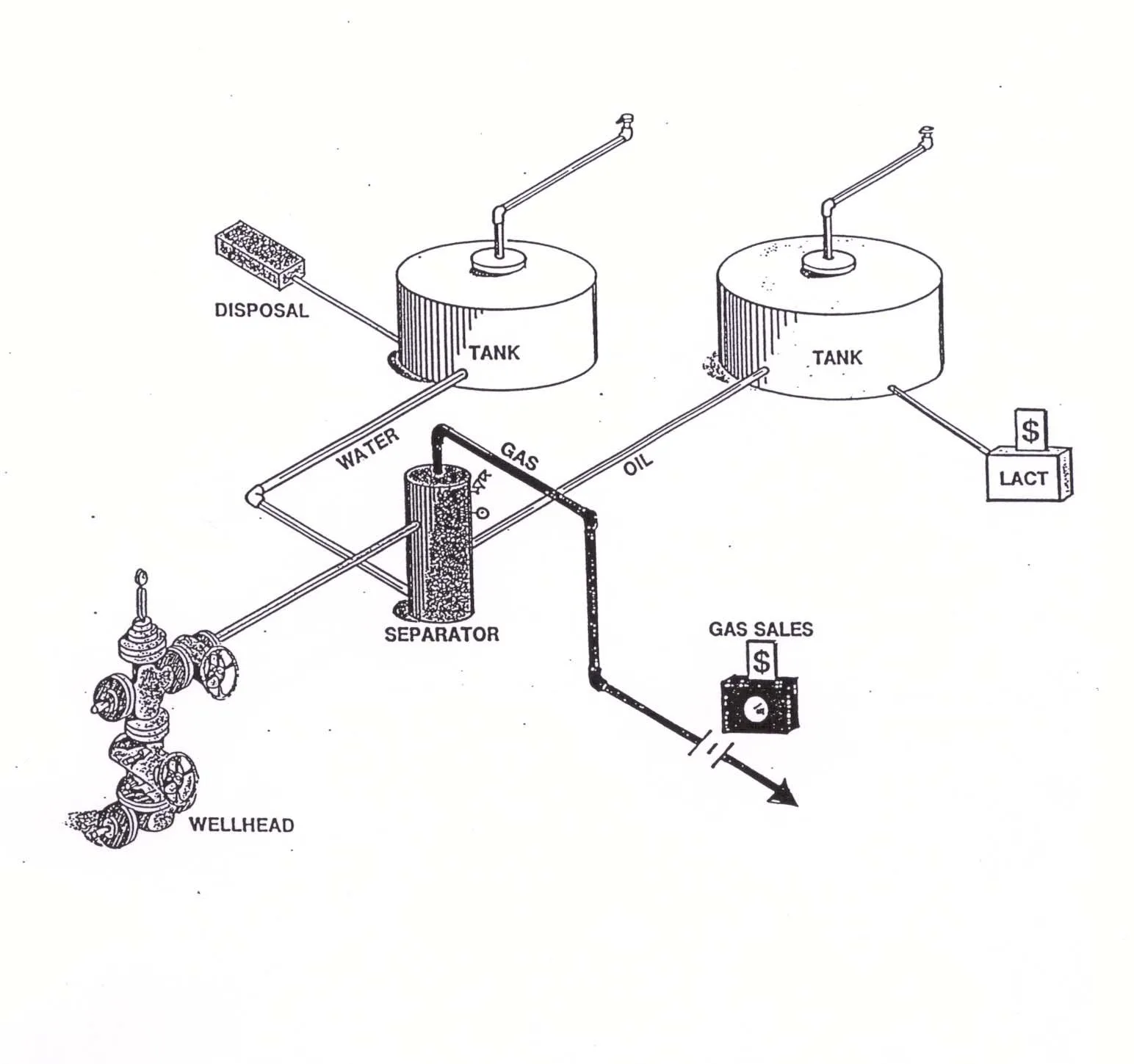
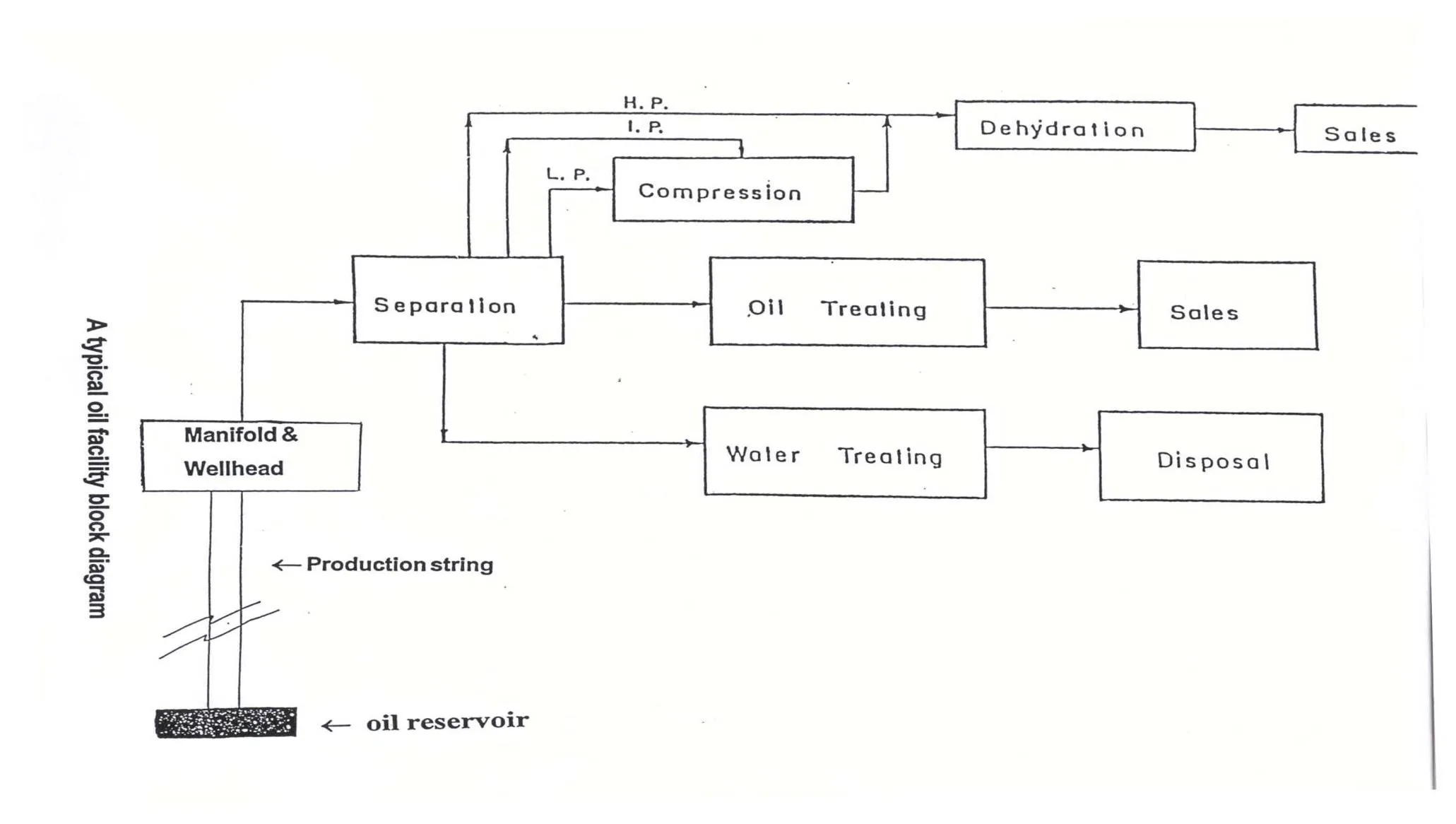
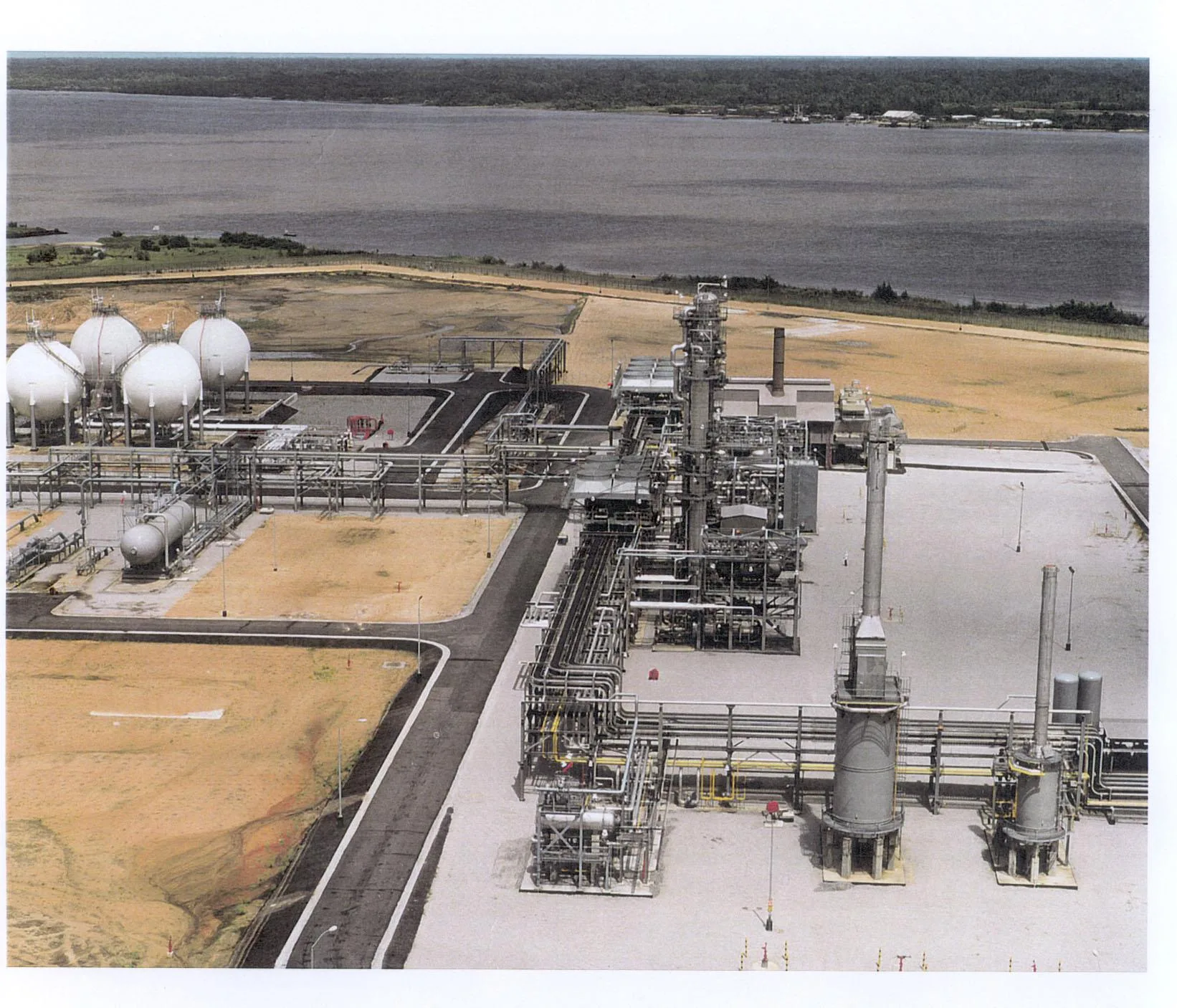
  • Surface production operations: Cover the flow of petroleum fluids from the wellhead to delivery or sales points.
  • Key processes include gathering systems, separation of gas/oil/water, treatment of crude oil, and storage.

how do subsurface production operations work

Subsurface production operations involve the movement of oil, gas, and water from the reservoir through the tubing to the wellhead.

  • Key aspects include:
  • Well completion: Preparing the well for production.
  • Inflow performance relationship (IPR): Defines the relationship between surface oil rate and wellbore flowing pressure.
  • Artificial lift operations: Techniques used to increase the flow of liquids from the well.

what is the role of a production engineer

A production engineer plays a crucial role in managing and optimizing subsurface and surface production operations.

  • Typical duties include:
  • Well completions: Involvement in the completion of wells.
  • Well testing: Conducting tests to evaluate well performance.
  • Fluid processing: Gathering, treating, and processing produced fluids.
  • Data analysis: Analyzing past performance to predict future outcomes.

what is the importance of surface production operations

Surface production operations are vital for the efficient flow of petroleum fluids from the wellhead to sales points.

  • They encompass several critical processes:
  • Gathering systems: Pipeline connections that transport fluids.
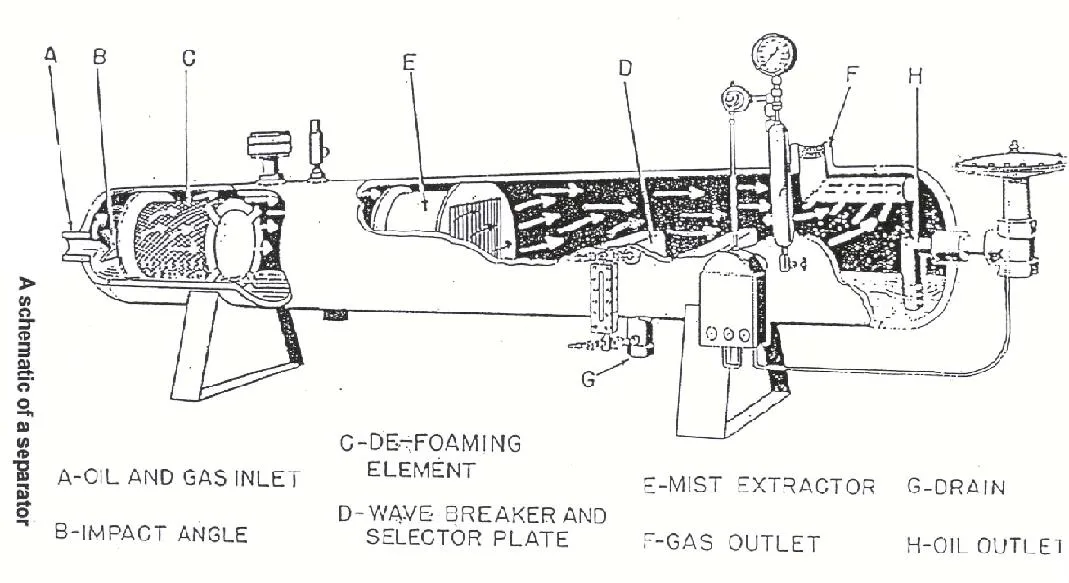
  • Separation: Dividing gas, oil, and water for further processing.
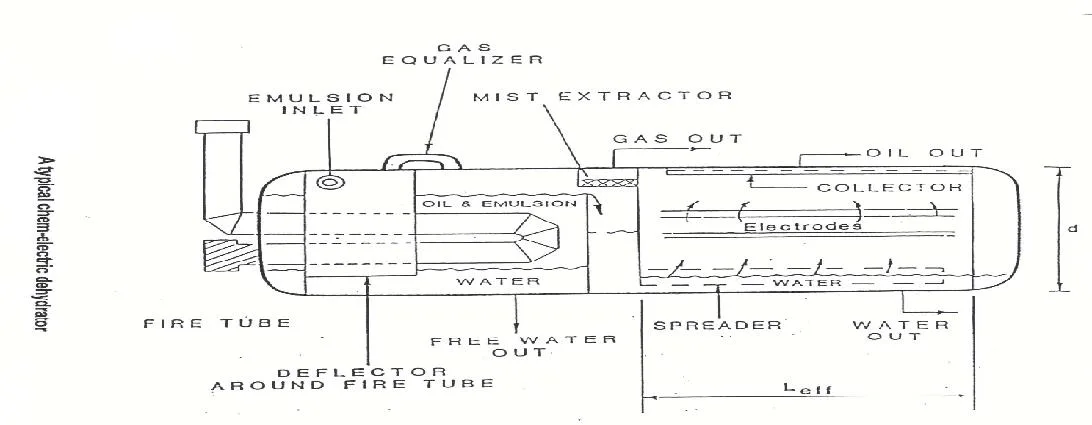
  • Treatment: Ensuring crude oil meets market specifications.
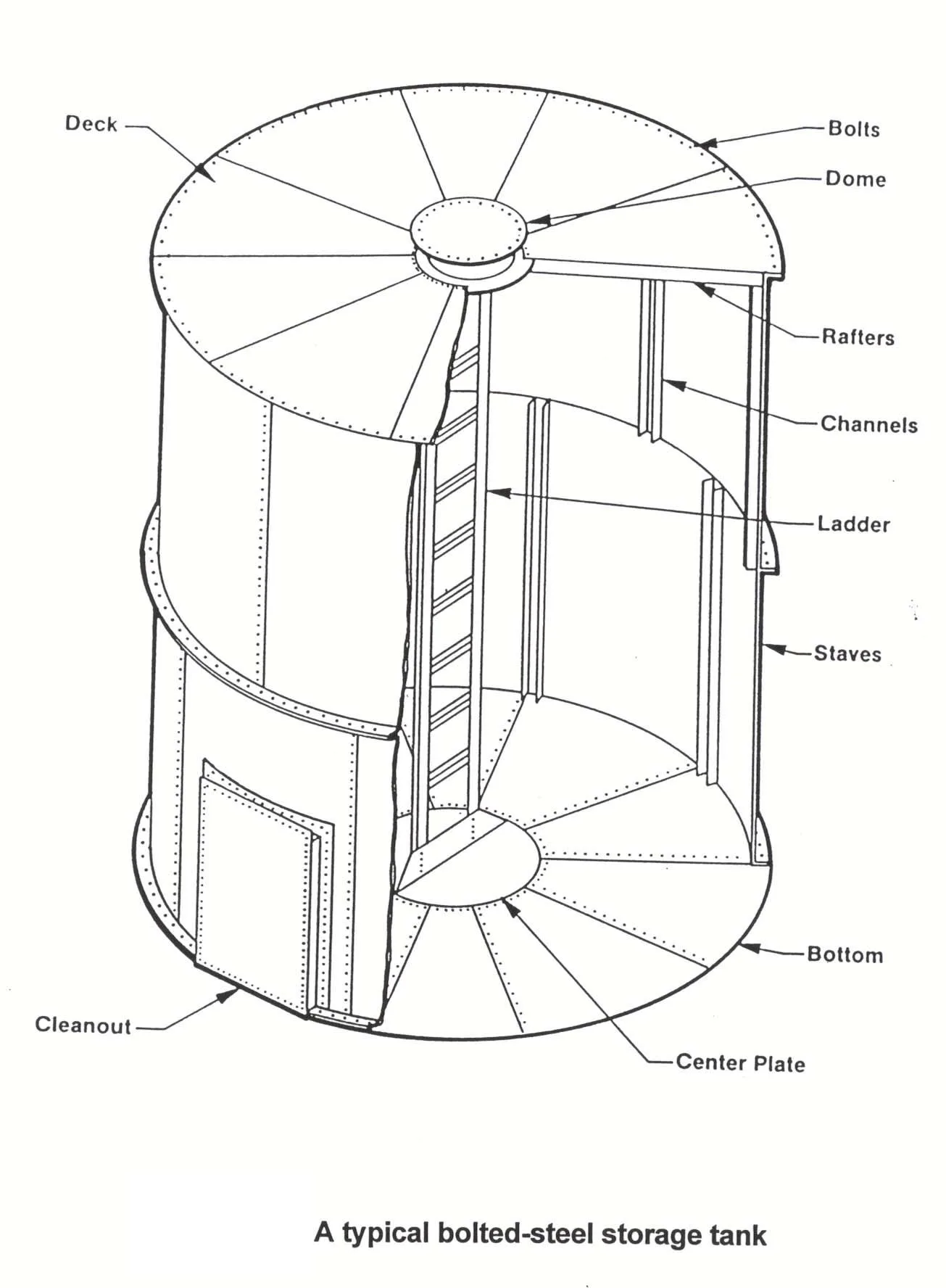
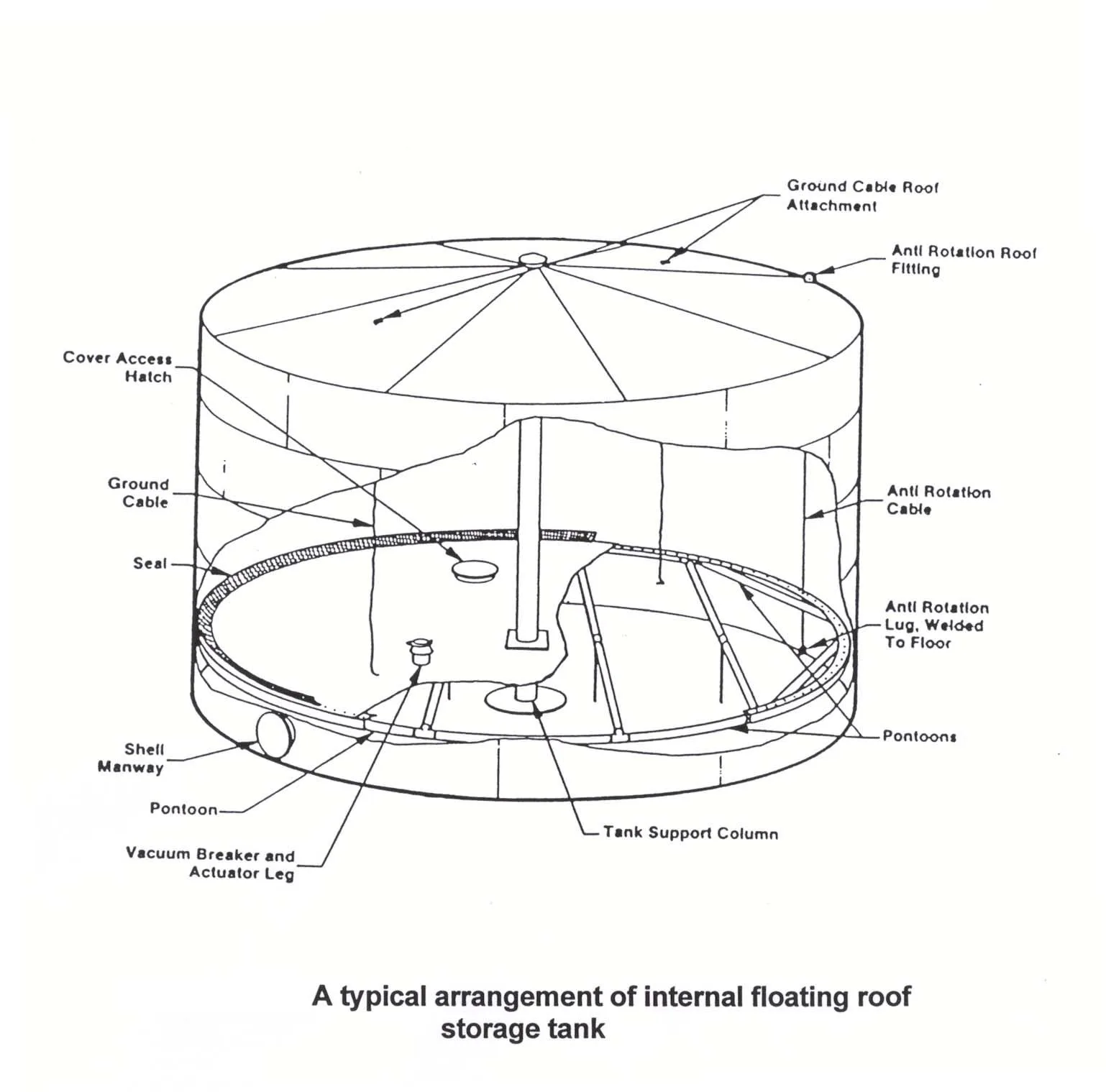
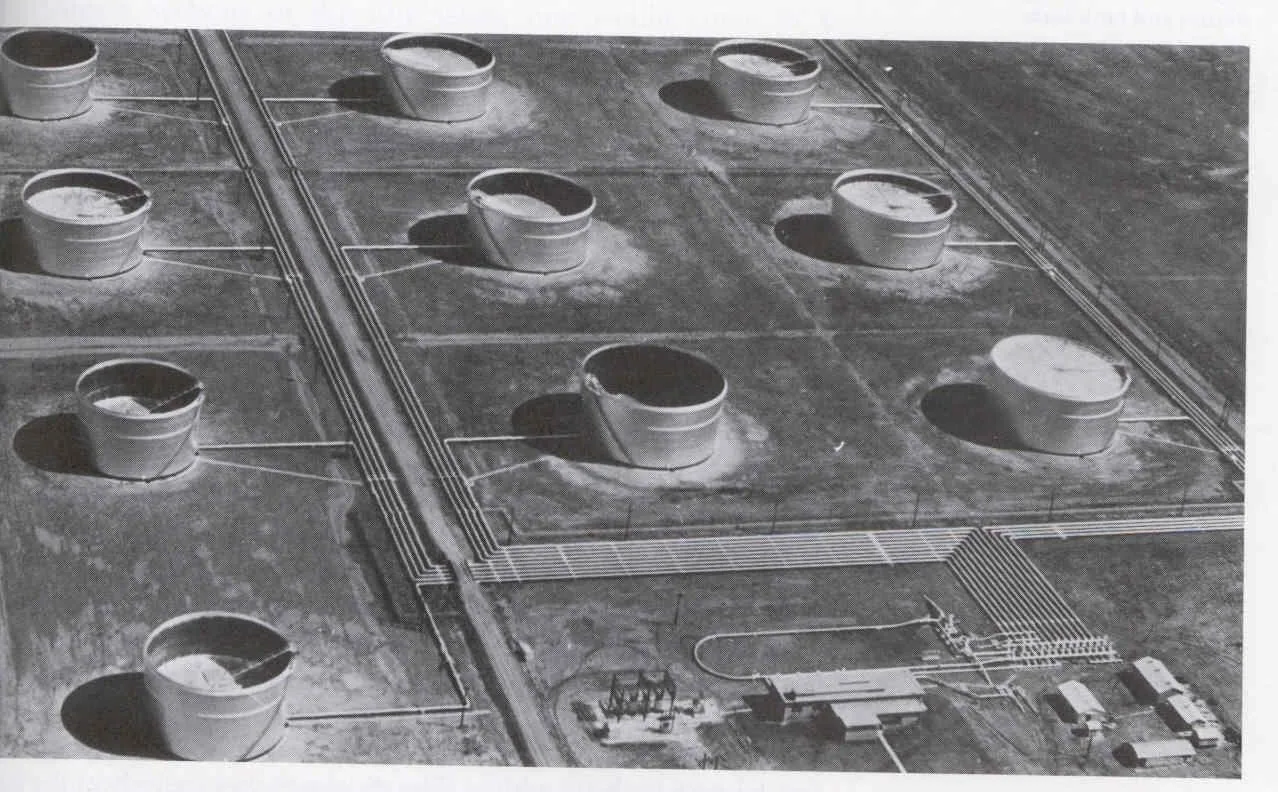
  • Storage: Safely storing crude oil until it can be transported.

what are the key components of a production system

A production system comprises various components that work together to extract and process oil and gas efficiently.

  • Key components include:
  • Wellhead equipment: Essential for controlling the flow of fluids.
  • Gathering system: Manifolds and pipelines for fluid transport.
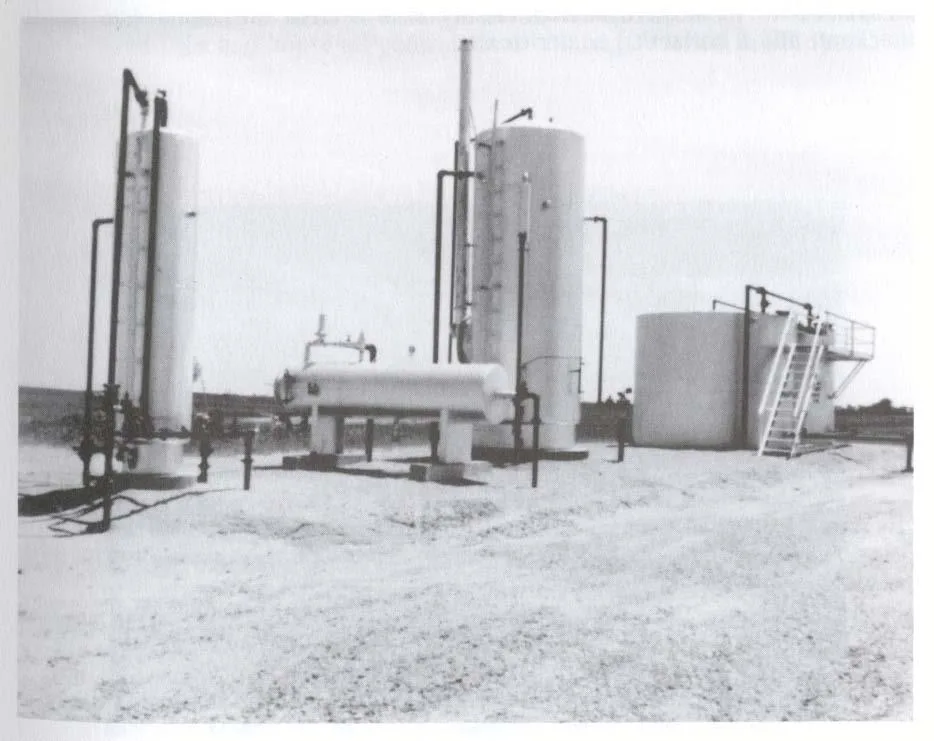
  • Separation system: Equipment to separate oil, gas, and water.
  • Treating and storage systems: Facilities for processing and storing crude oil.

what methods are used for treating crude oil

Treating crude oil is essential to remove water and contaminants to ensure quality and marketability.

  • Common methods include:
  • Heat: Applying heat to separate water from oil.
  • Dehydration: Using gravity settling to remove water.
  • Chemical treatment: Combining chemicals with heat or electrical methods to enhance separation.

how do you calculate reservoir inflow performance (IPR)

Reservoir inflow performance (IPR) is calculated to define the relationship between the surface oil rate and wellbore flowing pressure.

  • The IPR can be expressed as:
  • Qo = J (PR - Pwf), where:
  • Qo = surface flow rate
  • PR = reservoir pressure
  • Pwf = wellbore flowing pressure
  • J = productivity index, a constant that indicates the efficiency of the well.

what is the difference between straight line IPR and curved IPR

Straight line IPR and curved IPR represent different relationships in oil well performance.
TypeDescription
Straight Line IPRApplies to undersaturated oil reservoirs; flow rate is directly proportional to pressure drawdown.
Curved IPRApplies to saturated oil wells; involves two-phase flow and is described by the Vogel equation.

what are the environmental considerations in production operations

Environmental considerations are crucial in production operations to minimize impact and ensure compliance with regulations.

  • Key aspects include:
  • Waste management: Proper disposal of produced water and other waste.
  • Emission controls: Reducing greenhouse gas emissions during operations.
  • Safety measures: Implementing systems to prevent spills and accidents.