Chapter 3 of PGE 101 focuses on drilling and well completion operations in the petroleum and gas industry. It covers fundamental concepts such as pressure, temperature, and their effects on drilling operations. Key topics include the importance of downhole temperature data, types of pressure, and drilling techniques. This chapter is essential for students studying petroleum engineering and those interested in the technical aspects of drilling. It provides insights into the challenges faced during drilling and the methodologies used to overcome them.

Key Points

  • Explains fundamental concepts in drilling operations, including pressure and temperature effects.
  • Covers the importance of downhole temperature data for fluid recovery and drilling efficiency.
  • Discusses various types of pressure encountered during drilling, including static and circulation pressure.
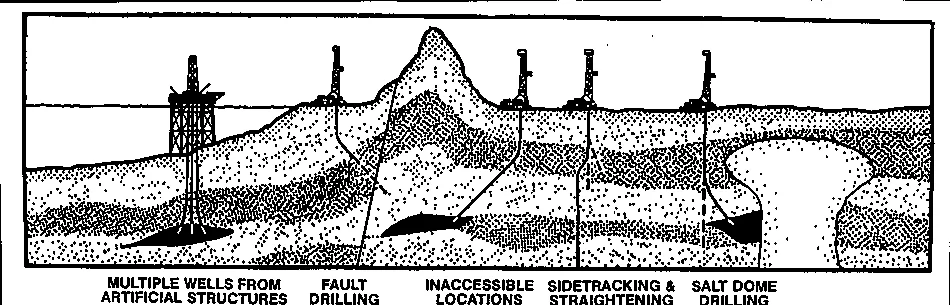
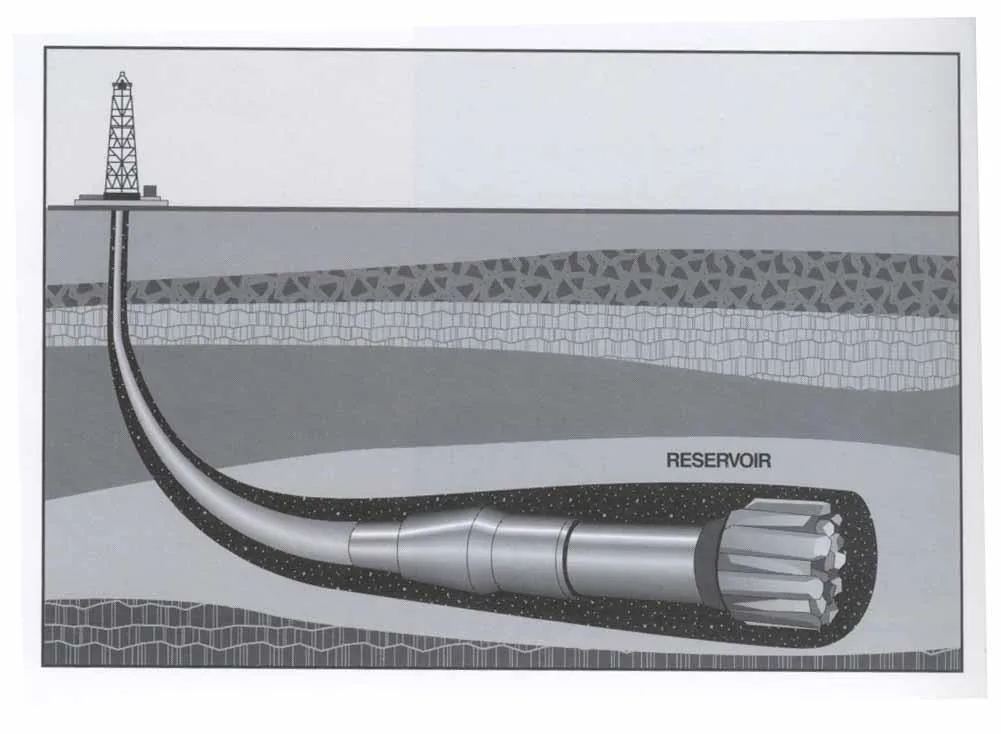
  • Details drilling techniques, including rotary drilling and site preparation for different environments.
173
/ 49
PGE 101 Introduction to Petroleum
and Gas Industry
FALL 2025/2026
By
Dr. Samuel O. Osisanya, PE
BSPE(UI,1976), MSPE (UT Austin, 1986), PhDPE (UT Austin,1991)
Visiting Retired Professor
Department of Petroleum Engineering
The University of Oklahoma, Oklahoma, USA
2
Chapter 3
Drilling and Well Completion
Operations
by
Dr. Samuel O. Osisanya, P.E
Fundamental Concepts Used in Drilling
Petroleum Geology - rock types, rock properties and their
relationships to drilling
Pressure & Temperature - forms of stored energy
Affects the physical and chemical properties of the rock and the
fluids it contained
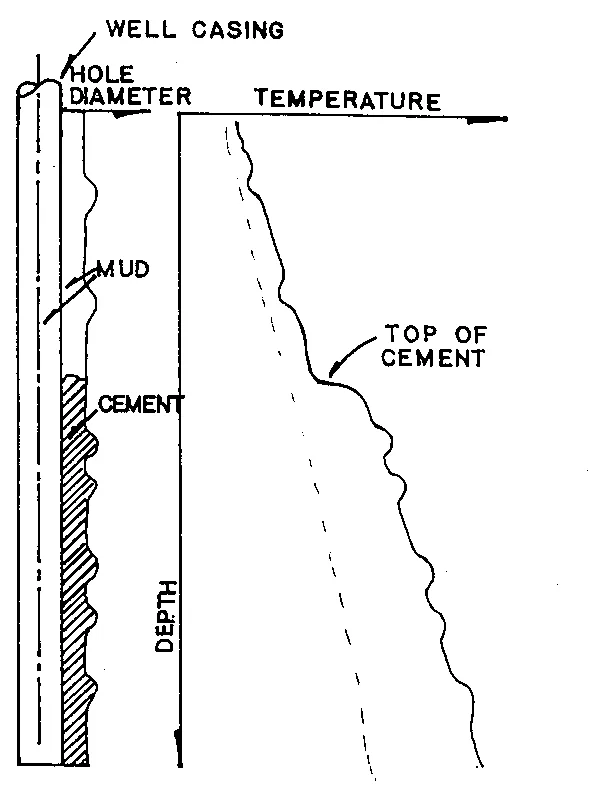
Temperature and Temperature Gradient
Temperature increases with depth; hence heat flows from center of
the earth by conduction
Some rocks are better conductors than others
Temperature is measured by thermometers
In general, T
D
= T
s
+ G x TVD (true vertical depth)
T
s
= f(latitude) - 70
o
F (Gulf Coast) & 10
o
F (Alaska)
normal temperature gradient, G = 1.6
o
F/100-ft
/ 49
End of Document
173

FAQs

what is PGE 101 Introduction to Petroleum and Gas Industry about

PGE 101 Introduction to Petroleum and Gas Industry provides a comprehensive overview of the petroleum and gas sector, focusing on fundamental concepts and operations.

  • It covers topics like drilling techniques, well completion, and the importance of pressure and temperature data.
  • The course also emphasizes the role of geology in petroleum extraction and the various types of drilling rigs.
  • Students learn about drilling fluids, formation evaluation, and well completion operations.

what are the key concepts in PGE 101 Introduction to Petroleum and Gas Industry

The key concepts in PGE 101 Introduction to Petroleum and Gas Industry include essential topics that underpin the petroleum sector.

  • Petroleum Geology: Understanding rock types and properties.
  • Drilling Techniques: Rotary drilling methods and their applications.
  • Pressure and Temperature: Their effects on drilling operations and fluid recovery.
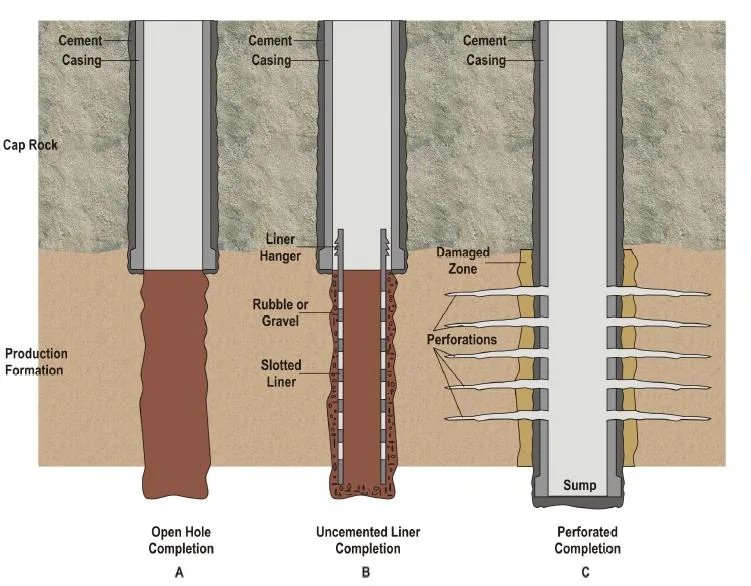
  • Well Completion: Techniques for effective communication between reservoirs and wellbores.

what is the importance of drilling fluids in PGE 101 Introduction to Petroleum and Gas Industry

Drilling fluids play a critical role in PGE 101 Introduction to Petroleum and Gas Industry as they are essential for successful drilling operations.

  • They help maintain pressure, cool the drill bit, and carry cuttings to the surface.
  • Proper selection and maintenance of drilling fluids can significantly reduce costs and improve drilling efficiency.
  • Fluids are also crucial for stabilizing the wellbore and preventing formation damage.

how does well completion work in PGE 101 Introduction to Petroleum and Gas Industry

Well completion in PGE 101 Introduction to Petroleum and Gas Industry involves several key procedures to ensure effective production.

  • Formation Evaluation: Techniques like wireline logging and drill stem testing are used.
  • Casing and Cementing: Essential for isolating different pressure zones.
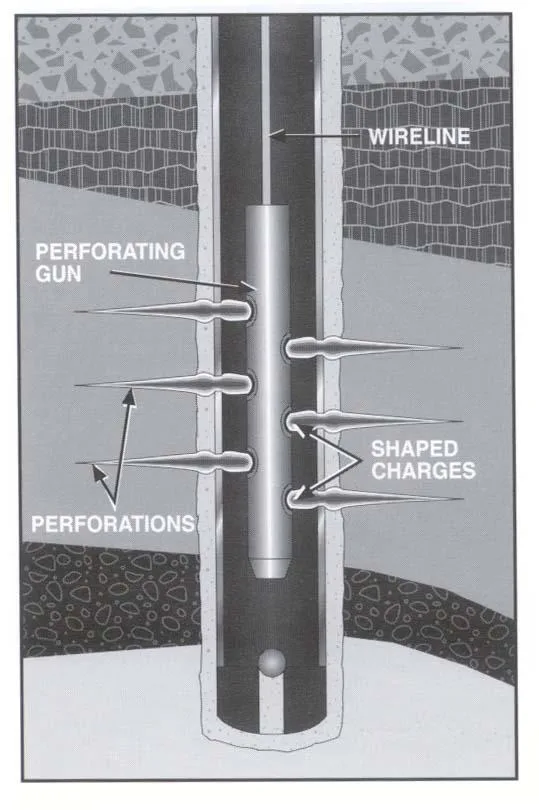
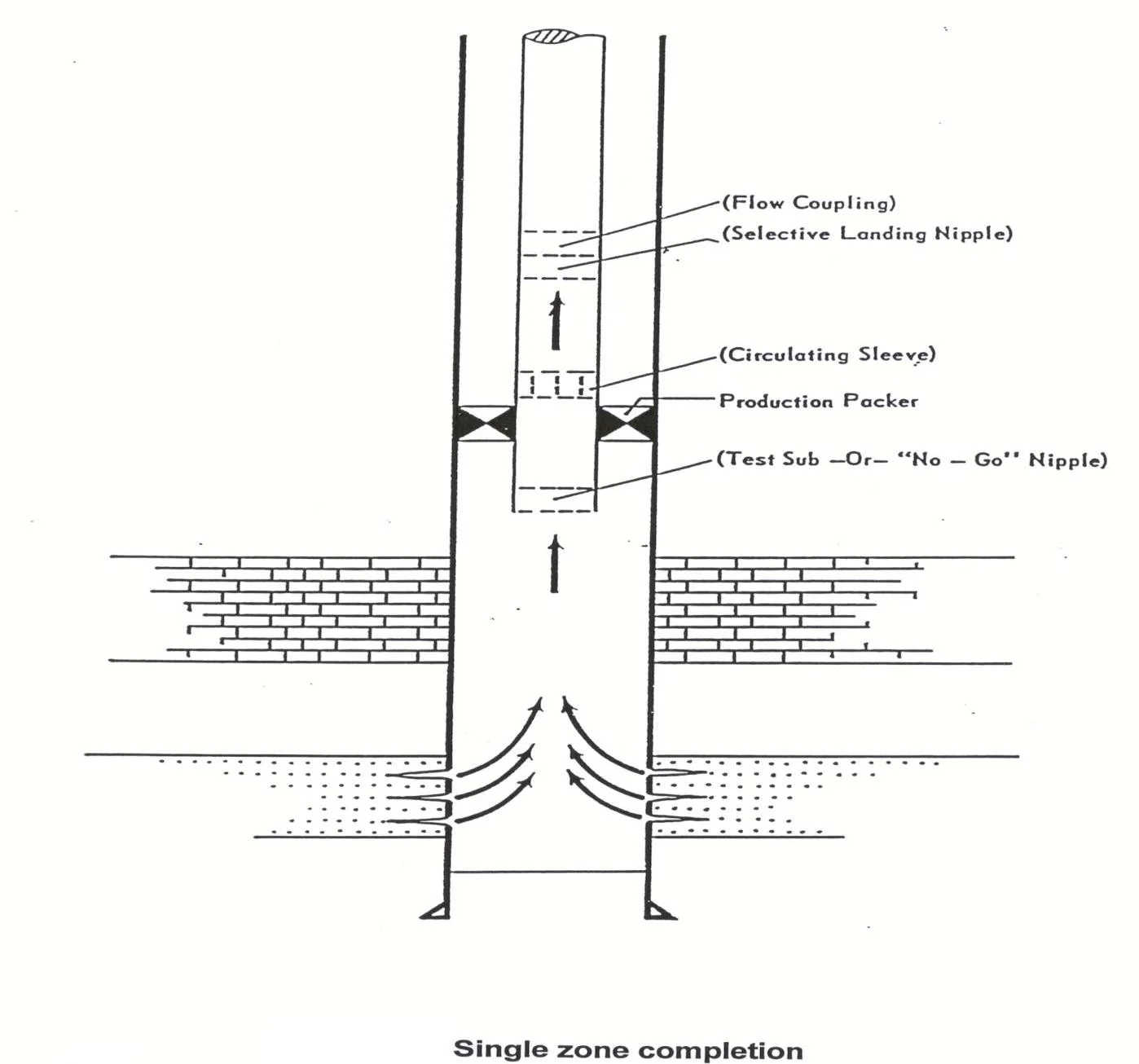
  • Perforation: Creating openings in the casing to allow hydrocarbons to flow.
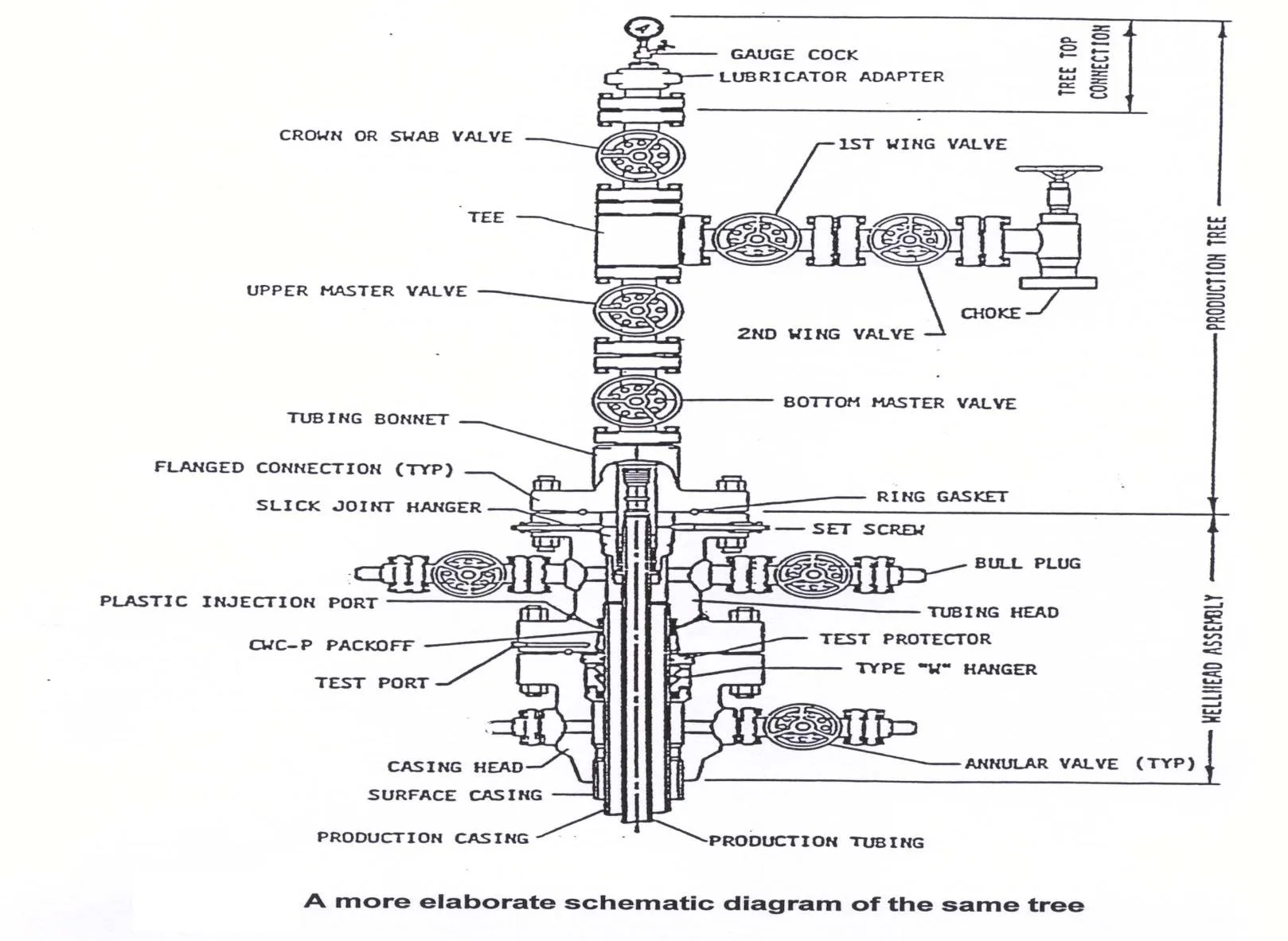
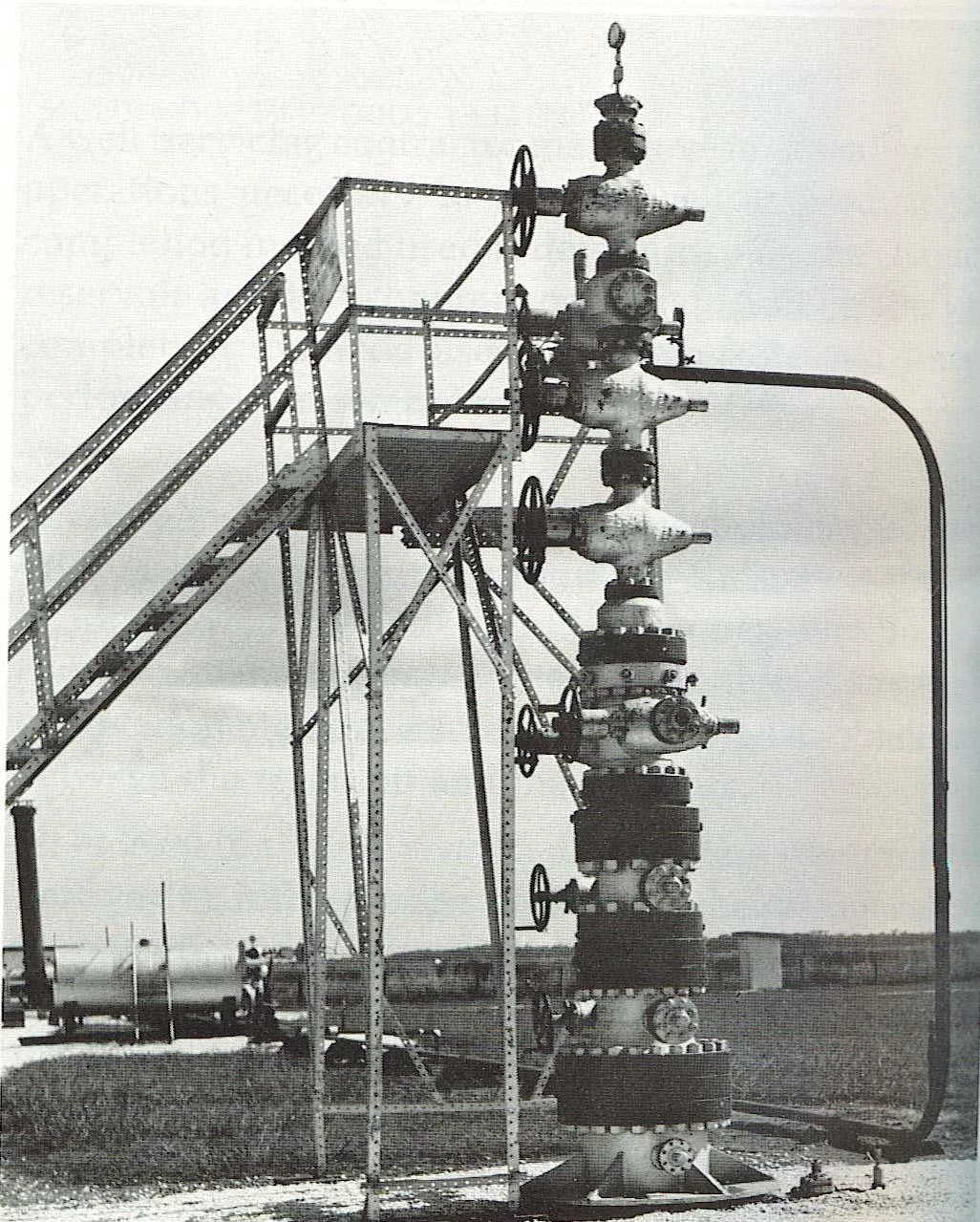
  • Installation: Running tubing and installing a Christmas tree for flow control.

what types of drilling rigs are discussed in PGE 101 Introduction to Petroleum and Gas Industry

PGE 101 Introduction to Petroleum and Gas Industry discusses various types of drilling rigs used in the industry.

  • Land Rigs: Heavy and light land rigs designed for onshore drilling.
  • Marine Rigs: Includes floating rigs, semi-submersibles, and jackup rigs for offshore operations.
  • Tender Barges: Used in swamp and shallow water environments.
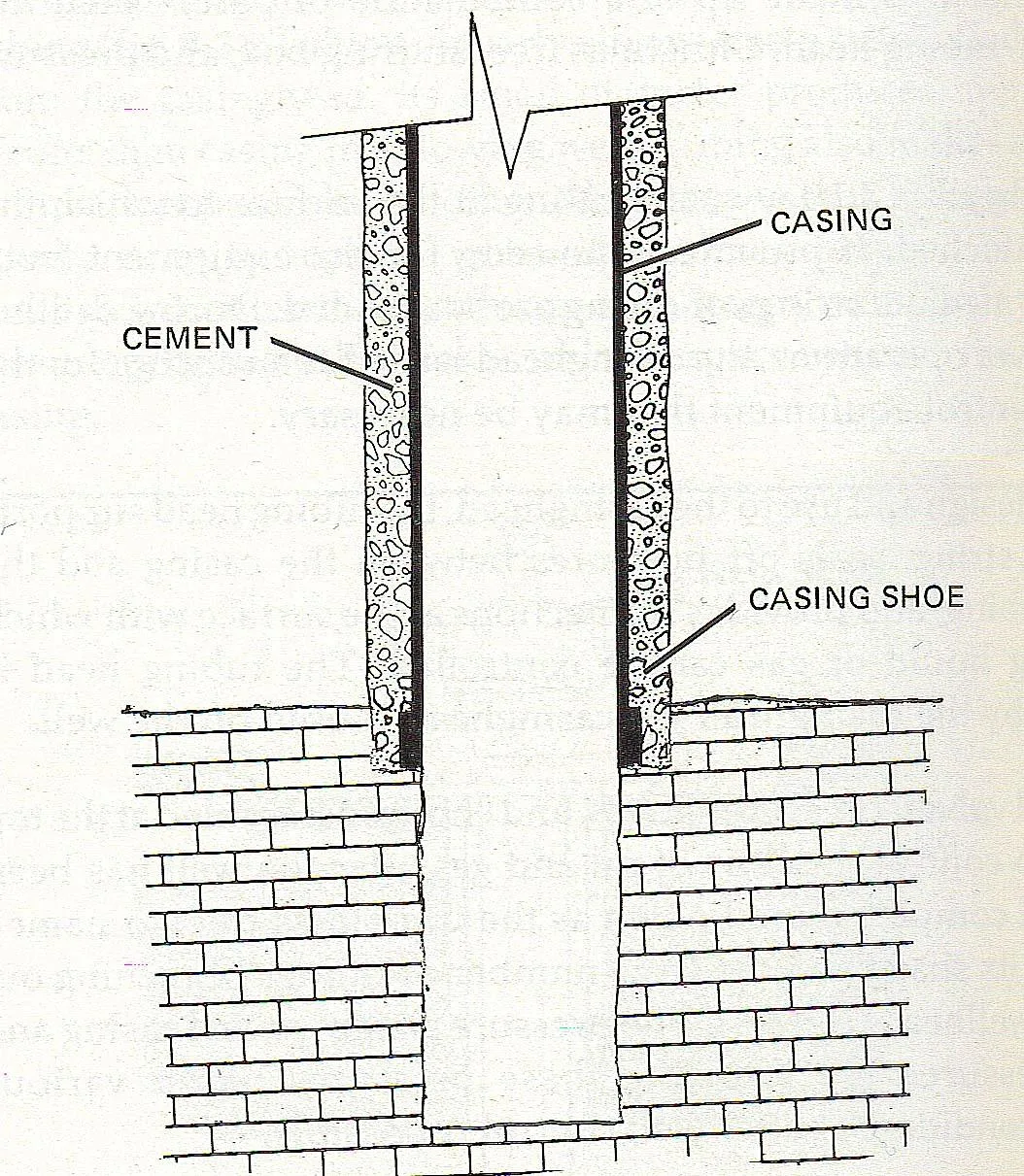
what are the functions of casing in PGE 101 Introduction to Petroleum and Gas Industry

Casing serves multiple essential functions in PGE 101 Introduction to Petroleum and Gas Industry.

  • It provides pressure control and isolates various hole problems.
  • Casing separates zones with different pressures and fluids, protecting fresh-water sands.
  • It prevents hole caving and eliminates water or gas coning from the producing formation.