AI undress apps pose significant risks by using artificial intelligence to manipulate images and videos, often without consent. These tools, sometimes referred to as 'deep nudes' or 'deep fakes', can create harmful implications for individuals depicted in altered media. This safeguarding alert highlights the legal and ethical concerns surrounding the unauthorized creation of such content. Parents and guardians are encouraged to educate themselves and report any incidents to local authorities. The document also provides resources for further information on the topic.

Key Points

  • Explains the risks associated with AI undress apps and their impact on privacy.
  • Describes the legal implications of creating deep fake content without consent.
  • Offers guidance for parents on how to address concerns related to AI undress technology.
  • Encourages reporting incidents to local authorities for better safeguarding.
Kanhaiya Mahato
1 page
Language:English
Type:Guide
Kanhaiya Mahato
1 page
Language:English
Type:Guide
355
/ 1
Safeguarding Alert Artificial intelligence (AI) undress apps and websites:
Recently there has been an increase in AI Undress apps Undress AI is a genre of
apps that uses artificial intelligence to alter videos or images. It describes a type of
tool that uses artificial intelligence to remove clothes off individuals in images.
Although the manipulated image isn’t actually showing the victim’s real nude body, it
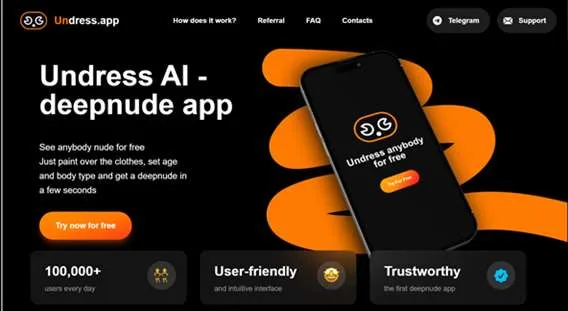
can imply this. An example of an AI undress app is below:
The images produced on the websites / apps may be referred to as ‘deep nudes’ or
‘deep fakes.’ Creating a deep nude or deep fake image of someone without their
consent is illegal.
More information for parents and carers can be found on the Internet Matters
website - What is undress AI? Guidance for parents and carers
If you become aware a deep nude or deep fake situation over the summer holidays,
please inform Suffolk Constabulary by either calling 101 or reporting online using the
following link: https://www.suffolk.police.uk/ro/report/ocr/af/how-to-report-a-crime/
/ 1
End of Document
355

FAQs

What are AI Undress apps and how do they work?
AI Undress apps are tools that utilize artificial intelligence to alter images or videos by removing clothing from individuals. These apps create manipulated images that may imply nudity, even though they do not display the actual nude body of the person depicted. Such applications have gained notoriety for producing what are referred to as 'deep nudes' or 'deep fakes.'
Is it legal to create deep fake images without consent?
Creating deep fake images, including deep nudes, without the consent of the individual depicted is illegal. This highlights the serious legal implications associated with the use of AI Undress apps, as they can violate personal rights and privacy. The document emphasizes the importance of consent in the creation and distribution of such manipulated images.
What should you do if you encounter a deep fake situation?
If you become aware of a deep fake or deep nude situation, particularly during the summer holidays, it is advised to inform Suffolk Constabulary. You can do this by calling 101 or reporting the incident online. The document encourages proactive reporting to address and mitigate the risks associated with these technologies.
What resources are available for parents regarding AI Undress apps?
The document mentions that more information for parents and carers can be found on the Internet Matters website. This resource provides guidance on understanding AI Undress apps and the potential risks they pose, helping parents to educate themselves and their children about online safety.
What are the implications of AI Undress apps on privacy?
AI Undress apps pose significant risks to individual privacy, as they can create misleading images that imply nudity without the person's consent. This manipulation can lead to reputational damage and emotional distress for the individuals involved. The document underscores the importance of recognizing these implications in discussions about digital ethics and personal rights.