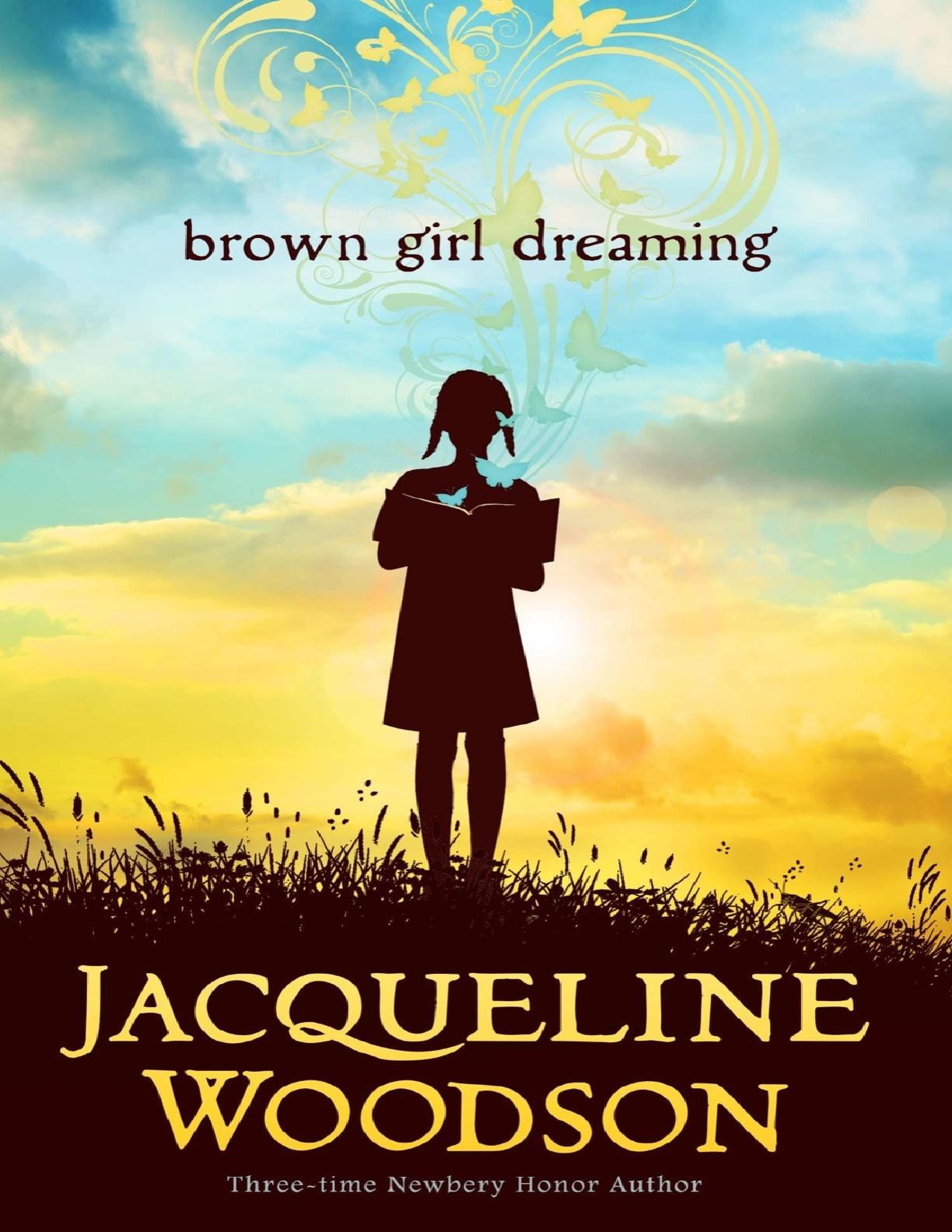
Brown Girl Dreaming is a memoir by Jacqueline Woodson that explores her childhood experiences growing up as an African American girl in the 1960s and 1970s. The narrative unfolds through a series of poetic vignettes, capturing her journey from South Carolina to New York City, highlighting themes of identity, family, and the power of storytelling. Woodson reflects on her struggles with fitting in, her love for writing, and the influence of her family and community on her dreams. This poignant memoir is ideal for readers interested in personal narratives, African American history, and young adult literature. It resonates with those seeking to understand the complexities of growing up in a diverse world.
Key Points

  • Explores themes of identity and belonging through poetic vignettes.
  • Highlights Jacqueline Woodson's childhood experiences in South Carolina and New York.
  • Examines the influence of family and community on personal dreams and aspirations.
  • Addresses the challenges of growing up as an African American girl in the 1960s and 1970s.

newtopiccyclegrowin
Author:Jacqueline Woodson
290 pages
Language:English
Type:Book
newtopiccyclegrowin
Author:Jacqueline Woodson
290 pages
Language:English
Type:Book
231
/ 290
ALSOBYJACQUELINEWOODSON
LastSummerwithMaizon
TheDearOne
MaizonatBlueHill
BetweenMadisonandPalmetto
IHadntMeanttoTellYouThis
FromtheNotebooksofMelaninSun
TheHouseYouPassontheWay
IfYouComeSoftly
Lena
Miracle’sBoys
Hush
Locomotion
BehindYou
Feathers
AfterTupacandDFoster
Peace,Locomotion
BeneathaMethMoon
/ 290
End of Document
231

FAQs

What themes are explored in Brown Girl Dreaming?
Brown Girl Dreaming explores themes of identity, family, and the struggle for freedom. Jacqueline Woodson reflects on her experiences growing up as an African American girl in the 1960s and 1970s, highlighting the importance of her family history and the impact of the Civil Rights Movement. The narrative emphasizes the significance of storytelling and memory in shaping one's identity, as well as the challenges faced by Black individuals in America.
How does Jacqueline Woodson describe her family in the book?
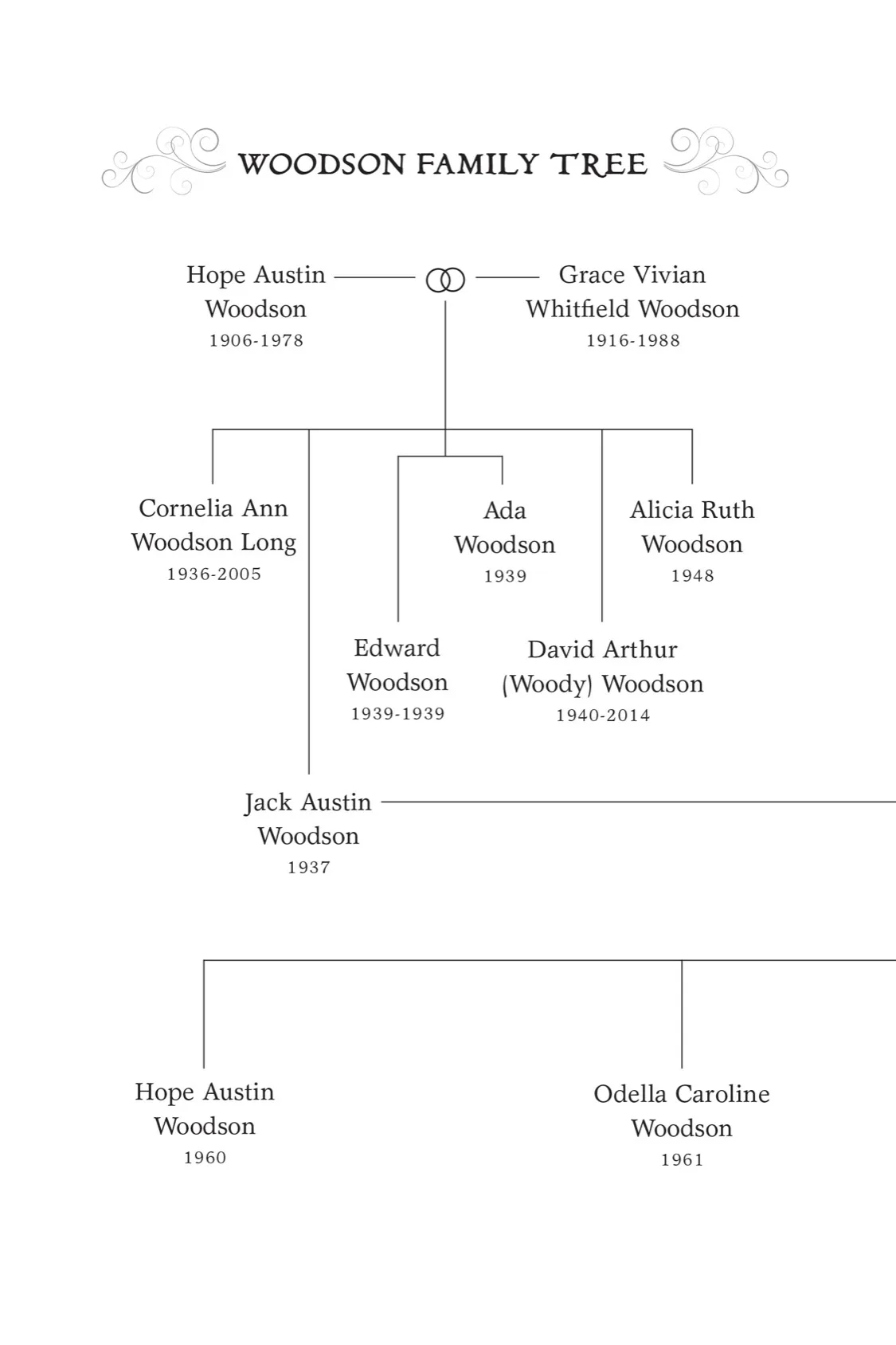
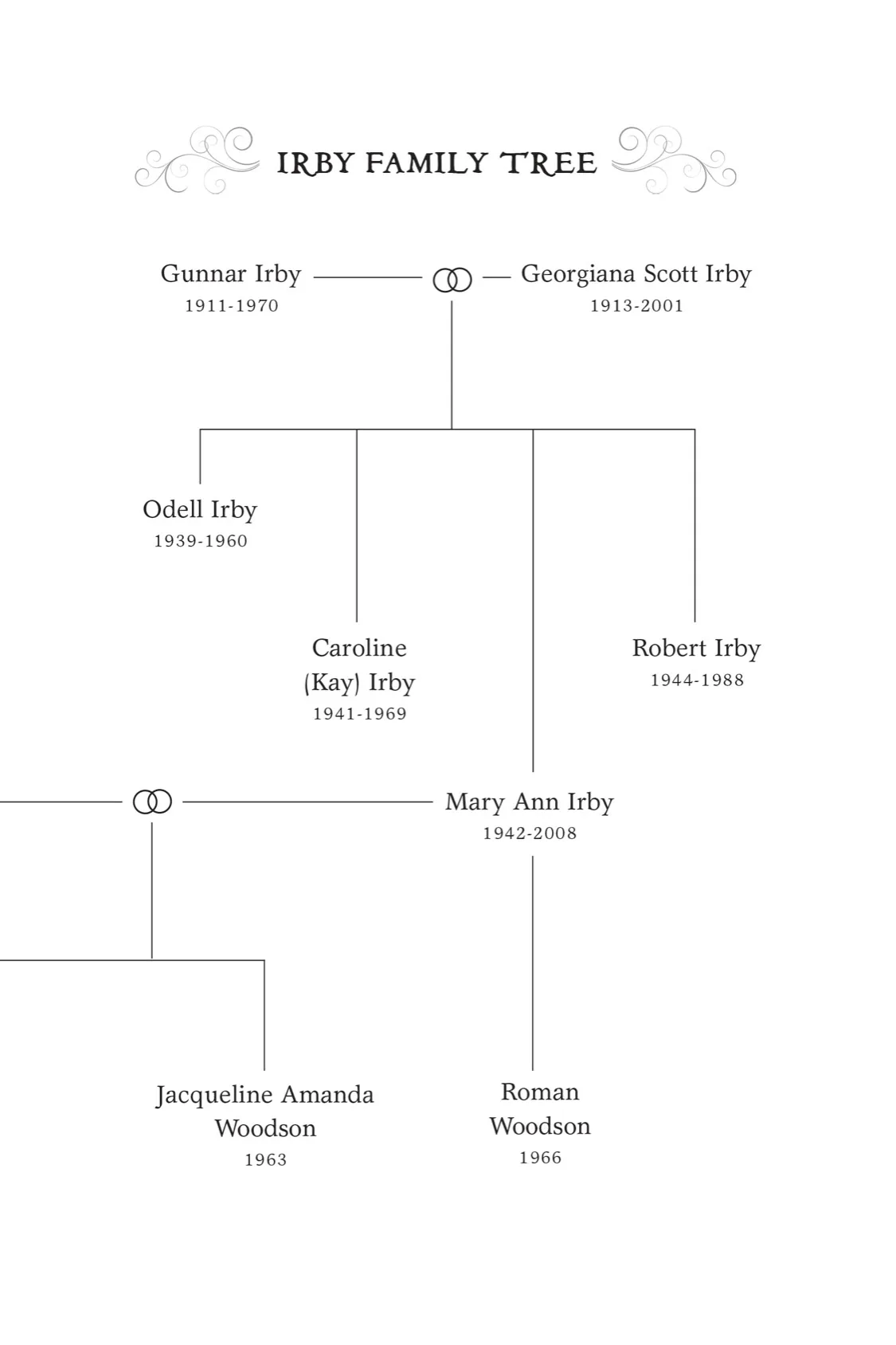
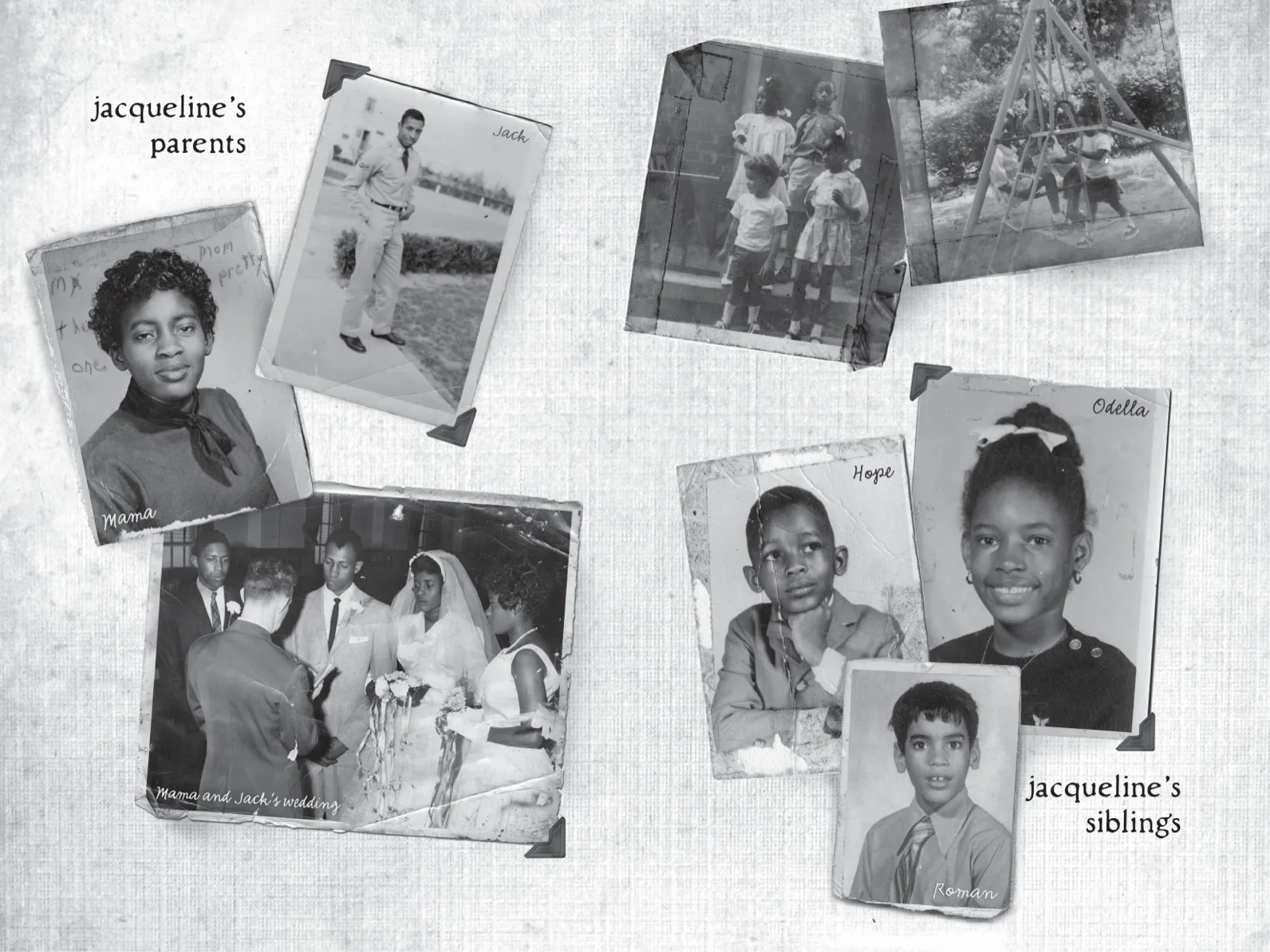
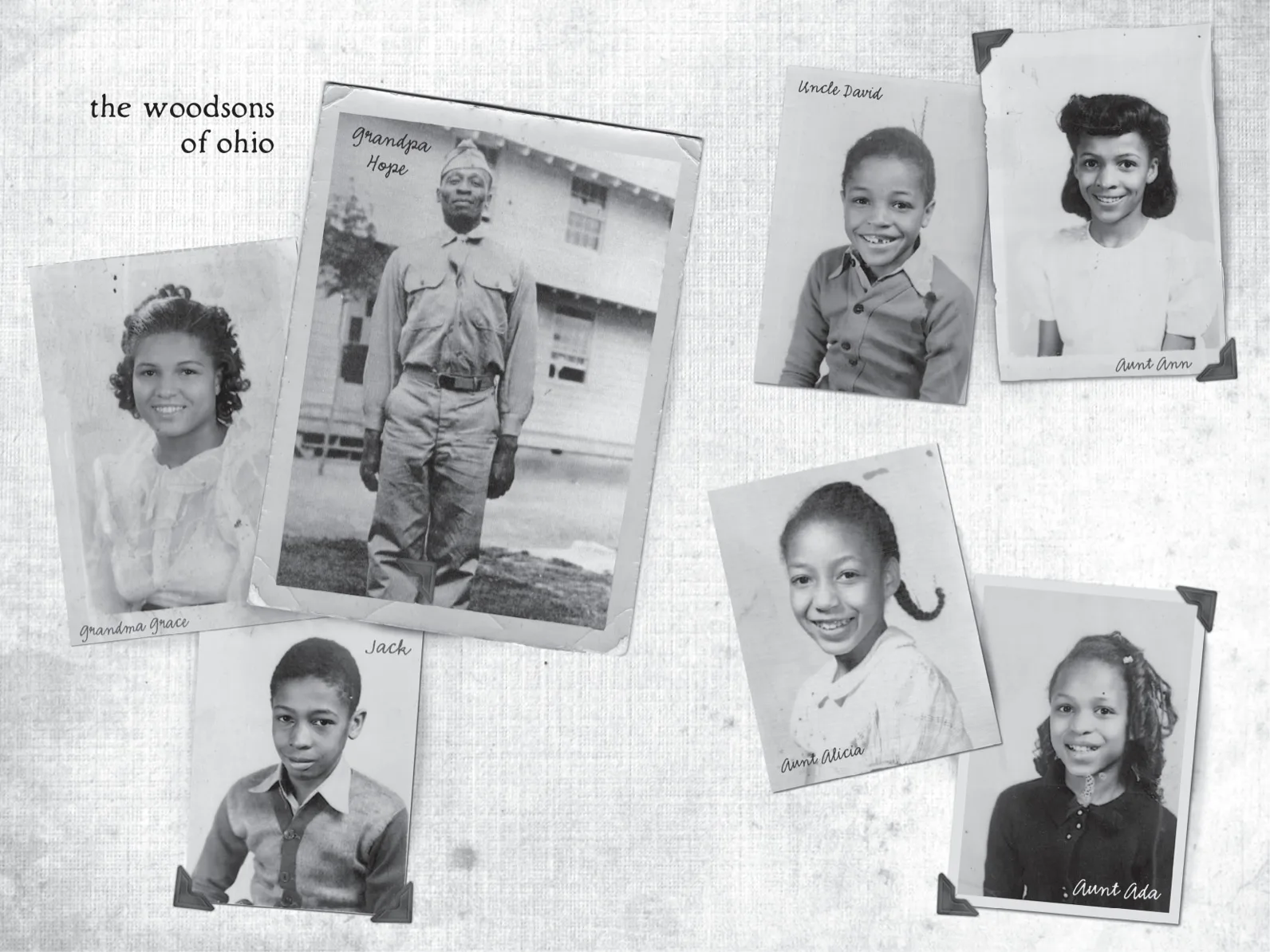
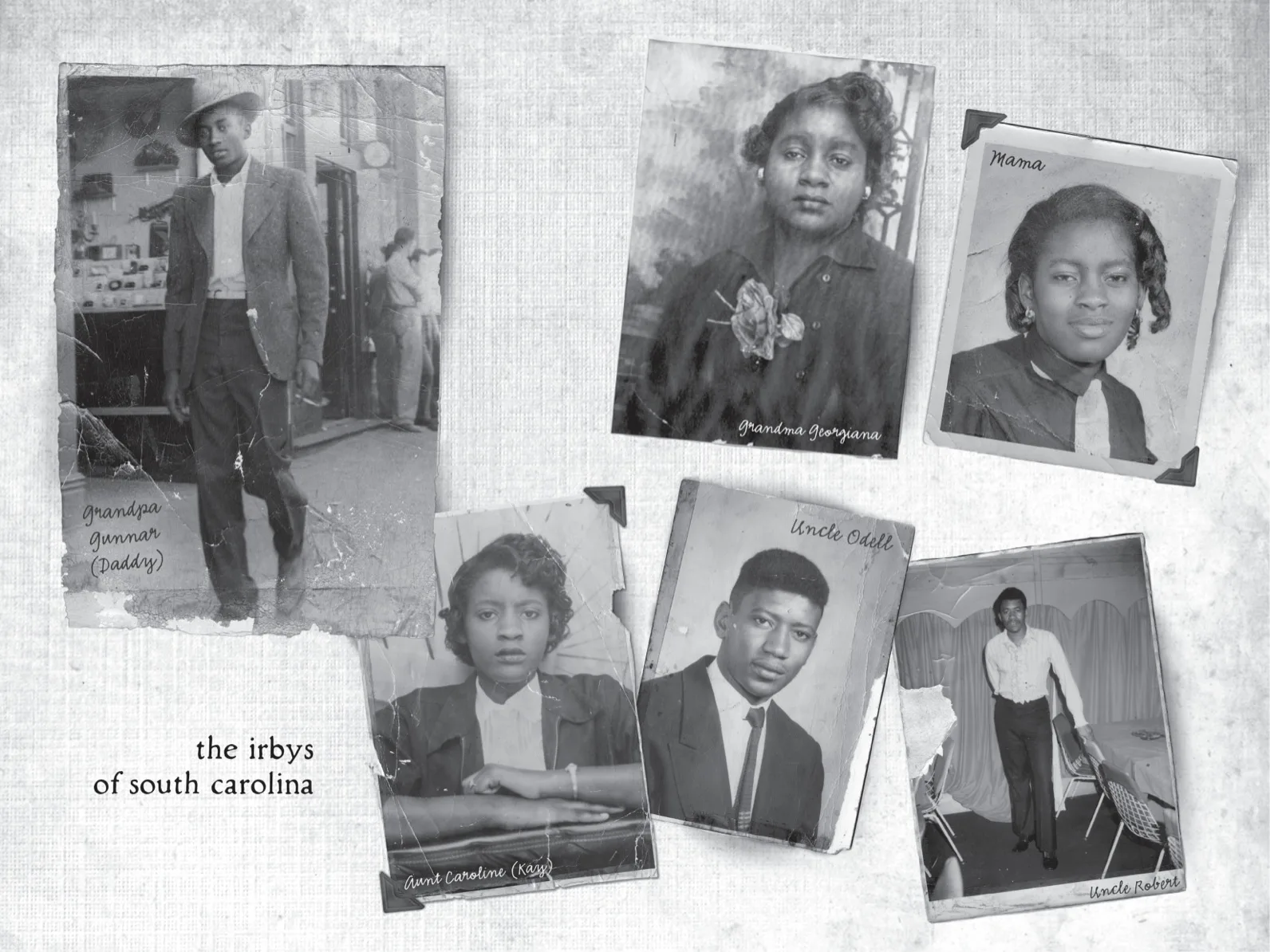
Jacqueline Woodson describes her family as a source of strength and support throughout her life. She provides detailed accounts of her grandparents, particularly her grandmother Georgiana and grandfather Gunnar, who played significant roles in her upbringing. The family tree illustrated in the book shows the connections between various relatives, emphasizing the legacy of love and resilience passed down through generations.
What is the significance of the title, Brown Girl Dreaming?
The title, Brown Girl Dreaming, reflects Jacqueline Woodson's journey of self-discovery and her dreams as a young Black girl. The term 'dreaming' signifies not only her aspirations but also the hopes and struggles of her community. Throughout the book, Woodson illustrates how her dreams are intertwined with her experiences of race, family, and the cultural backdrop of the Civil Rights Movement, making the title a poignant representation of her narrative.
What role does the setting play in Brown Girl Dreaming?
The setting in Brown Girl Dreaming plays a crucial role in shaping Jacqueline Woodson's identity and experiences. The contrasting environments of Ohio and South Carolina illustrate her dual heritage and the complexities of growing up in a racially divided America. Woodson's vivid descriptions of her surroundings, from the warmth of her grandmother's home to the harsh realities of segregation, help to contextualize her personal story within the broader historical narrative.
How does Woodson incorporate poetry into her storytelling?
Woodson incorporates poetry into her storytelling by using lyrical language and verse to convey her thoughts and emotions. The book is structured in a poetic format, allowing readers to experience her memories and reflections in a rhythmic and evocative manner. This style not only enhances the narrative but also emphasizes the beauty and power of words, illustrating how poetry serves as a means of expression and connection for Woodson.
What events from the Civil Rights Movement are mentioned in the book?
In Brown Girl Dreaming, Woodson references key events from the Civil Rights Movement, including the march on Washington led by Martin Luther King Jr. and the impact of figures like Malcolm X. These events serve as a backdrop to her childhood experiences, highlighting the social and political climate of the time. Woodson's reflections on these events illustrate how they influenced her understanding of race, identity, and the ongoing struggle for equality.
What does Jacqueline Woodson say about her writing process?
Jacqueline Woodson discusses her writing process as deeply connected to her memories and experiences. She emphasizes the importance of listening and observing the world around her, using her childhood stories as inspiration. Woodson reflects on the challenges she faced in finding her voice and the joy of discovering the power of storytelling, which ultimately led her to embrace her identity as a writer.