Energy and respiration are crucial topics in A Level Biology, focusing on how living organisms convert energy for cellular processes. This resource provides detailed explanations of aerobic and anaerobic respiration, including glycolysis, the Krebs cycle, and oxidative phosphorylation. Ideal for A Level students preparing for exams, it covers essential concepts and mechanisms involved in energy production. The document also discusses the role of ATP and NAD in cellular respiration, making it a comprehensive study aid for understanding metabolic pathways.
Key Points
- Explains the four stages of aerobic respiration: glycolysis, link reaction, Krebs cycle, and oxidative phosphorylation.
- Details the role of ATP as the universal energy currency in living organisms.
- Covers anaerobic respiration processes, including alcoholic and lactic fermentation.
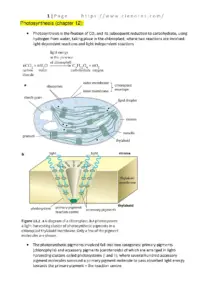
- Discusses the structure and function of mitochondria in energy production.
- Includes comparisons of energy values for different respiratory substrates.