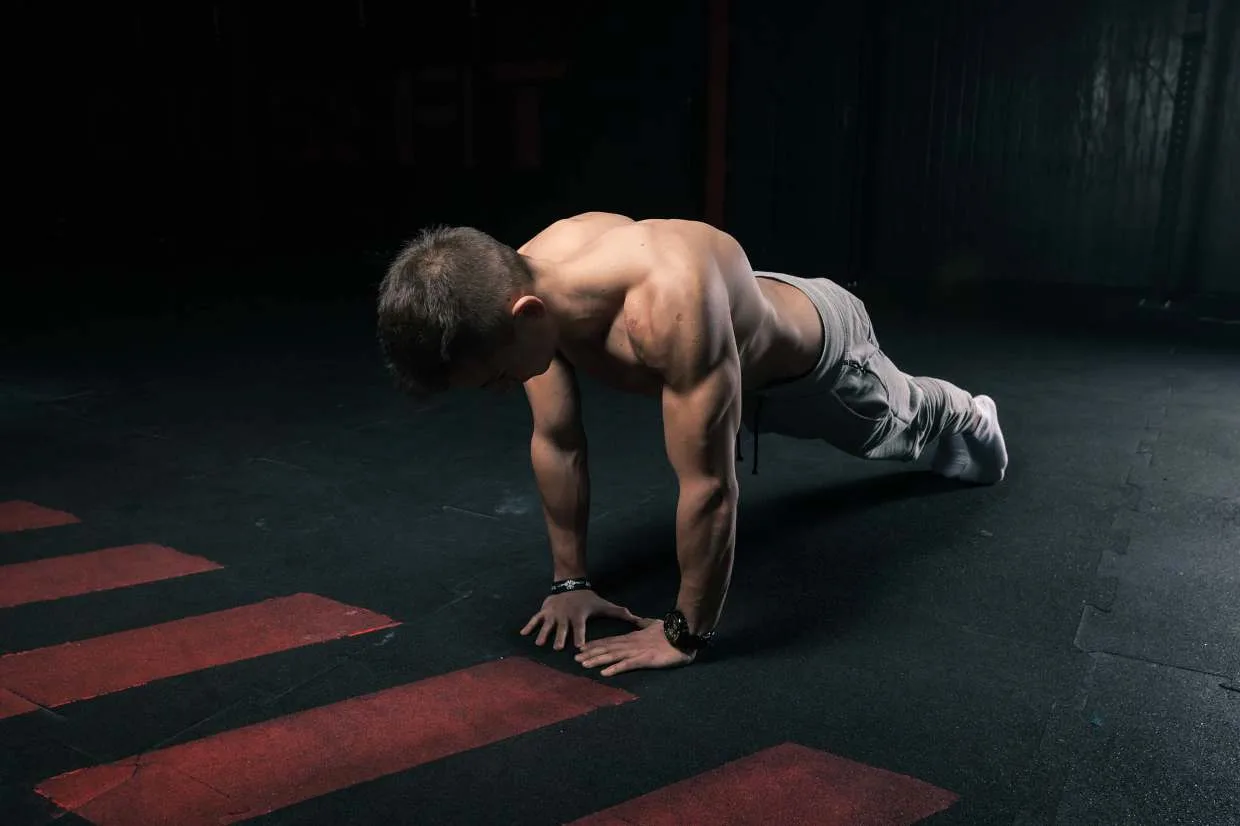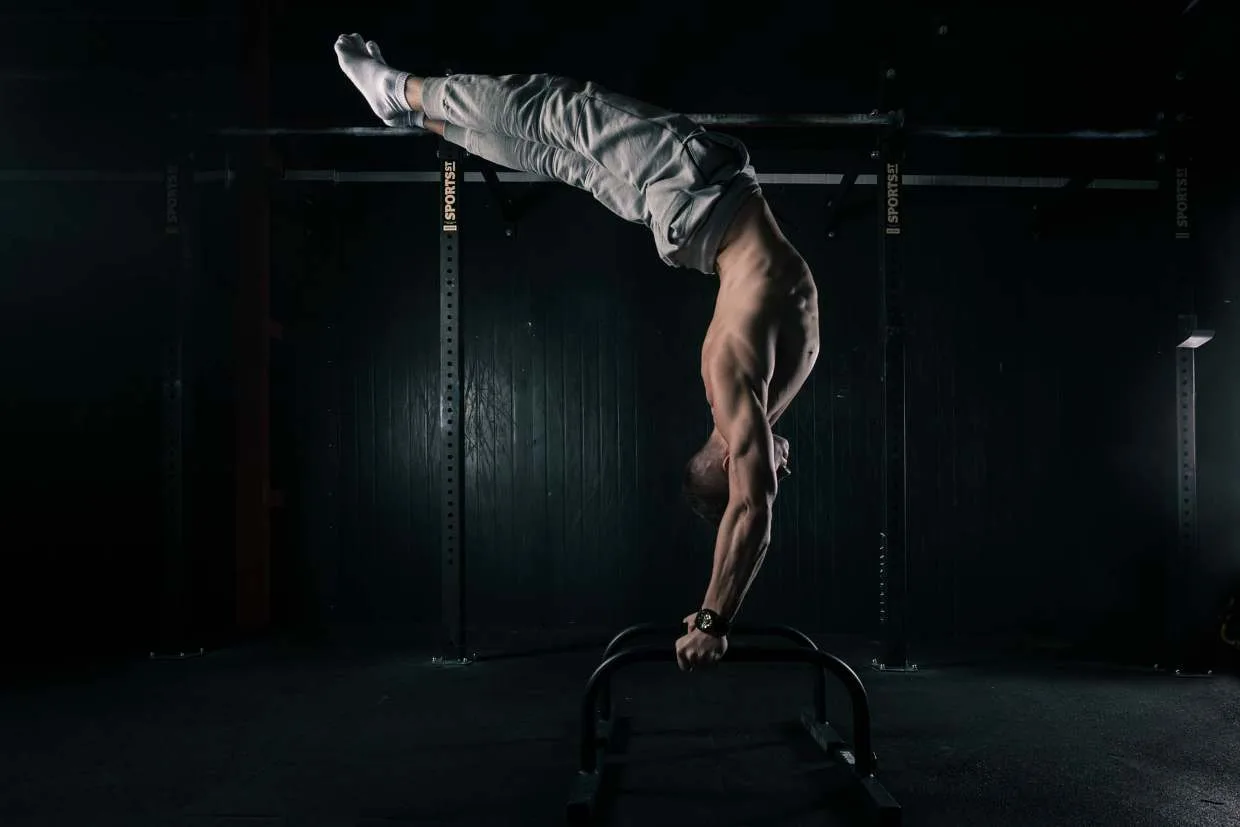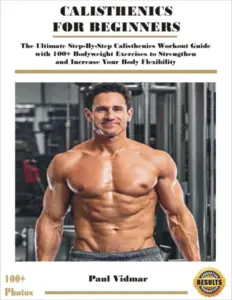
Calisthenics training offers a comprehensive guide for individuals looking to enhance their body strength and skills using bodyweight exercises. This resource covers various training methods, including hypertrophy, endurance, and skill development. Readers will find detailed exercises for building muscle in specific areas such as the chest, back, and legs. Additionally, the guide addresses nutrition and frequently asked questions about training techniques. Ideal for fitness enthusiasts and beginners alike, this guide provides a structured approach to mastering calisthenics.

Key Points

  • Explains different calisthenics training methods including hypertrophy and endurance
  • Covers exercises for building strength in chest, back, shoulders, and legs
  • Includes nutritional guidance for muscle gain and weight loss
  • Answers common questions about improving pull-ups and muscle-up techniques
farzy
20 pages
Language:English
Type:Guide
farzy
20 pages
Language:English
Type:Guide
148
/ 20
2
2
3
4
5
5
6
7
8
9
10
11
11
12
13
14
15
16
17
18
18
19
19
19
INTRODUCTION TO CALISTHENICS
What is Calisthenics?
Why should you train Calisthenics?
CALIATHLETICS
MUSCLE MASS, ENDURANCE, SKILLS DIFFERENT WAYS OF TRAINING
Training for gain muscle mass hypertrophy training
Training for increasing maximum strength
Training for learning Calisthenics skills
Training for muscular endurance
BUILDING YOUR BODY WITH CALISTHENICS EXERCISES
How to build chest with Calisthenics
How to build back with Calisthenics
How to build shoulders with Calisthenics
How to build triceps with Calisthenics
How to build biceps with Calisthenics
How to build core/ABS with Calisthenics
How to build legs with Calisthenics
NUTRITION
FREQUENTLY ASKED QUESTIONS
General
How do I do more pull ups?
Nutrition
I eat a lot but still cannot gain weight.
I almost do not eat anything but still cannot lose weight.
INTRODUCTION TO CALISTHENICS TRAINING
TABLE OF CONTENTS
WHY SHOULD YOU TRAIN CALISTHENICS?
I could write down dozens of benefits of training Calisthenics, but I will stick to the
most
crucial ones. So is Calisthenics for you? Even though I do not know you, I can almost
surely say – YES.
NO EQUIPMENT NEEDED
If for whatever reasons you are not able to go to gym on a regular basis there is
nothing wrong with that. Calisthenics exercises allow you to train wherever you like.
You only need a bit of a floor space and a pull-up bar (you can get one from Amazon
for a few dollars).
DIFFERENT LEVEL OF EXERCISES
There are hundreds of variations of bodyweight exercises. That being said, it does not
matter if you are new to Calisthenics or have been actively training various sports for
years. You will always find an exercise that challenges you. For example, a beginner
might stick to knee-assisted push ups whereas an advanced athlete could go for one
arm push ups. This holds true for any other movements so you will always find
something for yourself.
WEIGHT LOSS OR MUSCLE MASS GAIN
With Calisthenics you can lose your weight as well as gain muscle mass. This only
depends on how you structure your workouts (I will cover it in the following sections).
Remember that nutrition and caloric intake is crucial here as well.
DEVELOP NATURAL BODY STRENGTH
The beauty of Calisthenics is that you train using natural movements of your body.
Having said that, you develop natural body strength. You also involve all minor parts
of your muscles as well as strengthen your tendons and put in a good motion your
joints.
ADVANCED SKILLS
Do not get discouraged when you see all of these advanced movements. Out of
thousands of people training Calisthenics only a part of most devoted athletes decide
to go for the hardest skills like these written before. But if you are reading this we
assume that you are one of them. And we will teach you and show you how to do
Muscle Ups, Front Lever, Human Flag, Planche, and others.
3
CALIATHLETICS
I was an average skinny guy with no passion or goals in my life. I did not like my body
and really hated how I look. At one point it was enough for me and I decided to
change. Firstly, I joined a gym for a couple of months but then saw it was not for me. I
got
introduced to Calisthenics. This is how it all started, day after day, workout after
workout. It was tough at the beginning, I barely could do basic exercises. As time
passed, however, I made it.
I learnt Muscle Up.
I learnt Human Flag.
I learnt Handstand.
I learnt even more.
I made more progress and completely changed how I look, improved my
self-confidence, met amazing people and my girlfriend during my journey. I changed
my life.
I shared my journey on YouTube and thanks to you guys it has hit more than
10,000,000 views. I received a very warm feedback and it was amazing to see how
many other people got inspired and started similar journey. Many of you started
asking me for help on how to train, what to eat, how to progress quickly - I helped
every single person with this, as many of them were going through struggles similar
to mine. It was difficult, however, to give each person detailed advice in a few messa-
ges, or to create an
individual workout program for everyone.
At this point, I decided to transfer everything I have learnt about Calisthenics into my
very own, detailed Calisthenics workout program. Having tested every possible
exercise and training method on myself, I now know which ones are the most effecti-
ve and injury-free. I wanted my program to be suitable for everyone so I created as
many as 20 levels of workout plans of different difficulty which will guide you starting
from being total beginner to Calisthenics elite level eventually. What is different about
my program is that apart from developing a great body and becoming the strongest
version of yourself, you will also achieve some of advanced Calisthenics skills that you
may have seen on YouTube.
I also do realise that not everyone is so committed to Calisthenics or can afford my
program for various reasons. That is why I decided to create and publish this ebook on
how to start Calisthenics. I hope that you will find it useful.
4

/ 20
End of Document
148

FAQs

What is calisthenics and its origins?
Calisthenics, also known as Street Workout, gained popularity after the 2008 viral video of Hannibal for King on YouTube. The term comes from two Greek words: 'kálos,' meaning beauty, and 'sthénos,' meaning strength. It involves training the whole body using only bodyweight exercises, aiming to enhance strength, endurance, coordination, and flexibility.
What are the benefits of training calisthenics?
Training calisthenics offers numerous benefits, including the ability to work out anywhere without equipment, as only a small space and a pull-up bar are needed. It caters to various skill levels with hundreds of exercise variations, allowing both beginners and advanced athletes to find suitable challenges. Additionally, calisthenics can aid in weight loss or muscle mass gain, depending on how workouts are structured.
How can I build muscle mass with calisthenics?
To build muscle mass through calisthenics, one should focus on hypertrophy training, which involves damaging muscle fibers during workouts and ensuring a caloric surplus through nutrition. This training typically includes high-intensity resistance exercises with a medium number of reps. Full Body Workouts (FBW) or split training routines can be effective, allowing for comprehensive muscle engagement.
What types of training methods are used in calisthenics?
Calisthenics training methods include hypertrophy training, strength training, muscular endurance training, and skills training. Each method targets different fitness goals, such as muscle mass gain, maximum strength increase, or skill acquisition. For example, skills training focuses on movements like Muscle Ups and Front Levers, requiring frequent practice to develop proficiency.
What exercises can I do to build my chest with calisthenics?
To build chest muscles with calisthenics, effective exercises include Chest Dips, Wide Push-ups, and Incline & Decline Push-ups. Chest Dips engage the chest significantly when performed with the torso bent forward and elbows close to the body. Wide Push-ups target the chest more by positioning the hands wider than shoulder-width, while Incline and Decline Push-ups focus on different parts of the chest based on hand and foot placement.
How do I improve my pull-up performance?
To improve pull-up performance, one should focus on muscular endurance training, performing maximum repetitions with good form. Incorporating variations such as explosive pull-ups or weighted pull-ups can enhance strength. Additionally, practicing negatives and assisted pull-ups can help build the necessary strength to perform more pull-ups effectively.
What is the significance of nutrition in calisthenics training?
Nutrition plays a crucial role in calisthenics training, as it directly affects performance and recovery. To gain muscle mass, one should maintain a caloric surplus, while those looking to lose weight must create a caloric deficit. Quality food choices can enhance energy levels and overall health, making it easier to achieve fitness goals.