The history and benefits of typing skills explore the evolution of typing from its origins in the 19th century to its modern applications. This document highlights the significance of typing in enhancing productivity and communication in various fields, including education and business. It discusses the transition from traditional typewriters to contemporary computer keyboards, emphasizing the importance of mastering typing techniques. Additionally, the document outlines how typing skills can improve accuracy and efficiency in document creation, making it essential for students and professionals alike.

Key Points

  • Explores the origins of typing skills and the evolution of typewriters.
  • Discusses the transition from manual typewriters to modern computer keyboards.
  • Highlights the importance of typing in increasing productivity in educational and professional settings.
  • Details the benefits of mastering typing techniques for accuracy and efficiency.
newtopiccyclegrowin
8 pages
Language:Spanish
Type:Guide
newtopiccyclegrowin
8 pages
Language:Spanish
Type:Guide
226
/ 8
INTRODUCTION
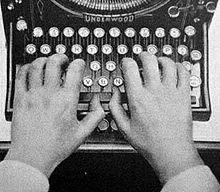
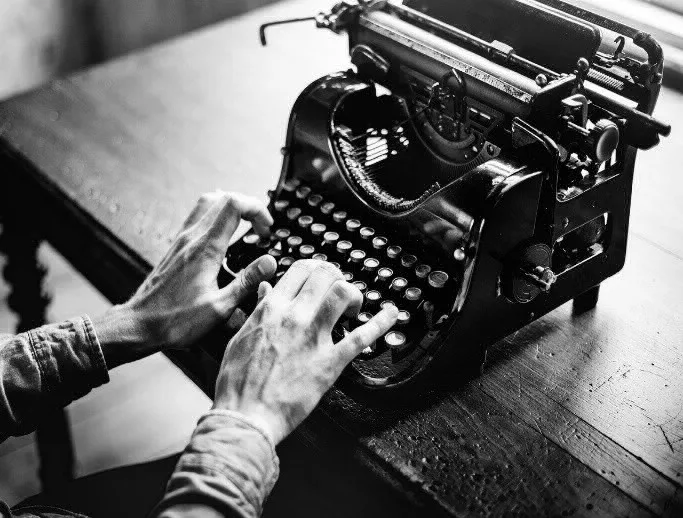
Typing is the process of entering text by pressing keys.
on the keyboard of a computer or typewriter, it is a
desirable skill for those working in an office environment. The
text can be in the form of letters, numbers, and other symbols. The
the world's first typist was Lillian Sholes from Wisconsin, daughter
by Christopher Sholes, who invented the first typewriter
In this work, we will talk about the origin of typing.
its main features and the process in which it develops
typing learning to educational and social systems
currently allowing benefits for people when preparing
academic and work-related jobs
ORIGIN OF TYPEWRITING
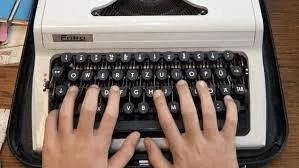
Typing, according to the R.A.E., is the technique of writing with
machine. From an etymological point of view, the word
Typing has Greek origin and consists of: Mecano =
machine and Graphia = writing. Its synonym is typing, which has a
similar etymology: Dactyl = fingers and Graphy = writing.
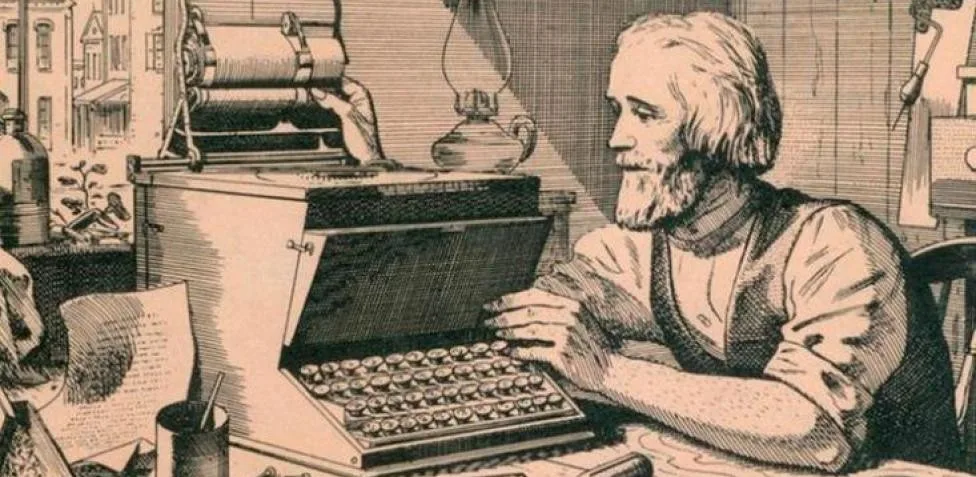
Christopher Latham Sholes (February 14, 1819 - February 17, 1890) was a
American inventor and politician, famous for designing the first machine of
Write commercial and the 'QWERTY' keyboard that are used today.
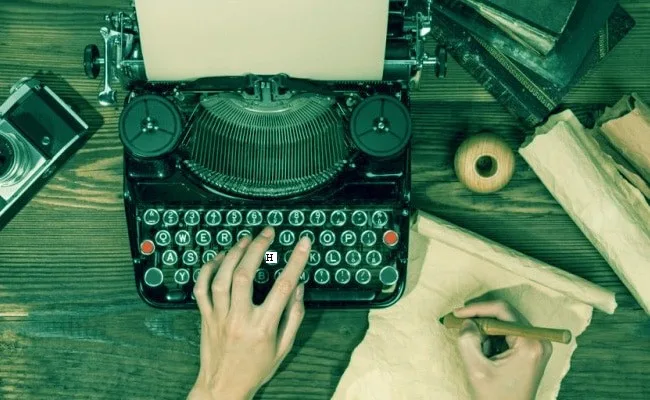
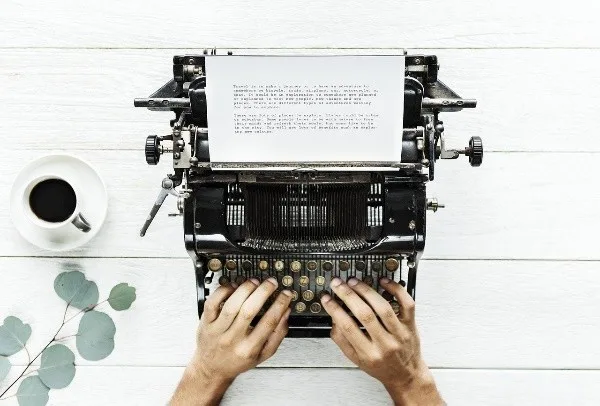
The origin of typewriters dates back to the 19th century,
although there are some precedents in the 18th century. During that time
In the 19th century, there were many attempts to create the first machine for
to write. Most were large and cumbersome, some
they looked like pianos in size and shape, but all of them were much
slower to use than writing by hand.
This utensil started to be used in the offices that caused
a great revolution because it made everything that until that
the moment was carried out in handwritten form, it could be
to elaborate more quickly, in a more agile manner and with savings of
time.
The typewriter has been advancing over time at the same pace as the
technology. In this way, history has been recording various models, from
la máquina clásica con cinta entintada que permitía imprimir los símbolos
corresponding to the keys pressed on the paper placed on a cylinder,
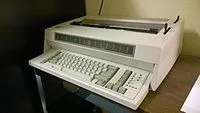
passing through the electric machines that replaced the type bars with a
cylinder with molded letters on its surface, balls that could be
exchange to be able to change the source while the paper retained its
position on the roller the same as on mechanical machines, until reaching the current one
computer
There was an intermediate step (the electronic machine) similar to the electric one but
that replaced the ball with a "daisy" mechanism
consisting of a kind of disc that held the
symbols engraved on the exterior.
Both had the major drawback that when making a mistake
it was very difficult to fix it; the first ones because the only solution was to use a
abrasive eraser that ended up making a hole in the paper and the seconds
(electrical or electronic) had a system that dyed white the
wrong character to write about later.
Finally, the first patent was granted in the year 1714 by Queen Anne of
Great Britain to the inventor Henry Mill, but it was Christopher Latham Sholes who...
American inventor and politician, who designed the first typewriter
commercial and the 'QWERTY' keyboard that are used today.
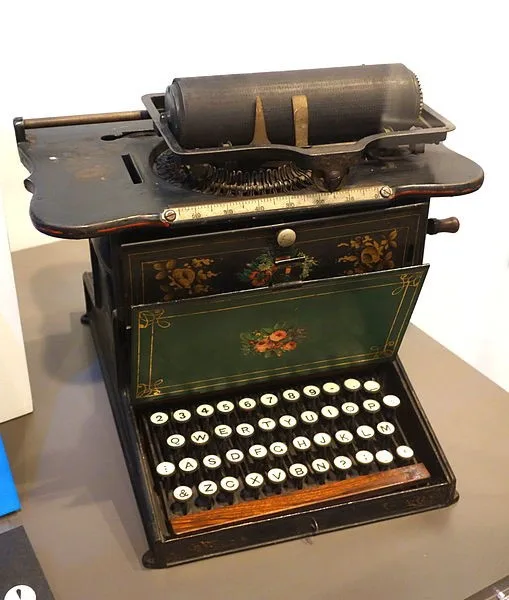
The latter also invented the first commercially produced typewriters.
marketed by the Remington company in 1873.
These rudimentary devices were mounted on a sewing machine table.
pedal-operated. Despite their enormous size, Remington machines had
an acceptable spread among the population. The problem arose when the keys were
stopped due to the slowness of its mechanics and to avoid the speed of typing
the most common keys were placed in the most uncomfortable locations. That is why
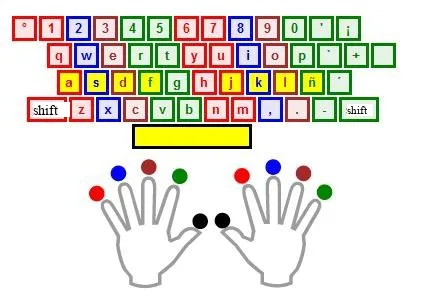
so nowadays the keys as common as 'a' or 'p' must be
press them with your pinky finger
CHARACTERISTICS OF TYPEWRITING
Typing is the art of writing with machines
/ 8
End of Document
226

FAQs

What is the origin of typing skills according to the document?
The document states that typing has its origins in the 19th century, with early attempts to create writing machines dating back to the 18th century. Christopher Latham Sholes is credited with designing the first commercially successful typewriter and the 'QWERTY' keyboard layout. The term 'typing' itself derives from Greek, combining 'Mecano' (machine) and 'Graphia' (writing). This historical context highlights the evolution of typing from cumbersome machines to modern keyboards.
How did the typewriter impact communication in society?
The introduction of the typewriter revolutionized communication by allowing documents to be produced more quickly and efficiently than handwritten texts. This shift not only accelerated the pace of business communications but also contributed to the growth of the business world. The typewriter replaced slow copyists, making written communication more official and impersonal, which was crucial for commercial and political writings.
What are the main characteristics of typing as described in the guide?
The guide outlines several characteristics of typing, emphasizing its role as an art form that enhances productivity. Typing involves training the fingers to find keys automatically, which can lead to speeds of up to 90 words per minute. It also highlights the importance of accuracy over speed during the learning process and notes that typing has become a vital skill in various fields, including education and business.
What benefits does learning typing skills provide?
Learning typing skills offers numerous benefits, including increased writing speed and accuracy, which can significantly enhance productivity. The document emphasizes that mastering typing reduces the time spent on tasks requiring written communication. Additionally, it highlights how typing has allowed more individuals, especially women, to enter the workforce as typists during the 19th and 20th centuries.
How does muscle memory play a role in typing proficiency?
According to the document, muscle memory is crucial for typing proficiency, as it allows individuals to type without consciously thinking about the mechanics of writing. Just as riding a bicycle or driving a car becomes automatic, effective typing relies on the muscles being trained to remember the correct movements. This automaticity enables faster and more efficient typing.
What is the significance of posture in typing?
The guide emphasizes the importance of maintaining proper posture while typing. Correct spinal alignment is essential to avoid strain and ensure that the hands are positioned optimally for typing. By keeping the gaze directed at the monitor rather than the keyboard, typists can enhance their speed and reduce the risk of injury, making posture a key component of effective typing.
What challenges did early typewriters face according to the document?
Early typewriters, including the first models produced by Remington, faced significant challenges such as mechanical slowness and difficulty in correcting mistakes. The document notes that early machines were cumbersome and often caused keys to jam, which hindered typing speed. Additionally, correcting errors was problematic, requiring either abrasive erasers or systems that dyed over mistakes.