Name: _____________
©Laney Lee
FOSSILS
Fossils are the preserved remains, or traces of remains, of creatures that lived in the past.
One of the biggest misconceptions about fossils is that they actually “are” the bones of the
species they were formed from. In reality, most fossils are more like a footprint. They share
the shape of the shoe that formed them, but none of the shoe is actually left in its place. Let’s
dive deeper into fossil formation to find out more.
What Makes a Good Fossil?
Fossils can only form under nearly perfect geological conditions. First, like every other living
thing that has ever existed, the specimen must die. The next step is a bit more challenging. If
a fossil is to form, the specimen must be buried or encased by mud, sand, ash, ice, amber, or
another material before it is able to decay or be eaten. Finally, in the instances of most
fossils, that material must then be transformed over thousands or millions of years into a rock
that survives long enough to be discovered. Because this process is so stressful, generally
only the hardest parts of an organism are able to survive. Things like bones and shells hold
up best. In most cases, things like muscle, hair, and (most importantly) DNA are lost forever
through the processes that immortalize these remains in rock. Sometimes, though, scientists
get lucky.
Unaltered Preservation
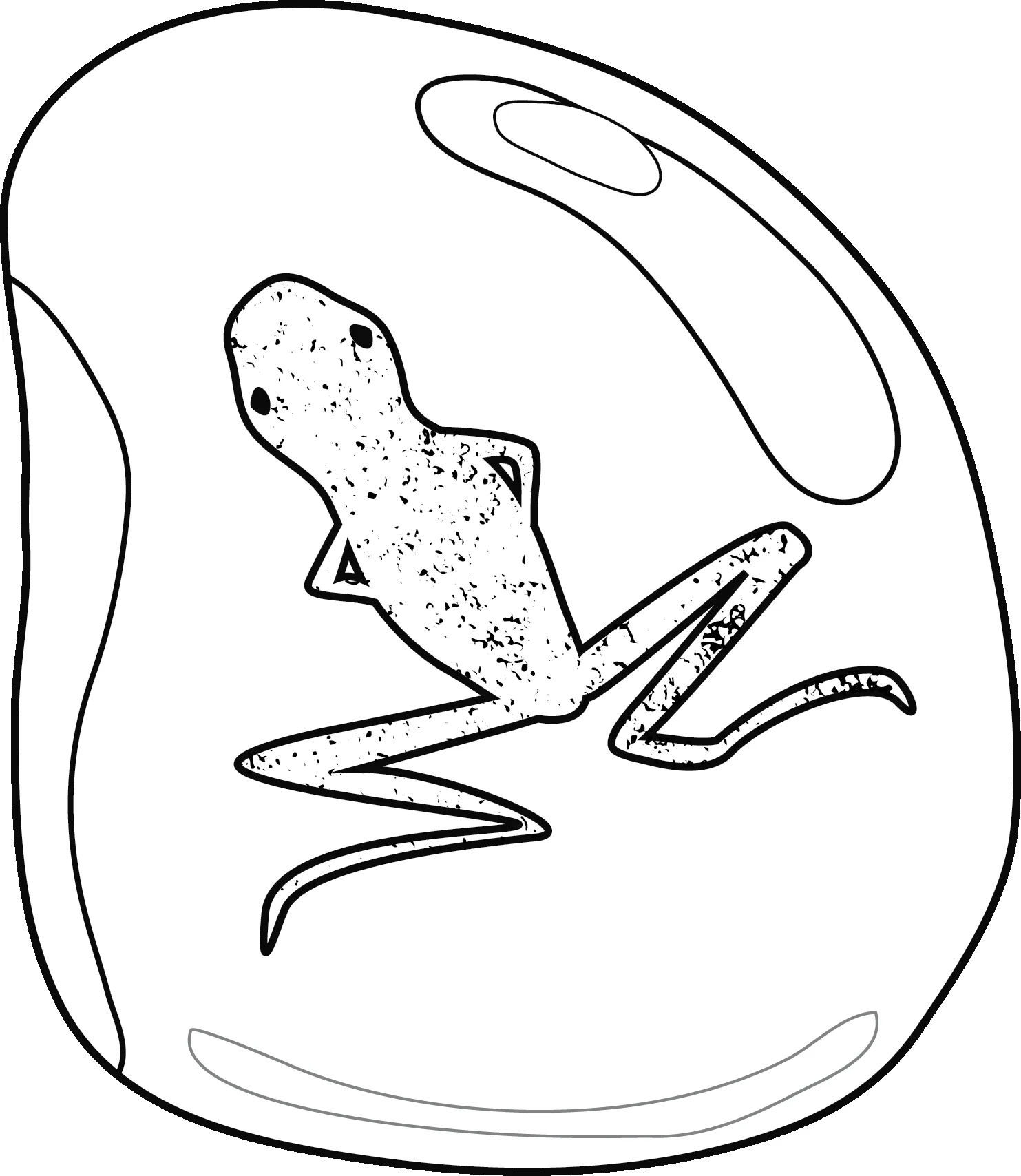
The rarest and most informative fossils are those that preserve a
specimen completely. These fossils are a frozen moment of time, and
they form under only the most perfect conditions. An individual dies as
it becomes encased in ice, amber, or other protective seal. When
found, scientists can learn a lot about the past using a perfectly
preserved specimen. Trapped air bubbles can teach us about the
condition of Earth’s atmosphere at the time, the contents of a stomach
can tell us about what that species ate, and sometimes DNA samples can even be taken.
Perhaps one day we’ll clone a wooly mammoth by replicating the genetic code of the 10,000
year old specimen found trapped in Siberian ice?
Permineralization
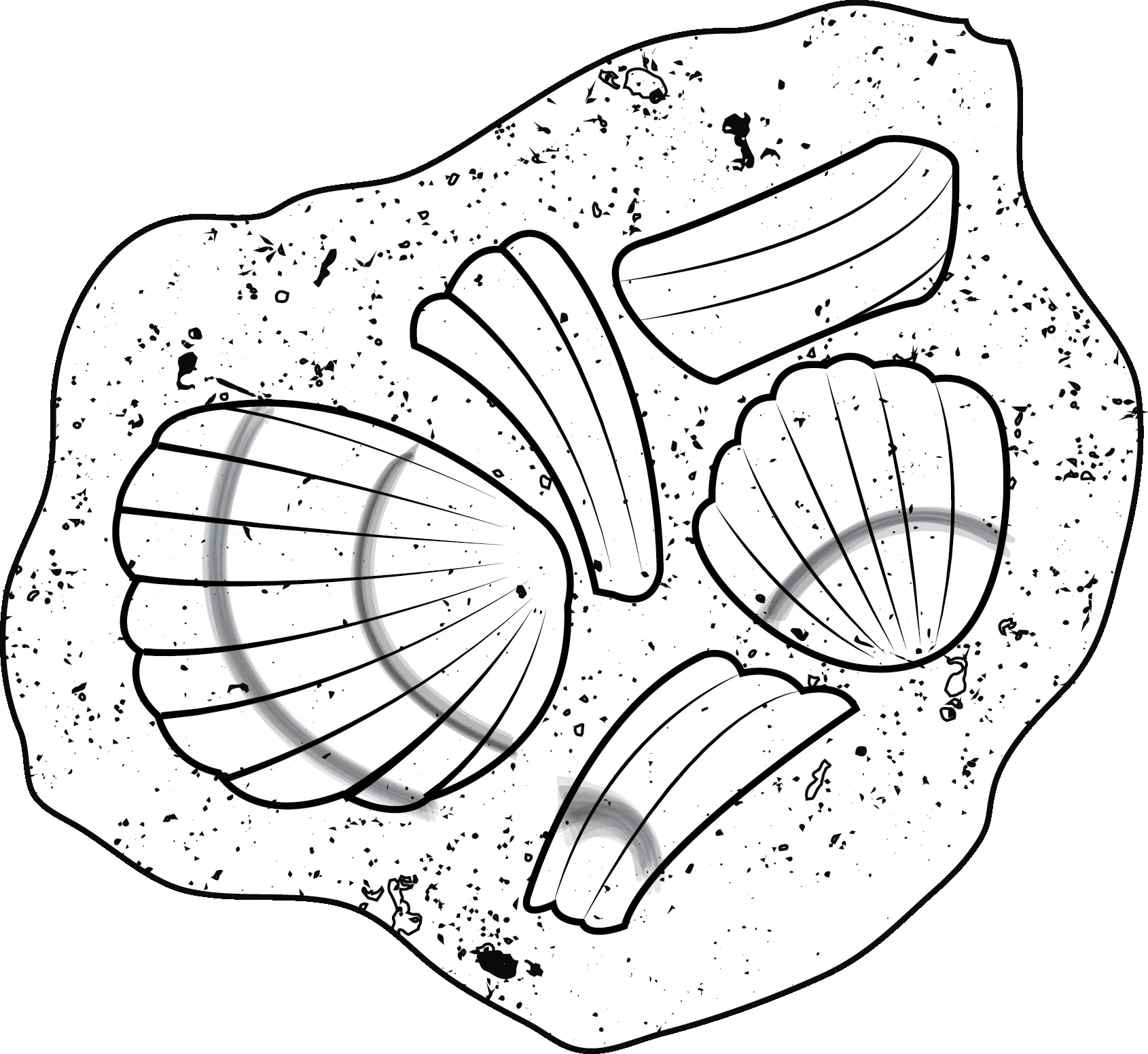
Most fossils, on the other hand, aren’t composed of even a small
percentage of the original individual from which they were
formed. These fossils form by slowly replacing the organism with
minerals. Because this process is incredibly slow, it works best
with body parts that are resistant to decay, such as bones and
shells.
Permineralization begins when an individual dies and sinks to the bottom of an ocean, bog, or
other area with a lot of sediment (small bits of rock, dirt, and other sandy materials). The
sediment buries the specimen, keeping it safe from scavengers and decay. Over thousands
of years, this sediment begins to transform into sedimentary rock. Trapped in between the
layers of newly forming rock, molecule by molecule, silicates and other rock forming materials
replace the bones and shells of these remains. The result is a perfectly preserved imprint of
the specimen. Even though replacement fossils may look like bone, they’re actually just rocks
that formed over millions of years by gradually replacing a bone.
A
B
FOSSILS
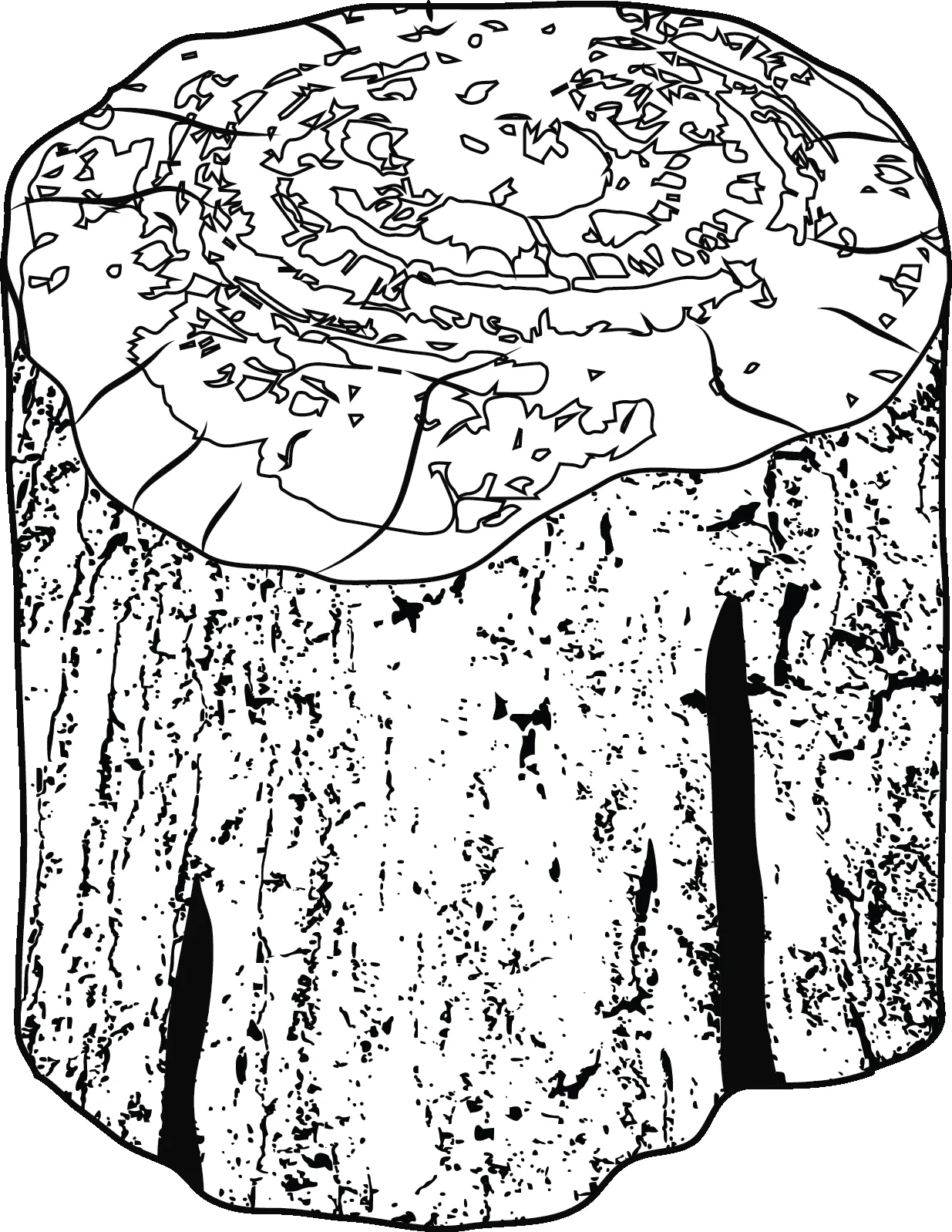
Sometimes the process of permineralization is known as “petrification.”
Petrified forests stand as eerie reminders of worlds that once were.
Even though the shape and appearance of these stones mirror their
original states, the actual organic materials that made up these trees
have long since been lost to time.
What do Fossils Teach Us?
Fossils are more than just an interesting discovery, they have lots of stories to tell! Even
something as simple as a fossilized footprint (known as a “trace fossil”) can uncover a lot
about behaviors such as whether or not that species traveled in herds and how fast it may
have been running.
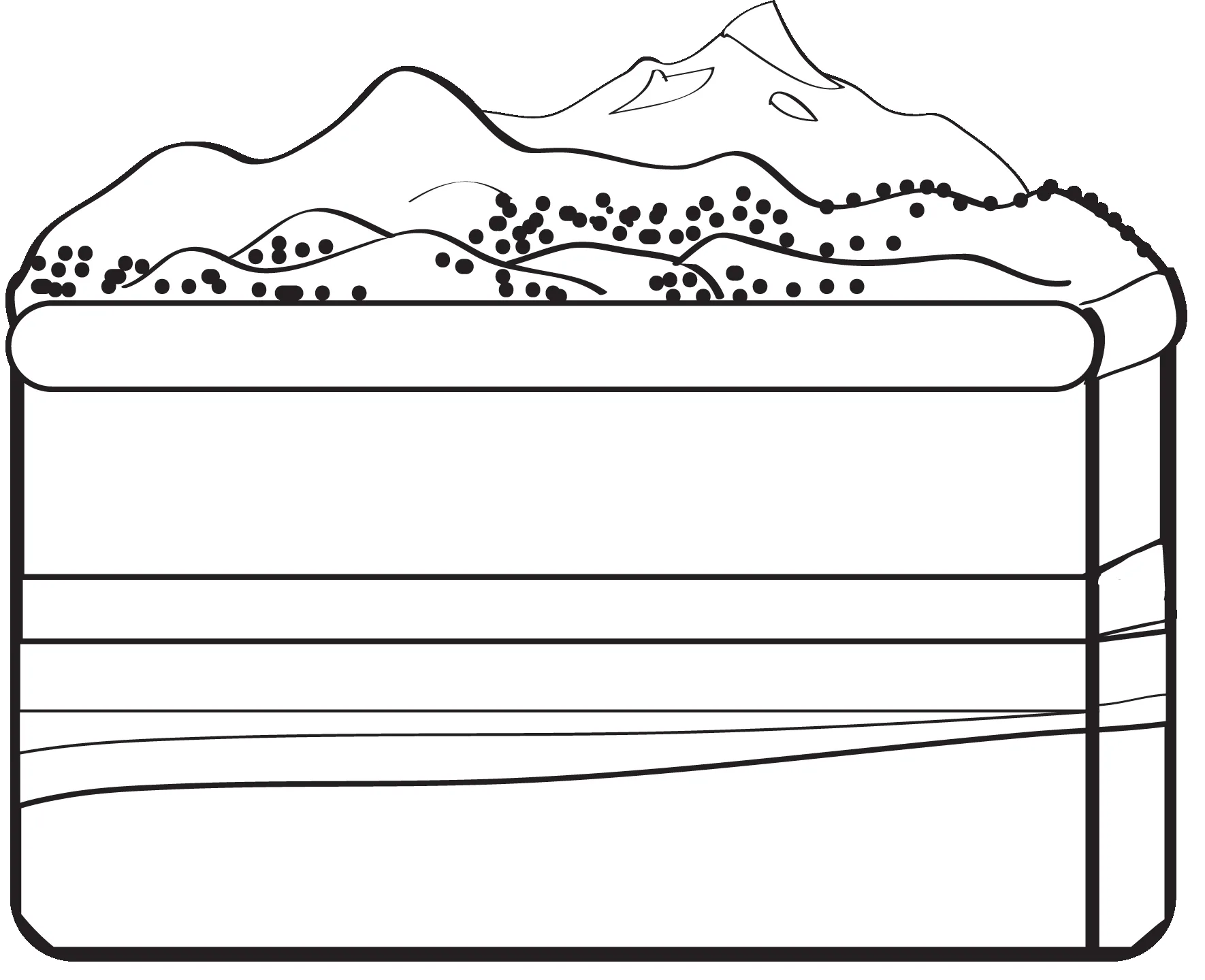
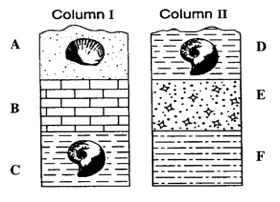
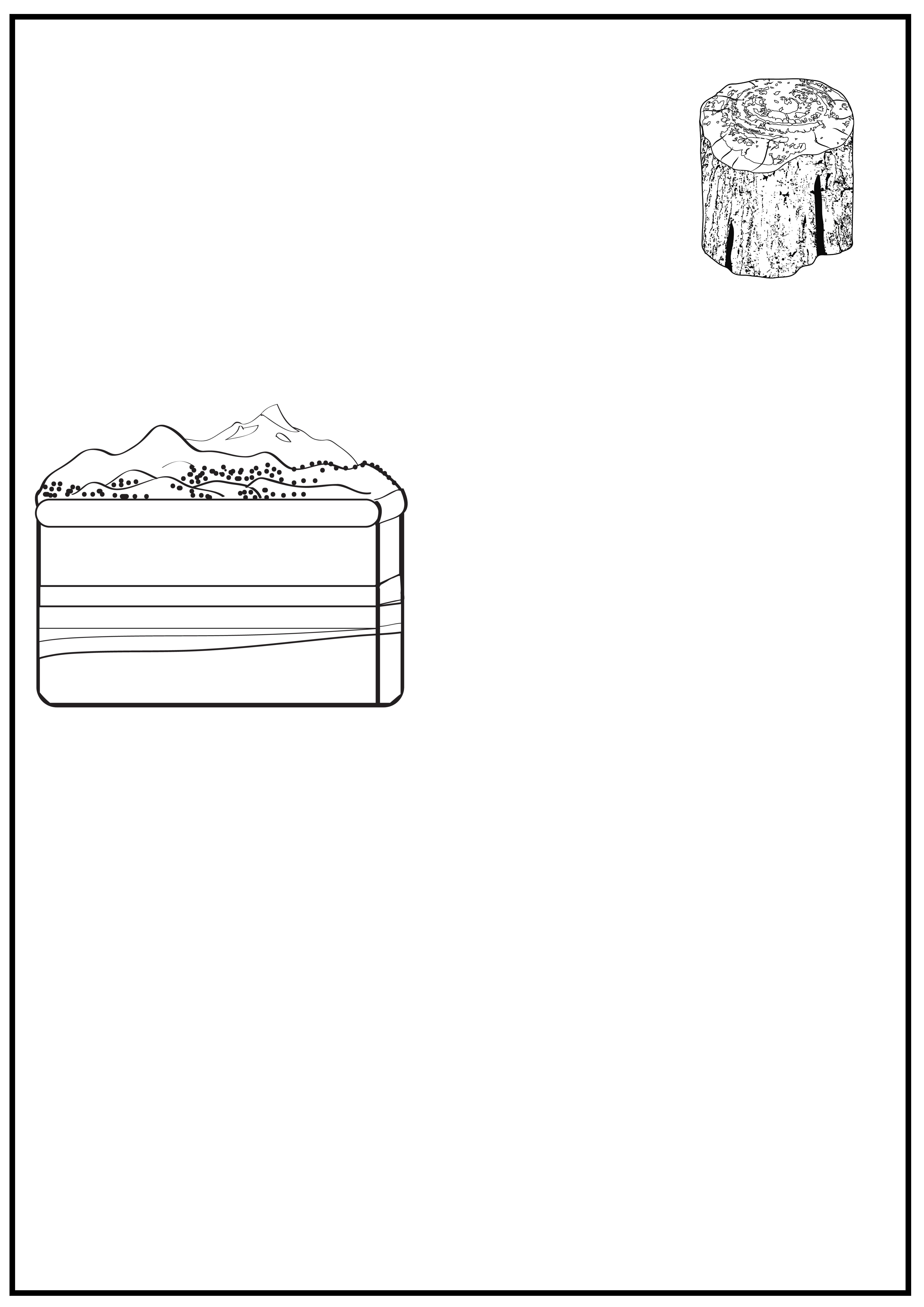
In geology, it’s accepted that sediment only
accumulates in layers which build on top of each
other. As you can see in the image at right, if what
we are looking at is millions of years of dirt, sand,
and ash, it’s safe to assume that layer A is the
oldest and layer B is the youngest. That means
that fossils found in layer A are going to be
assumed to be older species than layer B. This
process of assuming age based on gathered
clues is known as relative dating.
Another application for fossils in geology is through the use of index fossils. If a species lived
for a short period of time and then went extinct, scientists can use the presence of that
species’ fossils as a way to predict the age of rocks they find all over the globe. These unique
species are known as index fossils.
Working together by predicting ages of rocks and fossils using sediment layers and index
fossils, geologists and paleontologists can piece together ideas about what the Earth and its
inhabitants looked like millions of years ago.
Fossils and Geology
Famous naturalists like Charles Darwin and Alfred Wallace took notice of fossils found in
locations that they visited. It didn’t take a genius to see that the fossils found in an area were
similar to, but not exactly the same as, the native species living there today.
Fossils and Evolution
Using this as evidence, these famous scientists were able to posit the claim that species
actually change, subtly, over time. This is now known as the theory of evolution, and fossilized
remains are still considered a major piece of evidence in support of this theory even today.
Name: _____________
©Laney Lee

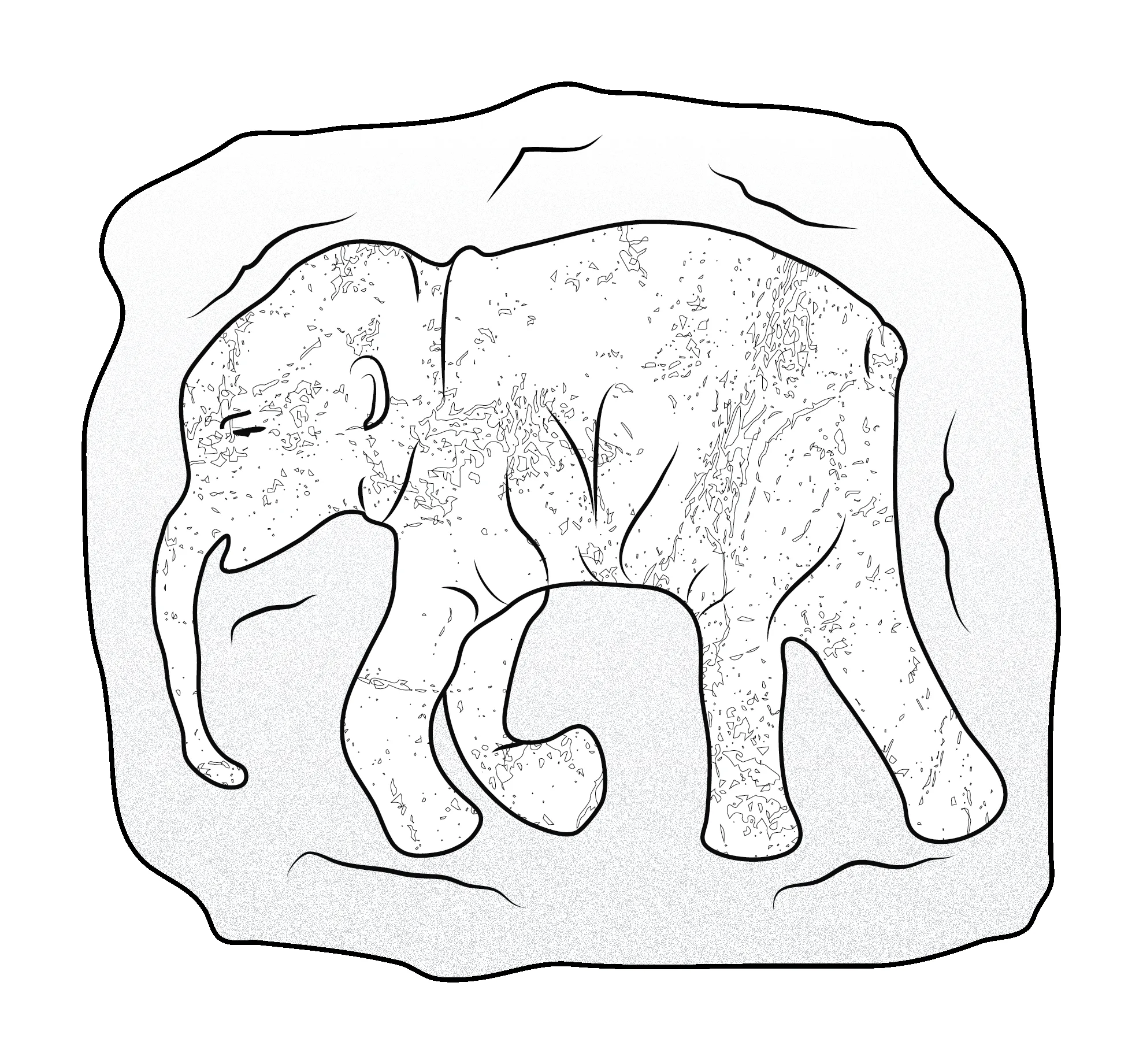
13. Perfectly Preserved Wooly Mammoth in Ice
______________________________________________________
______________________________________________________
______________________________________________________
______________________________________________________
______________________________________________________
Use the words in the box to fill in the blanks below.
Specimen
Fossil
Sediment
Geology
Species
Trace
Index
Permineralization
Tree
Sedimentary
Petrified
Relative
1. ____________ is the study of rocks and how they form.
2. ____________ are the preserved remains of (or traces of) dead organisms.
3. Amber is preserved ____________ sap.
4. An ____________ fossil can be used to date unknown rocks layers.
5. ____________ is a slow process in which organic remains are replaced with
minerals to form a fossil.
6. Using clues from index fossils and chronological layering to determine the
age of an unknown rock is known as ____________ dating
7. Gravel, sand, ash, dust, and dirt are all ____________
8. An individual who dies and becomes fossilized may later be studied to
determine information about a species as a whole may be known as a
____________
9. A group of individuals who can reproduce to create similar offspring are
known as a ____________
10.A footprint or a trail may be considered ____________ fossils
11. An organism that has slowly been turned to stone through mineralization
may be called “____________”
12.Fossils usually only form in ____________ rock
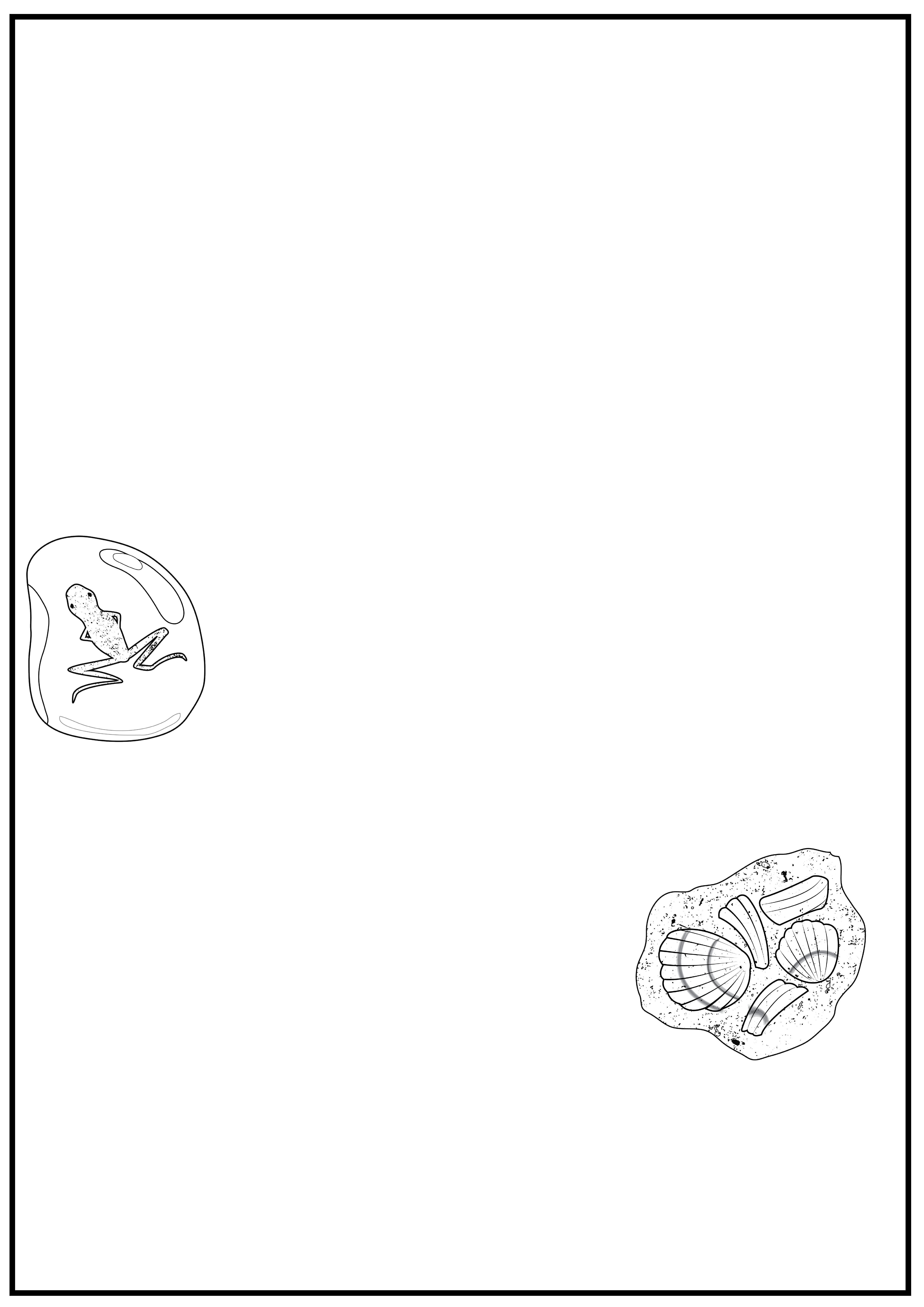
Describe what each of the following fossils can teach us about the species.
Name: _____________
©Laney Lee
FOSSILS
Figures