IGCSE Geography Class Notes provide comprehensive coverage of key geographical themes for students preparing for the IGCSE exams. Topics include population dynamics, urbanization, natural environments, and climate. Compiled by Dr. R. B. Thohe Pou, these notes are tailored for effective study and revision, featuring detailed explanations and diagrams. Ideal for IGCSE Geography students, this resource helps reinforce understanding of essential concepts and prepares learners for exam success.

Key Points

  • Covers themes such as population dynamics, urbanization, and migration.
  • Includes detailed explanations of natural environments and climate systems.
  • Features diagrams and illustrations to enhance understanding of geographical concepts.
  • Designed for IGCSE Geography students to aid in exam preparation and revision.
Blessing Ruvimbo
Author:R.B. Thohe Pou
Edition:2016
134 pages
Language:English
Type:Study Guide
Blessing Ruvimbo
Author:R.B. Thohe Pou
Edition:2016
134 pages
Language:English
Type:Study Guide
279
/ 134
© R.B. Thohe Pou M.A. PhD, HoD, Dept. of Geography (Class Notes for students only) Page 1
UNIVERSITY OF CAMBRIDGE
INTERNATIONAL EXAMINATIONS
International General Certificate of
Secondary Education(IGCSE)
IGCSE GEOGRAPHY CLASS NOTE
For Private Circulation only
Copyright©storing in any form and photocopying without the
prior permission from the compiler is strictly prohibited
Compiled and Edited by
©Dr. R. B. Thohe Pou
HoD, Dept. of Geography
2016
© R.B. Thohe Pou M.A. PhD, HoD, Dept. of Geography (Class Notes for students only) Page 2
Contents
Topic
Page No.
1. Theme 1: Population and Settlement
1.1 Population Dynamics
3
1.2 Over-population and under-population
1.3: Migration
13
1.4: Population Distribution and Density
1.5: Population structure
18
1.6: Rural Settlements
25
1.7: Urban Settlements
1.8: Urbanisation
32
1.9: Urban Problems
1.10: Urban Sprawl
37
Theme 2: The Natural Environment
2.1: Plate tectonic movement
41
2.2. Volcanoes
2.3 Earthquake
47
2.4 River system
51
2.5 Coastal system
58
2.6 Coral reef
65
2.7 Weather Instruments and measurements
67
2.8 Climate and natural vegetation
69
2.9 Tropical Rainforest
72
2.10 Tropical Hot desert
78
Theme 3: Economic development
3.1 Development
80
3.2 Food production Agricultural system
88
3.3 Food Shortages
92
3.4 Industry
96
3.5 Hi-tech Industry
102
3.6 Tourism
103
3.7 Energy
106
3.8 Water Resources
113
3.9 Environmental risks of economic development
120
Syllabus IGCSE
© R.B. Thohe Pou M.A. PhD, HoD, Dept. of Geography (Class Notes for students only) Page 3
Key Term:
1. The World population in 2011 was 7.0 Billion
2. Population: the number of people living in a particular geographical areas
3. Population explosion the rapid growth of world population is known as
population explosion. There was a sudden increase of world population is 1950s.
4. Population density: the average number of people in a given area per square
kilometer. Or the total number of people living in a square kilometer of land.
5. Birth rate: the number of live births per 1000 people in a year
6. Death rate: the number of deaths per 1000 people in a year
7. Natural increase: the difference between birth and death rate is known as
natural increase.
Natural increase = Birth rate Death rate
8. Census: an official count of the population at a regular interval.
9. Infant mortality rate: the number of death in a year per 1000 children below the
age of one
10. Life expectancy: the average number of year of a person is expected to live
11. Demography: the study of human population, their size, distribution and
composition.
12. Population structure: Age and sex composition of a country population
13. Population Pyramid: Is a diagram that shows the proportion of the total
population of sex (male and female) and their age group. The population Pyramid
helps us to judge and predict about the future population.
14. Old age group: the age group of 60 years and above is considered as Old
15. Young age group: the age group between 14 year and under is considered as
young
16. Working population: the age group between 15 years and 64 year is the
working population
17. Ageing population: A population is considered ‘ageing’ when the proportion of
‘young’ people is less than 30% and the proportion of Old people is greater than
6%
18. Young population: a population is considered as ‘young’ when the proportion of
‘young’ people is more than 30% and the proportion of ‘Old’ people is less than
6%
Paper 1: Theme 1 Population and Settlement
Topic 1.1: Population dynamics

/ 134
End of Document
279

FAQs

what is IGCSE geography class notes about

The IGCSE Geography Class Notes provide a comprehensive overview of key geographical concepts and topics relevant to the IGCSE exam.
  • Includes themes like population dynamics, urbanization, and economic development.
  • Covers natural environments such as rivers, coasts, and ecosystems.
  • Offers insights into geographic skills and data interpretation.

how to study for IGCSE geography

Studying for the IGCSE Geography exam requires a focused approach using the IGCSE Geography Class Notes.

  • Review all themes outlined in the notes, such as population, settlement, and natural environments.
  • Practice past exam questions to familiarize yourself with the format.
  • Utilize diagrams and maps to enhance understanding of geographical concepts.
  • Engage in group studies to discuss and clarify complex topics.

what topics are covered in IGCSE geography class notes
The IGCSE Geography Class Notes cover a wide range of topics essential for the exam.

  • Population and Settlement: dynamics, distribution, and urbanization.
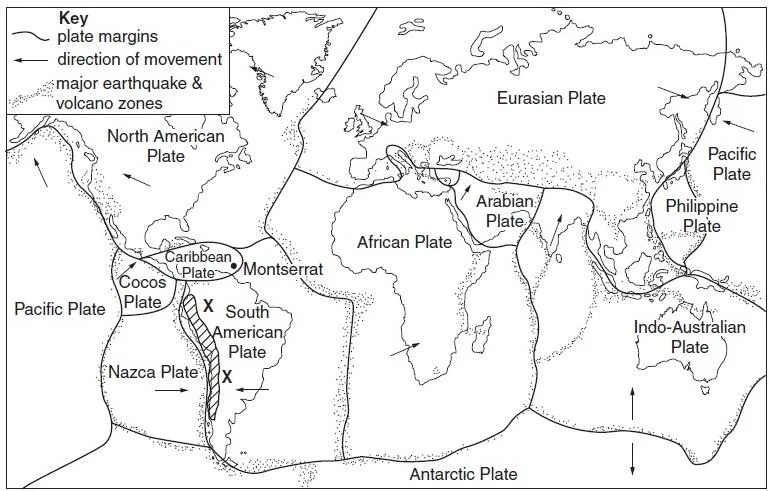
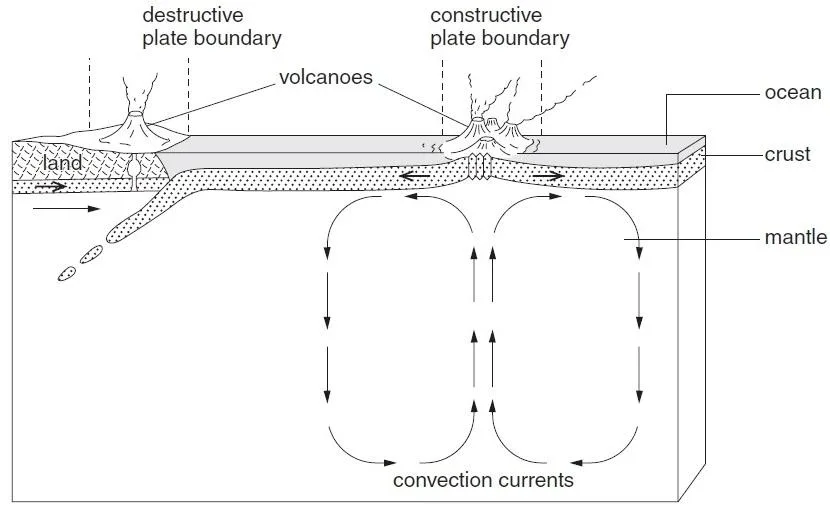
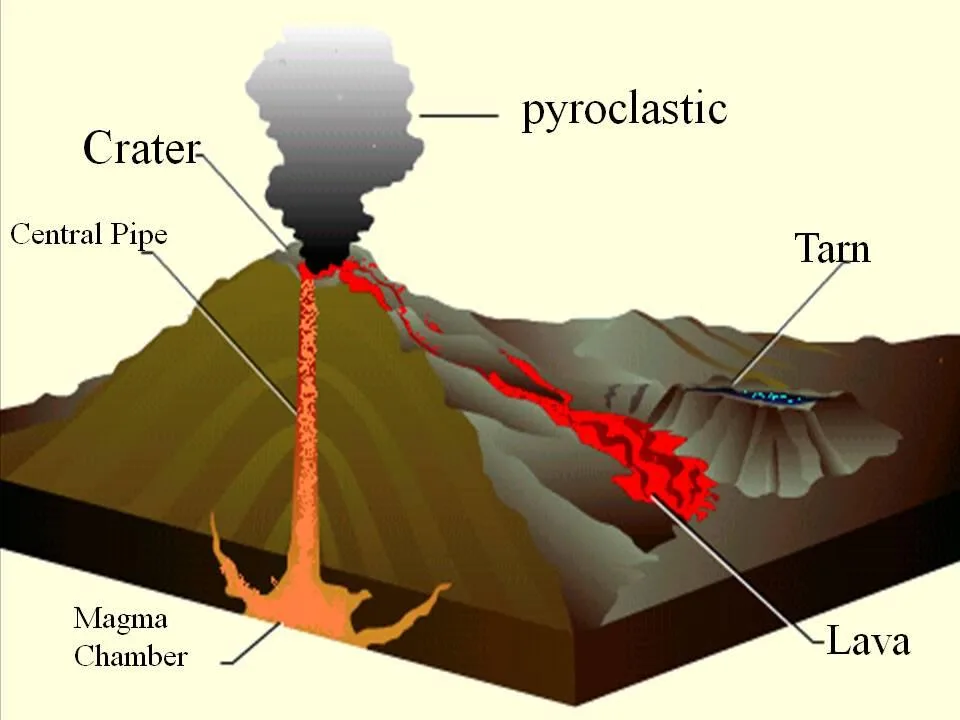
  • The Natural Environment: plate tectonics, volcanoes, earthquakes, and ecosystems.
  • Economic Development: agriculture, industry, and tourism.
  • Water Resources: management and conservation strategies.

what is the demographic transition model in IGCSE geography

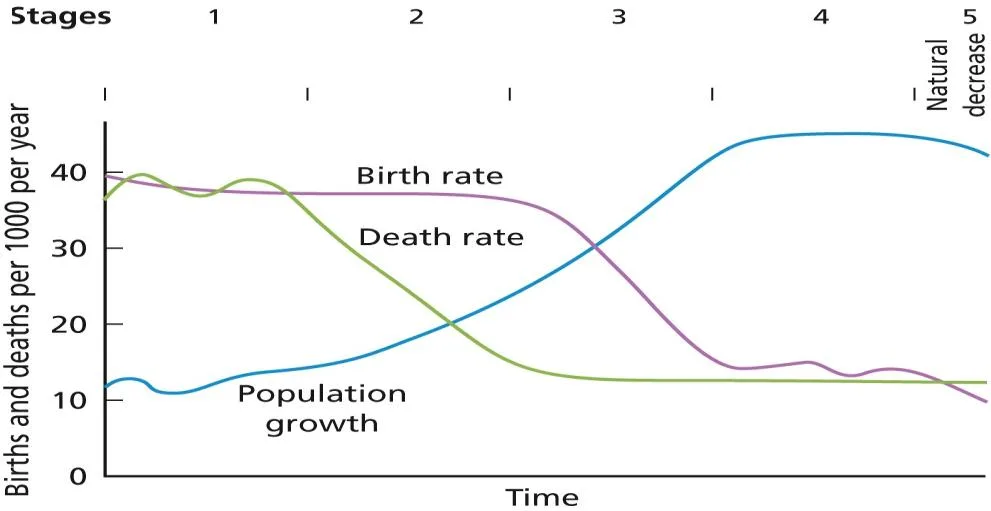
The Demographic Transition Model (DTM) is a key concept in IGCSE Geography that illustrates the transition of a country's population over time.

  • It consists of five stages, from high birth and death rates to low birth and death rates.
  • Each stage reflects changes in social and economic conditions.
  • Understanding the DTM helps explain population growth and decline in various countries.

how does urbanization affect IGCSE geography

Urbanization is a significant theme in IGCSE Geography, highlighting the movement of populations from rural to urban areas.

  • It leads to changes in land use, infrastructure, and social dynamics.
  • Urbanization can create challenges such as overcrowding and pollution.
  • It also presents opportunities for economic growth and improved services.

what are the causes of food shortages in IGCSE geography

Food shortages are a critical issue discussed in IGCSE Geography, with various causes identified.

  • Natural factors include droughts, floods, and pests that affect crop yields.
  • Human factors encompass political instability, economic challenges, and poor agricultural practices.
  • Understanding these causes is essential for developing effective solutions.

how to interpret population pyramids in IGCSE geography

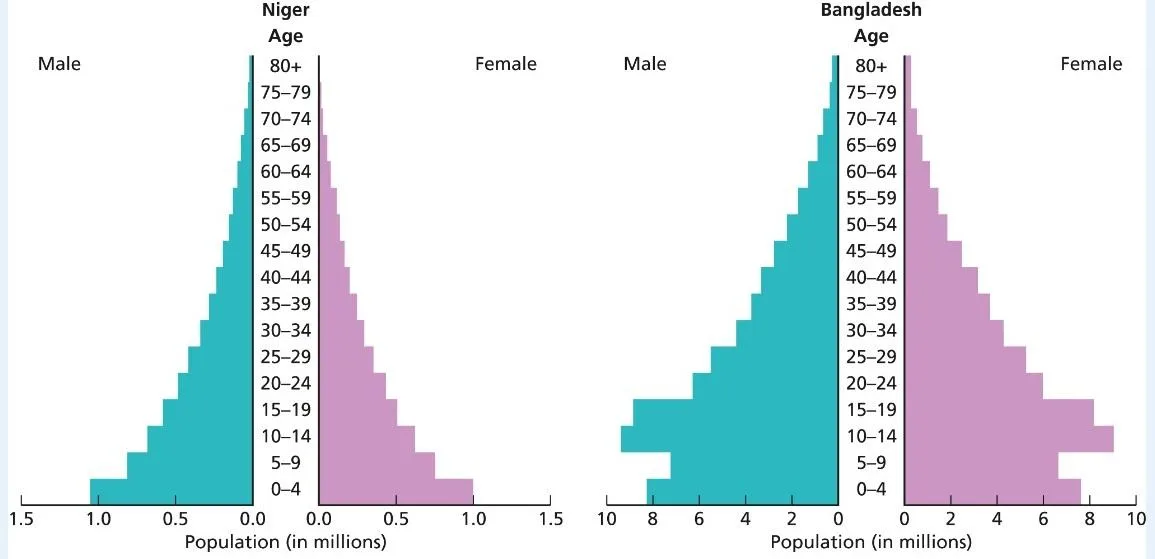
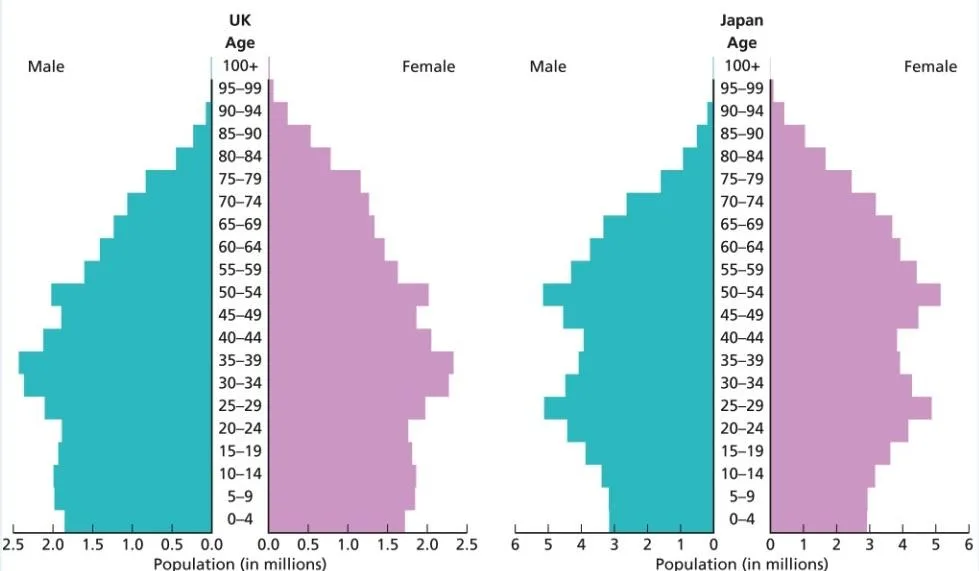
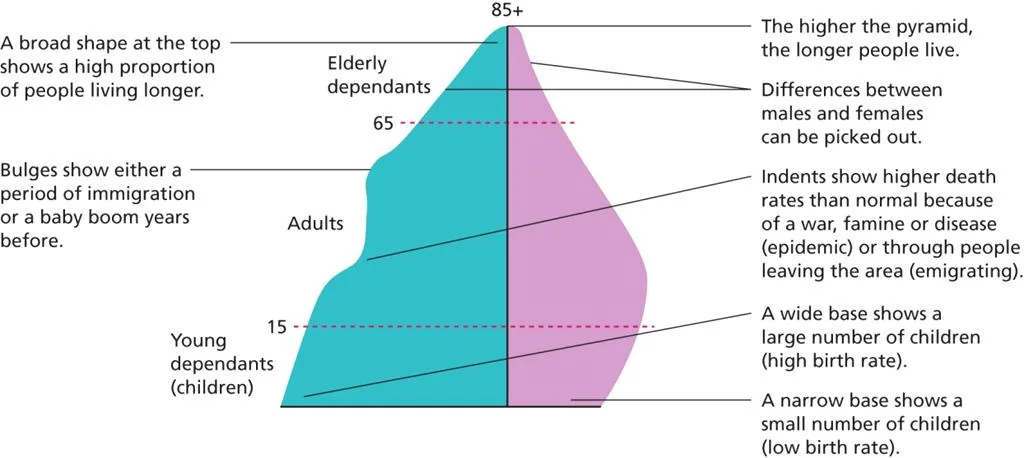
Interpreting population pyramids is an essential skill in IGCSE Geography.

  • Population pyramids illustrate the age and sex distribution of a population.
  • They help identify trends such as aging populations or youth bulges.
  • Analyzing these trends provides insights into potential social and economic challenges.

what are the impacts of climate change in IGCSE geography

Climate change is a significant topic in IGCSE Geography, affecting various geographical aspects.

  • It leads to rising sea levels, impacting coastal areas and ecosystems.
  • Changes in weather patterns can result in extreme weather events, affecting agriculture and livelihoods.
  • Understanding these impacts is crucial for developing adaptation strategies.

what is the significance of rivers in IGCSE geography

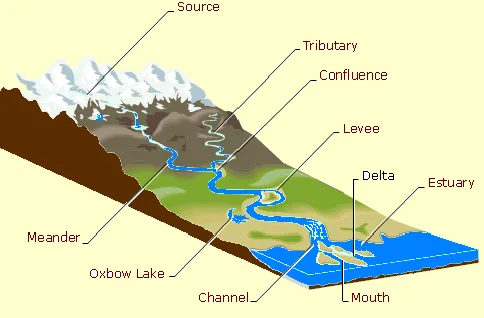
Rivers play a vital role in IGCSE Geography, serving as key geographical features.

  • They provide water for drinking, irrigation, and industry.
  • Rivers shape landscapes through erosion and deposition, creating landforms.
  • They also serve as important transport routes and influence human settlement patterns.

how does IGCSE geography address environmental risks

Environmental risks are a crucial aspect of IGCSE Geography, focusing on the impacts of human activities.

  • Topics include pollution, deforestation, and resource depletion.
  • Strategies for sustainable management and conservation are emphasized.
  • Understanding these risks is essential for promoting environmental stewardship.