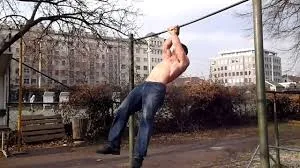
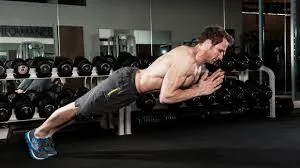
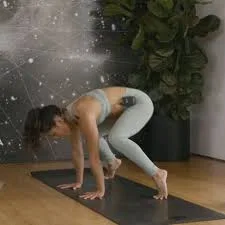
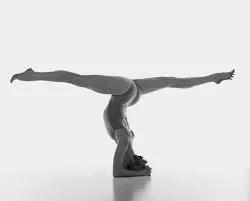
Calisthenics guide for beginners

Key Points

  • Includes over 100 bodyweight exercises for strength and flexibility
  • Covers essential warm-up routines and mental preparations
  • Provides expert advice on reps, sets, and proper form
  • Offers nutritional guidelines to maximize workout results
farzy
Author:Paul Vidmar
Edition:2020
189 pages
Language:English
Type:Guide
farzy
Author:Paul Vidmar
Edition:2020
189 pages
Language:English
Type:Guide
52
/ 189
CALISTHENICS
FOR BEGINNERS
The Ultimate Step-By-Step Calisthenics Workout Guide with 100+
Bodyweight Exercises to Strengthen and Increase Your Body Flexibility.
(With Photos Demonstrations)
Copyright@2020
By
Paul Vidmar
Contents
AN OVERVIEW
CHAPTER ONE: AN INTRODUCTION TO CALISTHENICS EXERCISE
CHAPTER TWO: THE 8 WORKING PRINCIPLES OF CALISTHENICS
CHAPTER THREE: THE REAL BENEFITS OF CALISTHENICS
CALISTHENICS AND WEIGHT TRAINING:
LIMITATION OF CALISTHENICS
BENEFITS OF WEIGHT TRAINING
DISADVANTAGES OF WEIGHT TRAINING
CHAPTER FOUR: EXPERT ADVICE ON REPS, SETS, AND FORM
CHAPTER FIVE: TIPS AND TRICKS FOR BEGINNERS TO AVOID MISTAKES
CHAPTER SIX: NUTRITIONAL GUIDE TO MAXIMIZE YOUR RESULTS
LOSS WEIGHT, GAIN MUSCLE
CHAPTER SEVEN: GUIDES TO WARMING UP IN PREPARATION FOR CALISTHENICS
WARMING UP IN CALISTHENICS – THE ESSENTIAL EXERCISES
CHAPTER EIGHT: PHYSICAL AND MENTAL PREPARATIONS AHEAD OF CALISTHENICS
CHAPTER NINE: CORE LESSONS IN FLEXIBILITY
CHAPTER TEN: 70 + PRACTICAL BODYWEIGHT EXERCISES YOU CAN LEARN + PHOTO
DEMONSTRATIONS
UPPER BODY
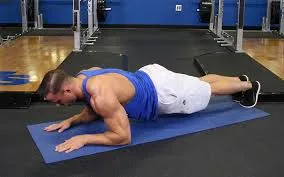
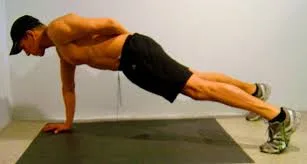
PUSH-UPS VARIATIONS
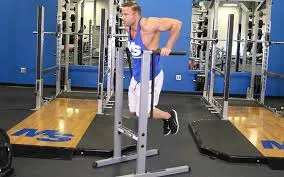
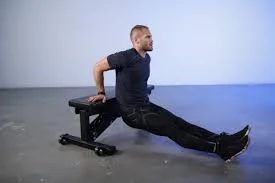
DIPS VARIATIONS:
PULL-UP/CHIN-UP VARIATIONS:
MUSCLE-UPS VARIATIONS:
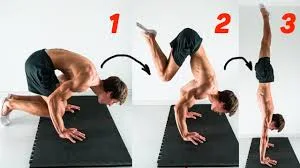
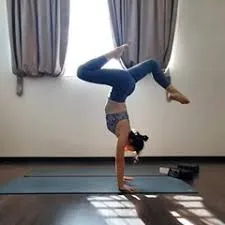
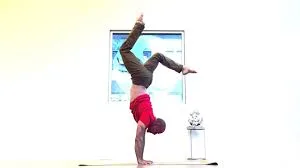
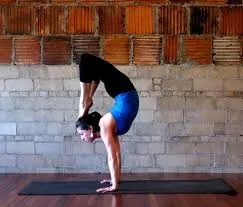
HANDSTANDS VARIATIONS
BODY LEVER VARIATIONS:

/ 189
End of Document
52

FAQs

What are the eight working principles of calisthenics?
The eight working principles of calisthenics include: 1) Start with the basics, 2) Work on your previous progression, 3) Have a good rest, 4) Reduce reps and increase sets, 5) Film yourself as you train, 6) Get a training partner, 7) Always exercise patience, and 8) Be consistent. These principles are designed to help individuals develop specific skills in calisthenics effectively.
What are the real benefits of calisthenics?
Calisthenics offers numerous benefits, including improved muscle strength, endurance, flexibility, and coordination. It is a versatile form of exercise that can be performed anywhere without the need for equipment. Additionally, calisthenics serves as a foundation for other sports and physical activities, making it particularly beneficial for beginners who are not yet ready for heavy weights.
How can beginners transition to intermediate calisthenics?
To transition from beginner to intermediate calisthenics, individuals should focus on mastering basic exercises and gradually introduce more advanced variations. It's essential to maintain a low body fat percentage and pay attention to diet. The document emphasizes that beginners should not rush through exercises but instead aim for gradual improvement, ensuring they build a strong foundation before progressing to more challenging movements.
What are some essential warming-up exercises for calisthenics?
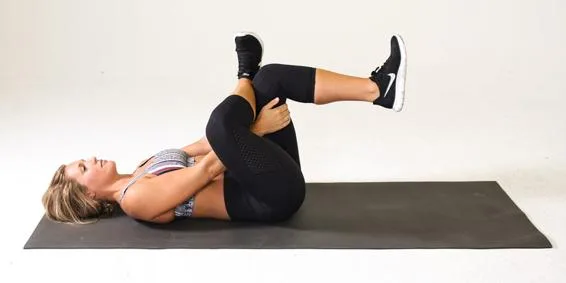
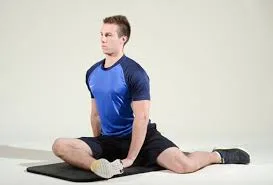
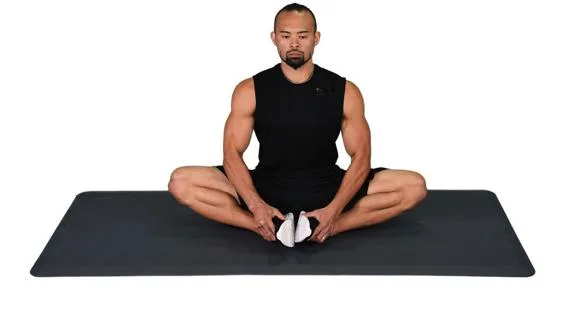
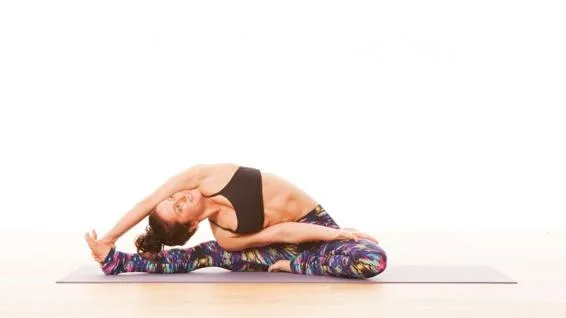
Essential warming-up exercises for calisthenics include running around for 4-6 minutes, swinging arms in circles, scapula pulses, and dynamic stretches like the frog stretch and butterfly stretch. These exercises prepare the body for physical activity by improving blood flow to the muscles and increasing flexibility, thereby reducing the risk of injury during workouts.
What are some practical bodyweight exercises for beginners?
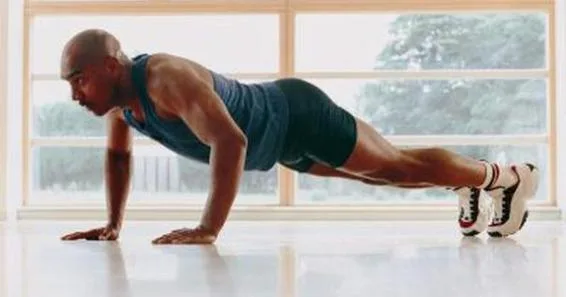
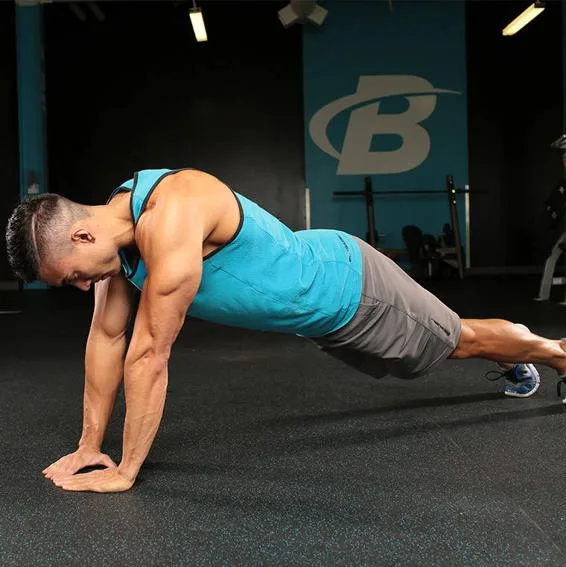
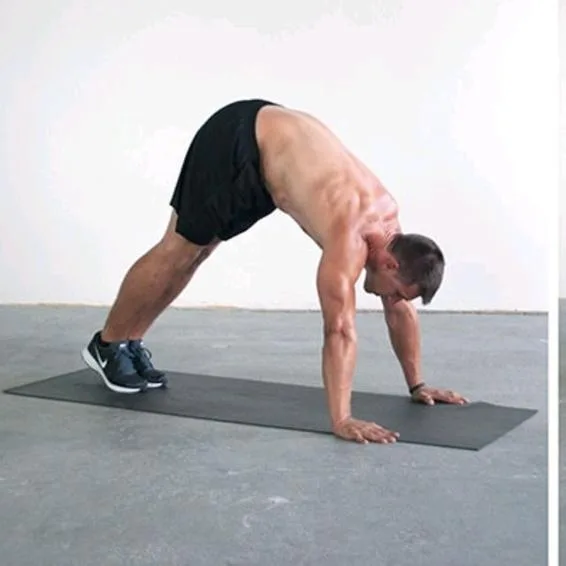
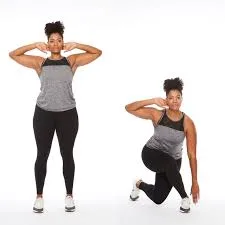
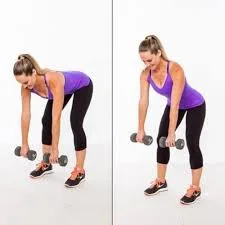
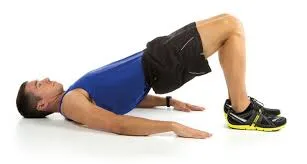
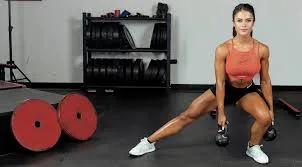
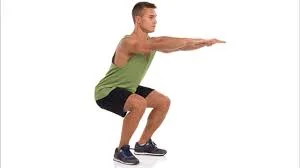
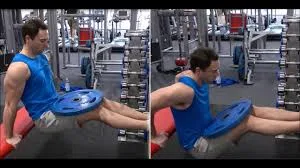
Practical bodyweight exercises for beginners include push-up variations, dips, pull-ups, chin-ups, and various forms of squats. The guide details over 70 bodyweight exercises categorized into upper body, core, and lower body, allowing beginners to strengthen their muscles and improve overall fitness without the need for equipment.
What nutritional advice is given to maximize results in calisthenics?
The guide suggests controlling calorie intake, observing regular fasting, and focusing on nutrient-dense foods to maximize results in calisthenics. It emphasizes the importance of a balanced diet rich in proteins and vegetables while minimizing processed foods and sugars to support muscle gain and fat loss.
How should reps and sets be structured for calisthenics?
For calisthenics, the recommended structure for reps and sets varies based on training goals. For muscle strength, 1-5 repetitions per set are advised, while for muscle mass, 6-10 repetitions per set are recommended. Beginners should focus on maintaining proper form and gradually increasing the volume of their workouts.