MS Gyan 2016 – Graduate School Application Insights
MS Gyan 2016 provides valuable insights for students applying to graduate programs, particularly in engineering and technology fields. It includes detailed profiles of students, their academic achievements, GRE scores, and universities they were admitted to or rejected by. This resource is essential for prospective graduate students seeking guidance on crafting effective statements of purpose and understanding the admissions process. The document also offers tips on securing internships and funding options, making it a comprehensive guide for applicants aiming for top universities. Ideal for students in engineering disciplines looking to enhance their applications.
Key Points
Profiles of successful graduate applicants in engineering fields
Detailed GRE scores and academic performance metrics
Tips on writing effective statements of purpose for admissions
Insights on university selection based on research opportunities
This link leads to an external site. We do not know or endorse its content, and are not responsible for its safety. Click the link to proceed only if you trust this site.
Vaccination OSPE Answers – Comprehensive GuideNotes
PDFNotes
Family Planning OSPE AnswersNotes
PDFNotes
Questions Liste Personne A 0020Notes
PDFNotes
Questions Liste Contrat A 0020Notes
PDFNotes
Responsabilité extracontractuelle et ses enjeuxNotes
PDFNotes
Ethiek Voorbeeldvragen Examen – Voorbereiding op Ethiek ExamensNotes
PDFNotes
Pega Interview Questions and AnswersNotes
PDFNotes
Four Types of Environment ExplainedNotes
PDFNotes
Key Themes in Folklore AnalysisNotes
PDFNotes
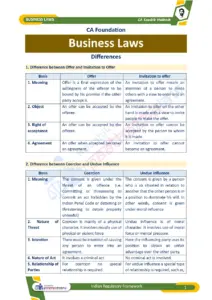
Business Law DifferencesNotes
PDFNotes
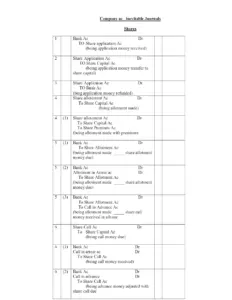
Journal Entries for Accounting TransactionsNotes
FAQs
What are the key components of a successful Statement of Purpose (SoP)?
A successful Statement of Purpose (SoP) should clearly convey your academic interests and achievements. It is essential to maintain a concise and coherent narrative that reflects your journey and motivations for pursuing a specific program. Highlighting relevant experiences, such as internships or projects, can strengthen your application. Additionally, mentioning how the university aligns with your goals and how you can contribute to their community is crucial.
How important are GRE scores in the graduate school application process?
GRE scores play a significant role in the graduate school application process, as they are often used to rank applicants. A higher score can compensate for lower GPAs or lack of research experience. For competitive programs, aiming for a score above 320 is advisable, with specific targets for quantitative and verbal sections. Applicants should also consider the AWA score, as it reflects analytical writing skills.
What factors influence university admission decisions for graduate programs?
University admission decisions for graduate programs are influenced by several factors, including GPA, GRE scores, letters of recommendation, and the quality of the Statement of Purpose. A strong academic record, relevant internships, and research experience can enhance an applicant's profile. Additionally, alignment of research interests with faculty members and the overall fit with the program's offerings are crucial for securing admission.
What strategies can applicants use to improve their chances of admission?
Applicants can improve their chances of admission by starting their preparation early, ideally during their undergraduate studies. Maintaining a strong GPA, achieving high GRE scores, and gaining relevant research or internship experience are essential. Crafting a well-structured and personalized Statement of Purpose that highlights specific interests and goals, along with obtaining strong letters of recommendation, can also significantly enhance an application.
Why is it important to tailor your application to each university?
Tailoring your application to each university is important because it demonstrates your genuine interest in the program and helps you stand out among applicants. Each university has unique strengths, faculty members, and research opportunities. By aligning your goals and experiences with what the specific program offers, you can effectively convey why you are a good fit and how you can contribute to their academic community.
What role do recommendation letters play in the application process?
Recommendation letters are a critical component of the graduate school application process, as they provide insight into an applicant's abilities, character, and potential for success in a graduate program. Strong letters from professors or supervisors who know the applicant well can significantly bolster an application. It is advisable to choose recommenders who can provide specific examples of the applicant's strengths and contributions.
Related
PDFNotes
Global Business Environment Notes – Unit 4Notes
PDFNotes
NEET PG 2021 Question Paper With SolutionsNotes
PDFNotes
NEET PG 2020 Question Paper With SolutionsNotes
PDFNotes
NEET PG 2018 Question Paper With SolutionsNotes
PDFNotes
NEET PG 2019 Question Paper With SolutionsNotes
PDFNotes
Solving Two-Step Equations – Math 6/7 NotesNotes
PDFNotes
Common Prefixes and Suffixes – Shiland 2011Notes
PDFNotes
APUSH Timeline of Important Events from 1492 to 2000Notes
PDFNotes
APUSH Timeline of Important EventsNotes
PDFNotes
Secondary Math 3 Module 5 Answers – Special RightsNotes