3
Wasps
People often ask the question “what’s the point of wasps?” My standard answer tends to be that wasps often
wonder “what’s the point of people?”
Wasps are social insects, closely related to bees and ants, collectively
known as the Aculeate Hymenoptera. The name Hymenoptera is derived
from the Greek words "hymen" meaning membrane and "ptera" meaning
wings and the Aculeates are the ones with stings. So wasps belong to the
group of membrane-winged stinging insects.
The yellow and black colour of wasps makes them instantly recognisable
as these are natures warning colours. Because of this, many harmless
insects mimic wasps to deter would-be predators. Unlike Honeybees,
wasps do not stay in colonies during the winter, instead the new queens
leave the nest in the autumn and mate. They then find a dry cool place to
hibernate and all the males, workers and old queens die. In the spring the
new queens wake and start their own colonies.
In our orchards, wasps feed on nectar and pollen, so pollinating the fruit
as the do. In the autumn they return for their share of the fruit they
pollinated. They also eat many different ‘pests’ from caterpillars to aphids
which would otherwise damage our crops.
Did you know?
There are nine species of social wasps in Britain including the largest
of our wasps, the Hornet.
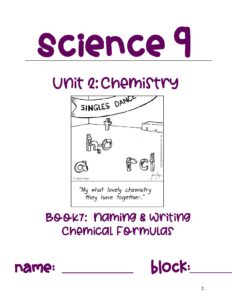
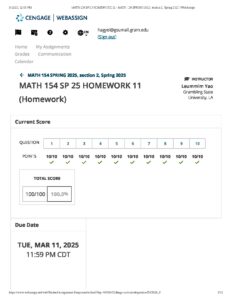
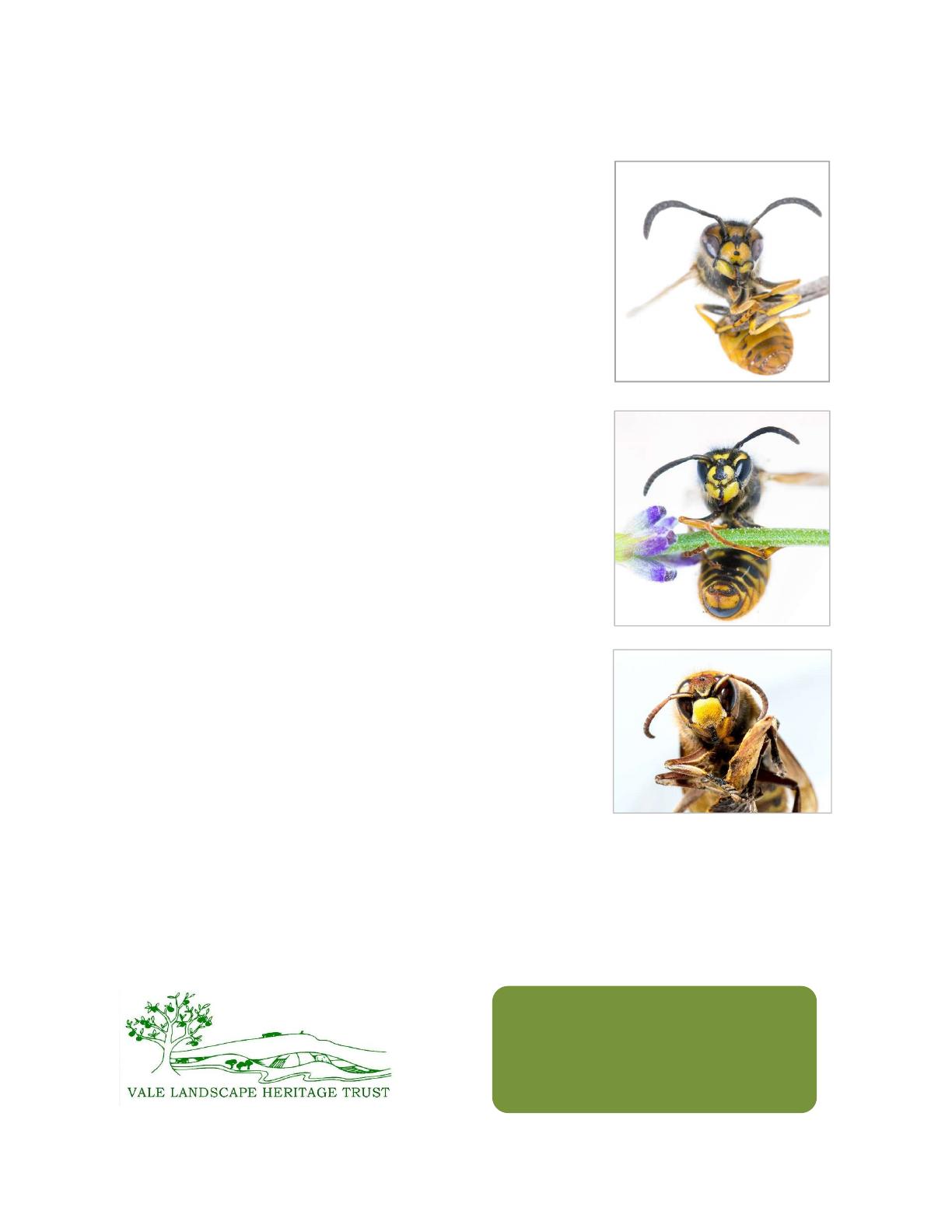
To identify the different species of social wasps you need to look at
their face patterns (see images opposite).
Wasps are mostly carnivorous, eating other insects but they also
have a sweet tooth (or more precisely mandible) and will feed on
nectar and fruit.
Just like bees, wasps can be revived if they are dehydrated, by
feeding them a small amount of sugar water.
Wasps build their nests from wood pulp (which is why they are
sometimes called paper-wasps), chewing anything from trees to
fence posts and garden furniture. The different types of wood can
be seen in the layers of pulp on the nest.
Only female wasps sting. In fact the females are responsible for building the nest and defending it,
caring for the young wasp grubs and collecting food. Male wasps have only one purpose!
So next time you’re being bothered by a wasp just remember she’s only doing it for the good of the colony.
Friends of VLHT pay a regular amount each
month or year, which supports the important
work saving and renovating old orchards and
hay meadows and woodlands. For details,
contact Gary Farmer at the office.