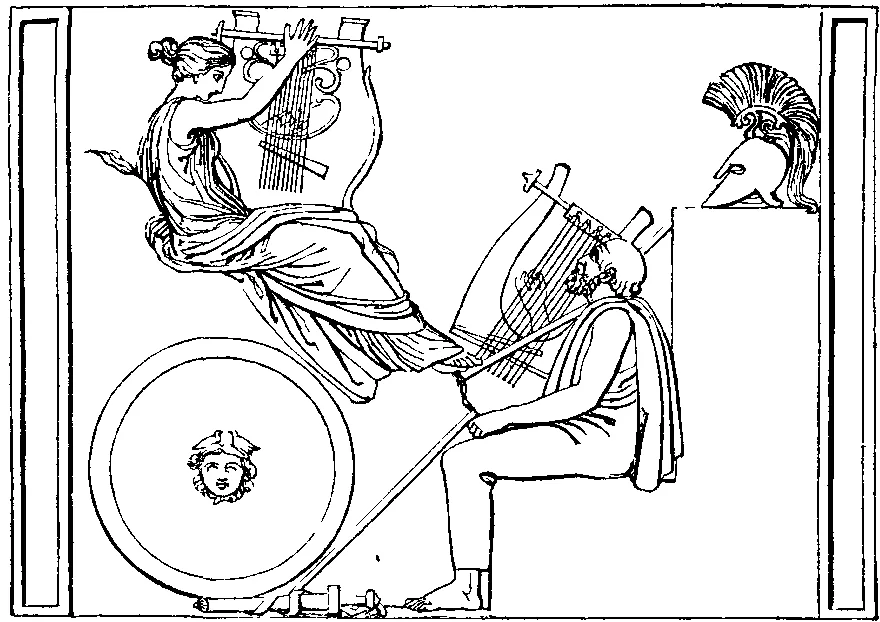
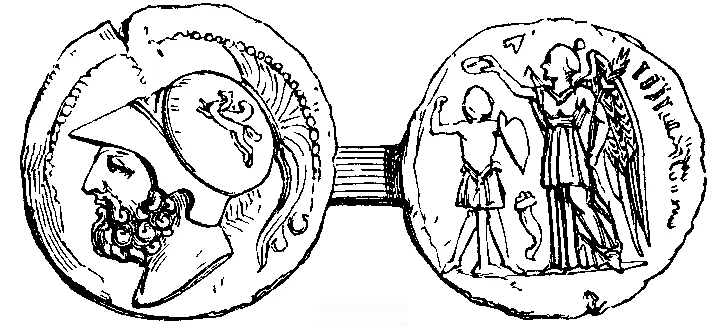
The Iliad, an epic poem attributed to Homer, recounts the events of the Trojan War, focusing on the hero Achilles and his conflict with Agamemnon. Translated by Alexander Pope, this version includes notes and illustrations by Theodore Alois Buckley, providing context and analysis for readers. Themes of honor, fate, and the human condition are explored throughout the narrative, making it a significant work in Western literature. This edition is suitable for students and scholars interested in classical literature and epic poetry, as well as fans of Greek mythology. The text spans 24 books, detailing the battles, gods, and personal struggles of its characters.
Key Points
Explores the themes of honor, fate, and mortality in the context of the Trojan War
Includes 24 books detailing the conflict between Achilles and Agamemnon
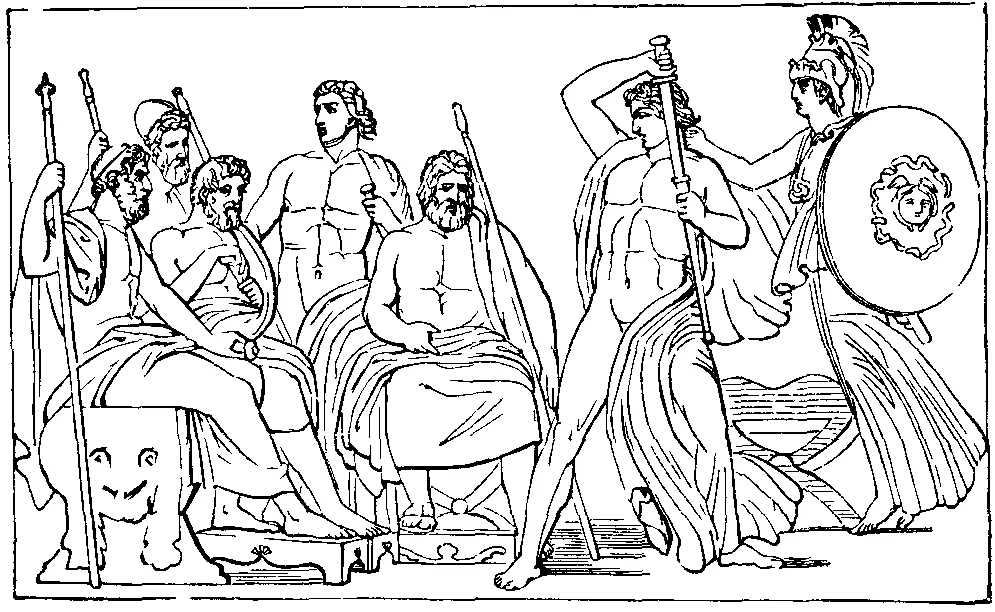
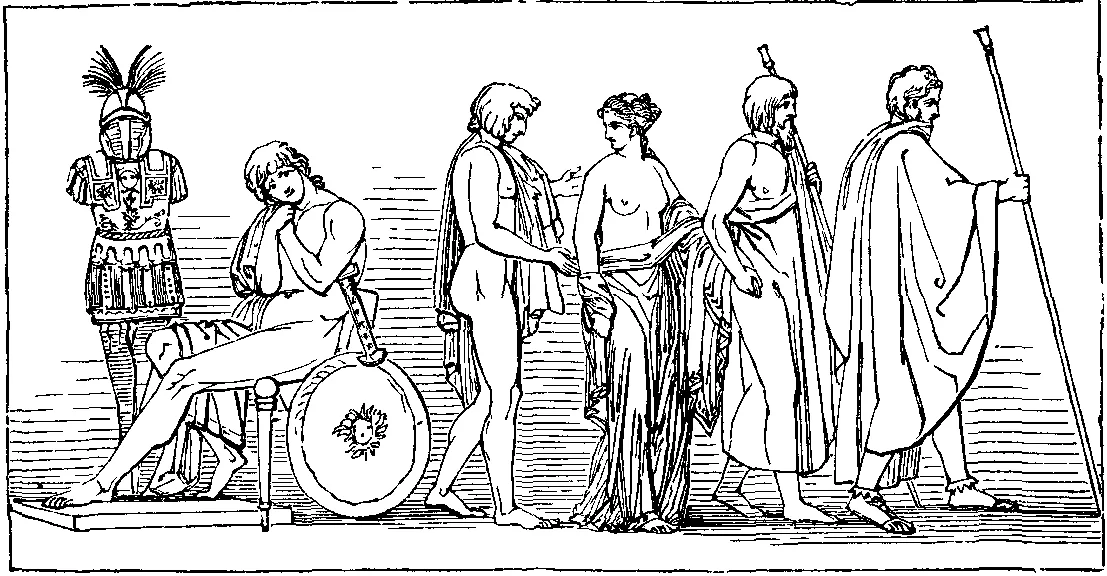
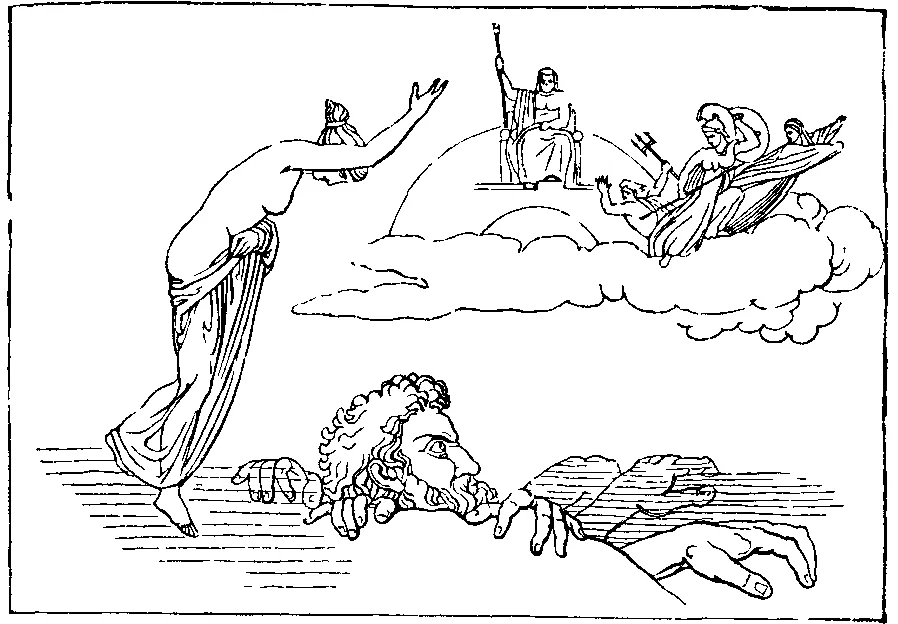
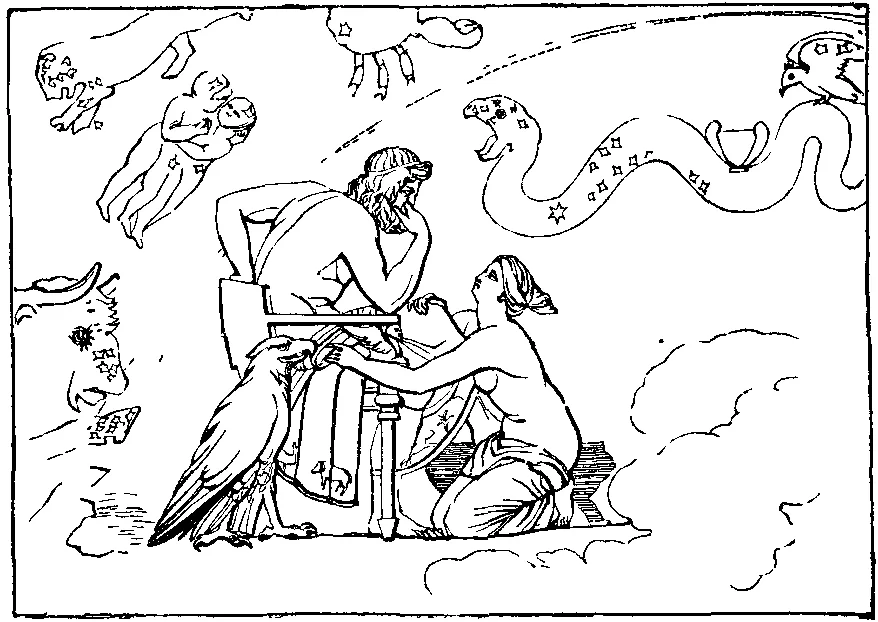
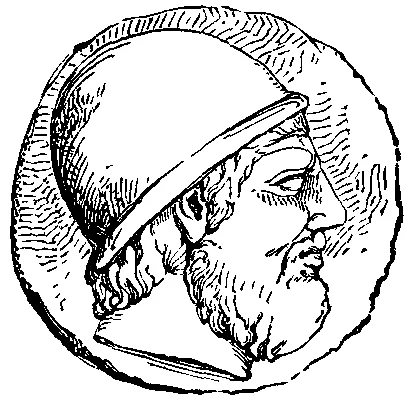
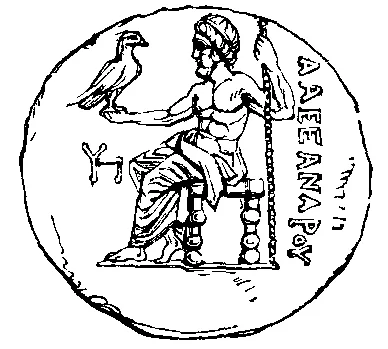
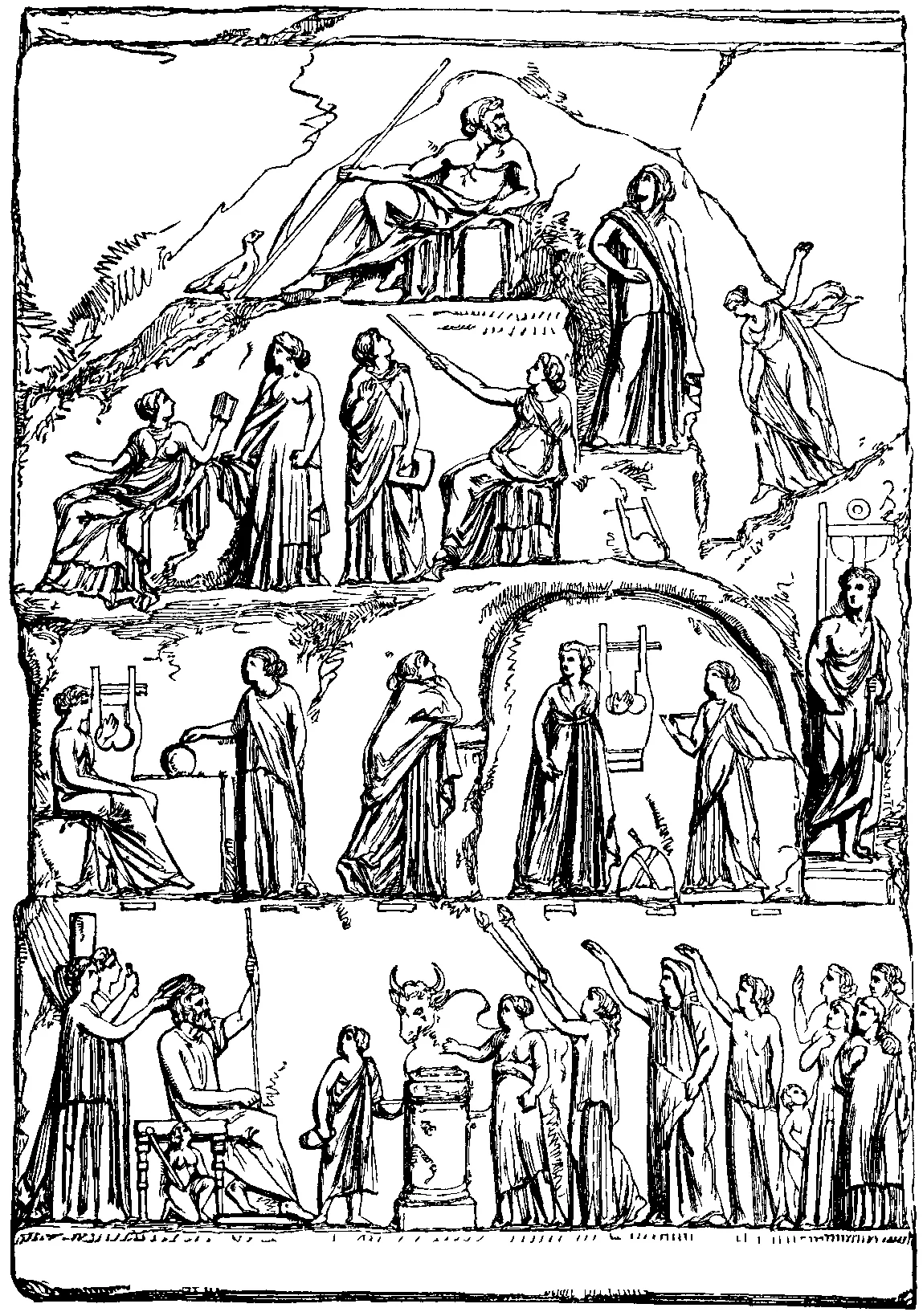
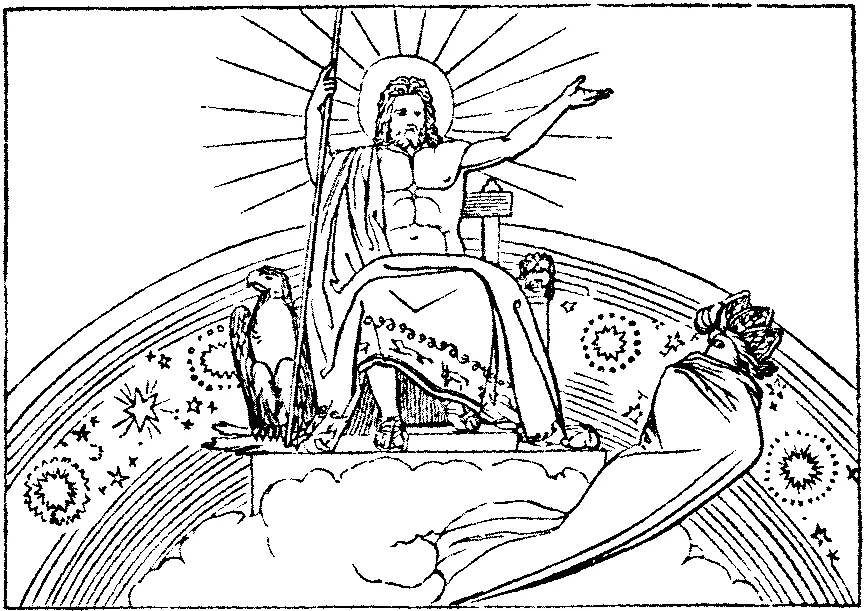
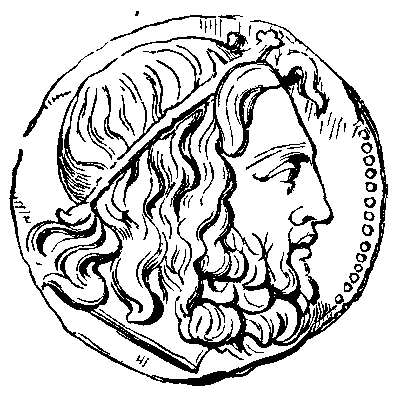
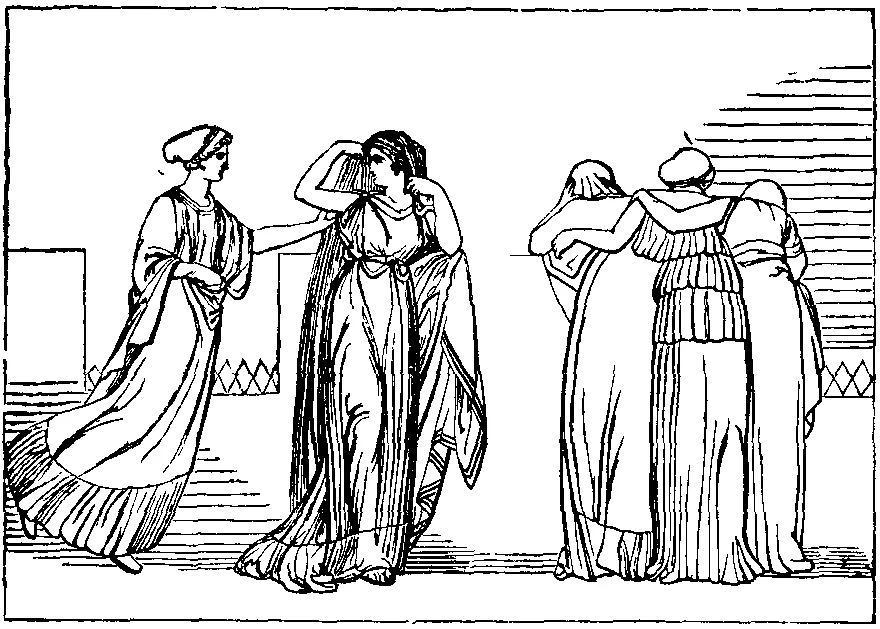
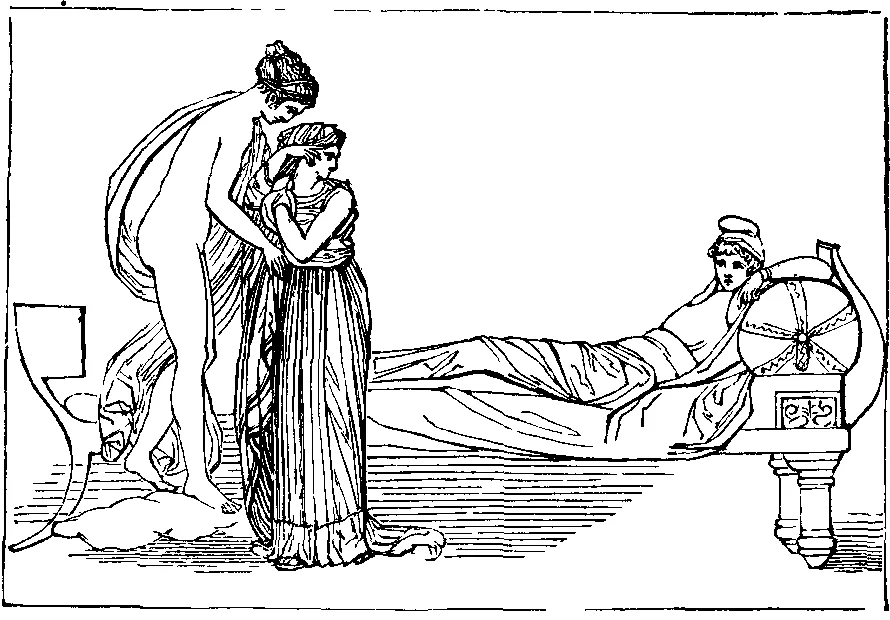
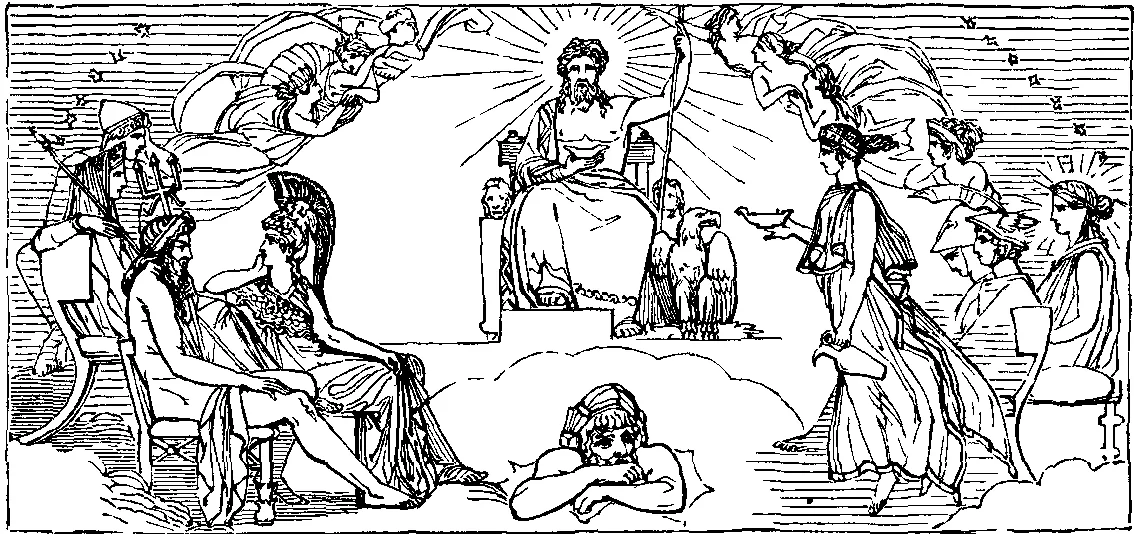
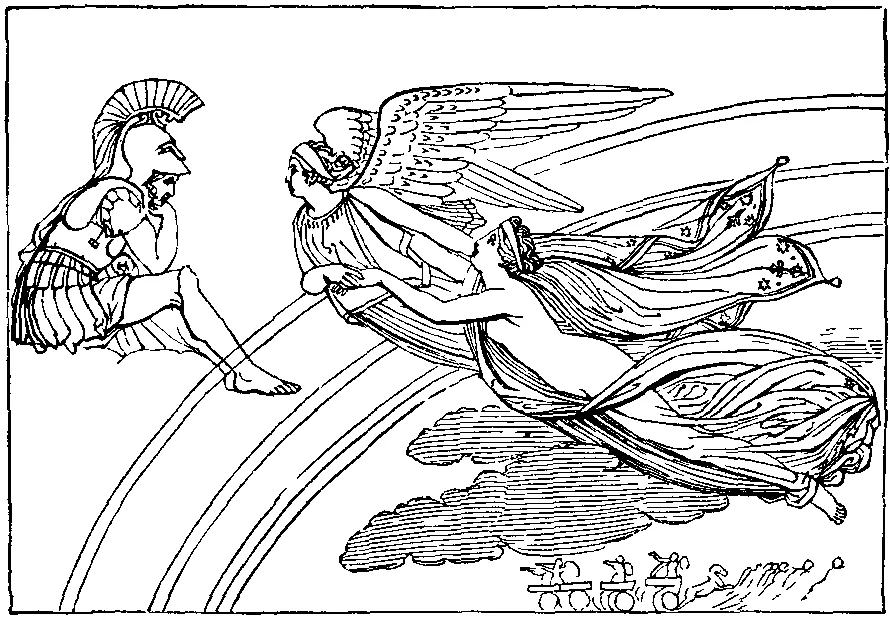
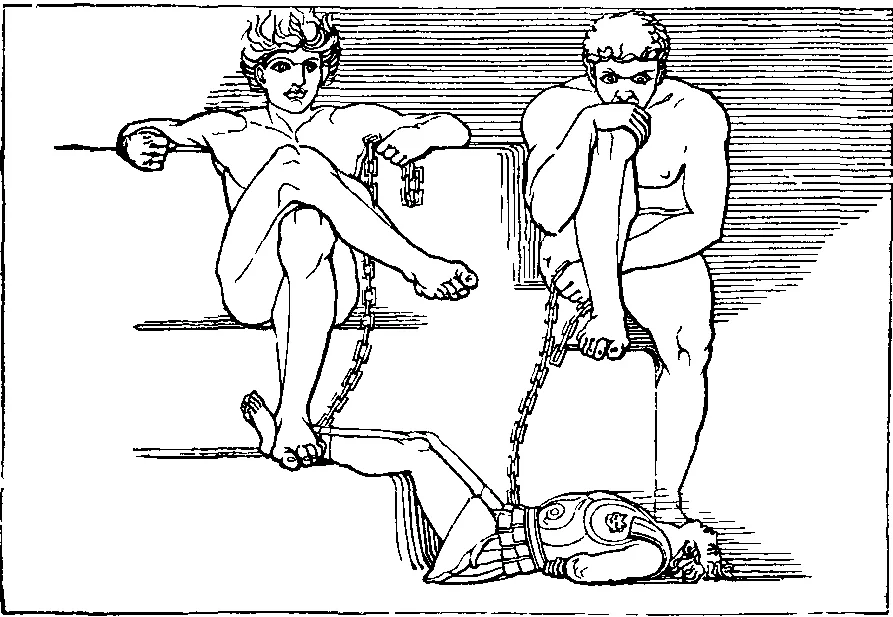
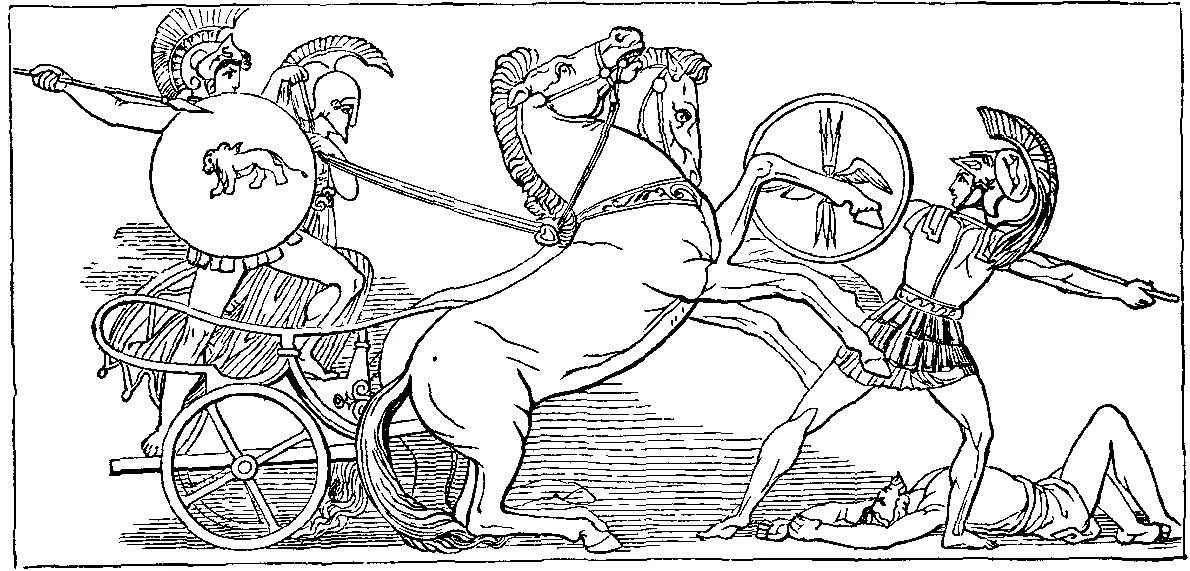
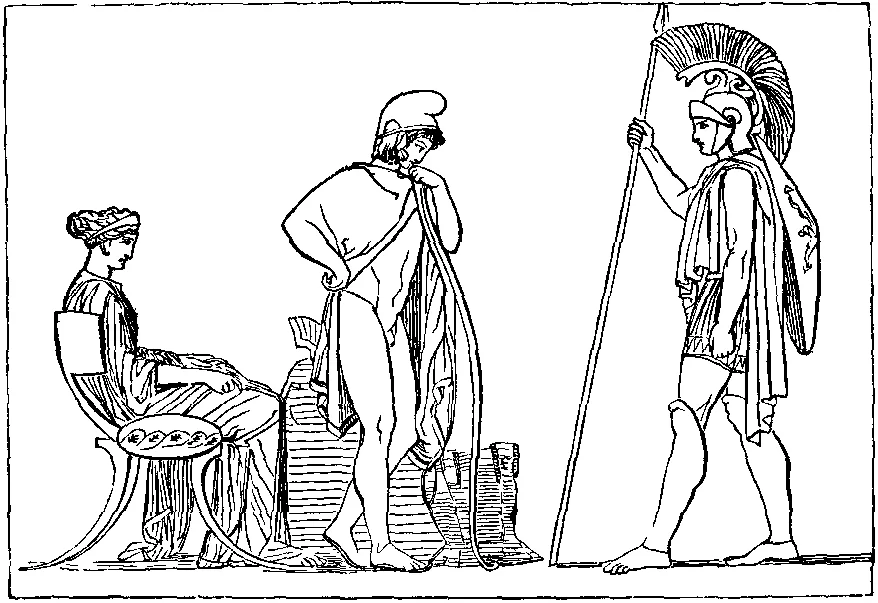
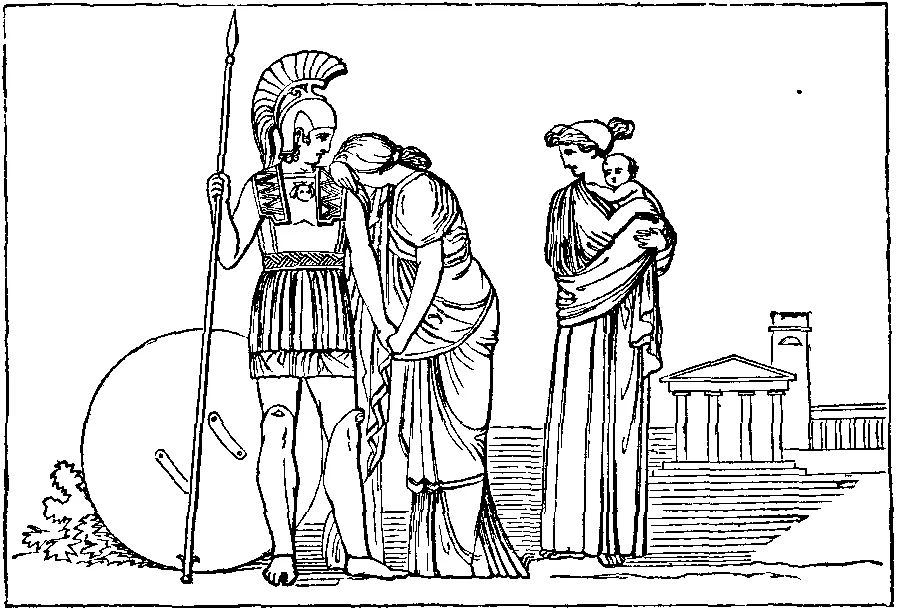
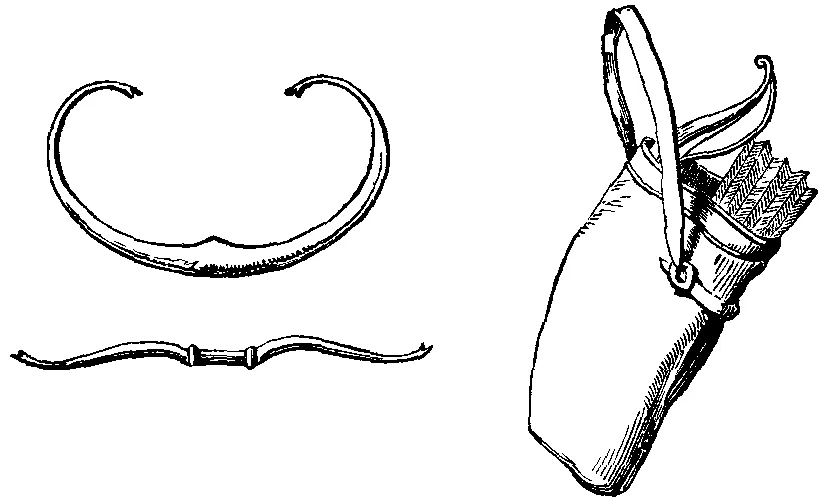
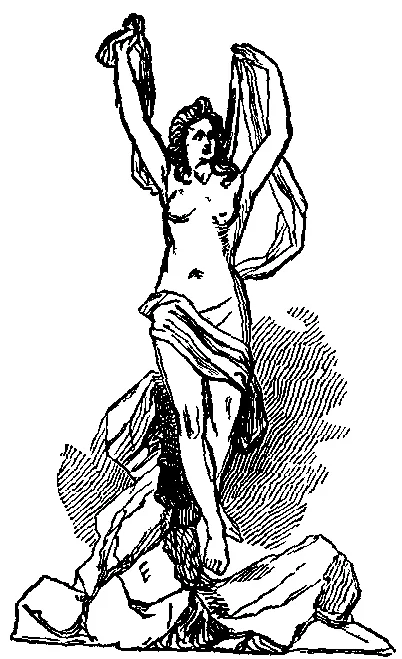
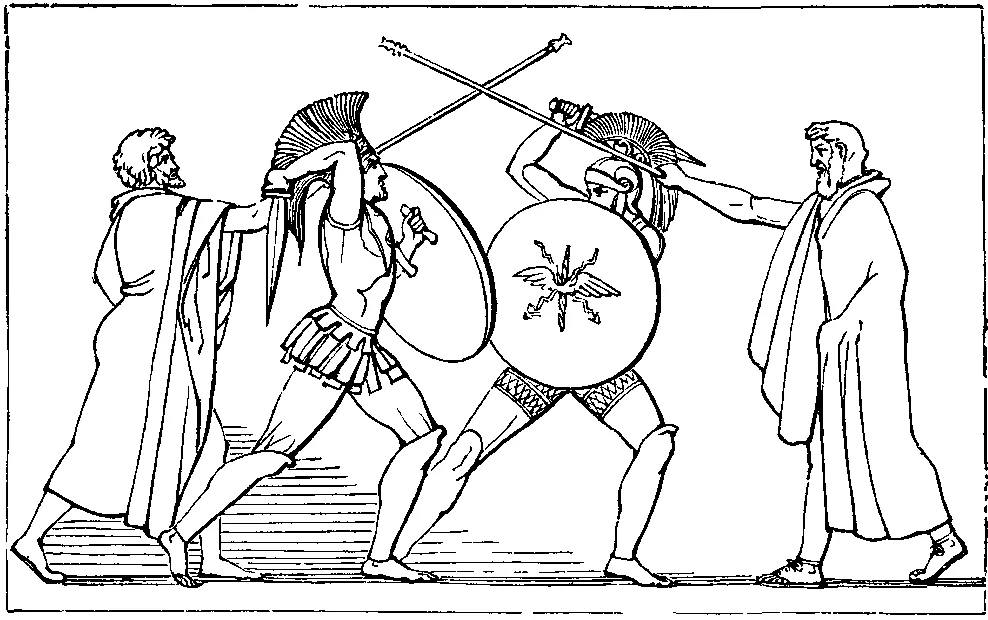
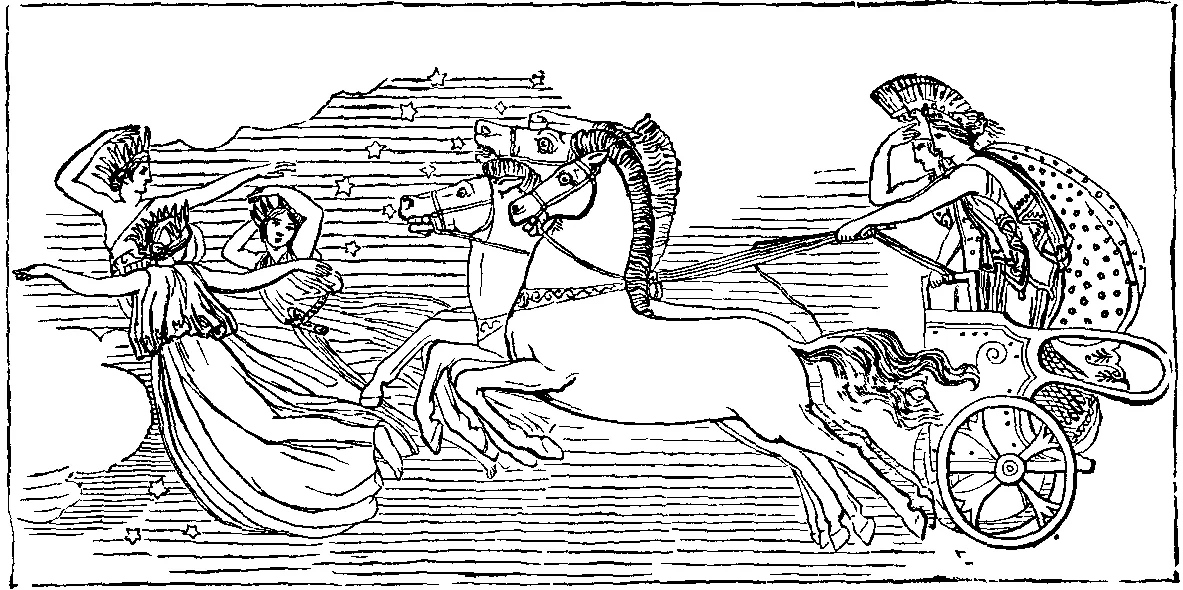
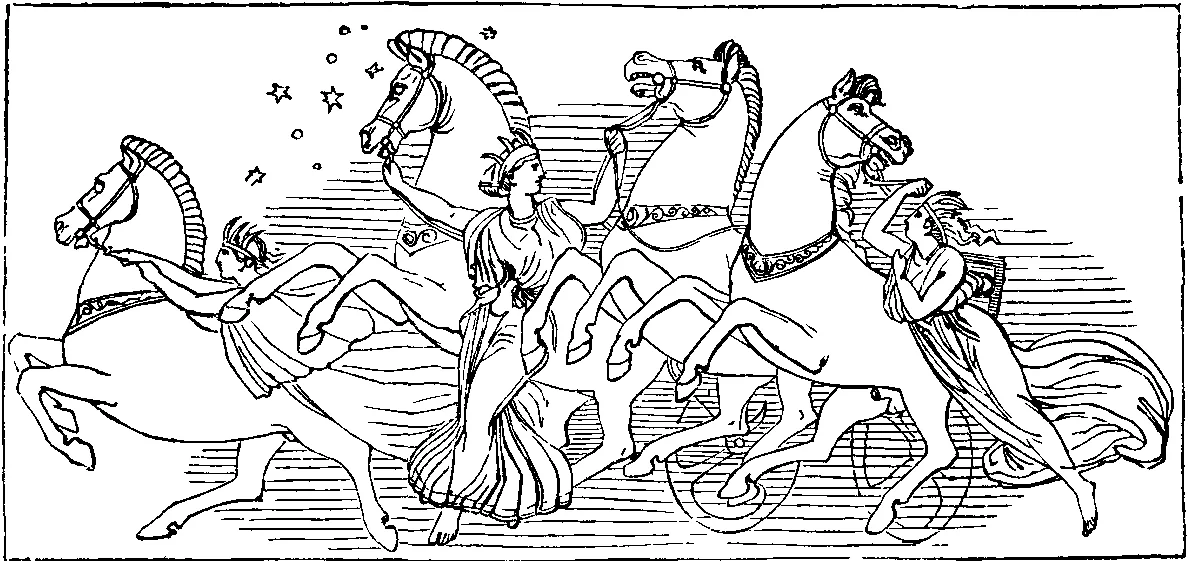
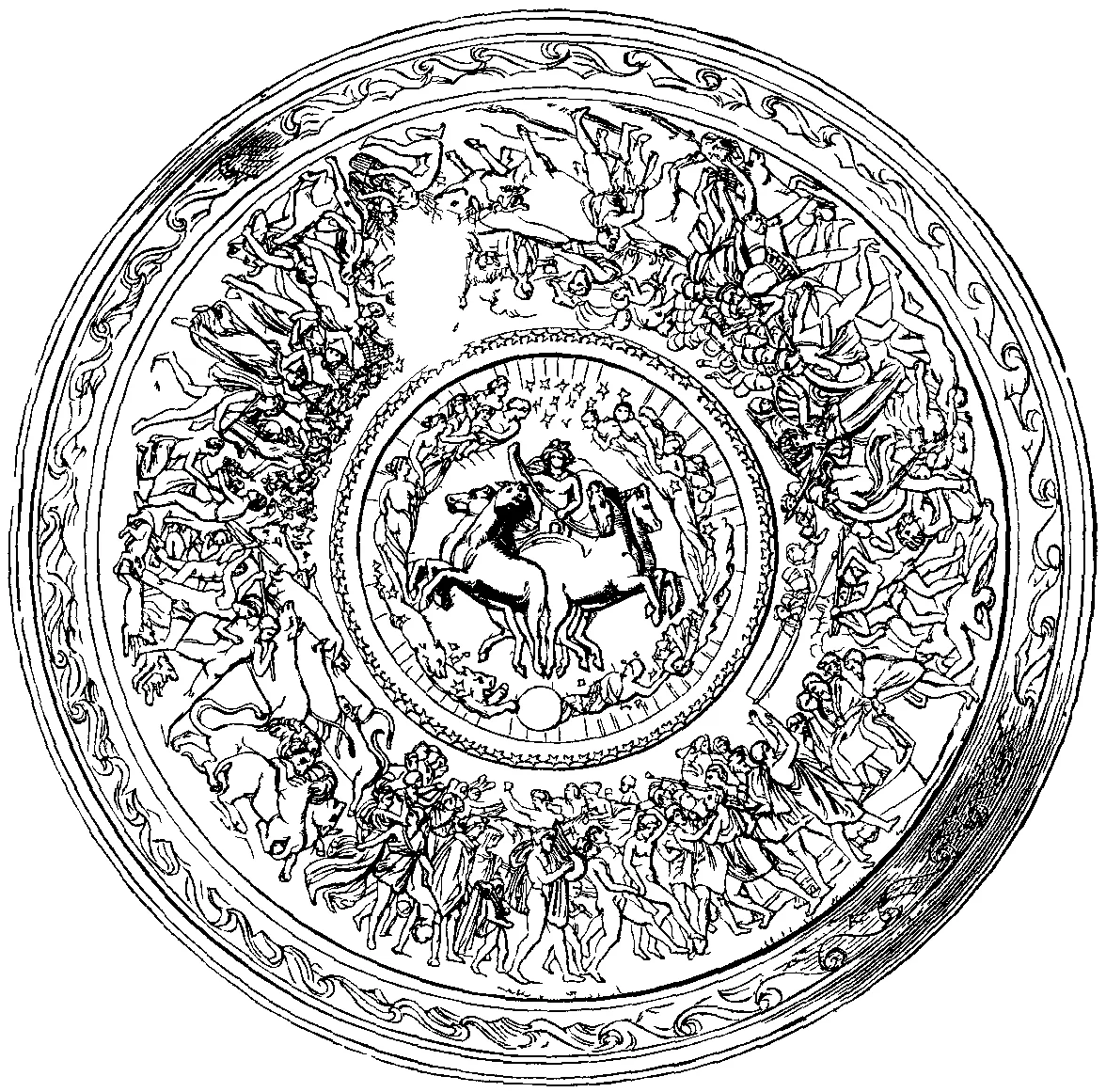
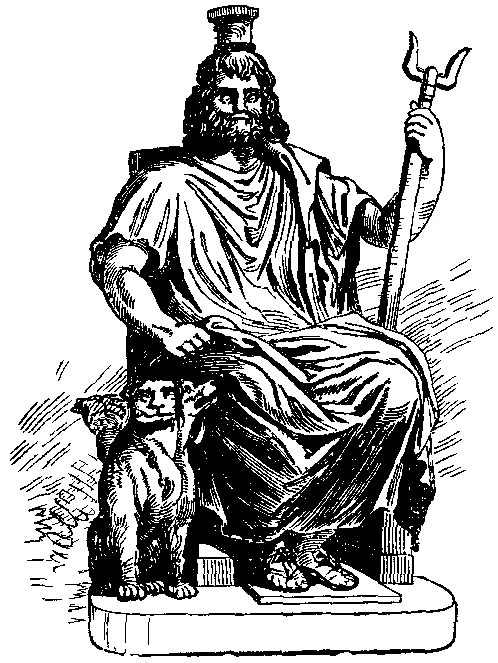
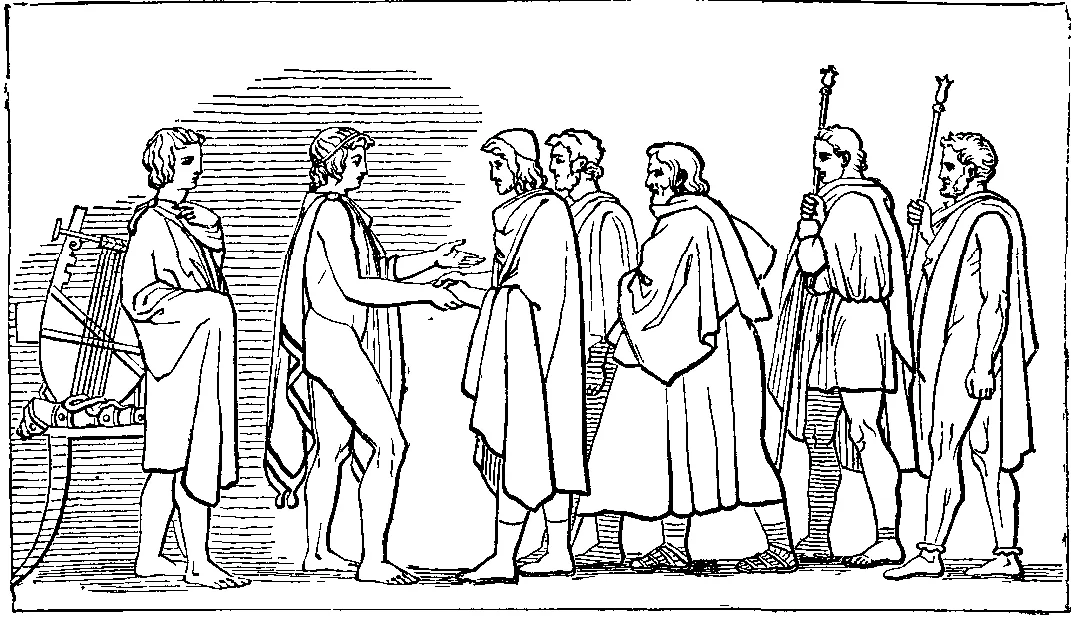
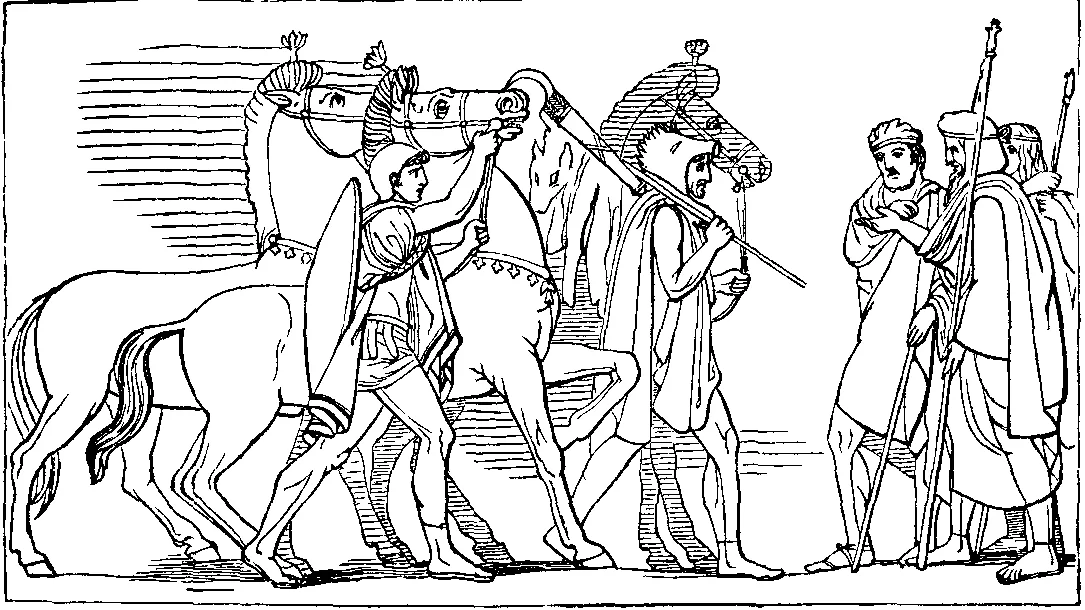
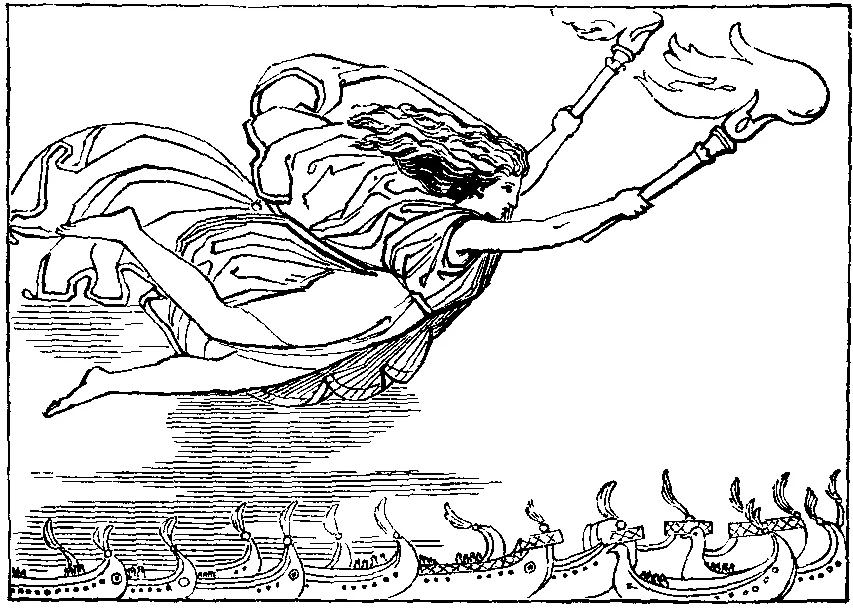
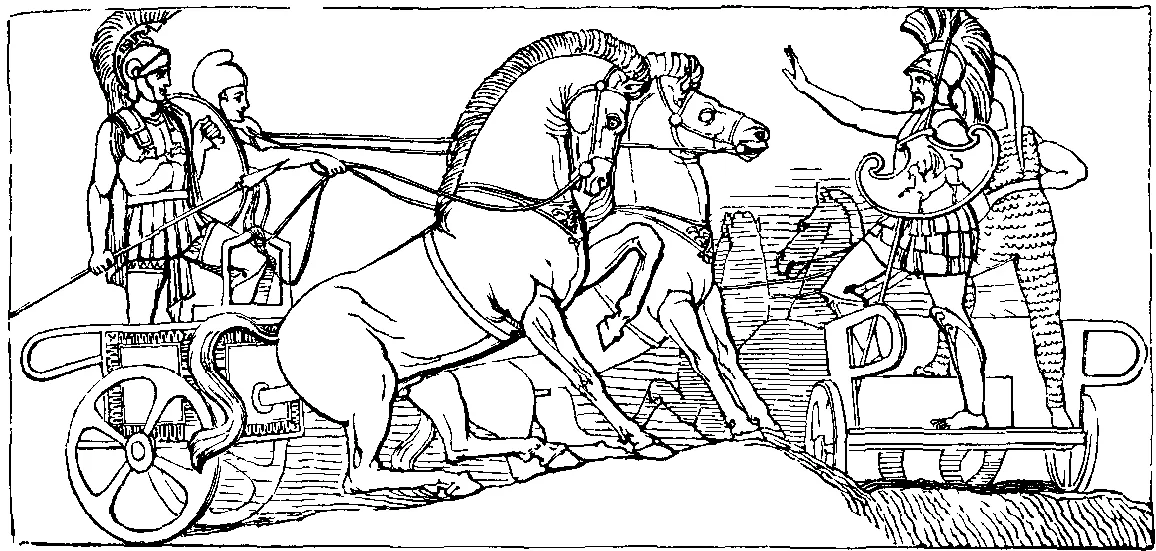
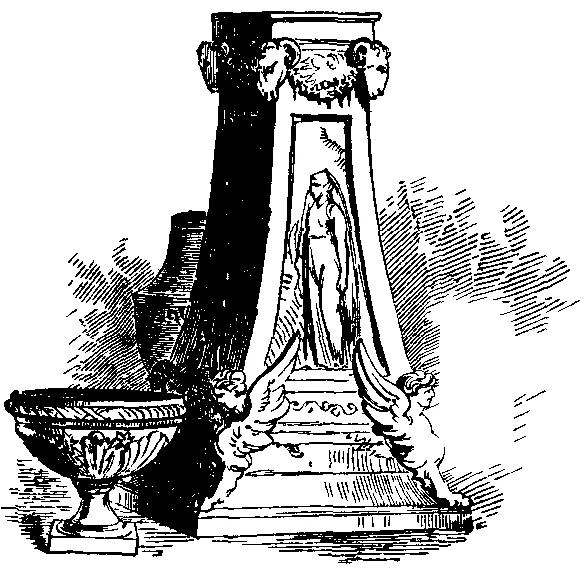
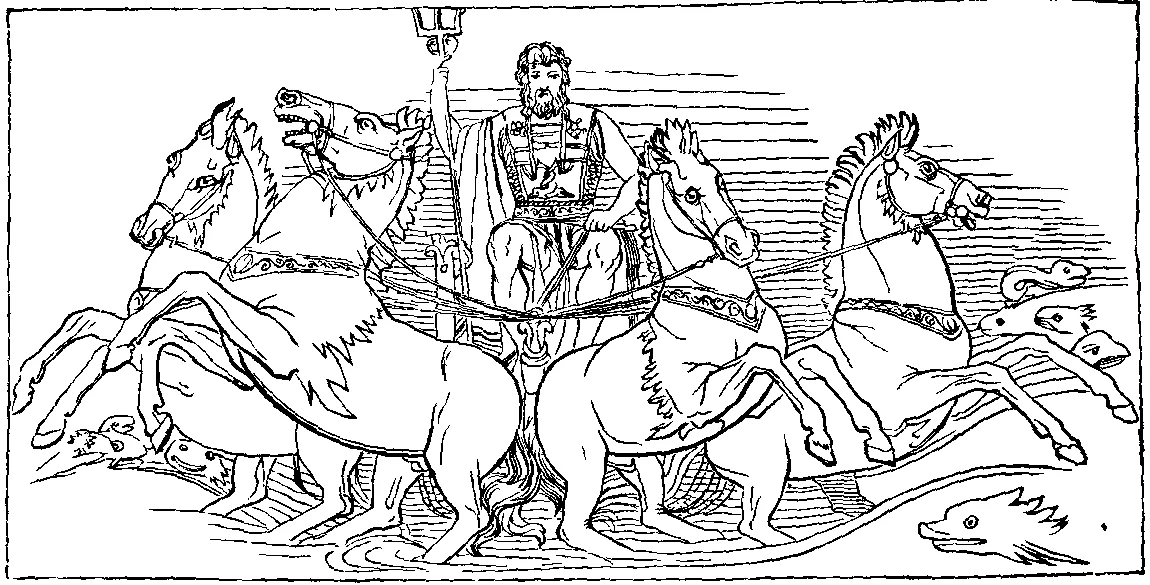
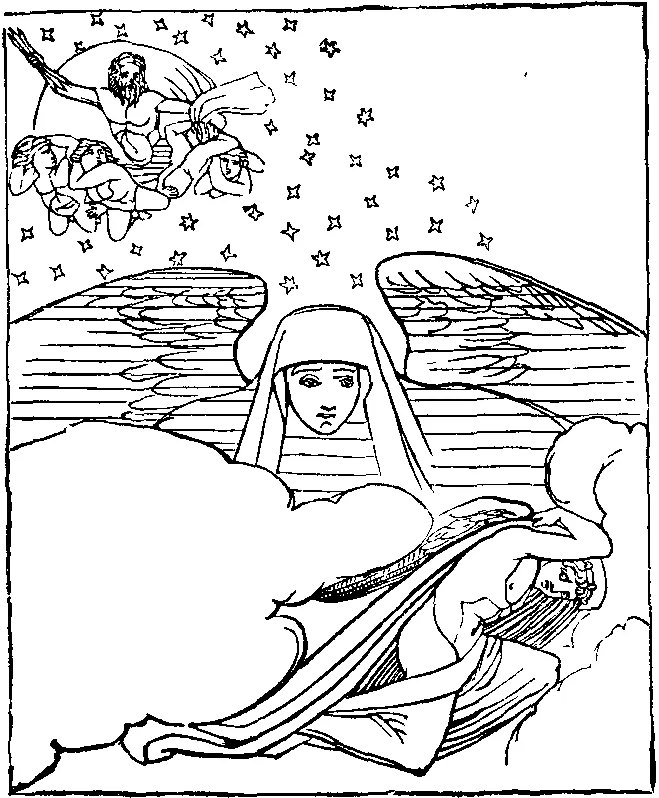
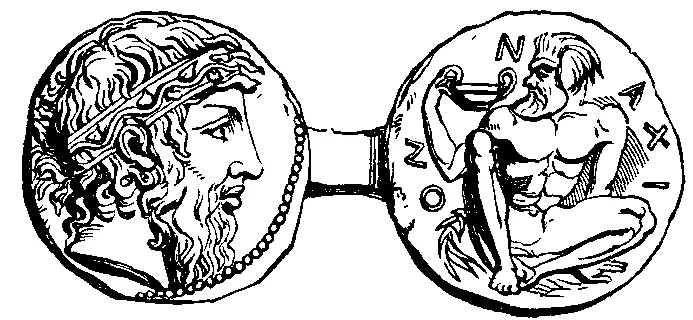
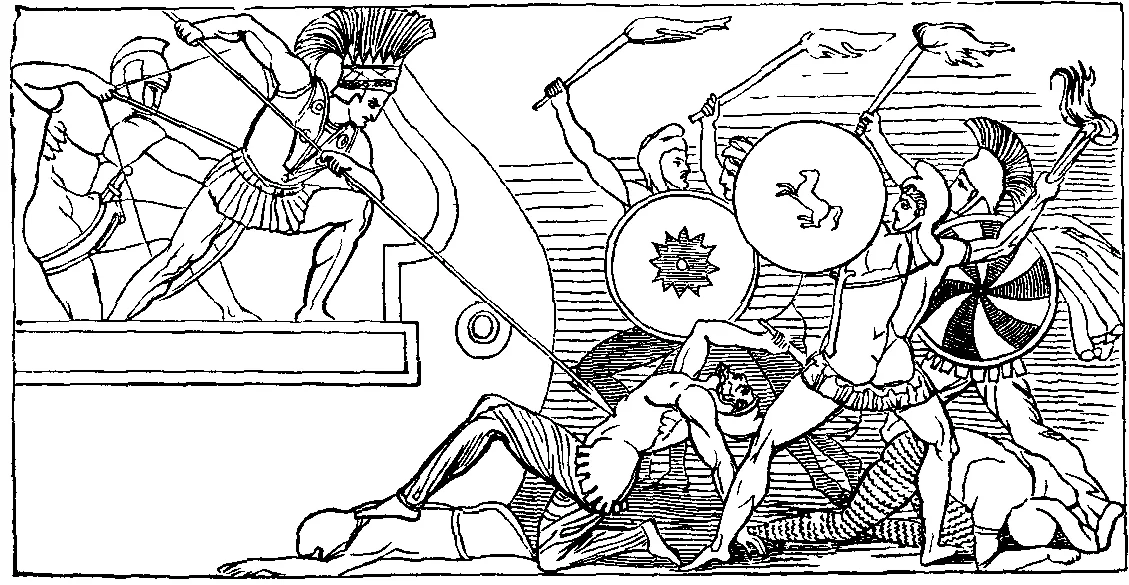
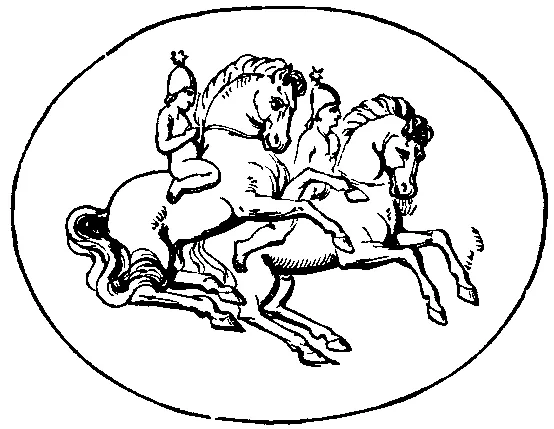
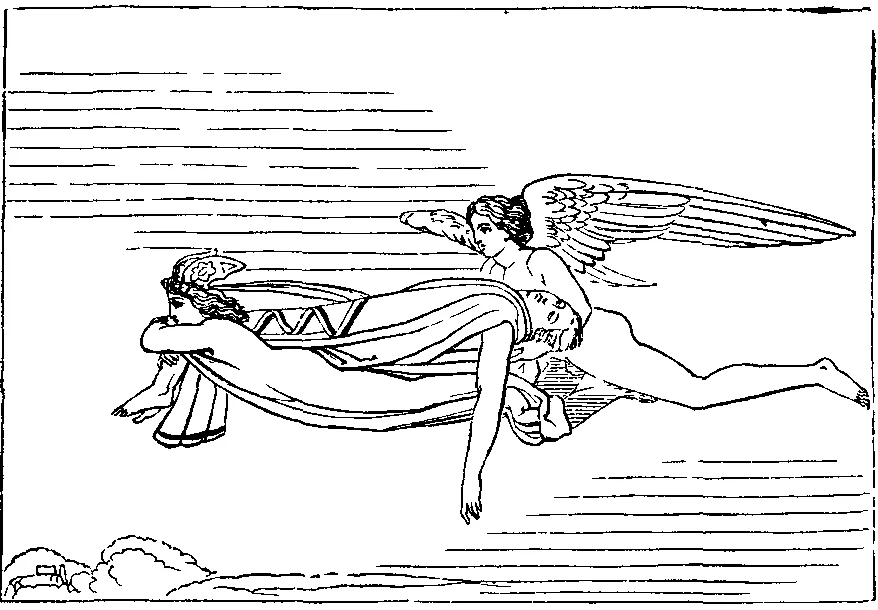
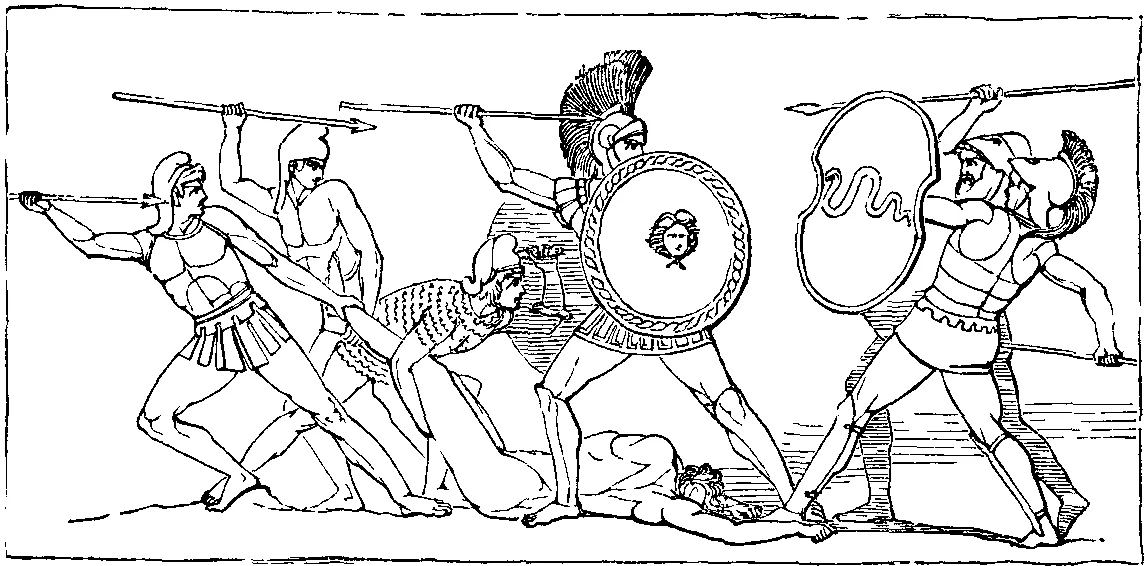
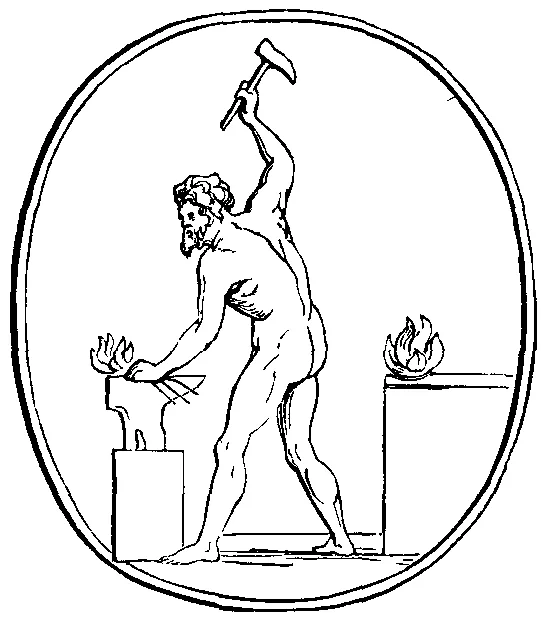
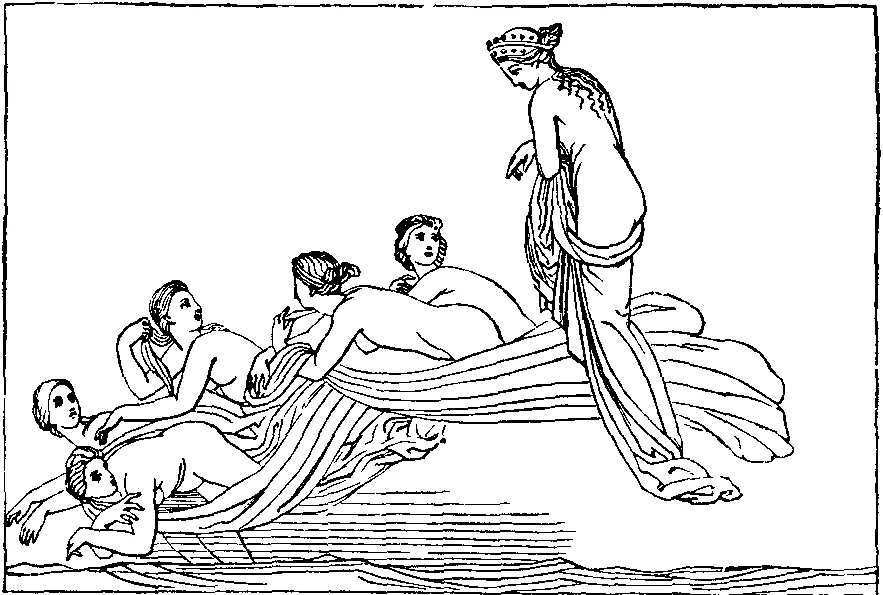
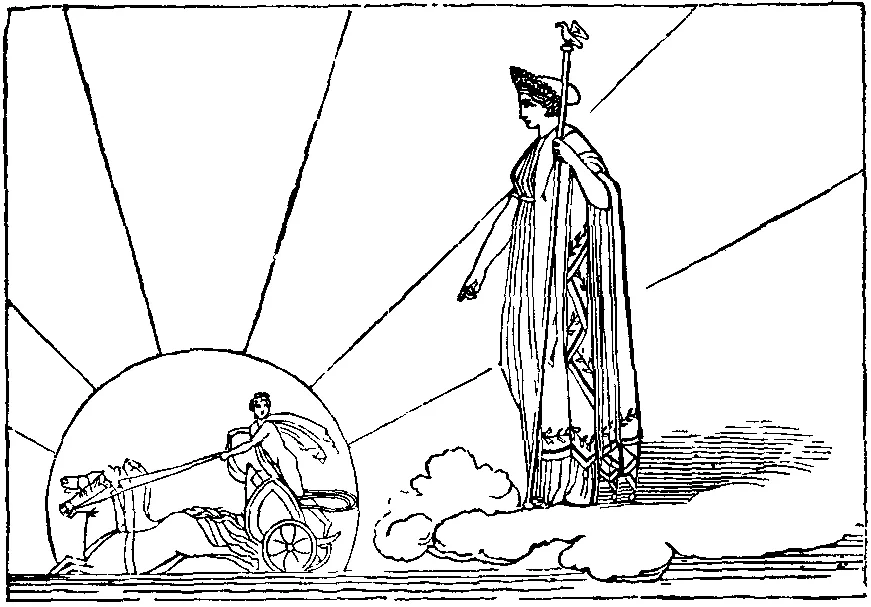
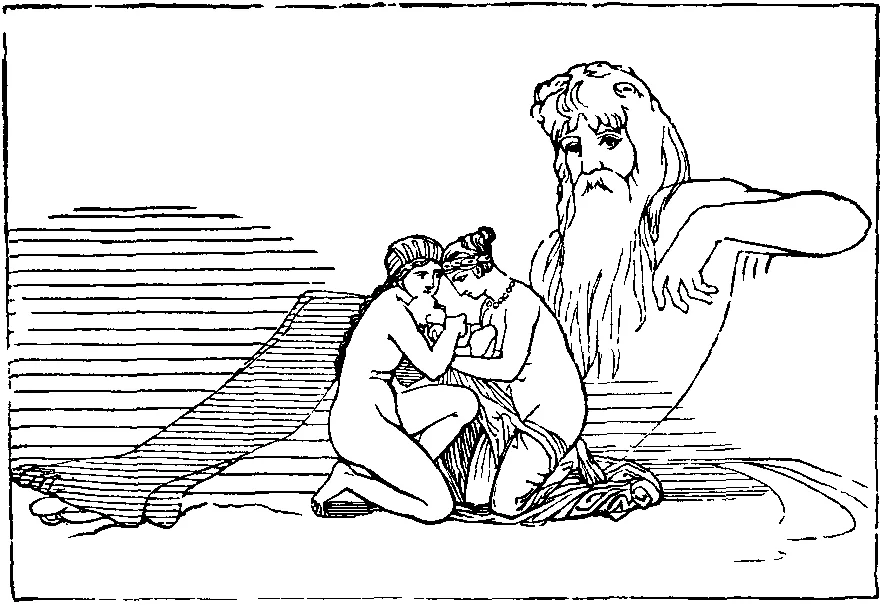
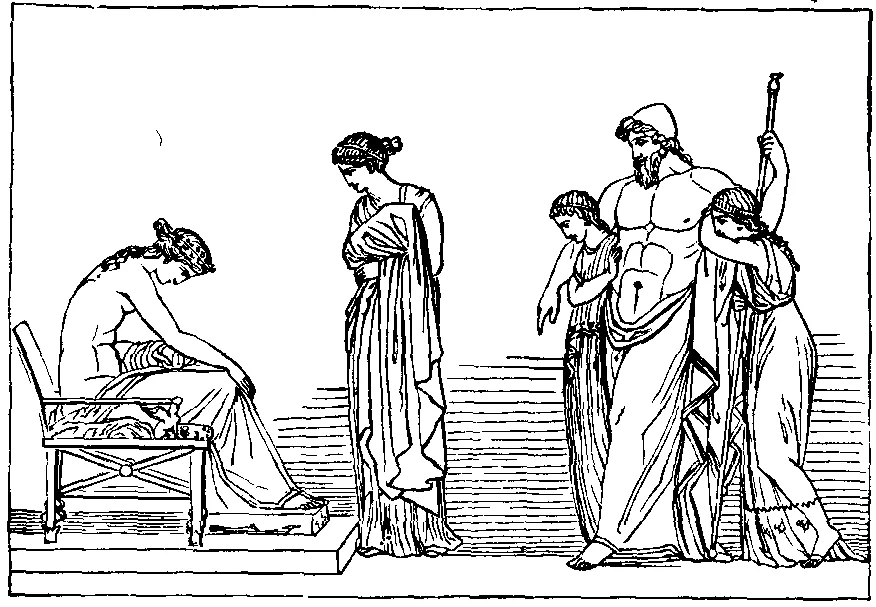
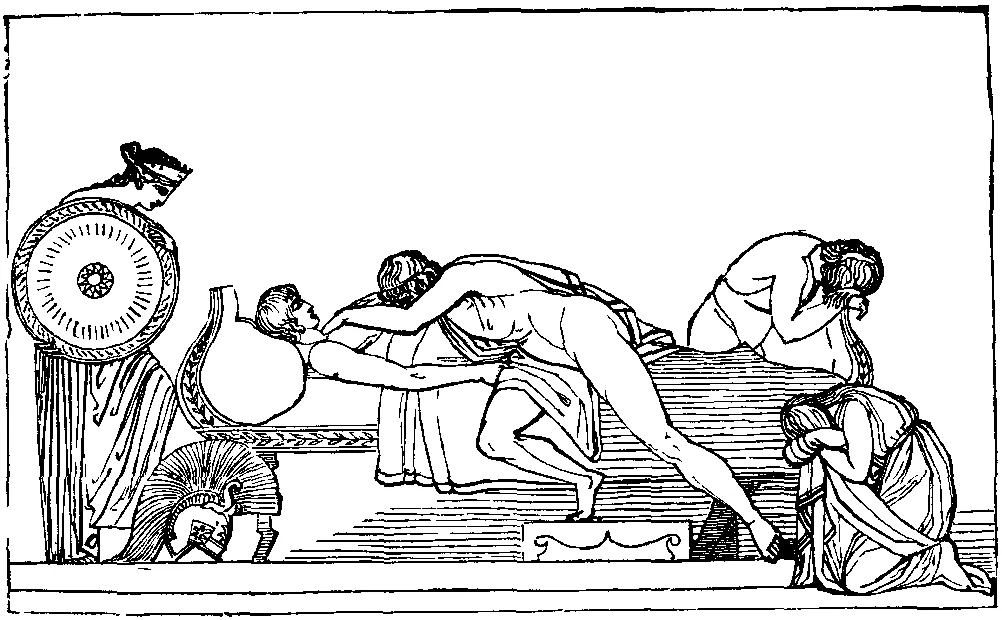
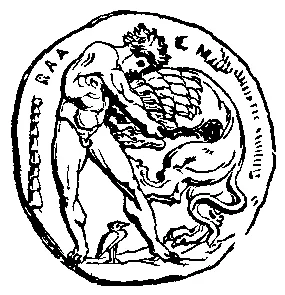
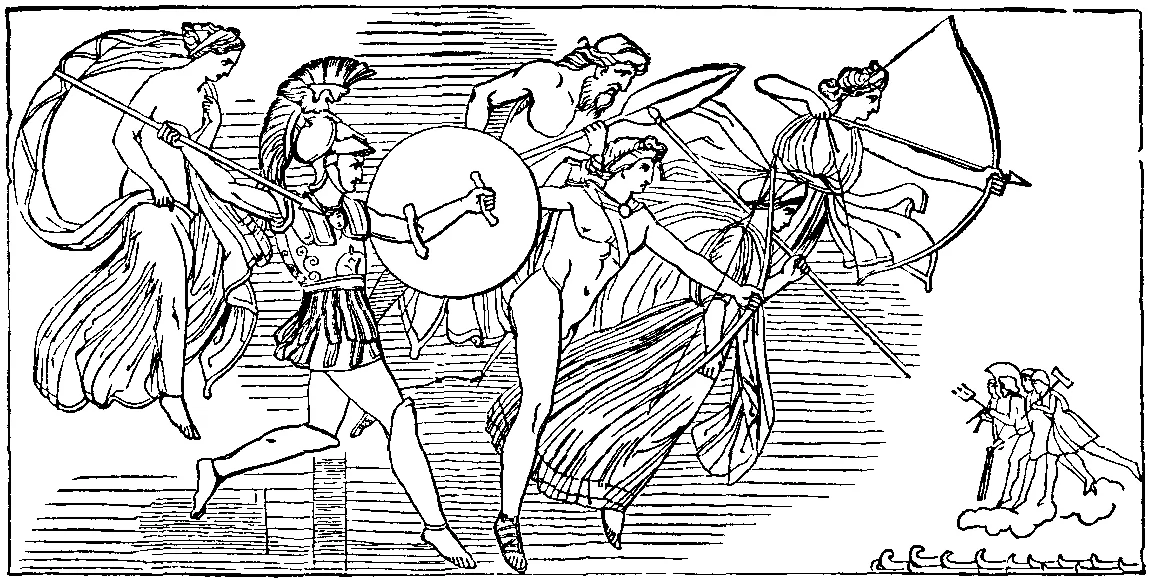
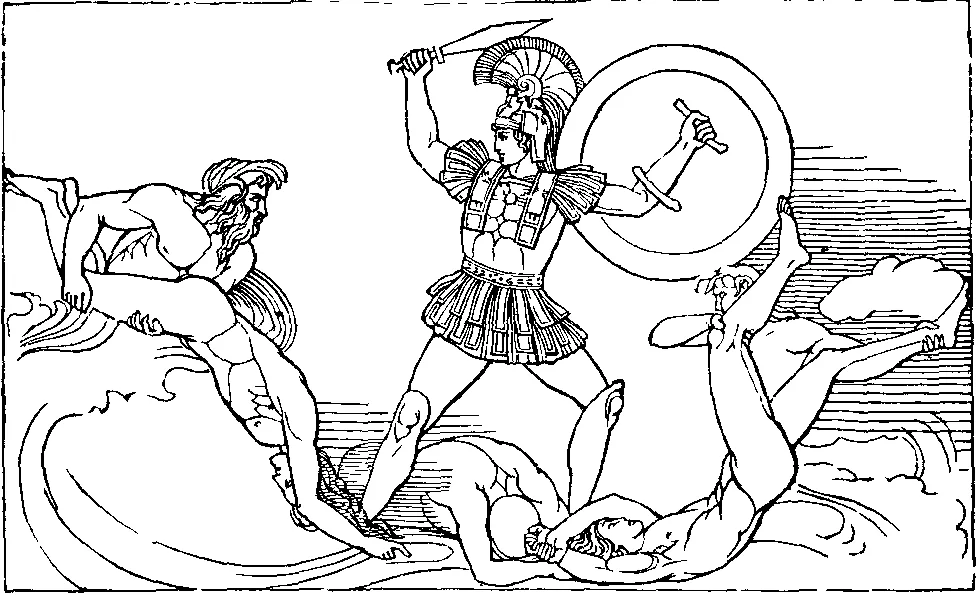
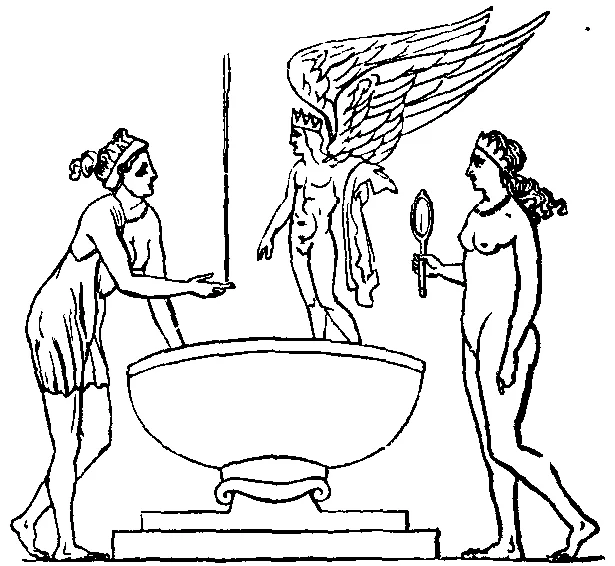
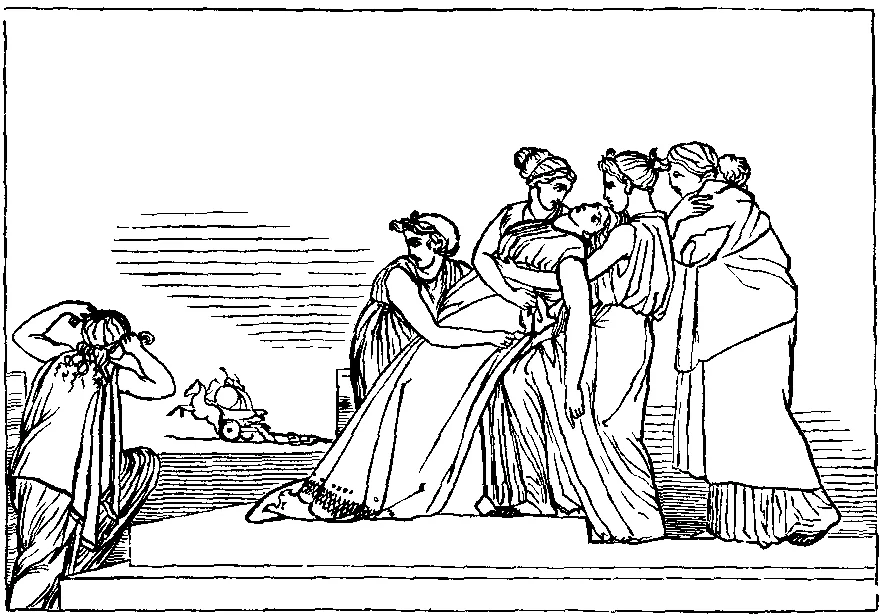
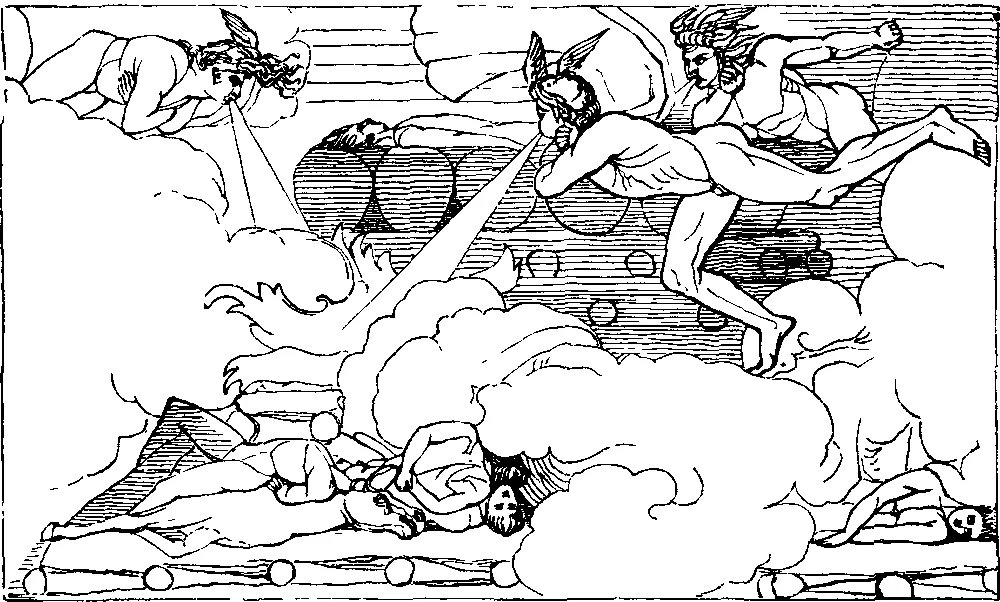
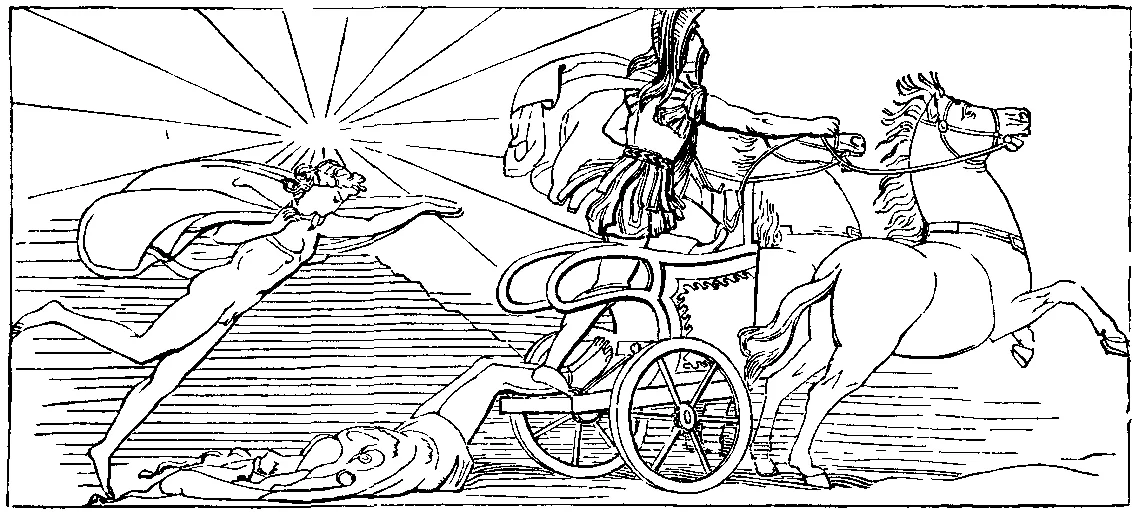
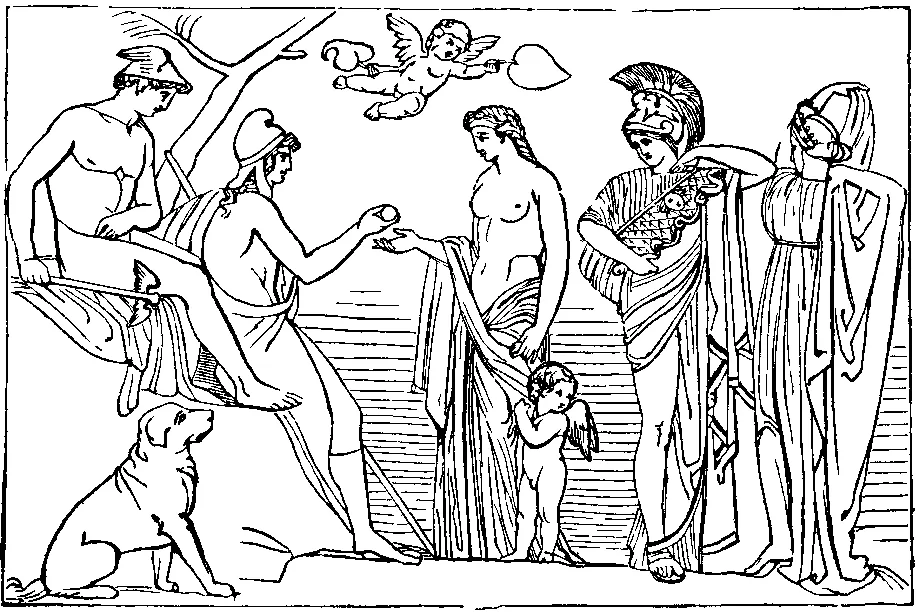
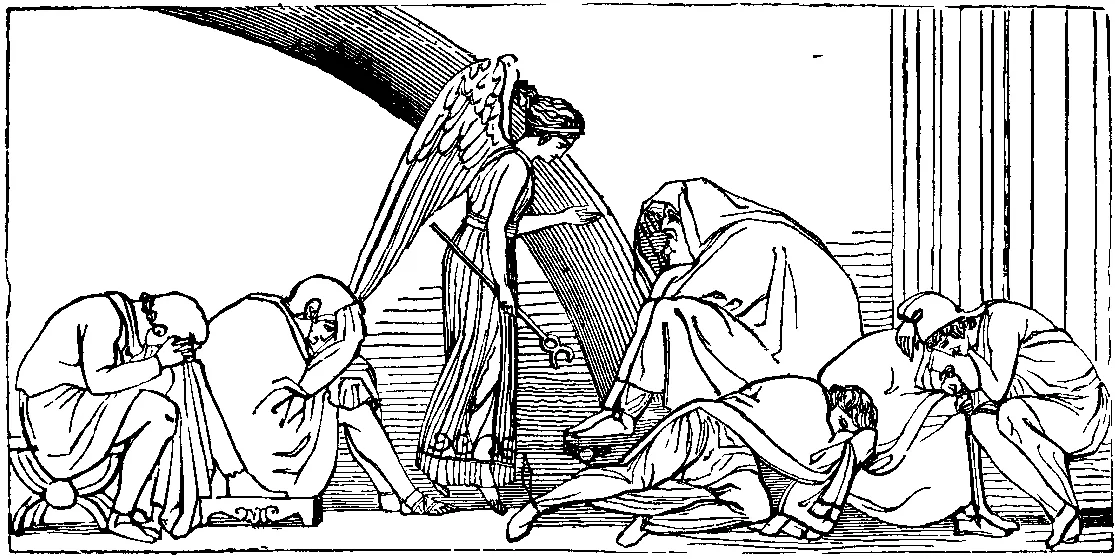
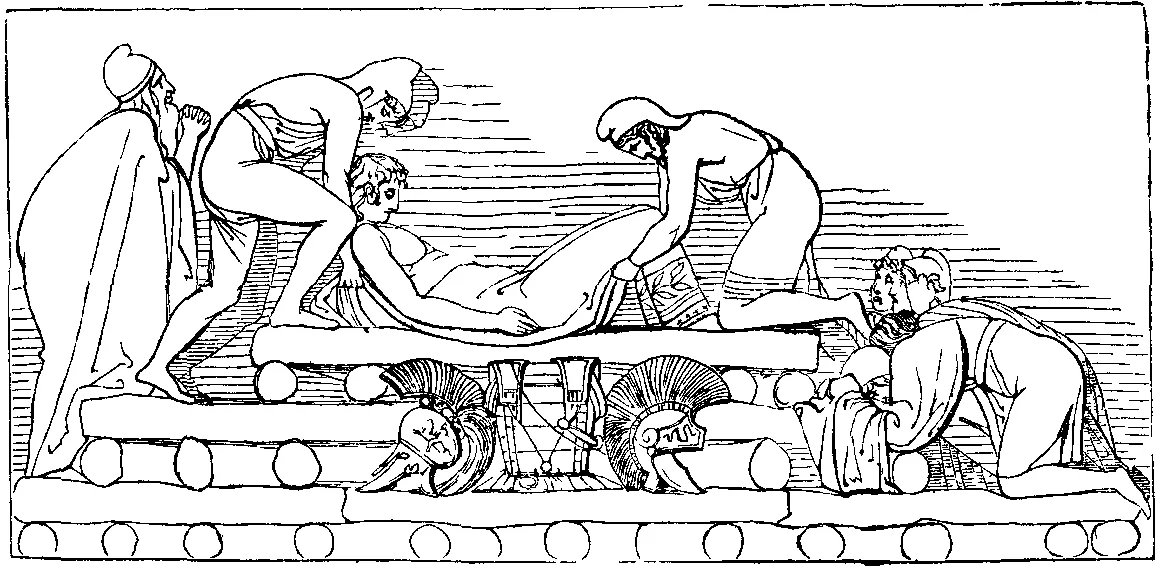
Features illustrations by Flaxman that enhance the understanding of the text
Provides notes and commentary by Theodore Alois Buckley for deeper analysis
This link leads to an external site. We do not know or endorse its content, and are not responsible for its safety. Click the link to proceed only if you trust this site.
The Confessions of Saint Augustine – Translated by E. B. PuseyBook
PDF
The Odyssey by Homer Translated by Emily Wilson
PDFBook
Napoleon Hill – Think and Grow RichBook
PDFBook
The AlchemistBook
PDFBook
The 48 Laws of Power – Robert GreeneBook
PDFBook
Rich Dad, Poor Dad by Robert T. KiyosakiBook
PDFBook
The Art of War – Sun TzuBook
PDFBook
Three Short Novels: Glenfell, Andrew of Padua, The OmenBook
PDFBook
Grandma’s Bag of Stories by Sudha MurtyBook
FAQs
What is the significance of Achilles in The Iliad?
Achilles is a central character in The Iliad, representing the theme of heroism and the consequences of pride. His wrath is the catalyst for much of the poem's action, particularly following the dishonor he feels when Agamemnon takes Briseis, his war prize. This conflict sets off a chain of events that leads to significant losses on both sides of the Trojan War, illustrating how personal grievances can have widespread consequences in the context of war.
How does Homer portray the gods in The Iliad?
In The Iliad, the gods are depicted as powerful yet capricious beings who frequently intervene in human affairs. They take sides in the conflict between the Greeks and Trojans, influencing the outcomes of battles and the fates of key characters. For instance, Juno and Minerva support the Greeks, while Venus favors the Trojans, showcasing the gods' personal biases and the chaotic nature of divine intervention in mortal lives.
What role does fate play in The Iliad?
Fate is a crucial theme in The Iliad, often portrayed as an unavoidable force that governs the lives of both mortals and gods. Characters frequently acknowledge their fated outcomes, suggesting that despite their efforts and desires, they are ultimately subject to a predetermined destiny. This interplay between individual choice and fate raises questions about free will and the nature of heroism within the context of the epic.
What is the relationship between Hector and Achilles?
The relationship between Hector and Achilles is complex and pivotal in The Iliad. Hector, the Trojan prince, represents duty and honor, fighting to defend his city and family. In contrast, Achilles embodies personal glory and rage, particularly after the death of his close friend Patroclus at Hector's hands. Their fated confrontation ultimately highlights the tragic nature of war, where personal vendettas overshadow the broader implications of their actions.
What themes are explored in the funeral of Hector?
The funeral of Hector in The Iliad explores themes of honor, grief, and the human cost of war. Hector's death signifies not only the loss of a great warrior but also the deep sorrow experienced by his family and the Trojans. The rituals surrounding his burial reflect the importance of honor in Greek culture, as well as the enduring pain of loss that accompanies the cycle of violence in the epic.
How does The Iliad address the concept of honor?
Honor is a central concept in The Iliad, influencing the actions and motivations of characters throughout the epic. Warriors like Achilles and Hector are driven by a desire to achieve glory and respect on the battlefield. The pursuit of honor often leads to conflict, as characters navigate personal pride, societal expectations, and the consequences of their choices in the context of war.
What is the significance of the character Patroclus in The Iliad?
Patroclus serves as a crucial figure in The Iliad, representing loyalty and the deep bonds of friendship, particularly with Achilles. His death is a turning point in the narrative, igniting Achilles' rage and leading to his return to battle. Patroclus' character highlights themes of love, loss, and the impact of personal relationships on the larger events of the Trojan War.