

Access an extensive, community-driven library of cell biology PDFs, organelle function diagrams, mitotic cell cycle worksheets, and signal transduction study guides on Chesser Resources. We provide a centralized, 100% free-to-read hub for biological study material, featuring over 300,000 documents across the sciences. This dedicated collection tracks the fundamental unit of life—the cell—ranging from the microscopic precision of the cytoskeleton and nuclear transport to the macro-level complexity of cell division, energetic homeostasis, and extracellular signaling. Whether you are troubleshooting the stages of mitosis, mapping the concentration gradients across the plasma membrane, or preparing for an advanced university cytology exam, our browser-based reader, AI summaries, and Ask-AI tools provide instant, deep-dive clarity.
Cell Biology (Cytology) is the study of the structure, function, and behavior of cells, which are the basic units of all living organisms. Far from static structures, cells are dynamic, self-regulating entities that organize themselves into complex tissues. The field branches into three fundamental frameworks: Structural Cytology (the anatomy of organelles like the nucleus, mitochondria, ribosomes, and endoplasmic reticulum), Cellular Physiology (the kinetics of membrane transport, bioenergetics, and metabolic pathways), and Molecular Regulation (cell signaling, gene expression, and the cell cycle). Studying cell biology builds advanced competencies in molecular visualization, metabolic modeling, and clinical diagnostic reasoning—skills foundational to every career in medicine, biotechnology, genetics, and pharmaceutical research.
Our library hosts a vast array of student-shared lab reports, pathway maps, and comprehensive review packages organized for deep study:
Organelle Architecture: Find high-yield organelle function diagrams detailing the compartmentalization of the endomembrane system.
Cell Comparison: Access eukaryotic vs. prokaryotic cell worksheets highlighting the evolutionary divergence in structural complexity.
Membrane Dynamics: Download functional membrane transport mechanism guides analyzing passive diffusion, facilitated transport, and active ATP-driven pumps.
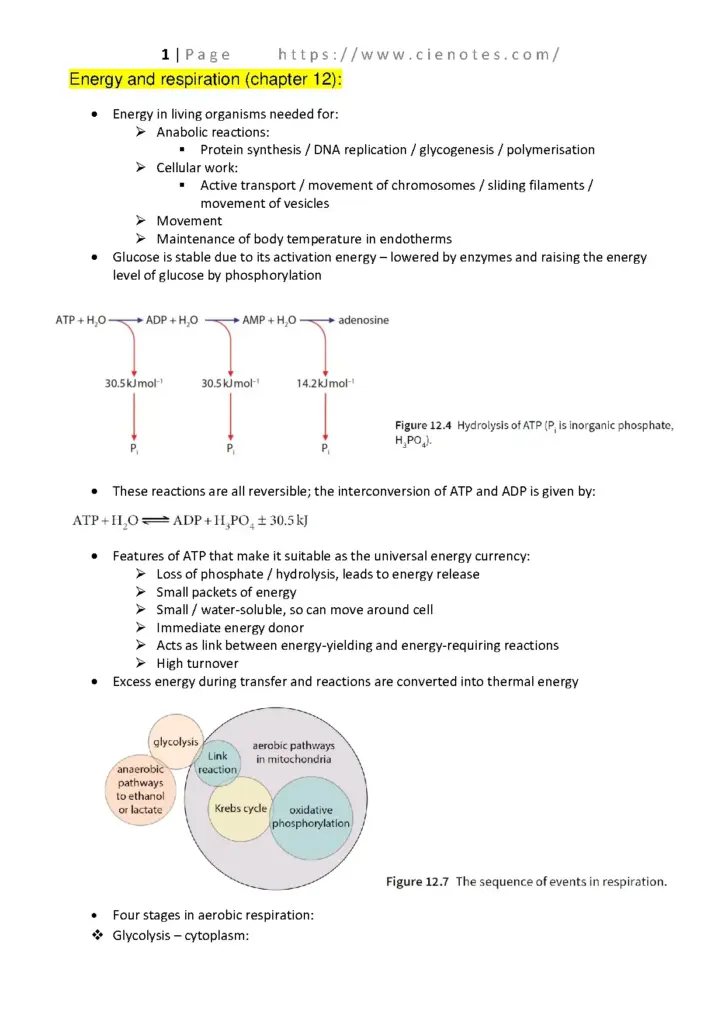
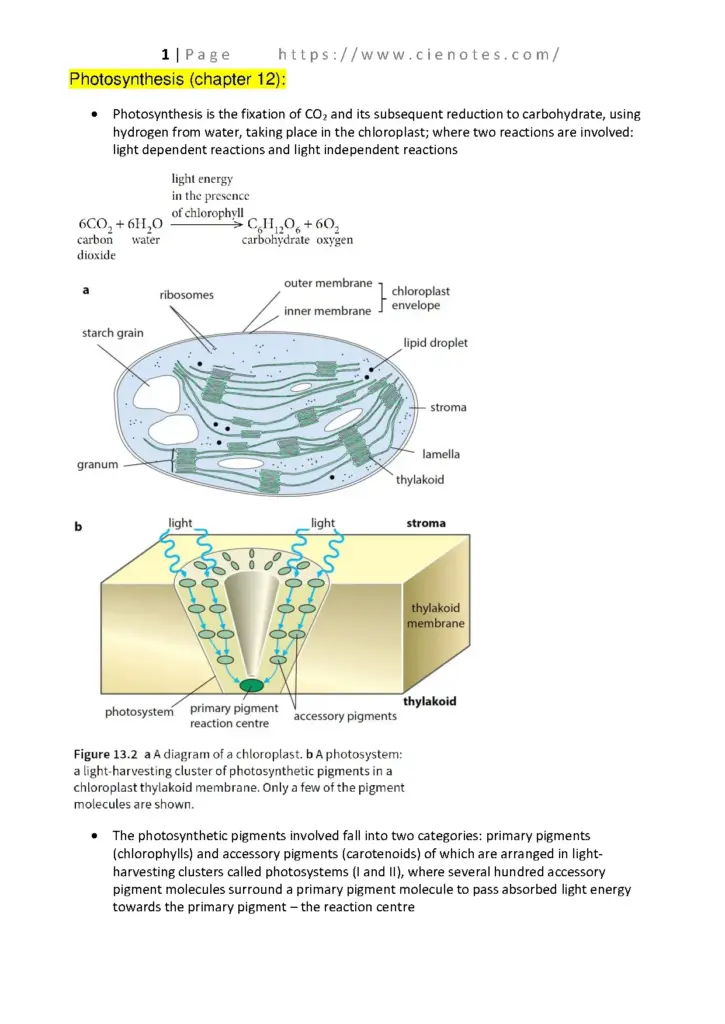
Bioenergetics: Browse cellular respiration and photosynthesis charts mapping the metabolic flow from glucose and light to ATP.
The Cell Cycle: Access cell cycle and mitosis PDFs tracking the checkpoints (G1/S, G2/M) and stages of nuclear division.
Signaling: Browse dossiers on signal transduction pathways (GPCRs, RTKs, and second messengers) that govern cellular response to environmental cues.
| Cellular Variable | Definition | Functional Significance |
|---|---|---|
| Water Potential (Ψ) | Chemical potential of water in the cell | Determines osmotic movement (tonicity) |
| Vmax (Transport) | Maximum rate of membrane transporter activity | Indicates carrier saturation density |
| Mitotic Index | Ratio of dividing cells to total cells | Measure of tissue proliferation rate |
| Signal Amplification | Multiplier effect of kinase cascades | Ensures rapid, robust cellular responses |
The endomembrane system is a coordinated network of organelles—including the nuclear envelope, endoplasmic reticulum (ER), Golgi apparatus, and lysosomes—that work together to synthesize, modify, package, and transport proteins and lipids. Without this “manufacturing and shipping” pipeline, the cell would be unable to produce the extracellular enzymes, membrane receptors, or structural proteins required to sustain life and communicate with the outside environment.
Cells use a complex system of internal checkpoints regulated by proteins called cyclins and cyclin-dependent kinases (CDKs). During the G1, G2, and M phases, the cell monitors its own DNA integrity, nutrient status, and size. If the environment is unfavorable or if DNA is damaged, these proteins halt the cycle, preventing the division of potentially cancerous or non-functional cells.
Passive transport (diffusion, facilitated diffusion) moves molecules down their concentration gradient, requiring no input of cellular energy. Active transport (pumps like the Na+/K+ ATPase) moves molecules against their gradient, requiring the hydrolysis of ATP. This distinction is the engine of cellular life: active transport creates the electrical and chemical gradients necessary for life, while passive transport allows the cell to use that stored energy for work.
Chesser Resources is a free, open library of study and research material designed to democratize access to academic success. We host over 300,000+ documents—including textbooks, lecture notes, research papers, and study guides—across every subject imaginable. We believe students shouldn’t have to navigate paywalls or blurry preview pages just to get the information they need to learn.
Everything on Chesser Resources is free to read and search in your browser. We’ve built in powerful, free tools to help you actually learn from the material: AI summaries for fast comprehension, an Ask-AI chatbot to answer specific questions about your document, highlighting and annotation tools, and even read-aloud audio. Our platform is kept free by the community; by contributing your own notes or sharing content, you earn credits that unlock document downloads and prints, ensuring the library remains a high-performance, open-access resource for students everywhere.
Ready to dive into cell biology study guides or mitosis PDFs? You don’t need to sign up to start learning. Browse our library, use our AI tools to summarize complex cytological pathways, and contribute your own notes to help the student community grow.
Browse the Library | Upload & Earn Credits