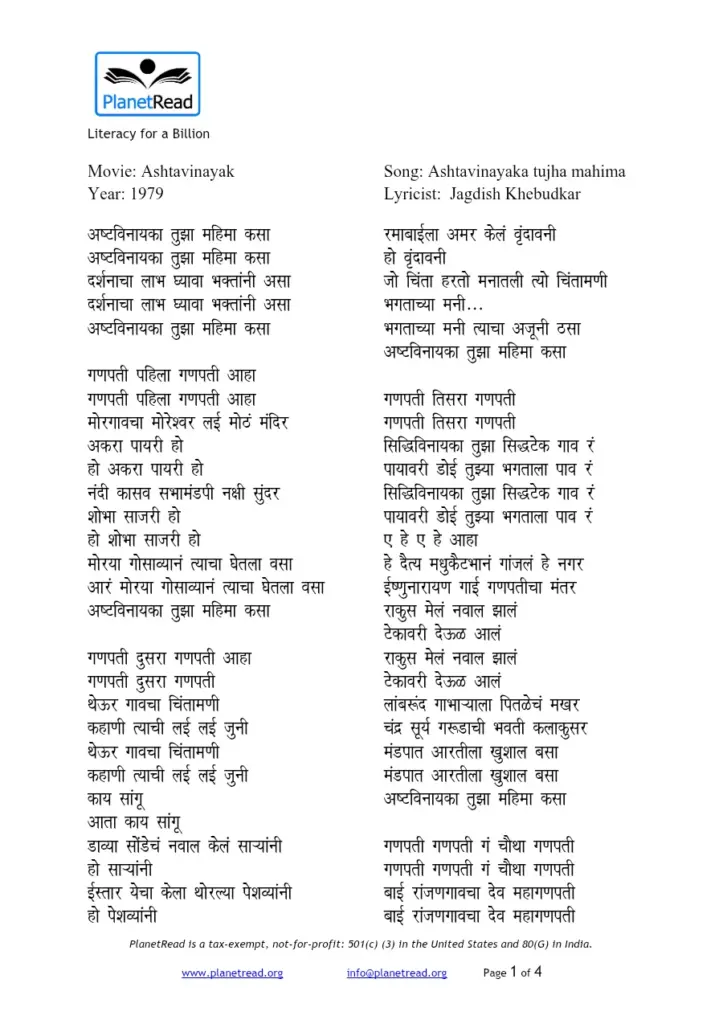


Access an extensive, community-driven archive of song lyrics study guides, structural verse blueprints, poetic device analysis matrices, and lyric transcription worksheets curated to maximize your academic grades and musical analysis skills. This dedicated resource library tracks the poetic, narrative, and formal design of verbal text within musical contexts—ranging from traditional folk ballads and theatrical librettos to contemporary pop hook construction and hip-hop metric structures. Whether you are conducting a thematic critique of an album’s narrative arc, tracking prosody between words and rhythm, or preparing for a university commercial musicology test bank, these files give you instant, downloadable clarity.
The academic study of Song Lyrics blends literary criticism, poetry analysis, cultural studies, and musical prosody (the way text rhythmically aligns with melody). Far more than simple textual transcription, this discipline evaluates lyrics as a specialized literary form designed to be heard and felt through time rather than read silently on a page. Students investigate the formal mechanics of song construction, analyzing how macrostructures like the verse-chorus-bridge format create psychological tension and emotional release. The field demands close attention to poetic devices—including assonance, consonance, extended metaphor, and complex rhyme scheme layouts—alongside sociolinguistic factors like identity expression, political subtext, and historical narrative preservation. Studying song lyrics builds advanced competencies in close reading, structural text parsing, narrative thematic tracing, and phonetic rhythmic design—skills heavily utilized in professional songwriting, media analysis, music journalism, creative writing, and advanced musicological scholarship.
Our collaborative document network hosts student-shared textual markups, structural blueprints, and thematic review packages organized across the core disciplines of lyrical analysis:
The AAA & AABA Forms: Download lecture outlines analyzing strophic and standard pre-rock era song formats, tracking how repetitive narrative patterns anchor listener engagement.
The Verse-Chorus Matrix: Access specialized pop song structure templates that break down the dynamic and emotional transition points between expository verses, building pre-choruses, explosive choruses, and contrasting bridges.
The Hook & Refrain: Review analysis logs tracing short, high-retention melodic-textual phrases engineered specifically for peak commercial memorability and radio play.
Rhythmic Alignment Guides: Download analytical notes detailing the mechanics of prosody—the structural marriage of word accents with primary musical downbeats to ensure semantic naturalness.
Rhyme Scheme Matrices: Access comprehensive rhyme scheme breakdown matrices mapping masculine, feminine, slant (perfectly imperfect), internal, and multi-syllabic mosaic rhymes across diverse genres.
Metrical Flow Maps: Study student-shared logs mapping rhythmic syllable delivery within hip-hop and spoken-word traditions, tracing internal beat subdivisions and syncopated speech patterns.
Device Identification Packs: Download high-yield poetic devices in songwriting notes detailing how metaphors, allegories, personification, and double entendres are deployed within iconic discographies.
Point of View Trackers: Access narrative perspective lyric sheets breaking down the dramatic difference between first-person intimate confessions, second-person direct addresses, and third-person objective storytelling.
When analyzing the architectural form of a standard contemporary lyrical layout, tracking line pairings and rhyme schemes provides a clear visual map of structural tension. The index below details standard formal varieties:
| Lyrical Section Class | Core Narrative / Structural Function | Common Metric Layout Profile | Typical Rhyme Distribution Example |
| Verse | Introduces the story, settings, and characters; changes text content upon repetition | Strophic, multi-line narrative blocks | $ABAB$ or $AABB$ alternating structures |
| Pre-Chorus | Builds harmonic and dynamic tension; bridges the verse to the main hook | Short, ascending melodic phrases | $CC$ or $CDCD$ transitional layouts |
| Chorus | Delivers the core thematic message and primary hook; remains textually identical | High-density, repetitive vocal themes | $AAAA$ or $AABB$ high-retention schemes |
| Bridge | Provides a sharp lyrical, melodic, and emotional contrast; shifts narrative perspective | Single, brief standalone departure statement | $EE$ or completely unrhymed open forms |
This section addresses the most frequently searched textual problems, keyword-targeted analysis prompts, and foundational lyric design questions sourced from university commercial music test banks.
Musical prosody is the structural compatibility and harmony between the literal meaning of the lyrics, the rhythmic delivery of the words, and the emotional tone of the accompanying music. In high-quality songwriting, the music and words work toward the exact same emotional goal. For example, if a lyric describes a feeling of rising panic or climbing a hill, the melody might ascend in pitch while the rhythm accelerates. Conversely, setting joyful, celebratory lyrics to a slow, depressing minor-key progression—or placing the natural unaccented syllable of a word on a heavy musical downbeat—creates severe structural friction that can disorient the listener.
Analyzing the rhyme architecture of complex hip-hop lyrics requires looking far beyond basic end-rhymes (words at the end of a line). Analysts utilize multi-colored highlighting arrays to track internal rhyming blocks and multi-syllabic assonance structures (matching vowel sounds across multiple words regardless of consonants). The analysis maps out how the artist stacks accents across lines, calculating structural patterns like mosaic rhymes (e.g., matching “orange juice” with “door hinge loose”) and tracing how these vowel strings align with the underlying 16-bar drum grid and off-beat syncopations.
While often used interchangeably in casual conversation, these terms represent distinct structural devices. A chorus is a substantial, independent, and self-contained section of a song that features a consistent lyric and melody across repetitions, typically utilizing a thicker musical texture than the surrounding verses. A refrain, conversely, is a much shorter line or phrase (often containing the song title) that sits nested within a verse—typically appearing at the very beginning or the final line of a strophic block (such as the line “The answer, my friend, is blowin’ in the wind”).
Songwriters manipulate line lengths and syllable counts to alter the pacing and psychological tension of a song. Continuous blocks of long, identical-length lines establish a stable, driving, or predictable narrative flow. To shatter this predictability and signal a structural shift (such as transitioning from a verse to a pre-chorus), a writer will abruptly deploy a dramatically short line. This sudden truncation cuts the rhythm short, leaving empty space or forcing a rapid melodic pause, which instantly alerts the listener’s brain that a major musical resolution or chorus hook is arriving.
Yes. Tracing narrative perspectives, identifying hidden allegories, and mapping chord-lyric boundaries are standard tasks for music and literature students alike. Our global user network frequently uploads marked-up textual grids, downloadable lyric analysis sheets, and creative arrangement notes to help you streamline your revision before project submission dates.
Every rhyme matrix, verse layout template, and poetic device breakdown across our text indexes is maintained by a global network of students, writers, and analysts who believe in decentralized, open educational tools. To see how these verbal frameworks intersect with broader sheet music layouts, creative composition methods, or historical eras, return to our primary Chesser Resources Browse Directory.
Ready to download premium lyric analysis sheets or pop song structure templates? Join our shared academic network: navigate to your user dashboard, upload 5 of your own structural outlines, lyric transcriptions, or literary analysis essays, and instantly secure unrestricted access to the high-yield PDFs you need to maximize your grades today.