

Access an extensive, community-driven archive of printable sheet music sheets, blank staff paper templates, historical manuscripts, and score reading study guides curated to maximize your academic grades and real-world performance literacy. This dedicated resource library tracks the physical, structural, and typographical architecture of musical notation—spanning early vocal parts, complete orchestral conductor scores, modern lead sheets, and complex solo instrument engravings. Whether you are formatting an ensemble layout for publishing, training your sight-reading fluidly, or searching for university music literacy test banks, these files give you instant, downloadable clarity.
The academic and practical study of Sheet Music encompasses musical paleography, score notation typography, part preparation, and sight-reading methodology. Far from a simple graphic layout, sheet music is the spatial and mathematical codification of acoustic data over time. This discipline studies how musical properties—including absolute pitches, rhythmic durational values, micro-dynamic steps, and expressive articulatory commands—are visually mapped onto a standard five-line staff system. Students investigate the rules of modern notation typography, exploring how variables like stem direction, note-beaming intervals, measure spacing, and page-turn layouts directly affect a performer’s cognitive processing speed. Studying this subject builds high-level proficiencies in real-time graphic translation, multi-clef reading, transposing logic, and print engraving formatting—skills heavily relied upon by orchestral librarians, professional copyists, session musicians, software developers, and academic music editors.
Our collaborative document network hosts student-shared notation blueprints, reading exercises, and manuscript templates organized across the critical branches of sheet music literacy:
Foundational Staff Layouts: Download high-resolution blank staff paper templates configured for single-line melodies, dual-staff piano systems (grand staff), and multi-part choral and orchestral arrangements.
Lead Sheets & Jazz Frameworks: Access clean music reading chord charts and lead sheets tracking essential melody lines paired with standardized chord symbols for improvisational rhythm sections.
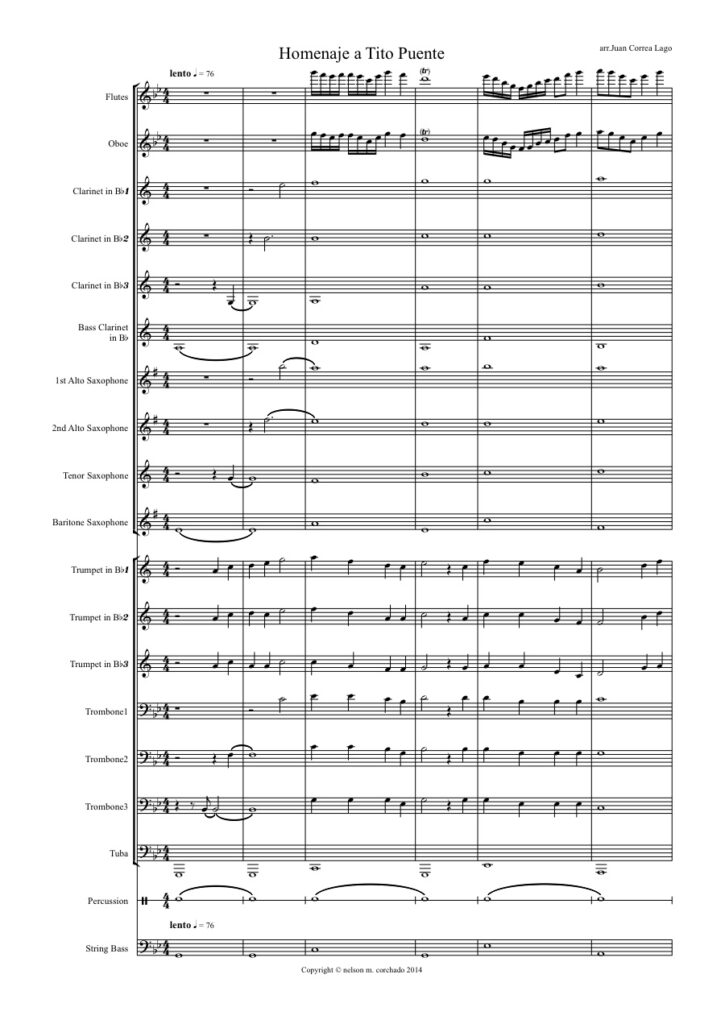
Ensemble Scoring Formats: Download score notation layout guides detailing the correct vertical stacking sequences and margin guidelines for full orchestral, concert band, and big band publications.
Aural-Visual Synchronization: Access targeted sight reading practice materials meticulously graded across structural tiers to help you recognize pitch intervals and complex rhythms at a glance.
Multi-Clef Fluency Maturation: Download reading packets focused on shifting fluently between Treble, Bass, Alto (viola standard), and Tenor clef structures without interrupting rhythm.
Interval Conversion Indices: Download a comprehensive transposing instruments cheat sheet providing quick formulas for rewriting concert-pitch parts into accurate keys for winds and brass.
Performance Cue Engineering: Review student outlines explaining performance-ready engraving rules, including how to place cues, handle system breaks, and coordinate clean page turns.
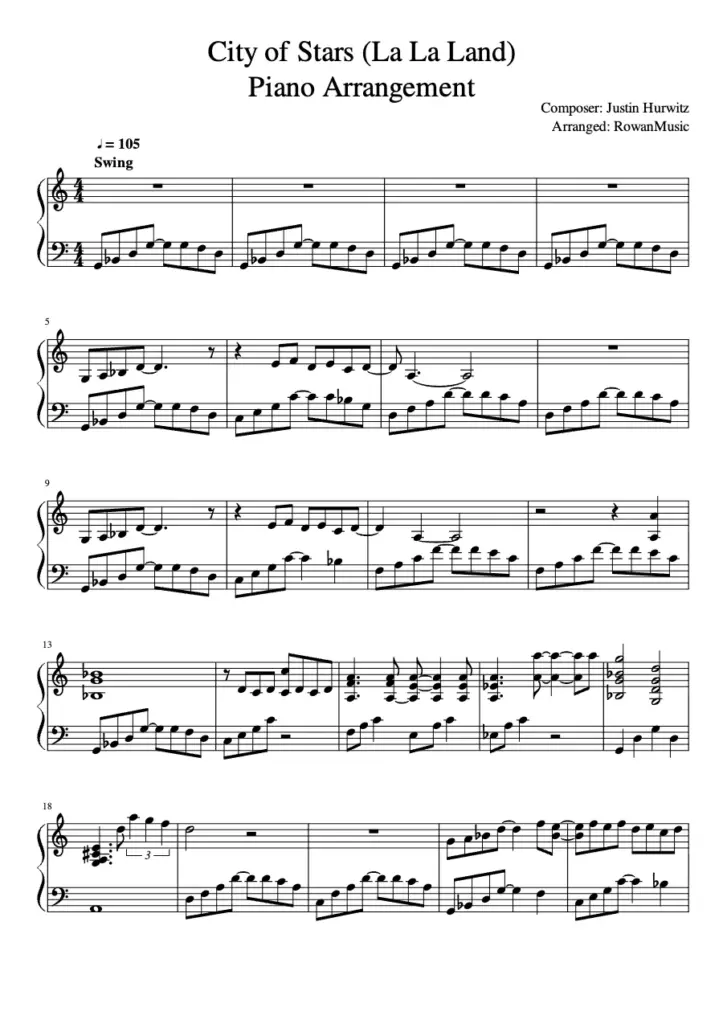
Solo Keyboard Matrices: Access pedagogical piano arrangement manuscripts spanning easy reductions of classical symphonies to note-for-note transcriptions of complex historical pieces.
Vocal-Choral Part Extractions: Download clean vocal score sheets detailing explicit lyric-underlay hyphenation conventions and syllable spacing constraints.
When formatting sheet music for multi-instrument ensembles, understanding the native clefs and directional orientations of individual lines is vital. The index below maps standard notation boundaries:
| Instrument Family Example | Native Clef Typically Deployed | Spatial Clef Reference Point | Standard Stem Direction Default Rules |
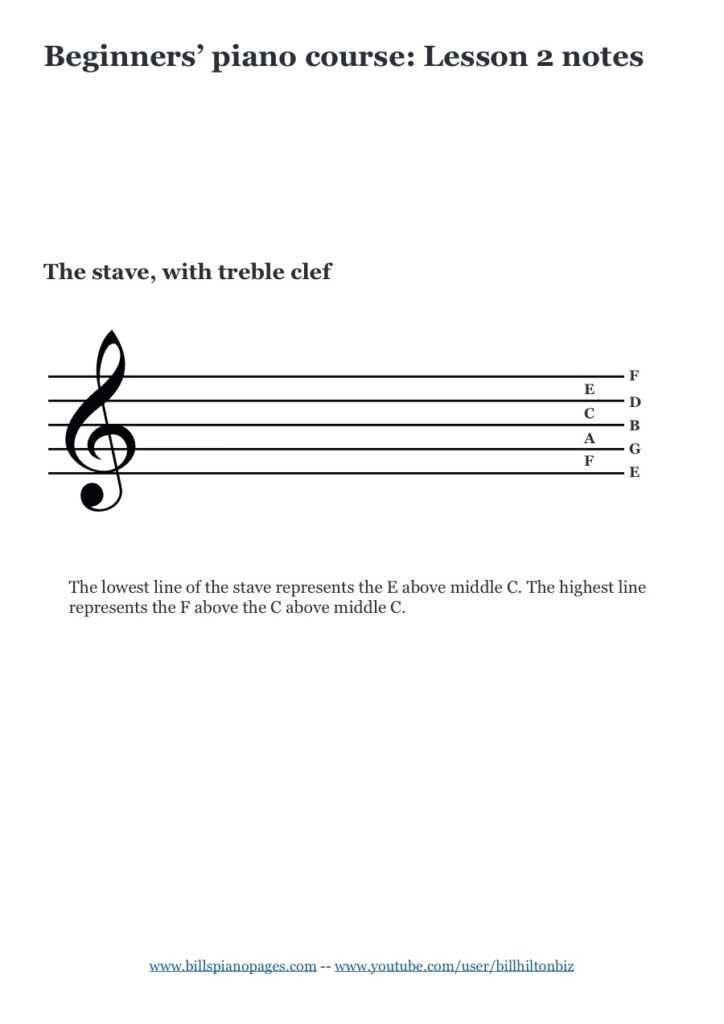
| Flute / Violin / Oboe | Treble (G Clef) | Circles the 2nd line from bottom (G4) | Stem goes down if note is on or above the 3rd line (B4); stem goes up if below |
| Viola | Alto (C Clef) | Places Middle C on the 3rd line | Stem goes down if note is on or above the 3rd line (C4); stem goes up if below |
| Cello / Bassoon / Trombone | Bass (F Clef) | Upper dots sandwich the 4th line (F3) | Stem goes down if note is on or above the 3rd line (D3); stem goes up if below |
| Piano / Harp | Grand Staff (Treble + Bass stacked) | Braced together vertically on left margin | Follows individual clef conventions; inner voices can be flipped to emphasize lines |
This section addresses the most frequently searched notation issues, keyword-targeted part preparation prompts, and foundational reading questions sourced from university conservatory test banks.
Transposition is a practical system designed to minimize cognitive friction for woodwind and brass players when they switch between different-sized instruments within the same family. For example, a clarinetist uses identical fingerings across the $B\flat$ soprano clarinet and the $A$ clarinet. If both instruments read non-transposed concert pitch sheet music, the exact same fingering would sound completely different notes, breaking their auditory muscle memory. By writing transposed sheet music, the composer shifts the notation on the page so that the written note “C” always maps to the exact same physical fingering across all family sizes, leaving the score or software to adjust the pitch offsets automatically.
In standard sheet music engraving, note stem direction is determined by the note’s vertical placement on the five-line staff. If a note head lies below the middle staff line, the stem must point straight up from the right side of the note head. If the note head sits on or above the middle line, the stem must point down from the left side. When notes are connected by horizontal beams, the stem direction is dictated by whichever note head sits furthest from the middle line. Beaming should always visually reflect the underlying metrical beats of the time signature, grouping eighth or sixteenth notes into clean, recognizable pulse blocks rather than random strings.
A jazz lead sheet is a highly condensed architectural map of a tune, compressing the composition down to its absolute bare essentials: the melody line (written out in standard notation) and the chord changes (written out above the staff using alphabetic chord symbols like $C\Delta^7$ or $G^7\sharp^9$). Unlike a fully realized classical score, a lead sheet does not dictate the exact notes the rhythm section must play. The pianist or guitarist reads the chord symbols to improvise their own voicings (comping), the bassist interprets the symbols to construct a walking bass line, and the soloists navigate the chords to improvise entirely new melodic pathways while tracking the overall structure.
A Conductor’s Full Score stacks every single instrument line vertically on a single page, running in a strict, standardized layout from woodwinds at the top to strings at the bottom. This complete bird’s-eye view allows the conductor to visually analyze the entire harmonic, contrapuntal, and rhythmic landscape simultaneously during rehearsals. Conversely, an Instrumental Part extracts only the single specific line belonging to an individual player (e.g., just the Flute 1 line). This part contains enlarged notation, optimized font tracking, explicit multi-measure rests, and calculated page-turn placements so the performer can focus entirely on executing their specific role without being distracted by other ensemble lines.
Yes. Structuring custom orchestral brackets, calculating rhythmic spacing, and designing clean lead sheet layouts are daily routines for musicians and composers. Our global user network frequently uploads blank score configurations, blank staff paper templates, and historical manuscript guidelines to help you streamline your study and preparation workflows before project deadlines.
Every staff template, clef matrix, and engraving guide across our notation indexes is maintained by a global network of students, librarians, and copyists who believe in decentralized, open educational tools. To see how these visual score architectures map onto analytical systems, historical timelines, or creative processes, return to our primary Chesser Resources Browse Directory.
Ready to download premium printable sheet music sheets or blank staff paper templates? Join our shared academic network: navigate to your user dashboard, upload 5 of your own score transcriptions, reading handouts, or arrangement files, and instantly secure unrestricted access to the high-yield PDFs you need to maximize your grades today.