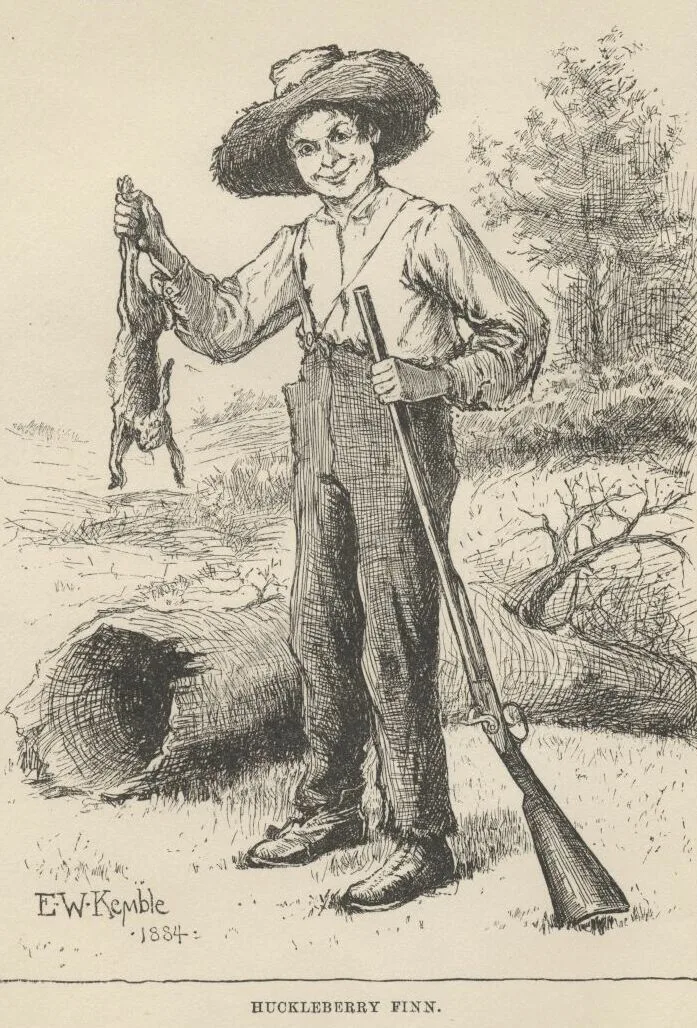
Adventures of Huckleberry Finn follows the journey of Huck Finn, a young boy who escapes his abusive father and embarks on a raft journey down the Mississippi River with Jim, an escaped slave. This novel by Mark Twain explores themes of friendship, freedom, and the moral dilemmas of society in the pre-Civil War South. The story is set against the backdrop of the American South, highlighting the social issues of the time, including racism and the struggle for identity. Readers will find rich character development and a narrative that challenges societal norms, making it a staple in American literature classes. Ideal for students and literature enthusiasts, this classic novel provides insight into the complexities of human nature and the quest for freedom.

Key Points

  • Explores themes of friendship and freedom through Huck and Jim’s journey
  • Set in the pre-Civil War South, addressing social issues like racism
  • Features rich character development and moral dilemmas faced by Huck
  • A staple in American literature, often studied in high school curricula

newtopiccyclegrowin
Author: Mark Twain More by Mark Twain The Adventures of Tom Sawyer by Mark Twain The Adventures of Tom Sawyer by Mark Twain
404 pages
Language:English
Type:Book
newtopiccyclegrowin
Author: Mark Twain More by Mark Twain The Adventures of Tom Sawyer by Mark Twain The Adventures of Tom Sawyer by Mark Twain
404 pages
Language:English
Type:Book
278
/ 404
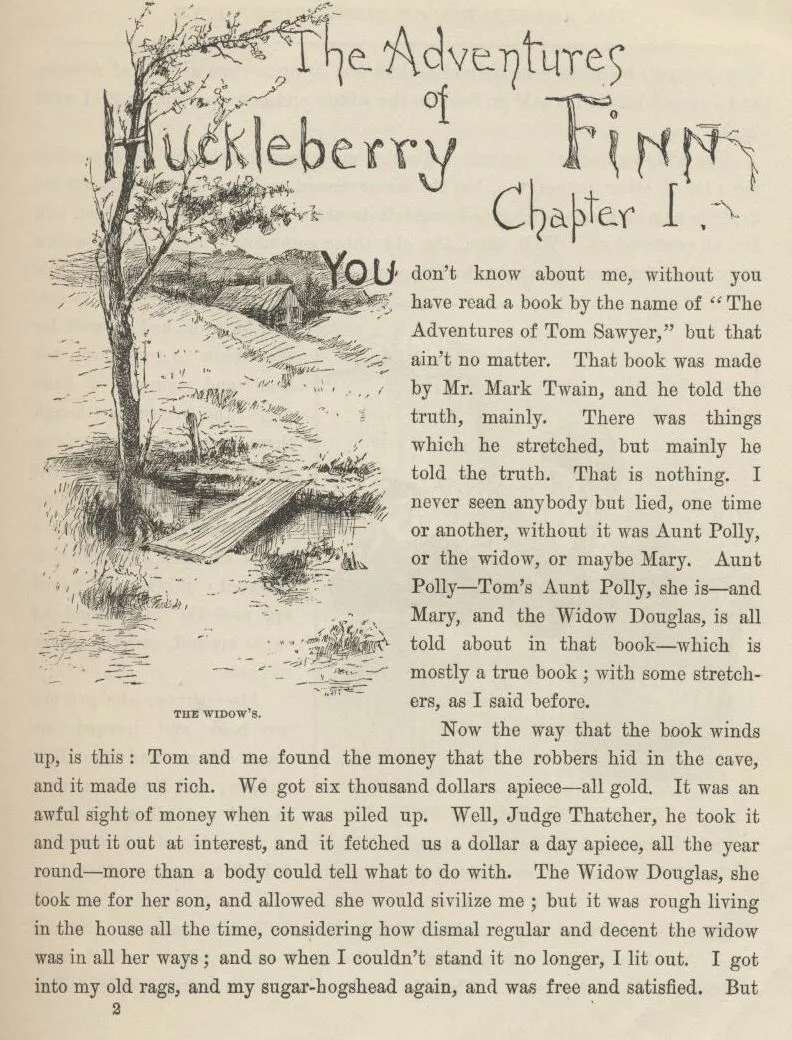
A D V E N T U R E S
O F
H U C K L E B E R RY F I N N
(Tom Sawyers Comrade)
By Mark Twain
/ 404
End of Document
278

FAQs

What is the main conflict in Adventures of Huckleberry Finn?
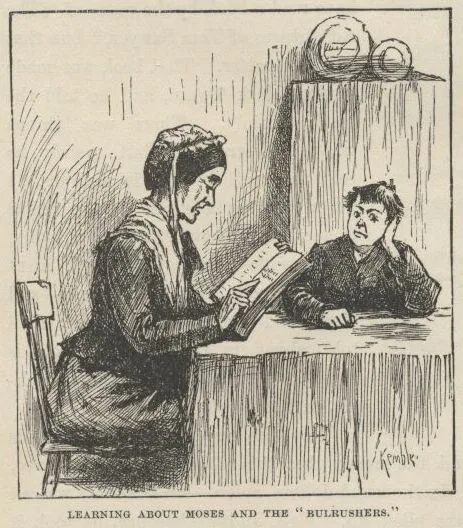
The main conflict in 'Adventures of Huckleberry Finn' revolves around Huck's struggle for freedom and moral growth in a society that condones slavery and racism. Huck Finn, raised in a strict and civilized environment by the Widow Douglas, feels constrained by societal expectations. His friendship with Jim, a runaway slave, further complicates his moral dilemmas as he grapples with the societal norms that dictate he should turn Jim in. This internal conflict drives Huck to seek his own path, ultimately leading him to reject the values of the society he was raised in.
Who are the key characters introduced in Chapter 1?
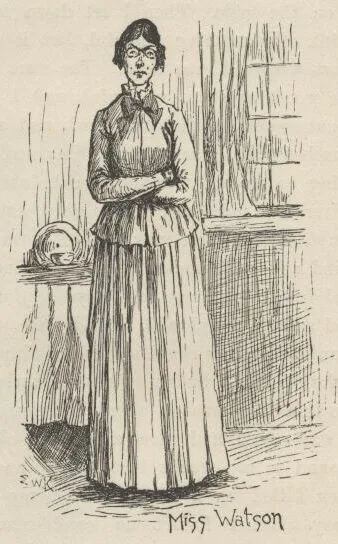
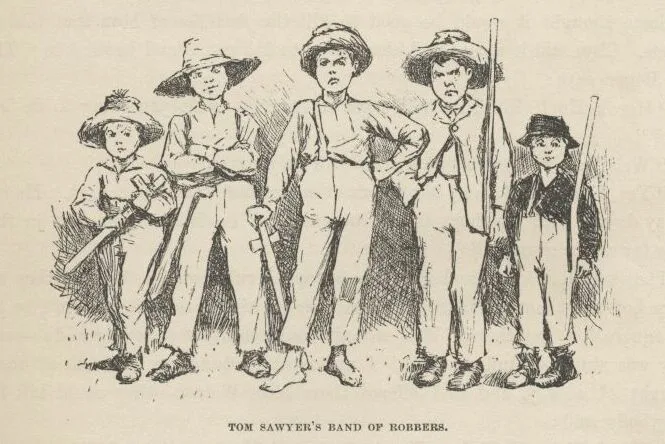
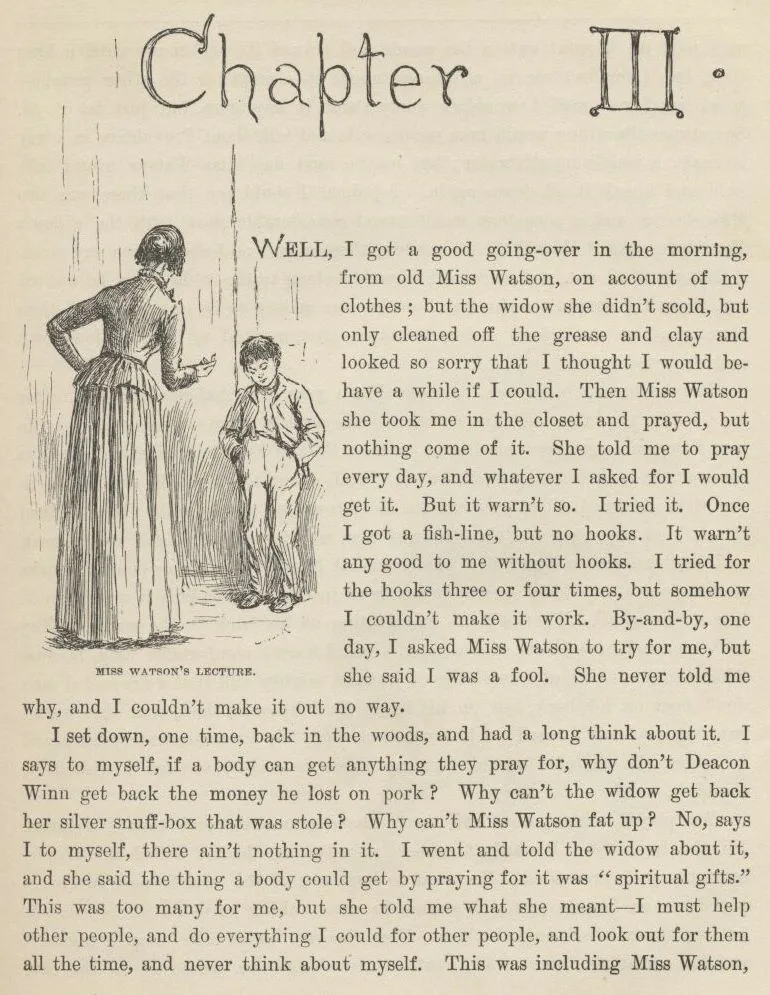
In Chapter 1 of 'Adventures of Huckleberry Finn', key characters introduced include Huck Finn, the narrator, who describes his life and background. Tom Sawyer, Huck's friend, is mentioned as he is involved in a band of robbers. The Widow Douglas, who attempts to 'sivilize' Huck, and Miss Watson, her sister, are also introduced. Huck describes his experiences with these characters and his feelings of confinement under their care, setting the stage for his adventures.
What happens to Huck's father in the story?
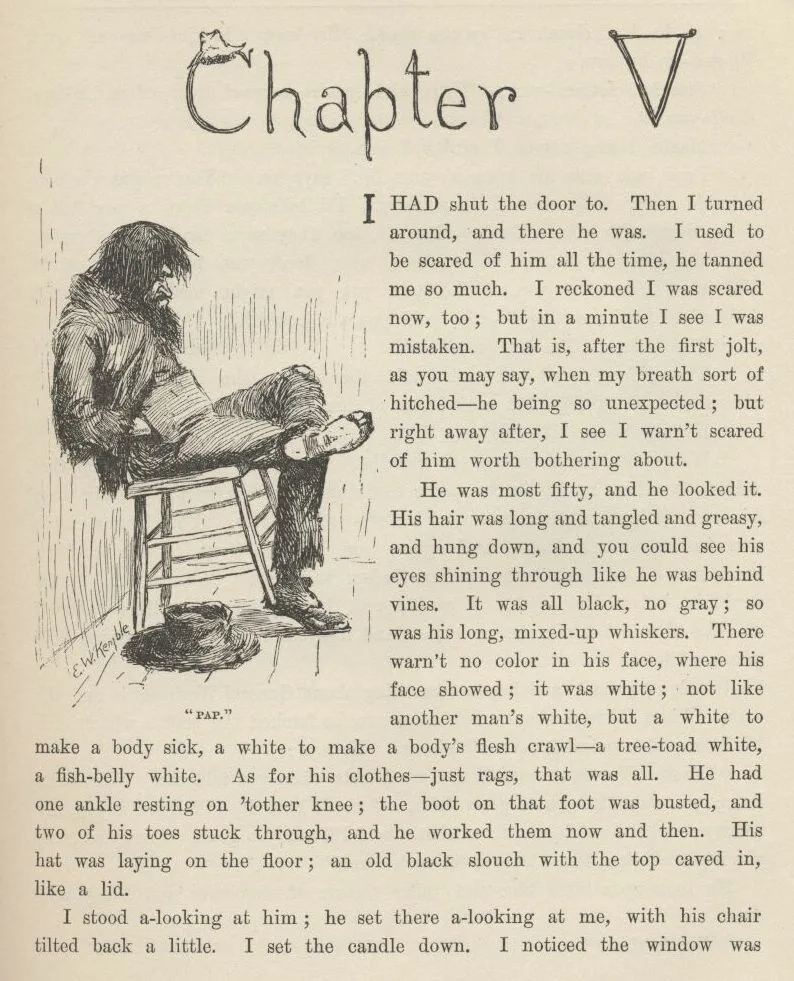
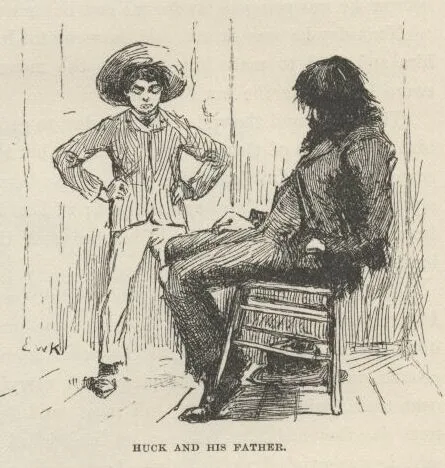
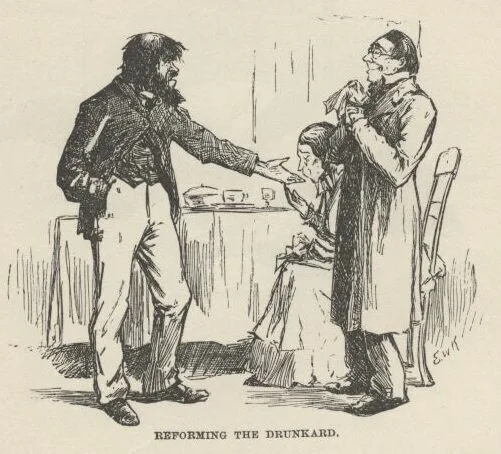
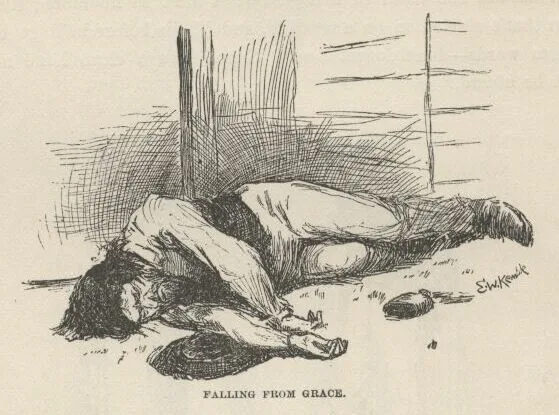
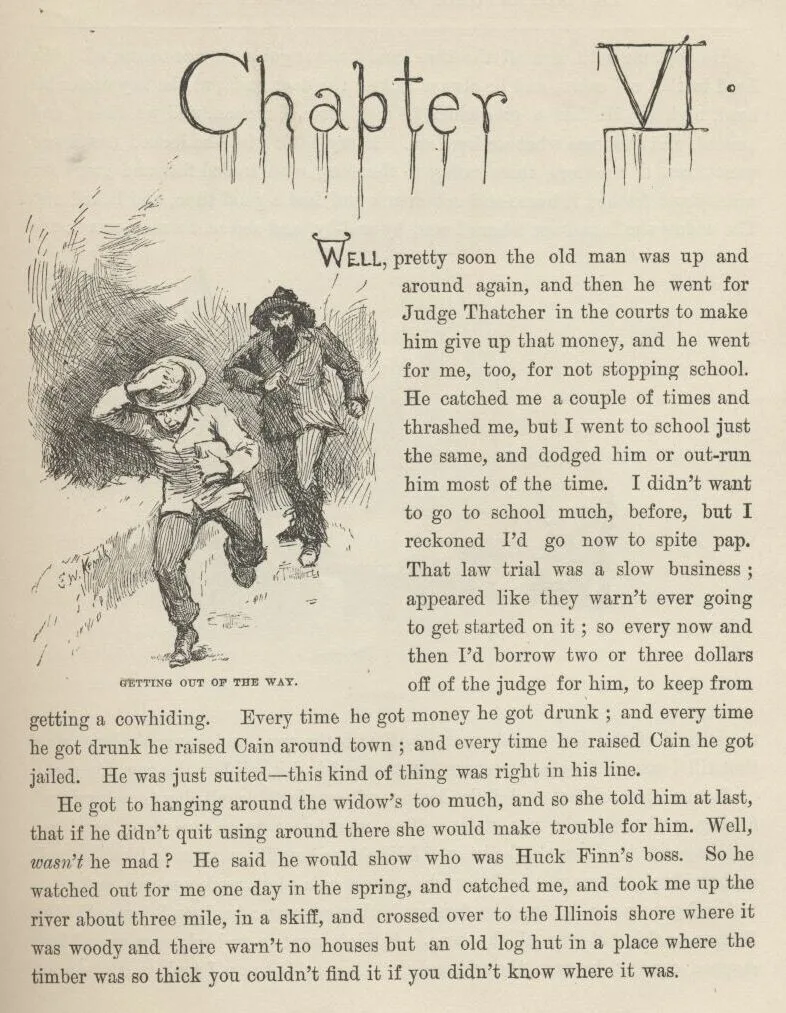
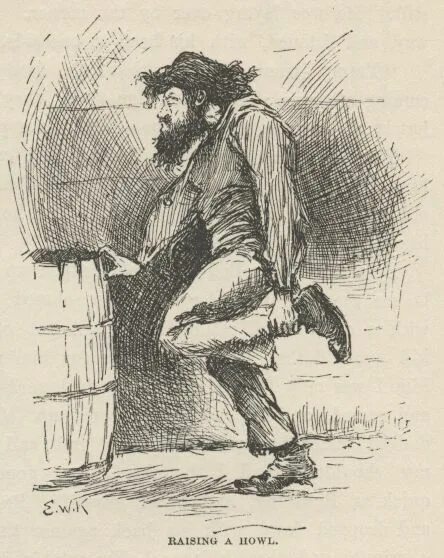
Huck's father, referred to as 'Pap', is a drunkard who returns to Huck's life with the intention of taking Huck's money. In Chapter 5, Huck describes his father's abusive nature and his attempts to reform him. Pap's influence is detrimental, leading Huck to feel the need to escape from his father's control. This relationship highlights the themes of family and the struggle for independence that Huck faces throughout the novel.
How does Huck's view of civilization change throughout the book?
Huck's view of civilization evolves significantly throughout 'Adventures of Huckleberry Finn'. Initially, he feels suffocated by the constraints of civilized life imposed by the Widow Douglas and Miss Watson. However, as he experiences life on the river with Jim, he begins to appreciate freedom and the natural world. By the end of the novel, Huck rejects the societal norms that he once felt compelled to follow, choosing instead to embrace a life of adventure and moral autonomy.
What role does Jim play in Huck's journey?
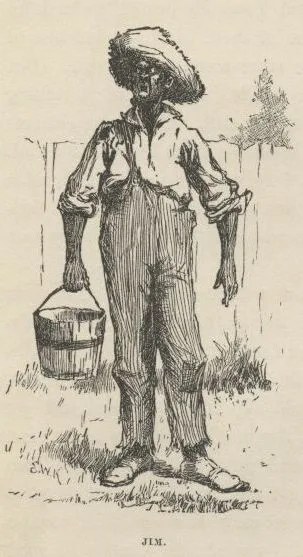
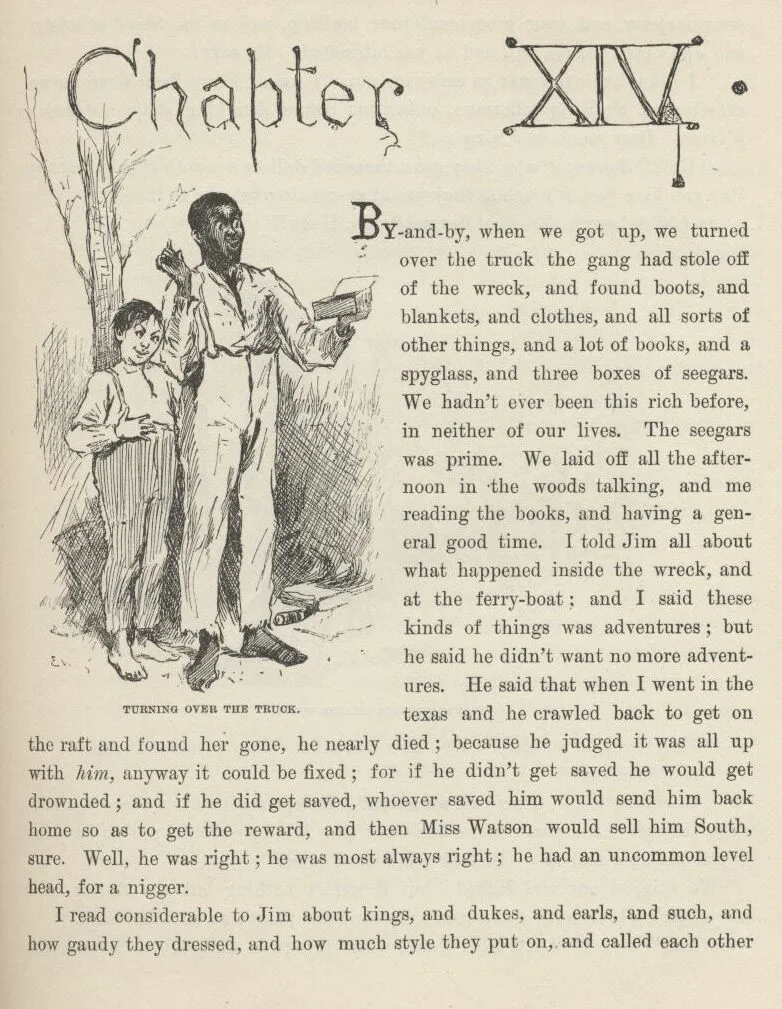
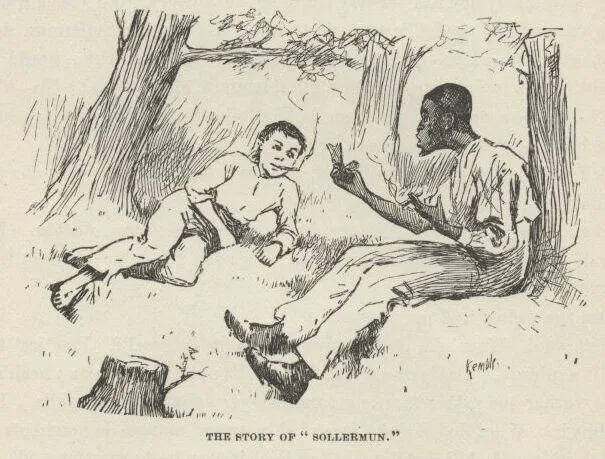
Jim, a runaway slave, plays a crucial role in Huck's journey in 'Adventures of Huckleberry Finn'. He serves as both a companion and a father figure to Huck as they travel down the Mississippi River. Their relationship challenges Huck's preconceived notions about race and society. Through his interactions with Jim, Huck learns about friendship, loyalty, and the moral complexities of slavery, ultimately leading him to question the societal values he was raised with.
What is the significance of the raft in the story?
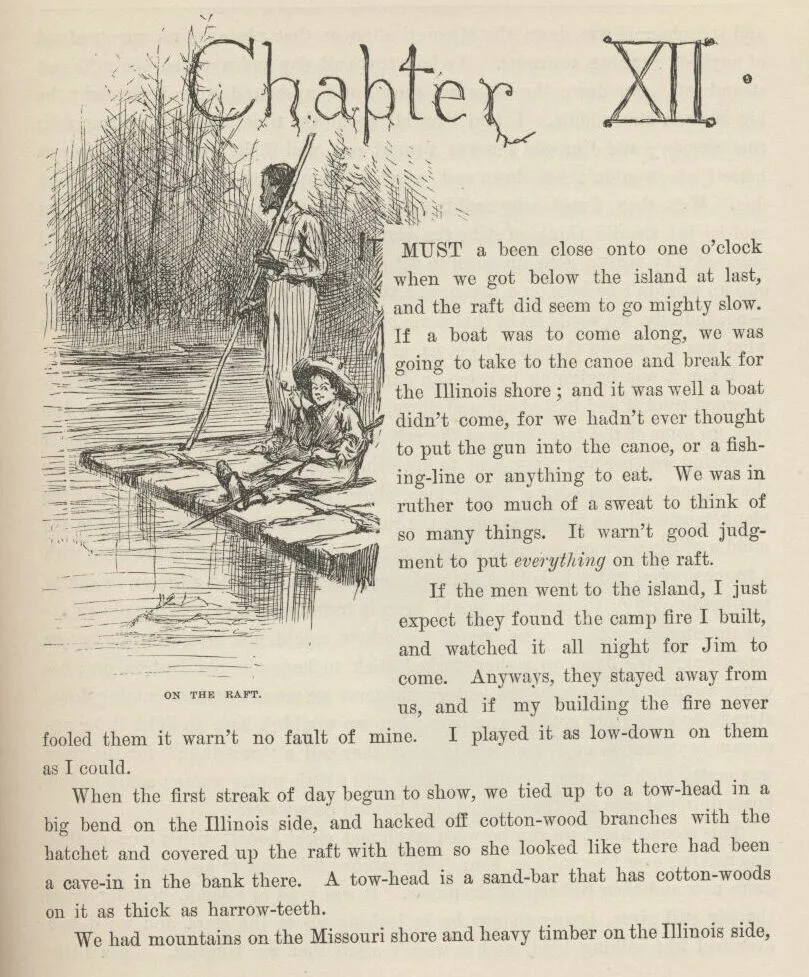
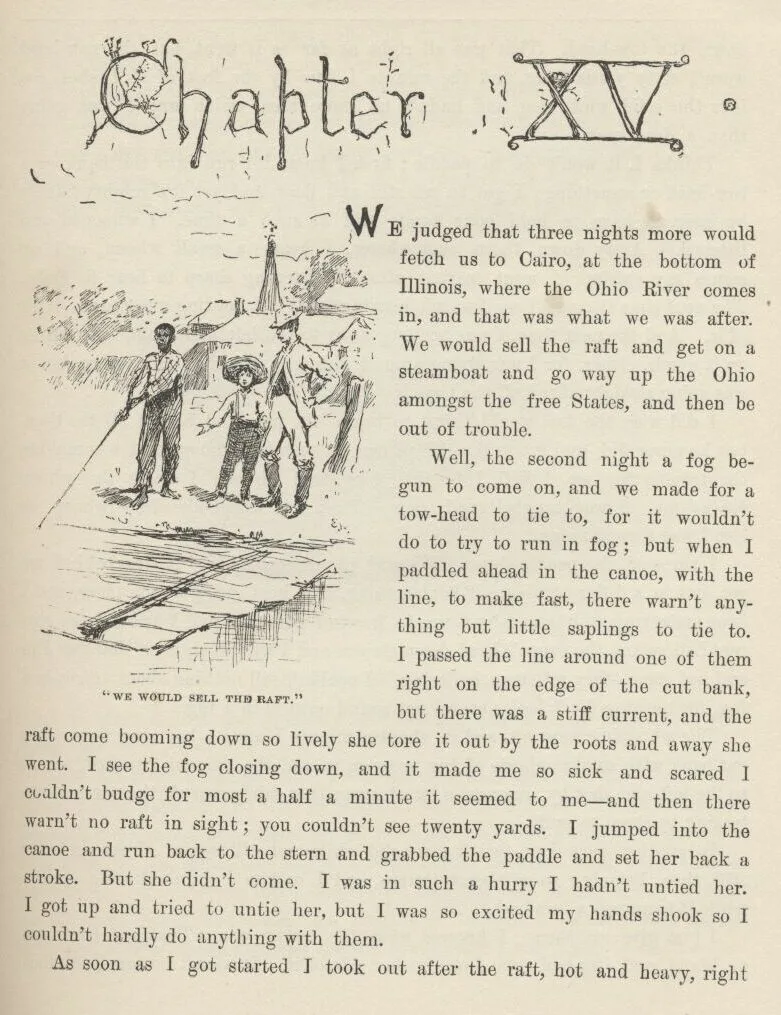
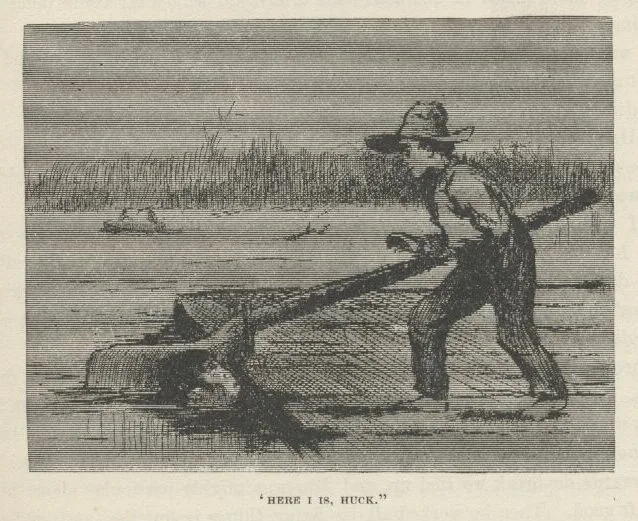
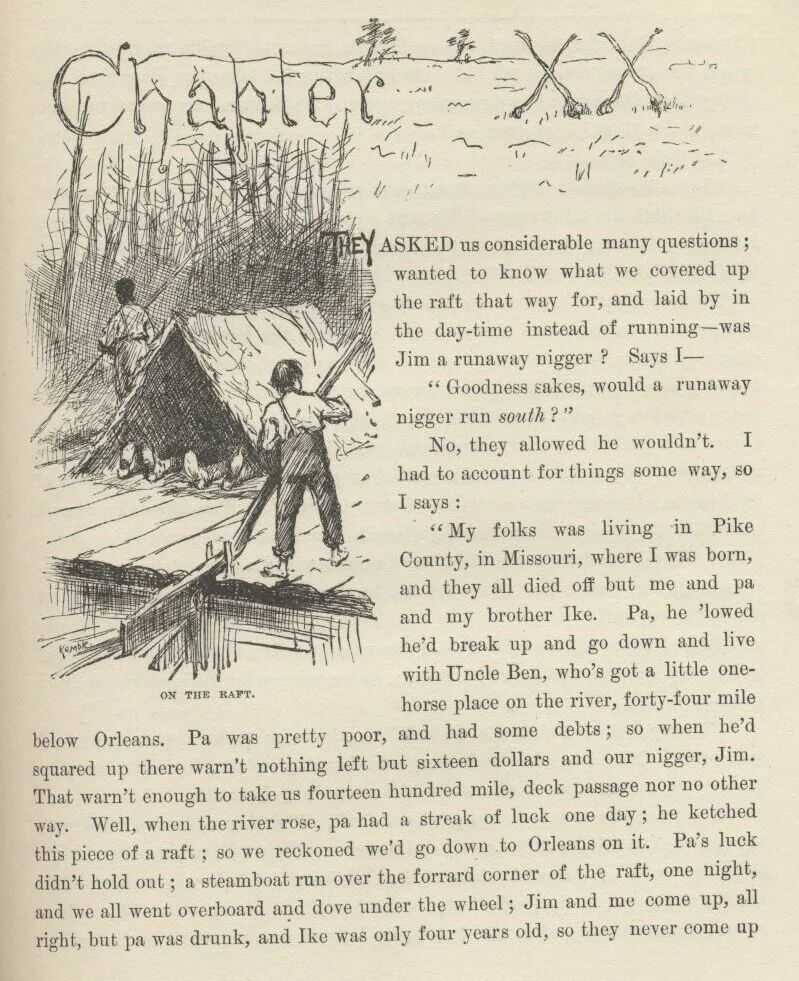
The raft in 'Adventures of Huckleberry Finn' symbolizes freedom and the possibility of escape from societal constraints. It serves as a physical space where Huck and Jim can exist outside the rules and norms of civilization. Their journey on the raft represents a quest for autonomy and self-discovery, allowing them to form a deep bond while navigating the complexities of their respective lives. The raft becomes a sanctuary where they can explore their identities away from the prejudices of society.
How does the theme of friendship manifest in the novel?
Friendship is a central theme in 'Adventures of Huckleberry Finn', particularly through the relationship between Huck and Jim. Their bond transcends the racial and societal barriers of the time, illustrating the depth of human connection. As they face various challenges together, their friendship grows stronger, highlighting themes of loyalty and sacrifice. Huck's evolving perception of Jim, from a mere slave to a valued friend, underscores the novel's critique of social norms and the importance of personal relationships.