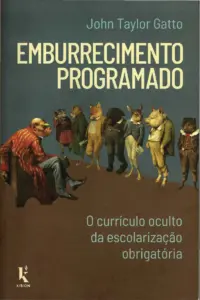
Emburrecimento Programado, escrito por John Taylor Gatto, explora as falhas do sistema educacional obrigatório e seu impacto na sociedade. Gatto, um ex-professor premiado, argumenta que a escolarização formal muitas vezes prejudica o aprendizado e a criatividade das crianças. O texto destaca a diferença entre a educação em casa e as redes operacionais que dominam as escolas. Este trabalho é essencial para educadores, pais e qualquer pessoa interessada em entender as críticas à educação tradicional. Com insights provocativos, Gatto inspira uma reflexão sobre como podemos melhorar a educação e promover um aprendizado mais significativo.

Key Points

  • Explora as críticas de John Taylor Gatto ao sistema educacional obrigatório
  • Discute a diferença entre educação domiciliar e redes operacionais
  • Analisa o impacto da escolarização na criatividade e aprendizado das crianças
  • Oferece reflexões sobre como melhorar a educação tradicional
Fredy Valério
Edition:3ª edição
131 pages
Language:Portuguese
Type:Book
Fredy Valério
Edition:3ª edição
131 pages
Language:Portuguese
Type:Book
72
/ 131

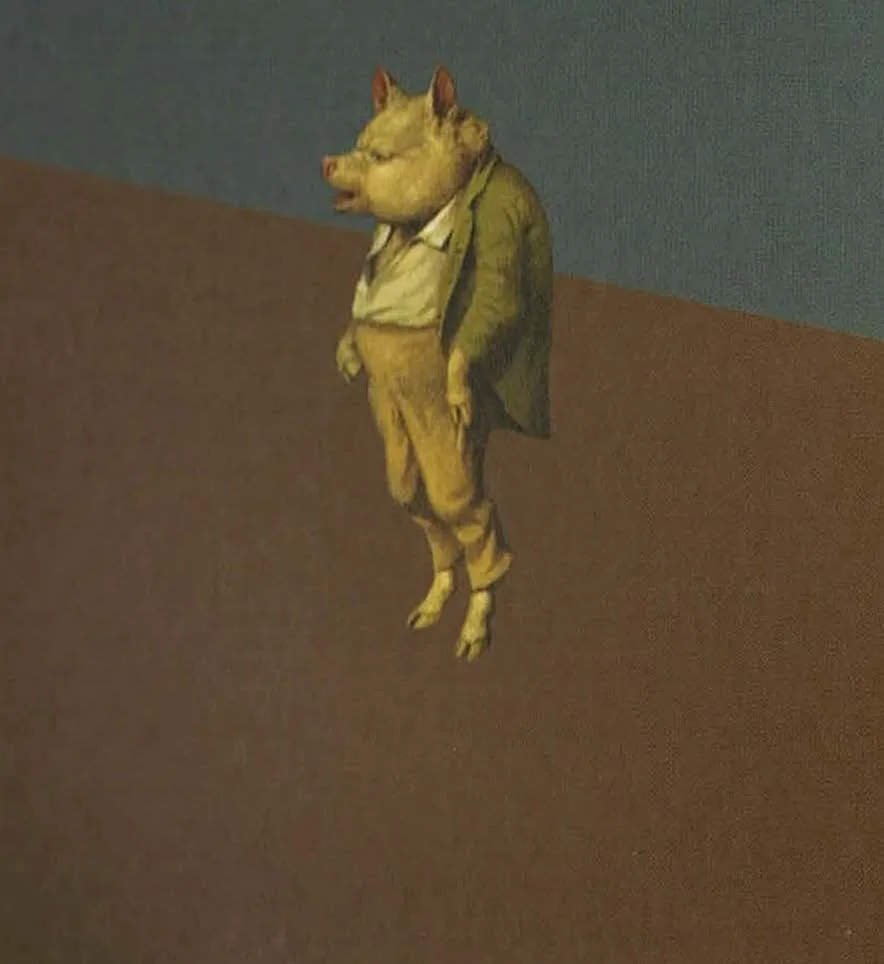
O currículo oculto
da escolarização
obrigatória
JOHN TAYLOR GATTO (1935-2018)







íl



'.Dumbing 



Emburrecimento pro
g
ramado
/ 131
End of Document
72

FAQs

What are the seven lessons taught in Gatto's book?
In "Emburrecimento Programado", John Taylor Gatto outlines seven lessons that are universally taught in schools. These include: 1) Confusão, teaching students that everything is out of context; 2) Posição de classe, which instructs students to remain in their assigned social classes; 3) Indiferença, where students learn not to care deeply about anything; 4) Dependência emocional, teaching children to rely on authority figures for validation; 5) Dependência intelectual, where students are conditioned to wait for instructions; 6) Auto-estima provisória, which instills a sense of self-worth based on external evaluations; and 7) Não é possível esconder-se, emphasizing constant surveillance and lack of privacy.
How does Gatto describe the impact of compulsory schooling on children?
Gatto argues that compulsory schooling has a detrimental impact on children, leading to a range of psychological issues. He notes that children become indifferent to the adult world, lack curiosity, and have a poor understanding of their future. They often feel disconnected from history and exhibit cruelty towards peers. The schooling system, according to Gatto, fosters dependence, passivity, and a lack of self-esteem, creating individuals who are ill-equipped to face real-world challenges.
What is the main argument against expanding the school system according to Gatto?
John Taylor Gatto contends that expanding the school system will not solve the underlying issues of education. He believes that increasing the duration and scope of schooling only exacerbates the problems, as schools operate as networks that drain the vitality from families and communities. Gatto argues that the focus should be on reducing the school system rather than expanding it, as the current structure is fundamentally flawed and does not foster genuine education.
What does Gatto suggest as an alternative to the current educational system?
Gatto advocates for a return to community-based education, emphasizing the importance of local involvement in children's learning. He suggests that families should play a central role in education, allowing for more individualized and meaningful learning experiences. By encouraging self-directed learning and community engagement, Gatto believes that children can develop their potential without the constraints imposed by the institutionalized schooling system.
How does Gatto relate the concept of community to education?
In "Emburrecimento Programado", Gatto emphasizes that true education occurs within the context of community. He argues that communities should be composed of families and individuals who engage with one another, fostering a sense of belonging and mutual support. Gatto believes that when children are isolated in institutional settings, they lose the opportunity to develop meaningful relationships and a sense of identity, which are crucial for their growth and learning.
What historical context does Gatto provide regarding compulsory schooling?
Gatto traces the origins of compulsory schooling back to the mid-19th century, specifically to Massachusetts, where it was established as a mechanism for social control. He notes that there was significant resistance to this system, with many people opposing the idea of mandatory education. Over time, however, the system became entrenched, leading to the current state of education that Gatto critiques as being focused on conformity and obedience rather than genuine learning.
What does Gatto mean by the term 'hidden curriculum'?
The term 'hidden curriculum' in Gatto's work refers to the unspoken lessons and values that are imparted to students through the schooling system. This includes the social norms, behaviors, and attitudes that are reinforced by the structure and environment of schools, such as compliance, competition, and a lack of critical thinking. Gatto argues that this hidden curriculum often undermines the true purpose of education, which should be to foster independent thought and personal growth.