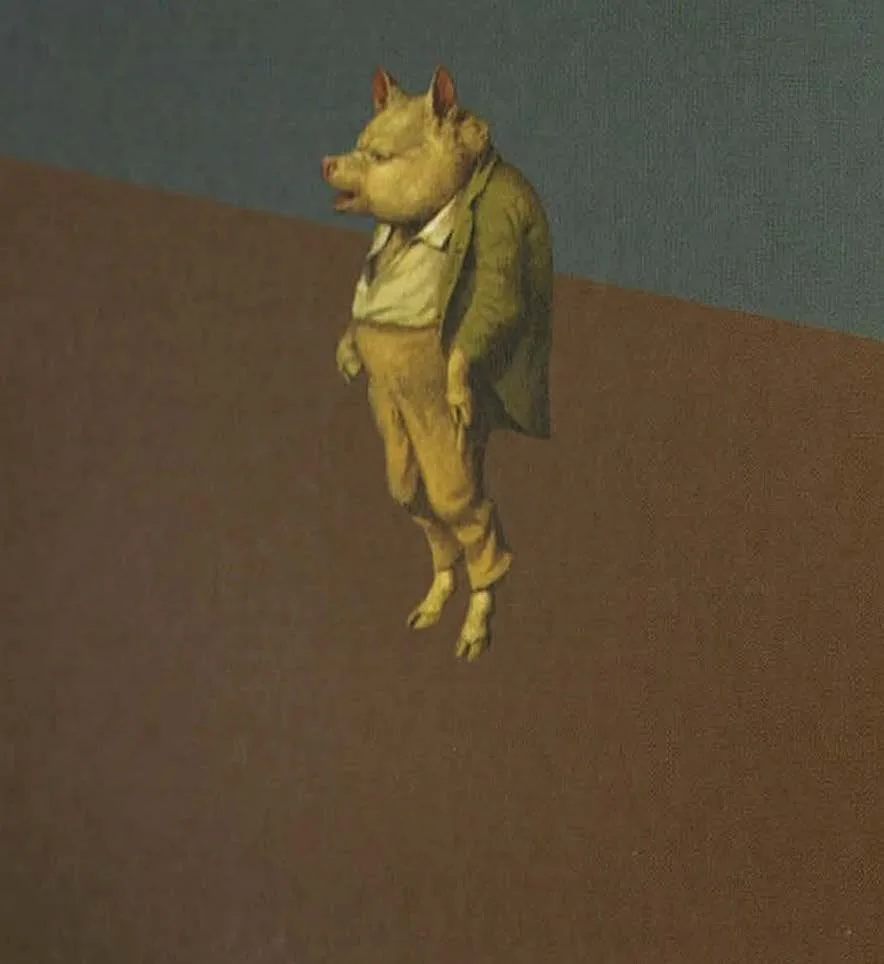
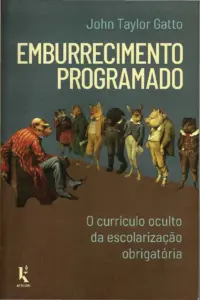
Emburrecimento Programado, escrito por John Taylor Gatto, explora as falhas do sistema educacional e como ele impacta negativamente o aprendizado das crianças. Gatto, um ex-professor premiado, argumenta que a escolarização obrigatória serve mais para conformar do que para educar, destacando a diferença entre a educação em casa e a educação institucionalizada. O texto é uma crítica contundente ao currículo oculto que molda a mentalidade dos alunos, promovendo a obediência em vez da criatividade. Este trabalho é essencial para educadores, pais e qualquer pessoa interessada em entender as dinâmicas da educação moderna.

Key Points

  • Analisa o impacto negativo da escolarização obrigatória na criatividade das crianças.
  • Discute a diferença entre educação domiciliar e o sistema educacional tradicional.
  • Explora o conceito de currículo oculto e suas implicações na formação de cidadãos.
  • Baseado nas experiências de John Taylor Gatto como professor em Nova York.
Fredy Valério
Author: John Taylor Gatto More by John Taylor Gatto Emburrecimento Programado – John Taylor Gatto Emburrecimento Programado – John Taylor Gatto
Edition:3ª edição
131 pages
Language:Portuguese
Type:Book
Fredy Valério
Author: John Taylor Gatto More by John Taylor Gatto Emburrecimento Programado – John Taylor Gatto Emburrecimento Programado – John Taylor Gatto
Edition:3ª edição
131 pages
Language:Portuguese
Type:Book
56
/ 131

O currículo oculto
da escolarização
obrigatória
JOHN TAYLOR GATTO (1935-2018)







íl



'.Dumbing 



Emburrecimento pro
g
ramado
/ 131
End of Document
56

FAQs

What are the seven lessons taught in Emburrecimento Programado?
The seven lessons taught in *Emburrecimento Programado* include: confusion, class position, indifference, emotional dependence, intellectual dependence, provisional self-esteem, and the inability to hide. Each lesson reflects how the educational system conditions students to accept their societal roles and limits their individuality. For example, the lesson of confusion teaches that students are often presented with disjointed information, leading to a lack of coherent understanding. Similarly, emotional dependence emphasizes how students learn to rely on authority figures for validation rather than developing self-confidence.
How does John Taylor Gatto define the role of schools in society?
John Taylor Gatto defines schools as institutions that primarily serve to control and condition students to fit into a predetermined societal structure. He argues that the educational system is designed to produce compliant individuals who can be easily managed within a capitalist framework. Gatto critiques the notion that schools provide genuine education, asserting instead that they create a curriculum that stifles creativity and critical thinking, ultimately leading to a populace that is less capable of independent thought and action.
What is the significance of the term 'hidden curriculum' in Gatto's work?
The term 'hidden curriculum' in Gatto's work refers to the implicit lessons that students learn in schools, which are not part of the formal curriculum. These lessons often include social norms, values, and expectations that shape students' behaviors and attitudes. Gatto argues that this hidden curriculum reinforces conformity and compliance, teaching students to accept authority and discouraging critical thinking. It highlights the disparity between what is officially taught and the underlying messages that influence students' development.
What does Gatto suggest about the relationship between education and community?
Gatto suggests that there is a fundamental disconnect between formal education and the development of genuine community ties. He argues that schools, as they currently operate, isolate individuals from their families and communities, creating a sense of alienation. Instead of fostering relationships that support personal growth and community involvement, schools impose a rigid structure that limits interaction and understanding among individuals. Gatto advocates for a return to community-based education that emphasizes local involvement and personal responsibility.
How does Gatto view the impact of standardized testing on students?
Gatto views standardized testing as detrimental to students' educational experiences, arguing that it reduces learning to mere numbers and classifications. He believes that such tests promote a culture of competition and anxiety, where students are judged solely on their ability to perform on exams rather than their overall understanding and creativity. This focus on quantifiable outcomes undermines the true purpose of education, which should be to nurture well-rounded individuals capable of critical thought and personal expression.
What alternatives to traditional schooling does Gatto propose?
Gatto proposes several alternatives to traditional schooling, including homeschooling and community-based education models. He emphasizes the importance of allowing children to learn in environments that encourage autonomy and self-direction. Gatto believes that education should be a personal journey rather than a one-size-fits-all approach imposed by institutions. By fostering independent learning and integrating real-life experiences, children can develop a deeper understanding of themselves and their place in the world.
What criticisms does Gatto make about the historical development of compulsory schooling?
Gatto criticizes the historical development of compulsory schooling as a mechanism for social control rather than genuine education. He traces its origins to the desire for a compliant workforce and a unified national identity, arguing that it has led to a decline in individual creativity and critical thinking. Gatto contends that the expansion of compulsory schooling has resulted in a system that prioritizes conformity over personal growth, ultimately harming both individuals and society.