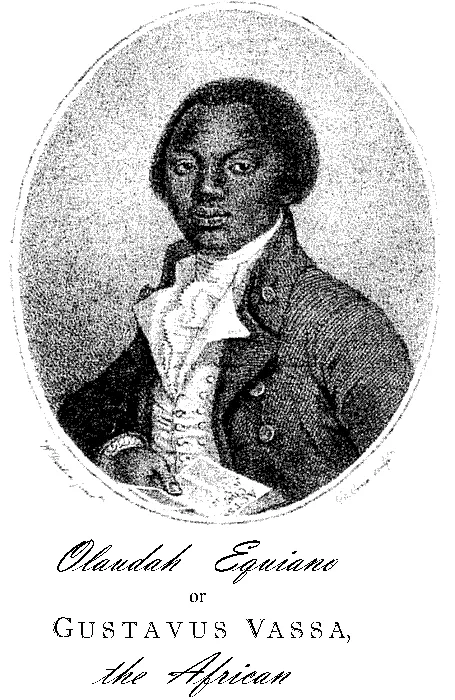
The Interesting Narrative of the Life of Olaudah Equiano
The Interesting Narrative of the Life of Olaudah Equiano recounts the life experiences of Olaudah Equiano, also known as Gustavus Vassa, an African who was enslaved and later became a prominent abolitionist. This autobiography details his journey from Africa to the Americas, his experiences in slavery, and his eventual freedom. Equiano’s narrative provides insight into the transatlantic slave trade and advocates for the abolition of slavery. Readers interested in African history, the slave trade, and personal accounts of resilience will find this work invaluable. The narrative is essential for students and scholars studying the impacts of slavery and the fight for human rights.
Key Points
Details Olaudah Equiano’s journey from slavery to freedom
Explores the transatlantic slave trade and its impacts
Highlights Equiano’s role as an abolitionist and advocate for human rights
Provides personal reflections on morality and religion
This link leads to an external site. We do not know or endorse its content, and are not responsible for its safety. Click the link to proceed only if you trust this site.
Narrative of the Life of Frederick Douglass, an American SlaveBook
PDFBook
My Life by Richard Wagner – Volume 1Book
PDFBook
Boundaries: When to Say Yes, How to Say No to Take Control of Your LifeBook
PDFBook
Lifes Too Short by Abby JimenezBook
PDFBook
This Story Might Save Your Life by Tiffany CrumBook
PDFBook
Napoleon Hill – Think and Grow RichBook
PDFBook
The AlchemistBook
PDFBook
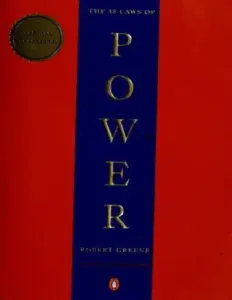
The 48 Laws of Power – Robert GreeneBook
PDFBook
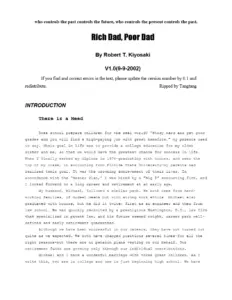
Rich Dad, Poor Dad by Robert T. KiyosakiBook
PDFBook
The Art of War – Sun TzuBook
PDFBook
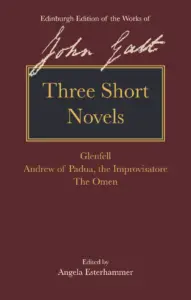
Three Short Novels: Glenfell, Andrew of Padua, The OmenBook
PDFBook
Grandma’s Bag of Stories by Sudha MurtyBook
FAQs
What are the key themes in Olaudah Equiano's narrative?
The key themes in Olaudah Equiano's narrative include the horrors of slavery, the quest for freedom, and the importance of education and religion. Equiano vividly describes the brutalities faced by enslaved Africans, illustrating the inhumanity of the slave trade. He emphasizes the transformative power of education and the Christian faith, which played crucial roles in his life. Additionally, the narrative highlights the contrast between his experiences in Africa and the West Indies, and his reflections on liberty and the moral responsibilities of individuals.
How did Olaudah Equiano's early life influence his views on slavery?
Olaudah Equiano's early life in Africa, where he experienced freedom and community, greatly influenced his views on slavery. Born in the kingdom of Benin, he was raised in a society with established customs and governance, which made his subsequent capture and enslavement particularly traumatic. His memories of family connections and cultural practices fostered a deep longing for freedom and justice. This background shaped his understanding of the value of liberty, leading him to advocate for the abolition of the slave trade throughout his narrative.
What significant events does Equiano recount from his time at sea?
Equiano recounts several significant events from his time at sea, including his first experiences with European ships and the dangers of sailing. He describes a harrowing shipwreck on the Bahama Bank, where he played a crucial role in saving the crew. Additionally, he details encounters with various captains and merchants, highlighting the challenges and moral dilemmas faced by sailors and enslaved individuals alike. His reflections on these maritime experiences underscore the unpredictability of life at sea and the constant threat of danger.
What was Olaudah Equiano's perspective on the treatment of enslaved people?
Olaudah Equiano's perspective on the treatment of enslaved people was one of deep concern and condemnation. Throughout his narrative, he illustrates the brutal conditions under which enslaved individuals lived, including physical abuse and dehumanization. He emphasizes the moral implications of slavery, arguing that it corrupts both the enslaved and the enslavers. Equiano advocates for humane treatment and the recognition of the enslaved as individuals deserving of rights and dignity, reflecting his broader call for abolition.
How did Equiano's experiences in England differ from his life in the West Indies?
Equiano's experiences in England differed significantly from his life in the West Indies in terms of treatment and opportunities. In England, he found a more supportive environment where he was able to pursue education and engage with the abolitionist movement. His narrative contrasts the harsh realities of slavery in the West Indies, where he faced constant oppression, with the relative freedoms he experienced in England. This juxtaposition highlights the disparities in treatment based on geography and the potential for personal growth and advocacy in a more humane society.
What role did religion play in Equiano's life and narrative?
Religion played a pivotal role in Equiano's life and narrative, serving as both a source of comfort and a catalyst for his activism. He converted to Christianity, which he viewed as essential for personal salvation and moral guidance. Throughout his narrative, Equiano emphasizes the transformative power of faith, attributing his resilience and advocacy for abolition to his religious convictions. His belief in God provided him with hope and purpose, motivating him to fight against the injustices of slavery and to seek freedom for himself and others.